TL;DR

Get kitchen gear delivered free with Prime
- Fast, free delivery on millions of items
- Prime Video, Amazon Music and more included
- Member-only deals all year
Carbon steel cookware heats quickly, responds fast to temperature changes, and lasts a lifetime with proper care. This guide shows you how to season, clean, and cook to make the most of it.
Few tools in the kitchen deliver both performance and durability quite like carbon steel pans. They’re lighter than cast iron but just as tough, heating up fast and responding instantly. If you’re tired of sluggish cookware that wars with your stove, this is the secret weapon you need.
But there’s a learning curve—getting that perfect seasoning, knowing how to clean without ruining it, and understanding what makes it different from cast iron. This starter guide cuts through the confusion, sharing real-world tips to help you cook, care for, and love your carbon steel cookware from day one.
Proper seasoning creates a durable, non-stick surface that actually improves with use.
Avoid soap and use hot water and salt to clean, then dry and oil immediately.
Lighter than cast iron, carbon steel heats faster, making it perfect for quick, responsive cooking.
Seasoned carbon steel is safe and chemical-free, offering a natural non-stick alternative.
With consistent care, your pan can last a lifetime, becoming a true kitchen partner.
What makes carbon steel different from other pans—and why it matters
Carbon steel is a mix of iron and 1-2% carbon. That small amount makes a huge difference. It heats faster than cast iron and reacts quicker to your stove’s adjustments, giving you more control. It’s lighter, often about half the weight of cast iron, so you can handle it easily—even when it’s hot.
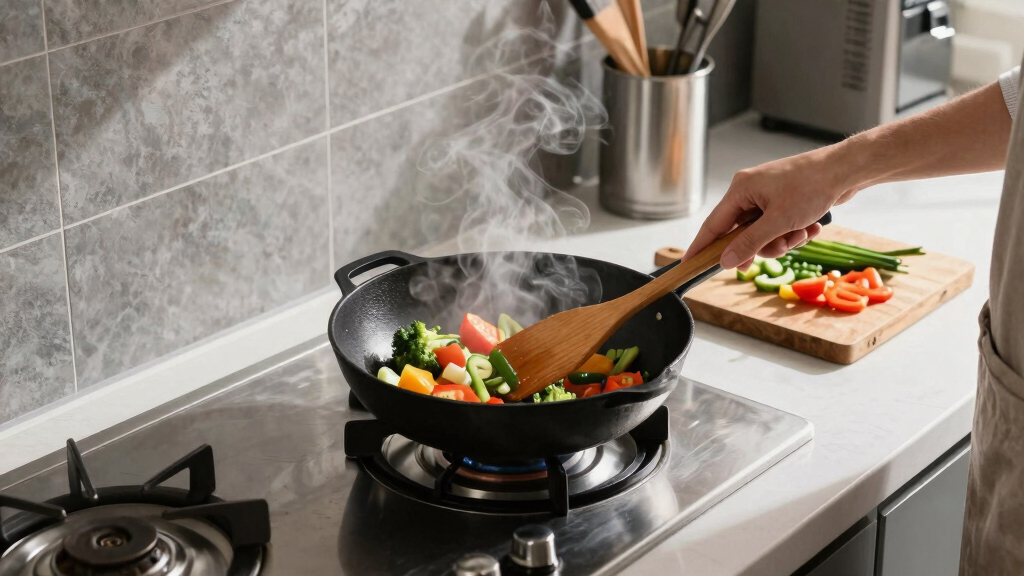
Imagine cooking a steak. With cast iron, you wait a few extra seconds for heat to build. With carbon steel, you get that sear immediately, with less effort. It’s like the difference between a slow-burning candle and a quick match. That responsiveness makes it a favorite among chefs and home cooks who want precision without the weight.
Understanding this difference matters because it influences how you cook. The rapid response allows for more precise control over heat, which is essential for delicate sauces or quick stir-fries. However, this also means you need to be attentive—overheating can cause sticking or burning, especially if not seasoned properly. The tradeoff is that while it demands a bit more attention, it rewards you with superior responsiveness and less fatigue during handling.
As an affiliate, we earn on qualifying purchases.
How to season your carbon steel pan in 3 simple steps
- Wash the pan with hot water and a stiff brush to remove factory coating or dirt.
- Dry it thoroughly—use heat on your stove or in the oven to evaporate every drop of moisture.
- Apply a thin layer of high-smoke-point oil (like flaxseed, grapeseed, or sunflower). Heat the pan until the oil smokes, then let it cool. Repeat 2-3 times for a durable non-stick surface.
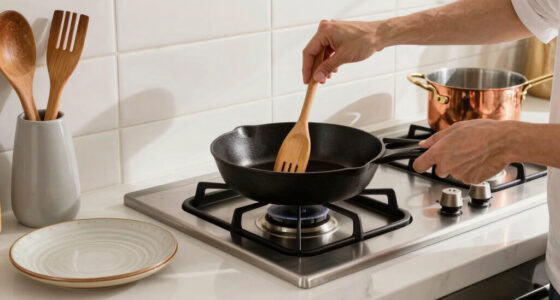
Imagine the first time you season it as laying down a protective armor. Each layer builds a smoother, more resilient surface that gets better with every use. Pre-seasoned pans save you time but don’t skip the initial seasoning step.
Getting the seasoning right is crucial because it directly influences the pan’s non-stick ability and resistance to rust. Thin, multiple coats ensure even coverage and proper polymerization of the oil, creating a durable surface that can withstand high heat and frequent use. Skipping this or applying too thick a layer can lead to uneven seasoning, sticky spots, or peeling. Think of it as building a strong foundation—precision here pays off in the long run.
As an affiliate, we earn on qualifying purchases.
Cleaning and caring for your carbon steel without ruining the non-stick
- Use hot water and a stiff brush or scraper immediately after cooking. No soap—soaps strip the seasoning, which is essential for non-stick properties and rust prevention.
- For stubborn food, sprinkle coarse salt and scrub with a paper towel or brush. Rinse and dry thoroughly. The salt acts as an abrasive that cleans without damaging the seasoned surface.
- After cleaning, apply a light coat of oil to prevent rust. Store in a dry place. Proper care maintains the seasoning and prevents corrosion, ensuring your pan stays non-stick and durable over time.
Think of your pan like a good friend—gentle care keeps it happy. If you neglect it, rust and sticky spots appear, which can compromise its performance. Regular, mindful maintenance—cleaning promptly, avoiding soap, and oiling after use—preserves the seasoning layer. This approach not only sustains the non-stick surface but also prolongs the lifespan of your pan, making it a trusted kitchen companion for years to come.
As an affiliate, we earn on qualifying purchases.
Comparison: Carbon steel vs. cast iron — which is better for your kitchen?
| Feature | Carbon Steel | Cast Iron |
|---|---|---|
| Weight | Lighter, easier to handle | Heavier, more effort to maneuver |
| Heat Response | Heats quickly, cools fast | Heats slowly, retains heat longer |
| Durability | Lasts decades with care | Lasts forever, often handed down |
| Responsiveness | Excellent, quick adjustments | Slower, more stable heat |
| Best for | Searing, stir-frying, quick tasks | Searing, slow cooking, baking |
Choosing between these materials depends on your cooking style and priorities. If you value lightweight, precise control, and quick heating, carbon steel is ideal. If you prefer slow, steady heat for baking or slow simmering, cast iron might be better. Both require proper seasoning and care, but understanding their differences helps you select the right tool for your needs and prevents frustration caused by mismatched expectations.
best high smoke point oil for seasoning
As an affiliate, we earn on qualifying purchases.
As an affiliate, we earn on qualifying purchases.
Real-world tips to get the most out of your carbon steel pan
- Preheat your pan on medium-high for a few minutes before adding oil or food. It’s like warming up before a workout. Proper preheating ensures even heat distribution and better non-stick performance.
- Use high-smoke-point oils—flaxseed, sunflower, or ghee—for seasoning and cooking. These oils withstand high temperatures without breaking down, which is essential for building and maintaining a strong seasoning layer.
- Don’t rush the seasoning process. Multiple thin coats build a more durable, even non-stick surface than a single thick layer, which can crack or peel over time. Patience here yields better results in the long run.
- Cook fatty foods like bacon early on to build up seasoning faster. The rendered fat deposits a layer of polymerized oil, enhancing the pan’s non-stick qualities and durability.
- After cooking, cool the pan naturally, then wipe away excess residue and reapply a light layer of oil. This cycle of use and maintenance gradually develops a seasoned, non-stick surface that improves with each use.
Think of each cooking session as adding a layer to your pan’s armor—every sear, fry, or sauté strengthens its non-stick qualities and resilience. Consistent habits—proper preheating, correct oils, and mindful cleaning—are the keys to a lifetime of excellent performance.
Troubleshooting common issues with carbon steel cookware
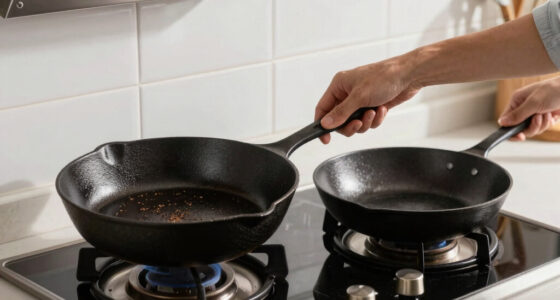
If your pan sticks or develops rust, don’t panic. Sticking often means the seasoning is thin or compromised—perhaps due to improper cleaning or overheating. Rust indicates moisture exposure—dry it quickly and reseason if needed. Rust can be especially problematic because it can create pitted spots that trap food and accelerate deterioration.
To fix sticking, scrub with salt and wipe clean. Re-season with a few layers of oil. For rust, use steel wool to remove the spots, then reseason thoroughly. Keep the pan dry and oiled, especially in humid environments. Regularly inspecting and maintaining your pan prevents these issues from worsening, ensuring consistent performance and longevity.
Think of your pan like a garden: it needs regular watering (oil) and protection from the elements (moisture). Proper care—prompt drying, appropriate cleaning, and re-seasoning—keeps it thriving for decades. Neglecting these steps can lead to early deterioration, but attentive maintenance keeps your investment in top shape.
Frequently Asked Questions
How do I season my new carbon steel pan for the first time?
Wash it thoroughly with hot water and a stiff brush, then dry completely. Apply a thin layer of high-smoke-point oil and heat until it smokes. Let it cool, then repeat 2-3 times. This builds a strong, natural non-stick coating.
Can I cook acidic foods like tomatoes in my carbon steel pan?
Yes, but avoid long cooking times with highly acidic foods initially. Acid can strip the seasoning. Once your pan is well-seasoned, it handles acids better, but regular exposure may require re-seasoning to maintain smoothness.
How often should I re-season my pan?
Re-season when you notice food sticking or rust forming. Typically, a light re-seasoning every few months or after deep cleaning keeps your pan in prime shape.
Is it okay to cook eggs in carbon steel?
Absolutely. Once well-seasoned, your pan develops a non-stick surface perfect for eggs and pancakes. Just use a bit of oil and low to medium heat for best results.
How do I store my carbon steel pan to prevent rust?
Keep it dry and lightly oiled. Store in a dry place, and consider placing a paper towel inside to absorb moisture. This simple step keeps rust at bay and preserves your seasoning.
Conclusion
Mastering carbon steel is about patience and practice. With each use, your pan becomes more responsive and non-stick. It’s a tool that rewards your effort with reliable performance and a lifetime of cooking adventures.
Next time you cook, think of it as an ongoing relationship—care for it, and it will serve you well for decades. Ready to start your journey? Grab that pan, and let the cooking begin.
Halloween Picks
halloween
As an affiliate, we earn on qualifying purchases.