
TL;DR

Get kitchen gear delivered free — and shop member deals
- Fast, free delivery on millions of items
- Access to Prime Big Deal Days deals on October 6–7
- Prime Video, Amazon Music and more included
Cast iron holds heat due to its dense material and high thermal mass, allowing it to absorb, store, and release heat slowly. This makes it ideal for steady, even cooking. Proper preheating and maintenance boost its performance.
Cast iron’s dense material and high specific heat capacity let it absorb and slowly release heat, keeping your food consistently hot.
Preheating cast iron thoroughly before cooking is essential to maximize its heat-holding power.
Proper seasoning and maintenance improve heat retention and prevent rust, ensuring your skillet stays reliable for years.
Use cast iron for steady, prolonged cooking tasks like searing, baking, or frying, where even heat matters most.
Compared to copper or aluminum, cast iron excels at maintaining a stable temperature over time, making it perfect for off-grid and slow cooking.
What Makes Cast Iron a Heat-Holding Machine?
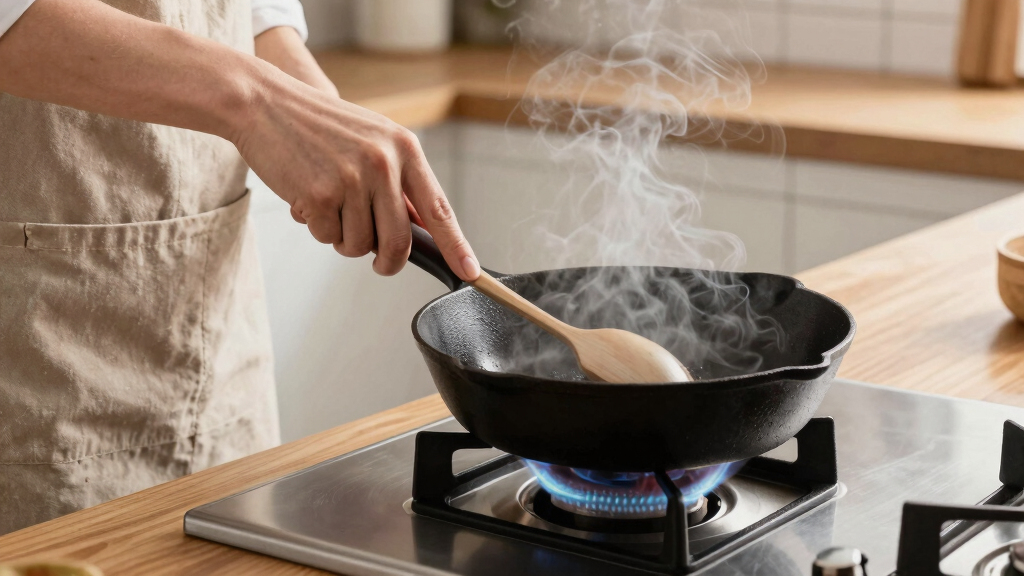
Cast iron’s secret lies in its material composition. Made mostly of iron with a dash of carbon, it’s a dense, heavy alloy. That weight isn’t just for bragging rights — it’s key to how it traps heat. When you heat a cast iron skillet, it absorbs a large amount of energy, thanks to its high specific heat capacity. This means it can store a lot of heat without getting overly hot too quickly. Once hot, it gently releases that stored heat, keeping your food cooking evenly and consistently.
Think of it like a sponge for heat — soak it up, then slowly drip that warmth onto your food. That’s why your steaks get a beautiful crust and stay juicy, or why a loaf of bread bakes with a crisp crust even in a cooler oven. The dense, even structure also means there are fewer hot spots, leading to uniform cooking.
As an affiliate, we earn on qualifying purchases.
How Does Its Structure Help You Cook Better?
Once heated, cast iron’s thermal mass acts like a heat reservoir. For example, when you toss a steak into a hot cast iron pan, the pan’s heat doesn’t instantly drop. Instead, it maintains a steady temperature, giving you that perfect sear. This is especially helpful when cooking foods that benefit from a consistent temperature, like pancakes or fried chicken.
On the flip side, cast iron heats slowly. That’s a tradeoff — it takes longer to get hot, but it stays hot longer. This means you don’t have to fuss over adjusting the flame mid-cook. Once it’s up to temperature, it’s like cooking on a hot stone — stable and reliable.
As an affiliate, we earn on qualifying purchases.
Comparison: Cast Iron vs. Copper & Aluminum — Who Wins in Heat Retention?
| Feature | Cast Iron | Copper | Aluminum |
|---|---|---|---|
| Heat Capacity | High — absorbs a lot of heat, releases slowly | Very high — heats quickly, cools fast | |
| Heat Distribution | Even once hot, but heats slowly | Excellent — heats quickly and evenly | |
| Durability | Long-lasting, can last generations | Delicate, requires careful handling | |
| Best Use | Searing, baking, slow cooking | Rapid heating for delicate sauces or quick sautés |
While copper and aluminum heat up fast and distribute that heat quickly, cast iron’s giant thermal mass keeps it hot longer. That makes it perfect for steady, prolonged cooking. Think of cast iron as the marathon runner — slow to start, but it keeps going strong.
As an affiliate, we earn on qualifying purchases.
Practical Tips to Maximize Cast Iron’s Heat-Holding Power
- Preheat thoroughly: Warm up your pan for at least 5-10 minutes over medium heat before adding food. A hot pan is key to achieving that perfect sear.
- Use the right temperature: For searing steaks, aim for around 400°F (204°C). Use an infrared thermometer if needed. Don’t rush it — patience pays off.
- Cook in batches: Don’t crowd the pan. Too many items at once cool it down, preventing that desirable crust.
- Finish in the oven: For thick cuts or bread, start on the stove to develop a crust, then transfer to a hot oven (450°F or more) to complete cooking.
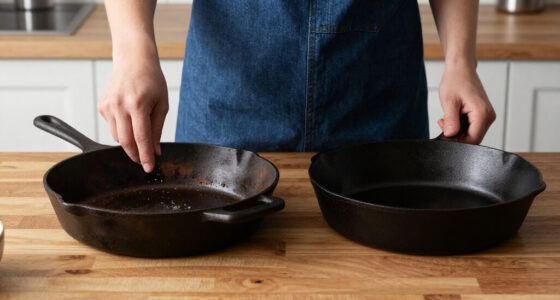
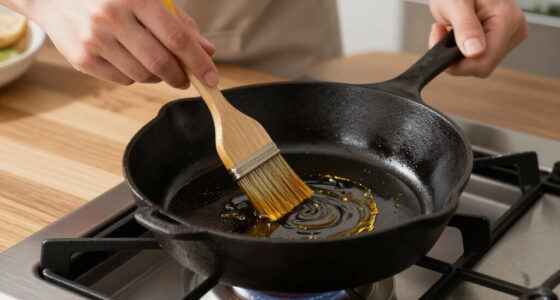
- Proper maintenance: Keep your skillet seasoned and dry. Lightly oil it after cleaning to preserve its heat-retaining surface.
For example, when making a batch of crispy fried chicken, preheat the cast iron until it’s smoking slightly. Drop in the chicken, and it will crisp up fast without losing heat. The result? Juicy inside, crispy outside, every time.
As an affiliate, we earn on qualifying purchases.
The Best Way to Use Its Heat-Holding Power
Think of cast iron as your steady, reliable cooking partner. Use it for tasks that need consistent heat, like searing, frying, or baking bread. Preheat well, then cook with confidence. The pan’s heat will stay steady, giving your food that professional finish.
For example, when baking bread, a preheated cast iron Dutch oven traps steam and heat, creating a crusty loaf. Or, for breakfast hash, a hot skillet keeps everything sizzling without cooling down mid-sizzle.
Remember: don’t rush the preheat. Patience here yields perfect results. And always handle hot cast iron with thick oven mitts or a towel — that heat is no joke.
Maintenance Tips for Keeping Your Cast Iron Hot and Ready
Your cast iron’s ability to hold heat depends on good maintenance. Keep it seasoned with oil, avoid soap that strips seasoning, and dry it immediately after washing. A well-maintained skillet heats faster and retains its heat better.
For instance, after cooking, wipe it clean with a paper towel, apply a thin coat of oil, and bake it at 450°F for an hour. That builds up a smooth, non-stick surface that also helps it hold heat longer.
Beware of rust: store in a dry place and don’t soak in water. A little care now means it’ll serve you for decades, whether you’re frying, baking, or slow-cooking.
Frequently Asked Questions
Why does cast iron stay hot longer than other pans?
Cast iron’s high thermal mass and specific heat capacity allow it to absorb large amounts of heat and release it slowly. This keeps your food hot and evenly cooked long after the heat source is gone.How should I care for my cast iron to keep its heat retention at peak?
Keep it seasoned with oil, avoid soap which strips seasoning, dry it thoroughly, and lightly oil after cleaning. Proper maintenance preserves its ability to hold heat and prevents rust.Can I use cast iron on an induction cooktop?
Yes, cast iron is ferromagnetic and works perfectly with induction stoves. Its magnetic properties ensure efficient heat transfer.Is it safe to cook acidic foods in cast iron?
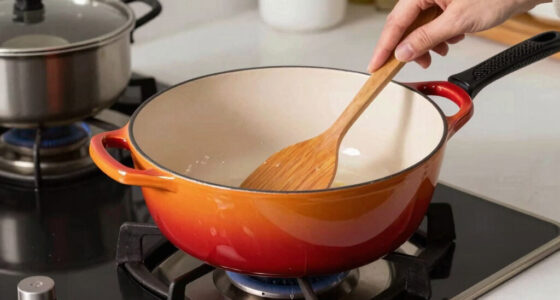
Short-term cooking of acidic foods like tomato sauce is fine, but prolonged exposure can damage the seasoning and impart a metallic taste. Use enameled cast iron for acidic dishes if you want to preserve seasoning.How do I re-season my cast iron skillet?
Scrub it clean, apply a thin layer of oil, then bake it upside down in an oven at 450-500°F for about an hour. Repeat as needed to build a durable, heat-retaining surface.Conclusion
Think of cast iron as a quiet workhorse that never lets you down. Its ability to hold heat means more even cooking, less fuss, and better results. Treat it well, preheat patiently, and it’ll reward you with consistent, professional-quality dishes every time.
Next time you start a fire or turn on your stove, picture that cast iron pan soaking up every bit of heat — then slowly sharing it with your food. That’s the secret to why it’s a kitchen classic for generations.
Halloween Picks
halloween
As an affiliate, we earn on qualifying purchases.