
TL;DR

Get kitchen gear delivered free with Prime
- Fast, free delivery on millions of items
- Prime Video, Amazon Music and more included
- Member-only deals all year
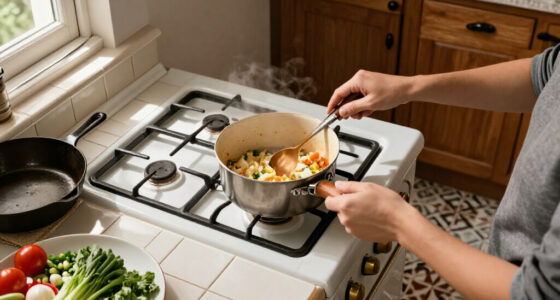
Interior designer Lily Walters has prompted renewed discussion about removing upper cabinets, and the NKBA’s 2027 Kitchen Trends Report says 27% of designers expect fewer uppers in cabinet configurations over the next three years. The trade-off is between a more open-looking kitchen and practical storage; designers say the right choice depends on the home and whether other storage is available.
Interior designer Lily Walters has revived a debate over whether kitchens need upper cabinets by sharing renovation plans that leave them out, while data cited from the NKBA 2027 Kitchen Trends Report suggests some designers expect to use fewer. The discussion highlights a practical choice for homeowners: gaining a more open wall and room for a prominent backsplash may mean giving up storage that is hard to replace.
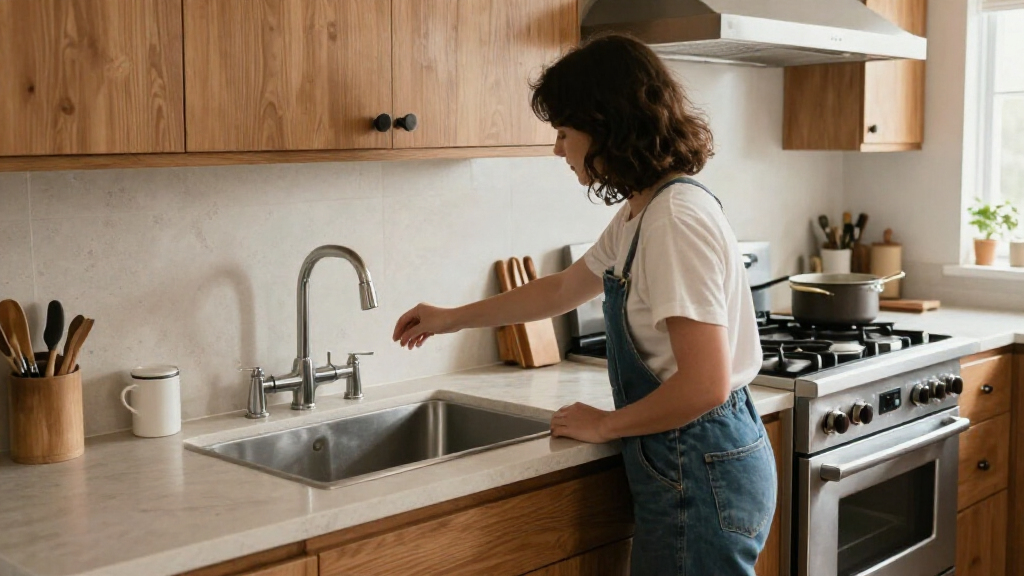
In an Instagram video about her renovation, Walters questioned whether upper cabinets are becoming less common. She argued that removing them can make a kitchen feel more open, create room for a more prominent tile or backsplash design, and avoid the enclosed look she described as a “shoebox.” Her post drew more than half a million views, according to Good Housekeeping’s report.
Many commenters pushed back. Some said upper cabinets are necessary for storing everyday items, and one commenter cited the need to keep glassware out of reach of toddlers. Another characterized a kitchen without uppers as “fashion over function.” One person said they had lived without them for more than a decade but asked for upper cabinets again when planning a new kitchen.
The report also cites the NKBA 2027 Kitchen Trends Report, which found that 27% of designers expect fewer upper cabinets in their cabinet configurations over the next three years. That figure describes designers’ expectations, not a measured share of kitchens already built without uppers. Designer Carol Estes supported the no-upper approach in a comment on Walters’ post, arguing that households can sometimes make it work by reducing what they own.
Storage Versus an Open Kitchen
The debate matters to homeowners because upper cabinets affect both the appearance and everyday use of a kitchen. Removing them can leave more of the wall visible and give a backsplash a larger role, but it also reduces enclosed storage close to the cooking and preparation areas. The impact is likely to depend on how much kitchen equipment a household keeps and what other storage the home offers.
Magan Bouriot, lead interior designer at CRD Design Build, told Good Housekeeping that kitchens without upper cabinets may suit large, high-end homes with a separate pantry better than homes without one. Her point is that a design choice that photographs well may be harder to live with if there is nowhere else to store food, dishes and small appliances. Homeowners weighing a renovation need to consider storage capacity alongside visual style.
The choice is not limited to keeping every cabinet or removing them all. Bouriot suggested glass-front cabinets, selected open shelves or extending the backsplash as ways to create a lighter look while retaining some function. Those alternatives may help homeowners decide how much openness they want without treating social-media examples as a one-size-fits-all plan.
Products Worth Considering

Philips 2200 Series Fully Automatic Espresso Machine with Classic Milk Frother, 2 Coffee Varieties, Intuitive Touch Display, Ceramic Grinder

Traeger Westwood Wood Pellet Grill and Smoker, 653 sq. in., WiFIRE

Ninja Foodi Dual Zone Smart XL Air Fryer, 10 Qt, 6-in-1, Black (DZ550)
As an affiliate, we earn on qualifying purchases.
How the Cabinet Debate Grew
Upper cabinets have long been a standard feature in many kitchens, which is why removing them can read as a significant design departure. Walters’ renovation video gave the question a public forum, but the report does not establish that her project represents the direction of the wider market. The comments show a range of individual experiences rather than a representative survey of homeowners.
The NKBA report offers a separate indicator: 27% of designers surveyed expect fewer upper cabinets in their configurations during the next three years. It points to a possible shift in design practice, but it does not say that most designers expect to remove uppers or that the cabinets are disappearing from kitchens overall. The report’s figure and Walters’ viral post provide different kinds of evidence: stated professional expectations and public reaction to one designer’s renovation.
“Are upper cabinets dying, because this week on ‘things I’m questioning as a designer,’ I’m questioning upper cabinets.”
— Lily Walters, interior designer
What the Trend Data Cannot Show
The cited report gives a percentage of designers who expect to specify fewer upper cabinets over a three-year period, but the source material does not provide the survey sample, full methodology or a comparison with earlier expectations. It also does not establish how many homeowners are currently removing upper cabinets, or whether the designers’ expectations will result in completed projects.
It remains unclear how well a no-upper layout would work for any particular household without details about its pantry, storage needs, budget and kitchen dimensions. Walters’ post and its comments document a lively discussion, but they do not establish that the design is right—or wrong—for most homeowners.
Homeowners Must Weigh Their Storage
The next practical step for anyone planning a kitchen is to map out where dishes, food and appliances will go before committing to fewer or no upper cabinets. That means considering existing pantry space, available lower cabinets and the items used every day. Designers can then compare a fully open wall with partial uppers, glass-front doors or limited shelving.
The NKBA report points to expectations over the coming three years, rather than a confirmed outcome. Whether fewer upper cabinets become more common will depend on how designers and homeowners balance open visual space with accessible storage. For now, the reported figures and reactions show a debate, not a settled replacement for a familiar kitchen feature.
Key Questions
Are designers stopping using upper kitchen cabinets?
The source does not show that designers are stopping. The NKBA 2027 Kitchen Trends Report says 27% expect fewer upper cabinets in their configurations over the next three years; it does not say most designers will remove them.
Why do some designers prefer kitchens without upper cabinets?
Designer Lily Walters said removing uppers can make a kitchen feel more open and leave space for a larger backsplash or tile feature. Other supporters say the room can feel less like a utility space.
What is the main concern about removing upper cabinets?
Storage is the central concern. Magan Bouriot of CRD Design Build said the layout may be less practical for households without a separate pantry or other places to store kitchen items.
Can a kitchen feel open while keeping some cabinets?
Yes. Bouriot suggested glass-front cabinets, selective open shelves or extending the backsplash as alternatives that can preserve some storage while changing the look of the walls.
Source: goodhousekeeping.com