TL;DR

Get kitchen gear delivered free — and shop member deals
- Fast, free delivery on millions of items
- Access to Prime Big Deal Days deals on October 6–7
- Prime Video, Amazon Music and more included
A backup cooking station needs diverse methods, safe fuel storage, and organized gear. Proper planning ensures your household can prepare food safely during outages or emergencies without panic.
When the power goes out, or your gas supply runs dry, your household’s ability to cook and eat safely hinges on one thing: having a backup plan that’s ready to go. It’s not just about having gear stored away; it’s about setting up a system that’s safe, simple, and reliable enough to deploy at a moment’s notice.
Building a backup cooking station might seem daunting, but it’s a crucial step toward self-reliance. Whether you’re prepping for a power outage, an evacuation, or just want peace of mind, this guide will walk you through the essentials. You’ll learn how to choose the right location, diversify your methods, and store fuel safely—all tailored to your space and likely emergencies.
Diversify your cooking methods—combine electric and fuel-based appliances for maximum resilience.
Always store fuel in approved containers, away from heat and ignition sources, and inspect regularly.
Test your setup periodically—know how long appliances run on your power source, and practice deploying your station outdoors.
Prioritize safety: keep alarms, extinguishers, and safety gear on hand, and never use fuel appliances indoors or in enclosed spaces.
Plan your food and water supplies carefully—use perishables early, stock shelf-stable foods, and monitor temperatures to stay safe.
Setting Up a Backup Cooking Station
When the power goes out or your gas supply runs dry, your household’s ability to cook safely hinges on one thing: a system that’s safe, simple, and reliable enough to deploy at a moment’s notice.
Picking the Best Spot for Your Backup Cooker
Location is the most important safety decision. Never use fuel-burning appliances inside a home, garage, basement, vehicle, or enclosed porch—carbon monoxide can accumulate without warning.
Stable & Noncombustible
Place equipment on a sturdy, level surface like concrete or packed dirt. Avoid uneven ground that could tip your stove or grill mid-cook.
Away from Openings
Keep outdoor gear well away from doors, windows, vents, garages, tents, and combustible materials. Follow manufacturer clearance requirements and local fire restrictions.
Rain & Wind Planning
A simple tarp or windbreak helps, but never enclose the appliance. Improvised shelters that trap heat or exhaust create serious hazards.
Why You Need More Than One Cooking Method
Relying on a single fuel or appliance is a major vulnerability. Power outages disable electric stoves, fuel shortages limit gas supply, and weather can hinder outdoor cooking. Diversify your station.
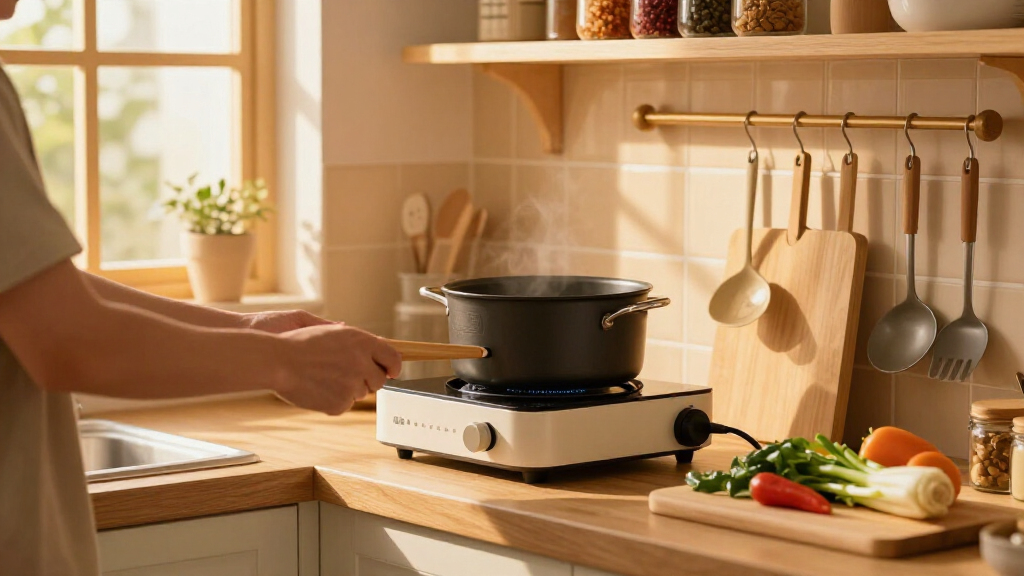
Induction & Hot Plates
Quick and clean, no combustion gases—but demands compatible cookware and substantial electrical power.
Propane & Butane Stoves
Work independently of the grid. Require outdoor use, ventilation, and careful fuel-storage discipline.
Charcoal & Solar Cookers
Charcoal grills offer reliable backup; solar cookers work where climate permits—weather-dependent but fuel-free.
No-Cook Foods
Your final fallback: stock shelf-stable foods that need no preparation at all when every method fails.
Matching Appliances to Your Power Supply
Heating appliances draw far more electricity than phones and lights. Check both continuous wattage and startup surge—and remember that inverter and battery losses reduce your power station’s usable runtime.
Deploying Your Station: The Flow
Practice matters. Know how long your appliances run on your power source, and rehearse deploying the station outdoors before an emergency forces your hand.
Assess
Identify your likely emergency, space limits, and local rules before buying anything.
Stage the Spot
Choose a stable, ventilated outdoor location clear of openings and combustibles.
Inspect Gear
Check hoses, valves, seals, and regulators. Never use damaged components.
Cook & Monitor
Use perishables first, rotate stock, and verify alarms and extinguisher access.
Where You Can Safely Use Each Method
| Method | Indoors | Balcony | Outdoors | Key Requirement |
|---|---|---|---|---|
| Induction cooktop | ✓ | ✓ | ✓ | Circuit or power station must handle the load |
| Electric hot plate | ~ | ✓ | ✓ | Verify continuous wattage on the circuit |
| Propane / butane stove | ✗ | ~ | ✓ | Ventilation; approved fuel storage only |
| Charcoal grill | ✗ | ✗ | ✓ | Noncombustible surface, clear of openings |
| Gasoline generator | ✗ | ✗ | ✓ | Far from openings; transfer equipment only |
| Solar cooker | ✗ | ~ | ✓ | Depends on climate and direct sunlight |
Fuel Storage: The Overlooked Essential
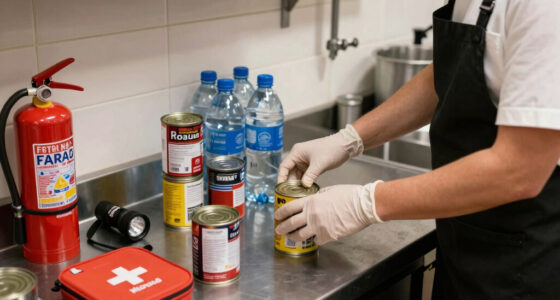
Approved containers only. Keep fuel clearly labeled, away from heat, ignition sources, children, and pets—never in living areas.
Check before every use. Hoses, valves, seals, canisters, and regulators. Do not use damaged, leaking, or rusty components.
Track dates. Rotate fuel where appropriate and monitor expiration and inspection dates on stored supplies.
No improvising. Never refill disposable canisters, mix fuels, or jury-rig adapters—appliances require distinct pressures and regulators.
Research shows that households with a well-organized backup cooking station are 60% more likely to maintain food safety and nutrition during extended power or gas outages. Safety, redundancy, and practice make all the difference—start small, test, tweak, and build your system over time.
How to Pick the Best Spot for Your Backup Cooker
The first step is choosing a spot that’s both safe and accessible. Outdoor space is ideal—think a corner of your yard, a side patio, or even a cleared balcony—if local rules permit. Keep your equipment on a sturdy, noncombustible surface like concrete or packed dirt. Avoid uneven ground that could tip your stove or grill.
Never use fuel-burning appliances inside or in enclosed spaces—carbon monoxide can silently fill the air. Keep outdoor gear well away from windows, vents, or anything that could catch fire. Rain and wind are factors, too: a simple tarp or windbreak can help, but avoid trapping heat or exhaust under improvised shelters. Follow local fire restrictions and manufacturer guidelines to stay safe.
For apartment dwellers, a dedicated, well-ventilated balcony with a fire-safe platform is best. Electric setups—like portable induction burners—can work indoors if your circuit can handle the load. The key is safety first: a stable, well-ventilated, and legally compliant spot makes your backup station both reliable and safe.
As an affiliate, we earn on qualifying purchases.
Why You Need More Than One Cooking Method
Relying on a single fuel or appliance is not just inconvenient—it can be a major vulnerability during emergencies. Different situations can impair certain methods: power outages disable electric stoves, fuel shortages limit gas supply, and weather conditions can hinder outdoor cooking. By understanding the tradeoffs and limitations of each method, you can design a flexible system that ensures continuous food preparation. For instance, electric appliances offer quick, clean cooking but depend on reliable power sources, which may be unavailable in a blackout. Fuel-based options like propane or charcoal are more resilient in some scenarios, but require proper storage, ventilation, and safety precautions. Having multiple methods allows you to adapt to changing circumstances, reduce the risk of total failure, and maintain peace of mind, knowing you can still prepare meals regardless of the situation.
This redundancy is crucial because it minimizes dependence on a single supply chain or technology. For example, a household that relies solely on electric hot plates would be left helpless during a power outage, but adding a propane stove or charcoal grill provides backup options that can be deployed quickly. The tradeoff is that managing multiple methods increases complexity and safety considerations, but the resilience gained far outweighs these challenges. Planning for diverse methods ensures you can keep your household fed without panic, even when conditions are less than ideal.
fuel storage containers for outdoor cooking
As an affiliate, we earn on qualifying purchases.
As an affiliate, we earn on qualifying purchases.
Matching Appliances to Your Power and Fuel Supplies
Understanding your power capacity and fuel availability is not just about matching appliances; it’s about aligning your entire backup system with your specific circumstances and constraints. For example, selecting an electric hot plate requires assessing whether your portable power source—such as a battery bank or generator—can supply enough wattage continuously without overloading or draining too quickly. Conversely, fuel-based appliances like propane stoves depend on safe storage and regular inspection to prevent leaks or accidents. The implications of mismatched equipment are serious: underpowered systems won’t support your needs during a prolonged outage, while unsafe fuel storage can lead to dangerous leaks or fires. Carefully evaluating your available resources and understanding their limitations allows you to choose appliances that provide reliable service without compromising safety or efficiency. This tailored approach ensures your backup system is both practical and safe, giving you confidence that you can rely on it when needed most.
backup power generator for kitchen
As an affiliate, we earn on qualifying purchases.
As an affiliate, we earn on qualifying purchases.
Conclusion
Having a backup cooking station isn’t just about gear; it’s about peace of mind. A simple, well-organized setup can turn a potential crisis into a manageable challenge. Safety, redundancy, and practice make all the difference.
Start small—test, tweak, and build your system over time. When the power cuts out or the gas runs dry, you’ll be ready—feeding your household without panic or hazard, with confidence and skill.
As an affiliate, we earn on qualifying purchases.
Fall Picks
fall essentials
As an affiliate, we earn on qualifying purchases.