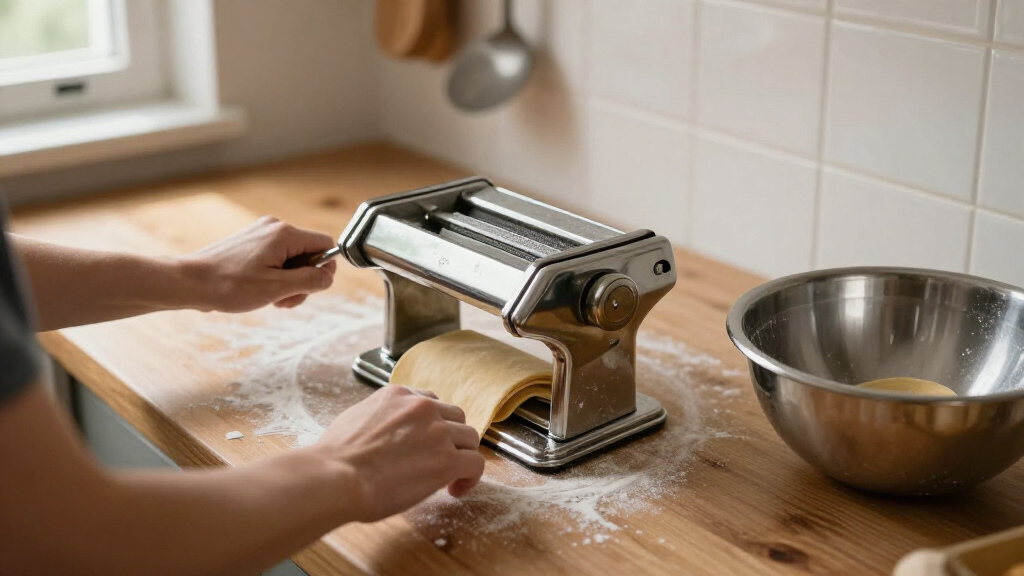
🔍 Read the full analysis: The Pasta Machine Weekend: Rolling Tagliatelle, Pappardelle, And Lasagne Sheets on Mad Tasting

Get kitchen gear delivered free — and shop member deals
- Fast, free delivery on millions of items
- Access to Prime Big Deal Days deals on October 6–7
- Prime Video, Amazon Music and more included
TL;DR
This weekend, home cooks can master fresh pasta making, rolling, and cutting techniques for tagliatelle, pappardelle, and lasagne sheets. Using simple ingredients and a pasta machine, you can create authentic Italian shapes for your favorite sauces.
Home cooks are turning to fresh pasta making this weekend, with many embracing the traditional techniques of rolling and shaping dough into tagliatelle, pappardelle, and lasagne sheets. This resurgence is driven by the desire for authentic, homemade Italian pasta that surpasses dried store-bought varieties in flavor and texture, making it a popular weekend activity for culinary enthusiasts.
According to expert sources, the key to perfect fresh pasta lies in a simple dough of flour and eggs, with the classic Bolognese ratio being one egg per 100 grams of flour. This mixture is kneaded until smooth, rested for at least 30 minutes to relax gluten, then rolled through a pasta machine or with a rolling pin to achieve thin, even sheets. The dough is then cut into shapes suited to specific sauces: narrow ribbons for ragù, wide pappardelle for hearty stews, and uncut sheets for lasagne.
Most home cooks use a manual pasta machine, starting at the widest setting and gradually narrowing to about 1–1.5 mm thickness for ribbons and sheets. The dough is folded and passed through multiple times at the widest setting to develop elasticity and smoothness before thinning. Cutting tools or manual techniques are used to shape the pasta, with tagliatelle typically about 7 mm wide, pappardelle 2–3 cm, and lasagne sheets left uncut for layered dishes.
Cooking fresh pasta takes approximately 90 seconds to 3 minutes, significantly less than dried pasta, and is best cooked in salted boiling water until just tender. Dried pasta can take 9–11 minutes, but fresh pasta offers a more delicate texture and flavor, especially when paired with traditional sauces like Bolognese or béchamel.
Why Homemade Pasta Makes a Difference
Making pasta at home allows for fresh, flavorful dishes that surpass store-bought options in taste and texture. It also provides an engaging culinary experience, connecting home cooks with Italian tradition and craftsmanship. Learning these techniques can elevate everyday meals and foster a deeper appreciation for regional pasta styles, encouraging more home cooking and culinary experimentation.
manual pasta machine for homemade pasta
As an affiliate, we earn on qualifying purchases.
As an affiliate, we earn on qualifying purchases.
Traditional Techniques and Regional Variations
Fresh egg pasta has long been a staple of Italian cuisine, especially in Emilia-Romagna, where tagliatelle originated. The standard ratio of one egg per 100 grams of flour is a centuries-old guideline that ensures the dough is elastic and easy to roll. Historically, different regions have variations, such as using semola for a chewier bite, but the core process remains consistent. The use of pasta machines became widespread in the 20th century, making it easier for home cooks to achieve professional results. This weekend’s focus on rolling and shaping reflects a revival of traditional techniques, emphasizing quality and authenticity.
As an affiliate, we earn on qualifying purchases.
What Remains Unclear About Home Pasta Making
While the basic process is well-established, questions remain about optimal drying and storage techniques for homemade pasta, especially for longer-term use. Variations in flour type, humidity, and equipment can affect results, and there is limited consensus on best practices for drying pasta without risking spoilage or texture loss. Additionally, some home cooks wonder about the precise impact of resting times and thickness settings on the final bite, with personal preferences and equipment differences influencing outcomes.
As an affiliate, we earn on qualifying purchases.
Next Steps for Home Pasta Enthusiasts
After mastering basic dough preparation and shaping, home cooks are encouraged to experiment with different sauces and fillings, refining their techniques for each pasta shape. Local cooking classes or online tutorials can further improve skills, while trying different flour blends may yield unique textures. In the coming weeks, some may explore drying methods for storage or attempt to make filled pasta like ravioli, building on the foundational skills developed this weekend.
As an affiliate, we earn on qualifying purchases.
Key Questions
Can I make pasta without a machine?
Yes, a rolling pin can be used to roll out the dough, but a pasta machine provides more uniform thickness and easier shaping, especially for beginners.
How long should I rest the pasta dough?
The recommended resting time is at least 30 minutes at room temperature, which helps relax gluten and makes rolling easier.
What flour is best for homemade pasta?
’00’ flour is ideal for its fine milling and softness, but all-purpose flour can be used with extra kneading to achieve similar results.
How do I prevent fresh pasta from sticking during cooking?
Salt your water generously, cook in plenty of boiling water, and avoid adding oil. Dry the pasta slightly before cooking if prepared in advance.
How can I store homemade pasta for later use?
Dry the pasta on a floured surface for 15–30 minutes, then store in an airtight container in the fridge for up to 2 days or freeze for longer storage.
Source: Mad Tasting
Evergreen bestsellers Picks
bestsellers
As an affiliate, we earn on qualifying purchases.