TL;DR
Listen free for 30 days with Audible
Thousands of audiobooks and originals — cancel anytime.
Start your free trialAs an affiliate, we earn on qualifying purchases.
A well-maintained patina protects your carbon steel knife from rust and adds unique character. Regular use, gentle cleaning, and periodic acid reapplication keep it in top shape. Proper care turns your knife into a lifelong, beautiful companion.
Imagine slicing into a ripe tomato, the rich, dark hue of your knife’s patina glinting in the light. That surface isn’t just for looks — it’s a living shield built from your daily use and care. Maintaining that patina isn’t about chasing perfection; it’s about forging a relationship with your blade that boosts its performance and personality.
In this guide, you’ll learn how to nurture and enhance your knife’s natural patina, turning it into a rugged, reliable tool that ages beautifully with you. Whether you’re new to carbon steel or looking to refine your technique, understanding the ins and outs of patina care will make your knife last longer and work better.
Consistent, gentle use and cleaning foster a beautiful, durable patina that protects your knife.
Reapplying acids like lemon juice or vinegar every few weeks deepens and refreshes the patina naturally.
Avoid abrasive cleaners or steel wool, which can damage the patina and the blade’s surface.
Balance oiling with cleaning to prevent rust without stripping the patina’s character.
Understanding the difference between natural and artificial patinas helps you choose what fits your style and patience.
How to Maintain a Carbon Steel Knife’s Patina
A patina is more than a mark of age — it’s a living shield built from your daily use and care. Learn how regular use, gentle cleaning, and periodic acid reapplication keep your blade protected, sharp, and full of character for decades.
Five Key Takeaways
Gentle & Consistent Care
Consistent, gentle use and cleaning foster a beautiful, durable patina that protects your knife from rust and corrosion.
Reapply Acids Periodically
Lemon juice or vinegar every few weeks deepens and refreshes the patina naturally — but use it judiciously to avoid dark spots.
No Abrasive Cleaners
Steel wool and gritty scrubbers can scratch or remove the patina, undermining both its protective function and its character.
Balance Oil & Cleaning
A thin coat of mineral oil prevents rust without stripping the patina — moderation is key, as overoiling attracts dirt.
Natural vs. Artificial Patina
Understanding the difference between slow organic development and forced oxidation helps you choose what fits your style and patience.
A Lifelong Companion
Proper care turns your knife into a rugged, reliable tool that ages beautifully with you — one-of-a-kind, like a fingerprint.
The Patina Care Cycle
Patina formation is a natural, ongoing process. Each step in this cycle subtly alters the surface, gradually building a resilient, character-rich layer that can’t be rushed.
Use on Acids
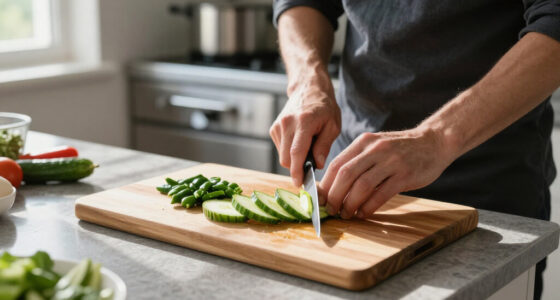
Slice tomatoes, lemons, or onions. Food acids accelerate oxidation naturally.
Rinse Gently
Warm water and a soft sponge. Skip dish soap that strips protective oils.
Dry Immediately
Moisture is the primary enemy. Towel-dry right away to prevent rust spots.
Refresh with Acid
Every few weeks, apply lemon juice or vinegar for a few minutes, then rinse.
Oil Thinly
A light mineral oil coat seals out moisture — especially for knives not used daily.
What Works, What Damages
Natural vs. Forced Patina — Do & Don’t
| Practice | Develops Patina | Protects Blade | Risk Level | Recommended |
|---|---|---|---|---|
| Chopping citrus & onions | ✓ Natural | ✓ Yes | Low | ✓ Daily |
| Warm water + soft sponge | ~ Preserves | ✓ Yes | Low | ✓ Every use |
| Lemon / vinegar soak (minutes) | ✓ Deepens | ✓ Yes | ~ Overuse darkens | ✓ Every 2–3 wks |
| Mustard application | ✓ Fast | ~ Uneven | ~ Patchy results | ~ Occasionally |
| Thin mineral oil coat | ~ Neutral | ✓ Yes | Low | ✓ Weekly |
| Dishwasher cleaning | ✗ Strips | ✗ Harmful | High | ✗ Never |
| Steel wool / abrasive pads | ✗ Removes | ✗ Scratches | High | ✗ Never |
From Blade to Shield
When Things Go Wrong
Uneven color or small rust spots?
Gently reapply vinegar or lemon juice to the affected area, then wipe with a soft cloth. If spots stubbornly persist, carefully sand with fine-grit sandpaper — but treat this strictly as a last resort. Remember: rushing the patina process may cause uneven patches or overly dark areas that compromise the natural beauty of your finish.
What is a patina, and why does it matter?
The patina is a thin layer of oxidation that develops naturally on carbon steel over time. It’s a complex mix of iron oxides and other compounds that form when the steel reacts with acids and moisture in your kitchen. Think of it as a protective armor that prevents rust and corrosion, but also a living record of your knife’s history. This layer is not static; it evolves based on your usage and care, which means it’s a dynamic feature of your blade’s character.
Understanding why the patina matters goes beyond aesthetics. A well-developed patina creates a barrier that inhibits oxygen and moisture from reaching the metal surface, significantly reducing the risk of rust. It also influences how the knife performs—smoother, more stable, and less prone to sticking or uneven cutting. Moreover, the patina’s unique patterns and hues reflect your personal use, making each knife truly one-of-a-kind. Investing in a healthy patina means extending your knife’s lifespan, maintaining its sharpness, and preserving its beauty over decades. It’s a symbiotic relationship—your care shapes the patina, and the patina, in turn, protects and enhances your knife’s function and charm.
carbon steel knife maintenance kit
As an affiliate, we earn on qualifying purchases.
As an affiliate, we earn on qualifying purchases.
How to develop a natural patina on your knife
- Use your knife on acidic foods like tomatoes, lemons, or onions. The acids in these foods accelerate oxidation, creating a darker, more uniform, and resilient patina. This process is akin to giving your blade a gentle, natural aging—each cut etches character and depth into its surface.
- Eat a lot of citrus while chopping. The natural acids in your food do the work for you, turning routine prep into a collaborative process with your knife. Over time, this builds a layer of protection that’s both functional and beautiful.
- For faster results, apply a small amount of mustard, vinegar, or lemon juice directly on the blade. Let it sit for a few minutes, then rinse. This targeted approach allows you to influence the aesthetic and durability of your blade, but be aware that repeated application can sometimes lead to uneven coloration or overly dark spots if not monitored carefully. The tradeoff is between quick visual results and maintaining the natural, organic development of the patina.
- Repeat these steps over days or weeks, and the patina will deepen organically. Patience is key—each application subtly alters the surface, gradually building a resilient, character-rich layer that can’t be rushed. Rushing the process may cause uneven patches or overly dark areas, which could compromise the uniformity and natural beauty of your patina over time.
For instance, every time you prepare a salad with vinegar or lemon, you’re contributing to the patina’s growth. It’s a slow, satisfying process—like watching your knife develop a personality that reflects your culinary journey. Remember: avoid harsh scrubbing or abrasive pads during this process, as they can damage the delicate surface and compromise the integrity of the developing patina. Gentle, consistent care ensures a beautiful, functional finish that ages gracefully, creating a layered, resilient surface that balances aesthetics and protection.
By understanding that patina formation is a natural, ongoing process, you embrace a more meaningful relationship with your blade—one rooted in patience, regular use, and gentle nurturing. This approach underscores the importance of respecting the natural evolution of the patina, which can be a source of pride and connection to your craft.
As an affiliate, we earn on qualifying purchases.
How to maintain and deepen your patina without damaging it
Maintaining your patina involves a delicate balance: you want to preserve its protective qualities and aesthetic appeal while preventing rust or damage. This requires understanding how your care routine influences the patina’s evolution, and how to intervene without stripping away its character. Proper maintenance can deepen the patina’s richness and resilience, but overdoing it or using harsh tools can strip away the very layer that provides protection and aesthetic appeal. The key is mindful, consistent care that respects the natural process and recognizes the tradeoffs involved.
- Wash your knife with warm water and a soft sponge after use. Avoid dish soap, which can strip away the patina’s surface oils and protective layer, potentially exposing the steel to rust. Gentle cleaning preserves the patina’s integrity and allows it to continue developing naturally, but excessive scrubbing or harsh detergents can erode the layer over time, reducing its protective benefits.
- Dry immediately with a towel to prevent moisture from causing rust. Moisture is the primary enemy—quick drying ensures your blade remains in optimal condition, and the patina stays intact. Failing to dry thoroughly can lead to localized rust spots, which may require more aggressive correction later.
- Every few weeks, reapply a small amount of lemon juice or vinegar. This refreshes the oxidation process, deepening the patina’s hue and strengthening its protective layer. Let it sit for a few minutes before rinsing and drying—this controlled intervention is a way to reinforce the natural aging process but should be used judiciously. Overapplication can cause uneven darkening or overly thick spots, which might require corrective polishing.
- Use a non-abrasive cloth or sponge. Steel wool or gritty scrubbers can scratch or remove the patina, undermining its protective function and aesthetic appeal. Gentle handling preserves the delicate surface, allowing the patina to develop evenly and maintain its character over time.
- Apply a thin coat of mineral oil after cleaning to prevent rust, especially if you aren’t using the knife daily. Oil acts as a barrier against moisture, supporting the patina’s longevity without altering its appearance. Overoiling, however, can create a sticky film that attracts dirt, so moderation is key.
For example, if your knife shows signs of uneven coloring or small rust spots, gently reapply vinegar or lemon juice, then wipe with a soft cloth. If spots stubbornly persist, carefully sand the area with fine-grit sandpaper—this should be a last resort, used sparingly to avoid removing too much material or damaging the patina’s character. This process involves balancing correction with preservation, understanding that aggressive removal can reset the aging process and may require re-establishing the patina from scratch. The overarching principle is consistent, gentle care—this approach ensures your patina remains both beautiful and functional, aging gracefully over time, with each step reinforcing its protective qualities and visual appeal.
Remember: patience and light touch are your best tools. Proper maintenance isn’t just about preserving the look; it’s about sustaining the protective, character-building layer that makes each knife unique and durable. Recognizing the tradeoffs—such as the risk of over-polishing or stripping the patina—is essential to making informed decisions that preserve your knife’s integrity and beauty for years to come.
As an affiliate, we earn on qualifying purchases.
Frequently Asked Questions
How often should I reapply acid to deepen my patina?
Reapply lemon juice or vinegar every 2-4 weeks, depending on how quickly you want the patina to develop. Pay attention to the surface—if it’s deepening in hue and looks more uniform, you’re on the right track. Overdoing it can lead to an overly dark or uneven surface, so moderation is key. The goal is a balanced, resilient layer that enhances both appearance and protection, so adjust frequency based on your environment and aesthetic preference.Can I use lemon juice or mustard regularly without damaging my knife?
Yes, in moderation. These acids are gentle enough to promote patina growth when used sparingly and rinsed thoroughly afterward. Regular, light applications help build and maintain the protective layer without harming the steel. The tradeoff is that overuse or prolonged contact can cause uneven coloration or minor surface etching, so always follow with proper rinsing and drying. Think of it as a subtle dialogue—gentle enough to influence the surface but not so harsh as to damage it.What’s the best way to fix uneven spots or blotches?
Address uneven spots by gently rubbing with a soft cloth dipped in lemon juice or vinegar. This encourages oxidation in specific areas and can help even out the coloration. For stubborn or darker patches, carefully sand with fine-grit sandpaper—always moving with the grain to avoid scratches. This process should be gentle and deliberate, aimed at smoothing out irregularities while preserving the patina’s natural character. After correction, reapply a light coat of oil to restore the protective layer and ensure a consistent, attractive appearance. Patience and gentle handling are essential—quick fixes may cause more harm than good, so take your time to achieve a natural, even finish.How do I prevent rust while maintaining a patina?
Prevent rust by immediately drying your knife after cleaning and applying a thin, even layer of mineral oil. This creates a barrier that repels moisture, which is the primary cause of rust. Store your knife in a dry, cool place—preferably in a sheath or a dedicated storage block—to minimize exposure to humidity. Regular maintenance, including oiling and gentle cleaning, reinforces this barrier. Be vigilant for any signs of rust or discoloration, and address them promptly with light reapplications of acid and oil. Remember, a good patina acts as a natural rust inhibitor, but it’s not foolproof—your ongoing care is what truly keeps your blade in prime condition. Neglecting these steps can lead to spots or corrosion, which may require more extensive correction or even blade restoration later.Should I remove my patina if I don’t like it?
You can remove or significantly alter the patina by sanding or polishing the blade to reveal a new surface. This is often done with fine-grit sandpaper or polishing compounds. However, removing the patina exposes the steel directly to moisture and oxygen, increasing the risk of rust until a new patina develops through use. This process is a tradeoff—while it allows you to start fresh or change the look, it temporarily sacrifices the protective layer. If you choose to remove your patina, be prepared for a period of increased maintenance and rust prevention until a new patina naturally forms again. It’s a balancing act—removing the old surface can refresh your aesthetic, but it requires ongoing effort to protect the newly exposed steel and rebuild the protective layer.natural patina care for carbon steel knives
As an affiliate, we earn on qualifying purchases.
As an affiliate, we earn on qualifying purchases.
Conclusion
Your carbon steel knife’s patina isn’t just a surface — it’s a living record of your care and use. Nurture it with gentle cleaning, occasional acid reapplications, and proper oiling, and it will serve you for decades. Think of it as a badge of resilience, aging beautifully alongside your skills in the kitchen.
Remember: patience and consistency turn a simple blade into a treasured, character-rich tool. Every scratch and stain tells a story — make sure it’s one you’re proud of.
Flea & tick season Picks
flea and tick prevention
As an affiliate, we earn on qualifying purchases.