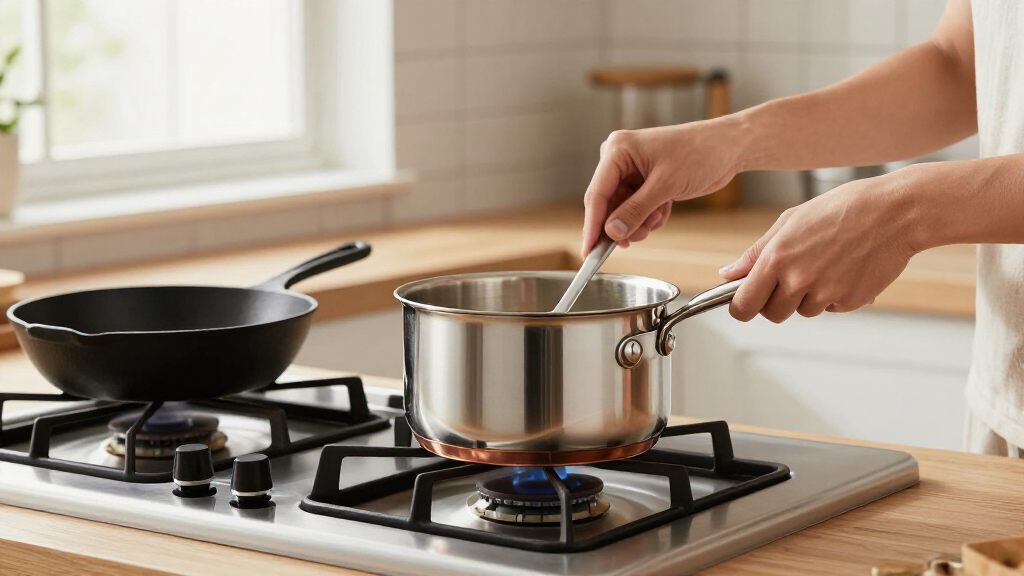

TL;DR

Get kitchen gear delivered free — and shop member deals
- Fast, free delivery on millions of items
- Access to Prime Big Deal Days deals on October 6–7
- Prime Video, Amazon Music and more included
Cookware metals vary in heat conduction, durability, reactivity, and cost. Copper heats fastest but costs more; cast iron lasts forever; aluminum is lightweight. Choosing the right metal depends on your cooking habits and maintenance willingness.
Ever wonder why your cast iron skillet feels different from your aluminum pot? Or why some cookware costs a fortune while others are budget-friendly? The secret lies in the metal. Each metal heats, reacts, and lasts differently. Knowing these differences helps you pick tools that fit your cooking style, your budget, and your patience for maintenance.
In this guide, you’ll learn what makes each metal unique, how they perform in real kitchens, and which ones suit your off-grid, hand-powered lifestyle best. No fluff, just solid facts you can use every day.
Copper is unmatched for quick, even heat but requires regular polishing and reacts with acids.
Aluminum is lightweight, heats fast, and is affordable, but needs anodizing or coating to prevent reactivity.
Stainless steel offers durability and non-reactivity, making it ideal for versatile, low-maintenance kitchens.
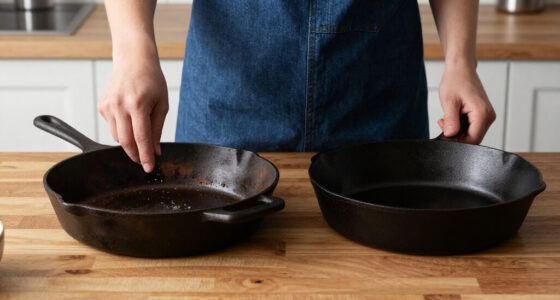
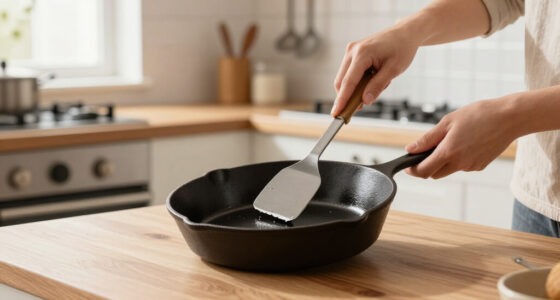
Cast iron excels at heat retention, durability, and seasoning—perfect for off-grid, long-term use.
Layered cookware combining metals can maximize performance, balancing speed, durability, and ease of care.
The Difference Between Cookware Metals
Copper responds in seconds. Cast iron holds heat like a battery. Aluminum saves weight and fuel. Stainless steel survives daily abuse. The right choice depends on what you cook, where you cook, and how much maintenance you will actually do.
Copper conducts heat nearly twice as well as aluminum.
That precision carries a premium: copper is costly, relatively soft, and reactive unless lined with tin or stainless steel.
Five metals, five different jobs
Cookware performance is a tradeoff among responsiveness, heat retention, weight, durability, food reactivity, and price. No single material wins every category.
Copper
Unmatched temperature response and remarkably even heating. Best for sauces, sugar work, and cooks who value immediate control.
Aluminum
Lightweight, affordable, and highly conductive. Anodized or coated versions prevent reactivity and improve scratch resistance.
Stainless Steel
Durable, corrosion-resistant, and non-reactive. A bonded aluminum or copper core fixes its naturally modest conductivity.
Cast Iron
Slow to warm but exceptional at retaining heat. Seasoning creates a resilient cooking surface suited to searing and open fire.
Titanium
Light, strong, and highly corrosion-resistant. Its uneven heating makes it more useful for boiling than precision cooking.
Layered Metal
Stainless surfaces wrapped around a conductive core combine fast, even heat with durability and non-reactivity.
Copper, aluminum, or steel?
Copper dominates heat control, aluminum supplies value and portability, while stainless steel is the durable everyday choice—especially in bonded construction.
| Feature | Copper | Aluminum | Stainless steel | Cast iron |
|---|---|---|---|---|
| Heat behavior | ✓Exceptional response | ✓Fast and even | ~Moderate unless layered | ~Slow, superb retention |
| Durability | ~Soft; can scratch | ~Can dent or warp | ✓Lasts for decades | ✓Can last generations |
| Food reactivity | ✗Needs a lining | ✗Coat or anodize | ✓Non-reactive | ~Avoid long acidic cooks |
| Weight | ✗Heavy | ✓Light | ✓Light to moderate | ✗Very heavy |
| Maintenance | ✗Polish; inspect lining | ~Protect the surface | ✓Easy routine care | ~Dry and season |
| Best use | Sauces and precision | Quick meals and off-grid | Everyday versatility | Searing and slow cooking |
Induction note: cast iron works naturally. Stainless cookware needs a magnetic base. Copper and aluminum require a bonded ferromagnetic layer.
How quickly heat moves
Higher thermal conductivity means faster response to burner changes and fewer hot spots. Retention is different: dense cast iron changes temperature slowly but stays hot longer.
RELATIVE THERMAL CONDUCTIVITY · REPRESENTATIVE VALUES VARY BY ALLOY
Rapid response supports quick temperature changes.
Stored heat recovers after cold food hits the pan.
A non-reactive surface protects flavor and color.
A conductive core meets a durable cooking surface.
Match the metal to the task
The smartest cookware collection is usually mixed. Choose each piece for its job instead of expecting one material to behave perfectly everywhere.
Fuel, fire, weight, resilience
Thick aluminum heats rapidly and conserves fuel. Cast iron tolerates open flames and stabilizes uneven fire heat. Stainless steel offers a practical middle ground when portability and easy cleanup both matter.
Use lined copper, aluminum, or quality clad steel.
Choose cast iron or thick stainless-clad cookware.
Aluminum minimizes both fuel use and pack weight.
Stainless steel handles varied foods with little fuss.
From kitchen habit to metal
Start with the heat behavior your food needs, then filter by environment, food acidity, maintenance tolerance, and budget.
Sear, simmer, sauté, bake, or boil?
Fast response or long heat retention?
Will acids touch a reactive surface?
Polishing, seasoning, or simple washing?
Match weight and price to actual use.
Maintenance without the drama
Good care protects performance. The ideal metal is not merely the one you can afford—it is the one whose routine you are willing to maintain.
Stainless steel
Wash normally, soak stubborn residue, and use a mild cleaner for heat stains.
Anodized aluminum
Avoid harsh abrasives and protect the anodized or non-stick cooking surface.
Cast iron
Dry promptly, apply a thin oil layer, and refresh seasoning when needed.
Copper
Polish exterior tarnish and monitor tin or stainless linings for wear.
Safe surfaces, smarter spending
Reactive does not automatically mean unusable. It means the cooking surface needs the right lining, coating, seasoning, or food choice.
Copper and bare aluminum
Acidic foods can affect flavor, color, and the cookware surface. Choose lined copper or anodized and coated aluminum for frequent tomato, citrus, or vinegar cooking.
- Inspect linings and coatings for damage.
- Avoid long acidic simmers on bare reactive metal.
- Replace or re-tin worn copper interiors.
Stainless and protected aluminum
Stainless steel is the dependable choice for acidic recipes. Modern multilayer cookware places conductive metal inside and durable stainless steel where food touches.
- Choose bonded construction for more even heating.
- Use magnetic stainless bases for induction.
- Prioritize thick, stable construction over branding.
Why Metal Matters: The Key to Better Cooking
The metal your cookware is made of dramatically affects how it heats, how long it lasts, and how much care it needs. Imagine roasting vegetables on a copper pan that heats evenly in seconds versus a cast iron skillet that takes forever to warm up but keeps heat like a cozy blanket. Metal choice shapes your entire cooking experience.
Understanding the core differences helps you avoid surprises—like burning sauce because of hot spots or ruining a delicate dish on a reactive surface. Metal isn’t just a material; it’s the backbone of your cooking routine.
As an affiliate, we earn on qualifying purchases.
Copper, Aluminum, or Steel? Comparing the Big Three
| Feature | Copper | Aluminum | Stainless Steel |
|---|---|---|---|
| Heat Conductivity | Excellent: 400 W/mK | Very Good: 235 W/mK | Moderate: 15 W/mK (layered with copper/aluminum) |
| Durability | Moderate: prone to scratches and tarnish | Moderate: softer, can warp | High: scratch-resistant, lasts decades |
| Reactivity | High: reacts with acids, turns patina | High: reacts unless anodized or coated | Low: non-reactive |
| Cost | High: premium price | Moderate: affordable but varies | Moderate to high: depends on quality |
| Weight | Heavy | Light | Light to moderate |
This table shows that copper is king for heat, but it demands care and a higher price. Aluminum offers great heat without the weight, while stainless steel balances durability and versatility, especially when layered with other metals.
As an affiliate, we earn on qualifying purchases.
How Your Choice of Metal Changes Your Cooking Game
If you’re making a quick stir-fry, copper’s speed and even heat distribution can make a big difference. For slow roasting or searing, cast iron’s heat retention shines. Aluminum’s lightweight design is perfect for handling and quick heating, especially on an off-grid stove where every watt counts.
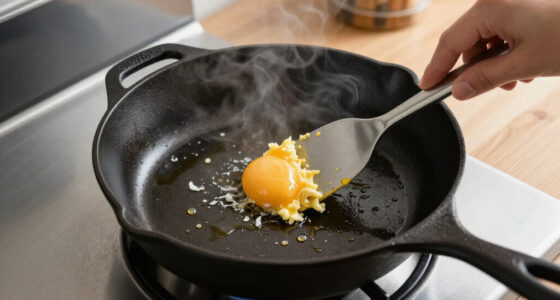
For example, a home cook using an aluminum pan to fry eggs notices how fast it heats and cools—perfect for delicate control. Meanwhile, a chef searing steaks on a cast iron skillet appreciates the even, high heat that creates a perfect crust.
As an affiliate, we earn on qualifying purchases.
Caring for Different Metals Without Losing Your Mind
Each metal needs specific TLC to stay at its best. Copper and uncoated aluminum love a good polish—think of a bright shine that makes your pan look new. Stainless steel is low-maintenance but benefits from careful cleaning to avoid stains. Cast iron needs seasoning—an ongoing ritual that builds a natural non-stick surface over time.
Proper care extends the life of your cookware and preserves its performance. For instance, polishing copper restores its vibrant luster, which is not just aesthetic but also prevents tarnish buildup that can corrode the metal over time. Seasoning cast iron creates a natural non-stick layer, reducing the need for synthetic coatings and making it more resilient to rust and damage. Recognizing each metal’s needs helps you avoid costly replacements and keeps your kitchen running smoothly.
As an affiliate, we earn on qualifying purchases.
Is Expensive Copper Worth the Cost? When to Save or Splurge
Copper cookware costs anywhere from $100 to $300+ per piece. It heats quickly and evenly, making it a favorite for chefs and serious home cooks. But it’s reactive and needs regular polishing. If you love precision and don’t mind the upkeep, copper can be a joy to cook with.
On the other hand, stainless steel offers durability and low fuss at a more affordable price—perfect for everyday use, especially when you need versatile, all-around cookware. For off-grid kitchens, lightweight aluminum or cast iron might be the best bang for your buck, combining durability with ease of handling.
Choosing between these options means weighing your priorities: if you value perfect heat control and don’t mind maintenance, copper is worth the splurge. If you prefer durability, ease, and lower costs, stainless steel or cast iron might better suit your lifestyle. The right choice aligns with how often and what you cook, as well as how much effort you’re willing to invest in upkeep.
Choosing the Right Metal for Your Off-Grid Kitchen
In an off-grid setting, weight, durability, and ease of maintenance matter more than ever. Cast iron is a favorite—heavy but built to last generations, it can handle open fires and rough handling. Aluminum is light enough to carry around, heats fast, and cleans up easily. Stainless steel offers a solid middle ground—resilient and dishwasher safe, if you have power and water supply.
Imagine cooking beans over a campfire in a cast iron Dutch oven. The heavy metal absorbs and radiates heat evenly, making your meal perfectly cooked even with minimal adjustments. Aluminum pots with thick walls heat quickly, saving fuel. Stainless steel can be your versatile, all-purpose workhorse that withstands the bumps of off-grid life.
Understanding these materials’ strengths and limitations helps you select cookware that matches your environment and lifestyle. For instance, choosing cast iron for its durability and heat retention ensures your meals are consistent, even with variable fire conditions. Aluminum’s rapid heating reduces fuel consumption, which is crucial in remote settings. Stainless steel offers a balance of resilience and ease of cleaning, making it a practical choice when resources are limited but versatility is needed.
The Truth About Reactivity and Food Safety
Reactive metals like copper and aluminum can change the flavor and appearance of your food. Think of a tomato sauce turning a dull gray or a lemon curd tasting metallic. If you cook acidic foods often, opt for non-reactive metals like stainless steel or anodized aluminum.
When cooking with reactive metals, it’s best to use lined or coated cookware. Copper pans with tin or stainless steel linings are common. Aluminum non-stick or anodized options prevent food from reacting while still offering excellent heat conduction. This prevents unwanted flavors, preserves the integrity of your dishes, and extends the lifespan of your cookware.
Should You Stick to One Metal or Mix and Match?
Many chefs and home cooks use layered cookware—think stainless steel with a copper or aluminum core. This design combines the best of both worlds: quick, even heating plus durability and easy cleaning. Layered cookware allows you to optimize performance for different cooking tasks, balancing heat responsiveness with longevity.
If you’re off-grid or minimalist, sticking to one material might be simpler. Cast iron and aluminum are easy to maintain and versatile enough for most tasks, especially if you know their quirks. However, layering allows for tailored performance, such as a stainless steel exterior with an aluminum core for fast and even heating, giving you flexibility without sacrificing durability.
Frequently Asked Questions
Is copper cookware safe for everyday cooking?
Copper is safe if properly lined with a non-reactive metal like stainless steel or tin. Unlined copper reacts with acids, which can alter flavors and tarnish the metal. Proper lining prevents direct contact with reactive copper, ensuring food safety and maintaining cookware appearance. Regular inspection and lining maintenance are key to safe, long-term use.
How do I prevent aluminum from reacting with food?
Choose anodized aluminum or aluminum with a non-stick coating. These treatments create a durable barrier that prevents reactivity and corrosion. Anodizing hardens the surface, making it resistant to acids and scratches, while non-stick coatings prevent food from sticking and reacting. This ensures your dishes retain their true flavors and your cookware stays in good condition longer.
Which metal is best for induction cooking?
Stainless steel and cast iron are naturally ferromagnetic, making them ideal for induction stoves. Aluminum and copper do not contain magnetic properties unless specifically layered with a magnetic core, such as a steel base. Many modern layered pans incorporate a steel layer within aluminum or copper to combine excellent heat conduction with induction compatibility, giving you versatile options for all cooktops.
How often should I polish my copper cookware?
Polishing frequency depends on usage and environment, but generally, every few months is sufficient to maintain its bright appearance. Regular cleaning with gentle copper cleaners or natural remedies like vinegar, salt, and flour can remove tarnish and restore shine. Consistent care prevents dullness and preserves the cookware’s aesthetic appeal, ensuring it remains a beautiful and functional part of your kitchen for years to come.
Conclusion
Choosing the right cookware metal isn’t just about price or looks. It’s about matching your cooking style, maintenance willingness, and environment. A good set of pots and pans, suited to your needs, can last a lifetime—and make every meal a joy.
Remember, the metal you pick shapes your kitchen’s rhythm. Think about what you cook most, how much effort you want to spend caring for your tools, and what your budget allows. Your perfect cookware match is out there—waiting for you to find it.
Fall Picks
fall essentials
As an affiliate, we earn on qualifying purchases.