TL;DR
Cooking eggs in cast iron without sticking depends on a well-seasoned pan, proper preheating, and enough fat. The right temperature and patience turn a sticky disaster into a perfect breakfast staple.
Preheat cast iron thoroughly — water should dance and shimmer before adding fat or eggs.
Use enough fat — about 1–2 teaspoons of oil or butter for a 10-inch skillet — to create a slick surface.
Cook eggs on medium-low heat; too hot causes sticking and rubbery whites.
Regularly cook eggs with fat to build and maintain a nonstick seasoning layer.
Clean and re-season your pan as needed — a smooth surface makes all the difference.
Cooking Eggs in Cast Iron Without Sticking
A smooth release is not magic. It comes from a seasoned surface, a thoroughly preheated skillet, enough fat, gentle heat, and the patience to let egg whites set before moving them.
Three conditions must meet at the pan.
Egg proteins can grip cast iron’s microscopic texture. Seasoning fills irregularities, heat encourages fast surface setting, and fat provides a lubricating barrier.
Build the seasoning
Repeated thin layers of polymerized oil create a smoother patina. A new or stripped skillet can cook eggs, but it needs more fat and more care.
Preheat completely
Warm the skillet for 3–5 minutes over medium-low to medium. Water droplets should dance and sizzle—not sit still or vanish instantly.
Add fat after heat
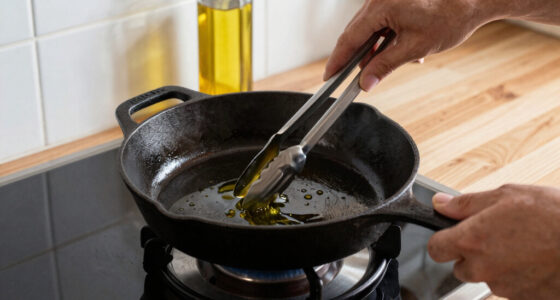
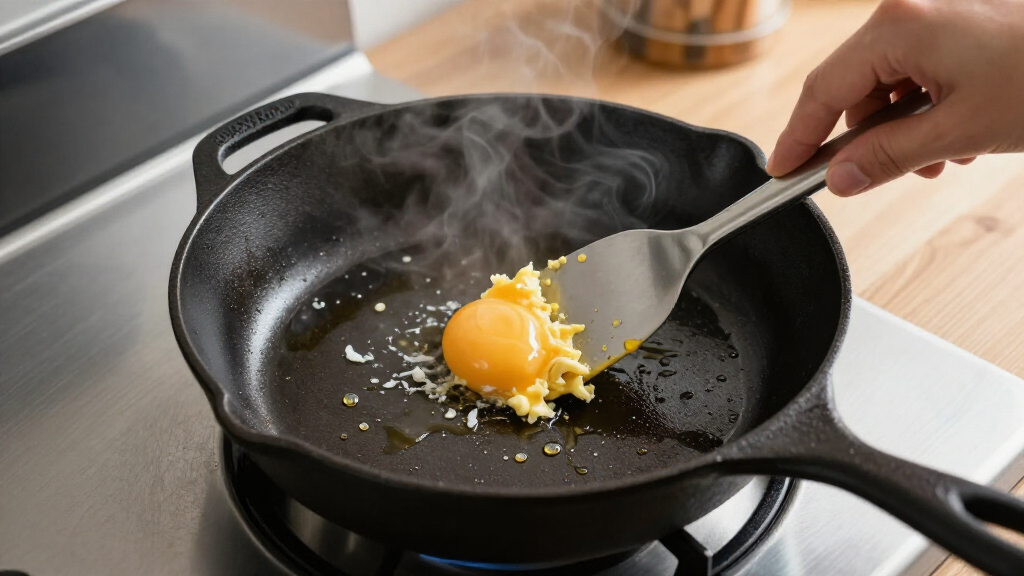
Coat the full cooking surface with 1–2 teaspoons of butter, oil, ghee, or bacon grease. Wait for shimmer or gentle foaming.
From cold skillet to clean release.
Each stage protects the next. Skip one, and egg proteins gain a chance to bond directly to the iron.
Warm slowly
Preheat the empty skillet for 3–5 minutes.
Test the pan
Look for water that dances and sizzles.
Coat with fat
Cover the cooking surface edge to edge.
Add the eggs
Keep the burner at medium-low and stay gentle.
Wait, then lift
Let whites set before nudging a thin spatula underneath.
Choose flavor, coverage, and heat tolerance.
The best fat is one you use generously enough to create an unbroken film. Add it only after the skillet has preheated.
| Cooking fat | Release | Heat tolerance | Flavor | Best use |
|---|---|---|---|---|
| Butter | ✓ Excellent | ~ Moderate | Rich, browned | Fried and scrambled eggs |
| Ghee | ✓ Excellent | ✓ High | Buttery, nutty | Reliable everyday release |
| Neutral oil | ✓ Strong | ✓ High | Minimal | Even coating and crisp edges |
| Bacon grease | ✓ Strong | ~ Moderate | Smoky, savory | Classic breakfast cooking |
| No added fat | ✗ Unreliable | ✗ Unforgiving | Neutral | Only for exceptional seasoning |
Technique matters more than viral “egg tests.”
Minimal-fat sliding demonstrations usually depend on mature seasoning and carefully controlled heat. Everyday success comes from balancing all five factors.
Relative impact on release
A practical weighting of the variables that most often decide whether eggs stick.
Find the heat sweet spot
Cast iron stores heat aggressively. Medium-low offers control without leaving the surface too cool.
Read the symptom, then correct the cause.
Persistent sticking is useful feedback. Check temperature and fat first; refresh the seasoning only when technique is already sound.
Pan too cool or too dry
Preheat longer, then apply enough fat to make the entire surface visibly slick.
Stored heat is too high
Lower the burner before adding eggs. Cast iron keeps climbing after the initial warm-up.
The whites have not set
Wait until the edges look firm. Then slide in a thin metal fish spatula or firm silicone edge.
Seasoning is uneven
Remove rough residue with salt, a gentle brush, or chainmail, then dry and oil the skillet.
When technique is right but sticking remains
Restore a thin, even polymerized layer rather than leaving a thick or gummy oil coating.
Better guidance for a modern skillet.
Good seasoning is durable, but it is not indestructible. Sensible cleaning and regular cooking usually improve egg performance.
“Cast iron is naturally nonstick.”
It is conditionally nonstick. Seasoning, fat, temperature, and timing work together.
“A new skillet cannot cook eggs.”
It can, but rougher or newer seasoning generally requires more fat and gentler handling.
“Never use soap or scrubbers.”
Mild soap, salt scrubs, gentle brushes, and careful chainmail use can keep the surface clean and smooth.
Why do eggs stick in a seasoned pan?
The most common causes are incomplete preheating, too little fat, excessive heat, or moving the eggs before the whites set.
How much fat should I use?
Start with 1–2 teaspoons for a 10-inch skillet—enough to coat every part of the cooking surface.
What heat setting works best?
Medium-low is the dependable starting point. Adjust for your burner and the thickness of your particular skillet.
Why Your Eggs Keep Sticking and How to Fix It
Eggs stick mainly because the pan isn’t hot enough, or the seasoning isn’t built up enough. When the surface isn’t properly layered with polymerized oil, proteins bond directly to the metal. Think of it like trying to slide a wet bar of soap across a rough surface — friction causes sticking.
To fix this, focus on two main points: preheat your pan thoroughly and use enough fat. With a well-seasoned pan, a hot enough surface creates a barrier that eggs slide right off. If sticking persists, it’s often a sign your seasoning needs a refresh or your heat is too low.
Beyond the immediate fix, understanding why sticking occurs helps you make better choices over time. For instance, insufficient preheating means the proteins in eggs bond to cooler spots on the pan, causing uneven sticking and difficulty in flipping or sliding eggs out. Conversely, inadequate fat means there’s no lubrication, which is critical for a smooth release. Regularly maintaining your pan’s seasoning builds a surface that minimizes these issues, but it requires consistent care and attention to heat management.
As an affiliate, we earn on qualifying purchases.
How to Properly Preheat Cast Iron for Eggs
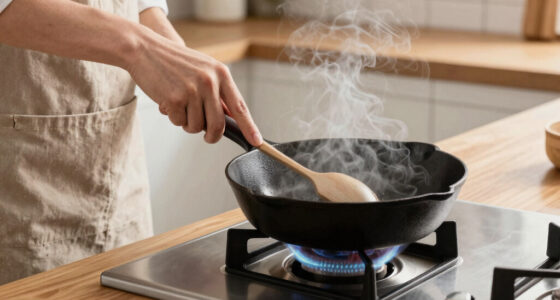
Preheating is the secret sauce. Cast iron takes 3–5 minutes over medium-low to medium heat. A good trick: flick a few drops of water onto the surface. They should dance and sizzle fiercely, then evaporate — not sit still or evaporate instantly.
If your water bead just sits there, the pan isn’t hot enough. Too hot? The water will evaporate immediately with a loud crack, and the eggs might cook too fast, risking sticking and burning edges.
Remember, cast iron retains heat fiercely. After heating, add your fat. Let it shimmer or foam before adding eggs. This creates a slick surface that prevents sticking and promotes even cooking.
Proper preheating isn’t just about convenience; it influences how eggs interact with the pan’s surface. A properly heated pan ensures a barrier forms quickly, reducing the chance of proteins bonding directly to the metal. If you don’t preheat well, eggs can stick because the surface isn’t ready to facilitate smooth release. Conversely, overheating can cause uneven cooking or scorching, so mastering the right temperature range ensures consistent results and less frustration.
As an affiliate, we earn on qualifying purchases.
The Best Fats to Keep Eggs from Sticking in Cast Iron
The type and amount of fat make a big difference. Butter, oil, bacon grease, ghee — all have their merits. But the key is using enough. About 1–2 teaspoons for a 10-inch skillet is a good starting point.
Imagine a thin film of shimmering oil coating every corner of the pan. That’s what prevents eggs from bonding. When the pan is properly lubricated, eggs slide out easily, even with minimal scraping.
Pro tip: add your fat after preheating. Let it heat until it shimmers or gently smokes, then crack in your eggs. This quick step creates a barrier, especially important in a well-seasoned pan.
Choosing the right fat isn’t just about flavor; it influences the pan’s surface chemistry. Fats like ghee and bacon grease contain natural emulsifiers and higher smoke points, which can create a more durable, heat-resistant coating that enhances nonstick qualities over time. Using enough fat ensures the eggs don’t bond to uneven patches of the pan, especially in areas where seasoning might be thinner or less polymerized. This balance between fat type and quantity is essential for achieving consistent, easy-release eggs.
As an affiliate, we earn on qualifying purchases.
Temperature Tricks: How Low Should You Go for Perfect Eggs
Cast iron retains heat so well that medium-low is your sweet spot for eggs. Cranking up the heat may brown the whites quickly but often causes sticking and rubbery textures. Keep it gentle.
Think of it like simmering a delicate sauce — too hot, and it burns; too cool, and it won’t cook evenly. For eggs, medium-low gives you control, allowing whites to set softly and yolks to stay runny.
Patience is your ally. Let the pan heat gradually, and don’t rush. If eggs stick in spots, check your heat — uneven heat spots can be a culprit, especially in a new or rough pan.
Understanding the implications of heat levels is crucial. Cooking at too high a temperature causes rapid protein coagulation, leading to sticking and tougher textures. Conversely, too low prolongs cooking time, risking uneven heat distribution. Medium-low strikes a balance, allowing gentle, controlled cooking that preserves the delicate structure of eggs and minimizes sticking. Over time, experimenting with your specific stove and pan will help you find that ideal point where eggs slide out effortlessly, and whites remain tender.
As an affiliate, we earn on qualifying purchases.
Troubleshooting Sticky Eggs: What to Do When It Still Happens
If your eggs stick, don’t panic. First, assess your heat and fat. If these are right, your seasoning might need a refresh. Lightly scrub the pan with salt and a paper towel or use a gentle brush to clean off any rough spots.
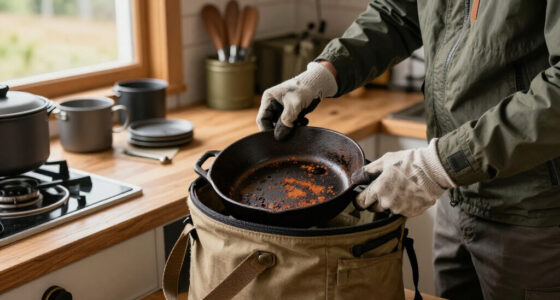
For stubborn sticking, a quick re-seasoning session can help. Coat the skillet with a thin layer of oil, bake it at 450°F for an hour, then cool. This creates a new, smoother surface.
Remember, regular cooking with enough fat slowly builds a nonstick surface. The more you cook eggs, the better your pan gets — a small investment of effort pays off over time.
Persistent sticking often indicates that the pan’s seasoning has degraded or unevenly developed. This can happen if the pan was washed with soap too frequently or if it was stored in a damp environment. Re-seasoning restores the polymerized oil layer, filling in rough patches and creating a smoother, more nonstick surface. It’s a worthwhile step if you notice your eggs increasingly stick despite proper technique. Meanwhile, consistent use with adequate fat and gentle cleaning methods gradually improve the pan’s performance, making sticking less likely over time.