
TL;DR
Open a free Amazon Business account
Business pricing, bulk buying and tax-exempt orders.
Create a free accountAs an affiliate, we earn on qualifying purchases.
Hand-cranking pasta lets you craft authentic noodles with control over dough, thickness, and drying. Proper techniques improve flavor, texture, and shelf life, making it ideal for off-grid kitchens.
Start with a simple, well-kneaded dough for easy rolling and good flavor.
Gradually reduce thickness, checking often, to avoid tears and get uniform sheets.
Proper drying—either flat or hung—prevents sticking and extends shelf life.
Use moderate environmental conditions for drying—dry, airy, and not too humid.
Modern hand-crank machines with ergonomic design make the process more precise and less tiring.
Hand-Cranking Pasta: Dough, Thickness, and Drying
Turn flour, eggs, and patient pressure into authentic noodles with better control over bite, cooking time, and shelf life. The craft is tactile, quiet, precise—and perfectly suited to a kitchen powered by your hands.
Build dough that bends without breaking
Pliable pasta begins with gluten development, adequate hydration, and enough rest. Each step makes the next pass through the rollers easier and more consistent.
Choose the bite
Durum semolina produces a firm, resilient texture. All-purpose flour creates a softer, more tender sheet suited to delicate pasta.
Knead to elasticity
Work the dough until its surface is smooth and it springs back slowly when pressed. Strong gluten helps the sheet survive repeated rolling.
Let tension relax
Cover and rest for at least 30 minutes, then divide into manageable portions. Smaller pieces feed evenly and resist sticking.
Uniform thickness comes from gradual pressure
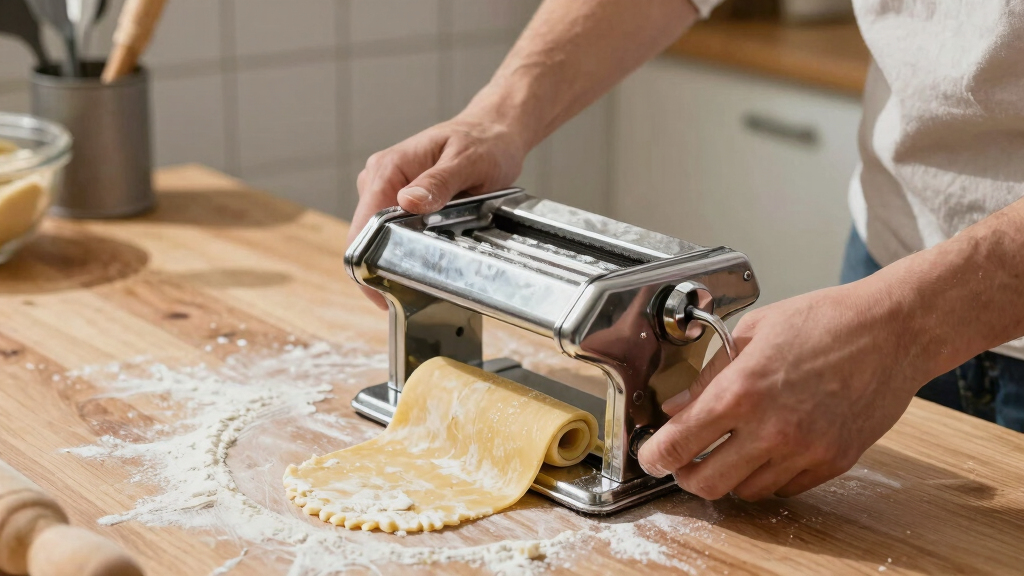
Start wide, fold when needed, and move through the settings one step at a time. Skipping settings overstretches the dough and invites tears.
Flatten the portion
Shape it thin enough to enter the widest roller setting.
First wide pass
Crank steadily while guiding the dough without pulling.
Fold and repeat
Fold into thirds to smooth the sheet and strengthen structure.
Reduce gradually
Move down one setting per pass and check for weak spots.
Cut at target
Stop when the thickness matches the intended pasta shape.
Match the method to the outcome
Flour, thickness, and drying choices work as a system. Use the intended bite and storage plan to guide the full process.
| Choice | Best use | Texture result | Rolling ease | Storage fit |
|---|---|---|---|---|
| Durum semolina | Spaghetti, robust ribbons, firm shapes | Firm bite and strong cooking resilience | ~ More resistant | ✓ Strong |
| All-purpose flour | Soft ribbons and delicate filled pasta | Tender, softer finish | ✓ Forgiving | ~ Moderate |
| Thin sheet: 1–2 mm | Tagliatelle and delicate cuts | Light bite; cooks quickly | ~ Needs care | ✓ Dries fast |
| Thick sheet: 3–6 mm | Pappardelle and hearty dishes | Substantial chew; holds rich sauces | ✓ Durable | ~ Dries slowly |
| Humid drying space | Not recommended for storage batches | Sticky surface and uneven moisture | ✗ Risky | ✗ Spoilage risk |
Traditional motion, smarter tools
Comfortable cranks
Improved handle shapes reduce fatigue and help maintain steady pressure through long batches.
Finer adjustments
More granular roller settings make repeatable thickness easier across multiple portions.
Lower-impact builds
Bamboo and recycled components are appearing alongside durable non-stick surfaces.
Controlled drying
Compact drying chambers stabilize airflow and humidity for dependable year-round results.
Feel the dough. Watch the edges.
A smooth surface, clean edges, and steady flexibility matter more than racing through settings. If the sheet resists, rest it. If it sticks, dust lightly. If it tears, step back one setting. Patience is the real precision control.
How to Make Dough That’s Easy to Roll and Delicious
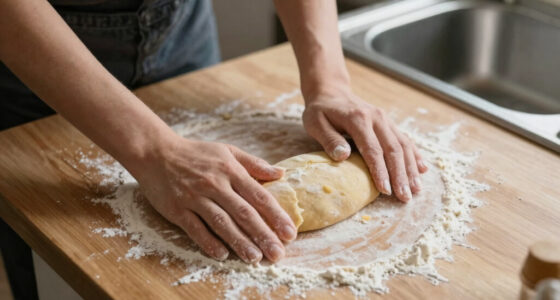
Hand-cranking pasta starts with the dough. It needs to be pliable but resilient enough to hold its shape. Use high-quality durum wheat semolina for that classic texture, or all-purpose flour if you want a softer bite. Incorporating eggs adds richness, which enhances flavor and improves elasticity, making the dough easier to roll out without tearing. Water provides the necessary stretch, while a pinch of salt not only boosts flavor but also helps strengthen gluten networks. Kneading until smooth and elastic develops the gluten structure, which is crucial for the dough’s resilience during rolling and shaping. Resting the dough for at least 30 minutes relaxes gluten fibers, preventing tearing and making thinning easier. Resting also allows flavors to meld, resulting in a more cohesive and flavorful pasta. Dividing into manageable portions prevents sticking and makes feeding through your hand-crank machine more consistent. Properly prepared dough ensures the entire process—from rolling to drying—produces high-quality pasta with the desired texture and flavor.

Sailnovo 3-in-1 Pasta Maker with 9-Setting Pasta Roller & Cutters, Silver
- Food-Grade Material: Made of food-grade materials for safety
- Easy to Clean: Use brush or toothpick for cleaning
- 9 Adjustable Thicknesses: Customize dough thickness up to 3mm
As an affiliate, we earn on qualifying purchases.
As an affiliate, we earn on qualifying purchases.
How to Achieve Perfect, Uniform Thickness Every Time
Achieving consistent thickness is vital because it directly affects cooking time, texture, and appearance. Starting with the thickest setting on your machine ensures the dough is gradually worked into a uniform sheet, reducing the risk of tears or uneven cooking. Folding the dough over and passing it through again helps redistribute the layers, creating a smoother, more even surface—this technique also helps develop gluten, making the dough more elastic. Gradually reducing the thickness setting with each pass prevents overstretching or tearing, which can compromise the integrity of your pasta. For delicate shapes like tagliatelle, aim for a thin sheet about 1-2 mm; for thicker shapes like pappardelle, 3-4 mm suffices. Checking the evenness by gently lifting a corner with a pinched finger allows you to assess flexibility and uniformity—an even, pliable sheet indicates success. Patience in this process prevents tearing, which can lead to uneven cooking, and ensures the pasta maintains a beautiful appearance and consistent texture. This careful approach also minimizes waste, as fewer sheets are ruined by tears or uneven thinning.
Sailnovo 3-in-1 Pasta Maker with 9-Setting Pasta Roller & Cutters, Silver
- Food-Grade Material: Made of food-grade materials for safety
- Easy to Clean: Use brush or toothpick for cleaning
- 9 Adjustable Thicknesses: Customize dough thickness up to 3mm
As an affiliate, we earn on qualifying purchases.
As an affiliate, we earn on qualifying purchases.
Drying Your Pasta the Right Way — No Sticking, No Spoiling
Drying is a critical step that often gets overlooked, yet it significantly impacts the final quality and shelf life of your pasta. Proper drying prevents the pasta from sticking together during storage and reduces the risk of spoilage caused by residual moisture. Laying pasta on a clean, lightly floured surface or hanging it in loose bundles on a drying rack allows air to circulate evenly around each piece. Good airflow in a cool, dry environment—such as a breezy porch, an airy shed, or a well-ventilated room—accelerates drying and inhibits mold growth. Thin shapes like spaghetti dry in 1-2 hours, but thicker shapes or larger bundles may require up to 12 hours. Turning the pasta occasionally ensures even drying and prevents curling or sticking as moisture escapes. Over-drying makes pasta brittle and prone to cracking during cooking, which can ruin presentation and texture. Conversely, under-dried pasta remains moist and is prone to mold or spoilage, especially in humid environments. Finding the right balance is key: dry until the pasta is firm and snaps when bent, but not so brittle that it shatters. Proper drying techniques extend shelf life, preserve flavor, and improve the overall eating experience.

8SOM Bamboo Pasta Drying Rack with Transfer Wand and 12 Bars, Easy to Transfer for Drying Pasta and Cooking, Special Suspension Design for Large Storage
- Easy Transfer: Transfer pasta quickly with wand
- Strong Grip: Prevent pasta slipping off rods
- Natural Material: Made from renewable Moso bamboo
As an affiliate, we earn on qualifying purchases.
As an affiliate, we earn on qualifying purchases.
What’s New in Hand-Cranking Pasta? Trends You’ll Love
Recent innovations make hand-cranking pasta easier and more sustainable. Some machines now feature ergonomic handles that reduce strain during extended use, enabling more consistent pressure and less fatigue. Enhanced thickness controls allow for finer adjustments, giving you greater precision in shaping your pasta—crucial for achieving perfect textures and shapes. Eco-friendly materials like bamboo or recycled plastics in machine components are gaining popularity, aligning with sustainable practices and reducing environmental impact. On the drying front, climate-controlled chambers are emerging, providing steady conditions regardless of weather—this means you can produce perfect pasta year-round without worrying about humidity or temperature fluctuations. The artisanal revival has led to more classes, workshops, and online tutorials, making sophisticated techniques accessible to home cooks and hobbyists alike. These trends reflect a shift back to traditional methods, but with modern enhancements that improve ease, consistency, and sustainability. Embracing these innovations allows you to elevate your pasta-making, blending time-honored craft with modern convenience.

Fusiontec Pastry Wheel Cutter – Pasta Cutter Wheel – Ravioli Crimper Cutter Wheel for Home and Kitchen Use, 1.3inch
- Unique Fluted Design: Creates clear pasta patterns
- Durable Materials: Wood handle with aluminum frame
- Optimal Size: 1.3-inch diameter wheel
As an affiliate, we earn on qualifying purchases.
As an affiliate, we earn on qualifying purchases.
Key Facts That Will Help You Nail Your Pasta
| Aspect | Details |
|---|---|
| Typical thickness range | 1-6 mm, depending on pasta type; thinner sheets cook faster and have a delicate texture, while thicker shapes hold up better in hearty dishes. Adjusting thickness affects cooking time, bite, and appearance, so understanding your pasta’s purpose guides your choice. |
| Drying time | 1-12 hours, based on shape, thickness, and environment; thinner pasta dries faster, reducing risk of spoilage, whereas thicker shapes need more time to reach the right dryness level. Proper drying time is crucial to prevent mold and ensure shelf stability without making the pasta brittle. |
| Preferred flour | Durum wheat semolina is traditional for its firm texture and cooking resilience, ideal for shapes like spaghetti and penne. All-purpose flour offers a softer, more tender result, suitable for delicate shapes or mixed doughs. Selecting the right flour influences flavor, elasticity, and cooking performance, impacting the final quality. |
| Impact of hand-cranking | Gentler processing preserves delicate flavors and textures, as it avoids the heat and mechanical stress associated with electric rollers. This method allows for more control, resulting in a more artisanal, nuanced pasta that highlights ingredient quality and craftsmanship. The tradeoff is that it requires more patience and effort but yields superior results. |
Your Burning Questions About Hand-Cranking Pasta Answered
- How do I pick the right flour? Durum wheat semolina gives that firm bite and traditional flavor, but all-purpose flour can be used for softer, more tender pasta. The choice impacts texture and cooking resilience, so consider your desired outcome and the shape you’re making.
- How do I keep thickness even? Pass the dough through your machine slowly and steadily, checking regularly for uniformity. Adjust the thickness setting gradually with each pass to prevent overstretching or tearing, which can compromise the pasta’s appearance and cooking consistency.
- How long should I dry my pasta? Usually 1-4 hours for fresh pasta to reach optimal dryness, longer if you plan to store it. Proper drying prevents mold, sticking, and spoilage, but over-drying can make pasta brittle. Aim for a firm, snap-ready texture without excess brittleness.
- Can I dry outdoors safely? Yes, in a breezy, dry spot—avoid humidity and direct sunlight, which can cause uneven drying or spoilage. Outdoor drying is traditional in many cultures but requires careful monitoring to ensure quality and safety.
- How to prevent sticking? Lightly dust with flour, hang in a single layer or lay flat on a floured surface, and turn occasionally during drying. These steps ensure even moisture loss and prevent pasta pieces from clumping or curling, preserving their shape and ease of cooking.
Tips to Make Your Pasta Perfect on the First Try
- Start with a simple, reliable dough recipe. Think 2 cups flour, 2 eggs, a pinch of salt. Using high-quality ingredients and proper proportions ensures consistent results and good flavor.
- Use consistent pressure when rolling—apply steady, even force without squeezing too hard or being too gentle. This balance helps maintain uniform thickness and prevents tearing.
- Check your thickness often—don’t let it get too thin too quickly. Gradual thinning preserves the dough’s integrity and results in a more professional-looking sheet.
- Lay your pasta flat or hang it in thin bundles for even drying. Proper arrangement prevents sticking, curling, or uneven moisture loss, which could affect texture and shelf life.
- Store dried pasta in airtight containers, away from moisture and heat. Proper storage maintains freshness, flavor, and prevents spoilage or insect intrusion.
Frequently Asked Questions
What’s the biggest mistake beginners make?
Many start with dough that’s either too wet or too dry. Finding that perfect balance takes practice—aim for a dough that’s smooth, elastic, and slightly tacky but not sticky.Can I use a hand-crank pasta machine for all pasta shapes?
Absolutely. From thin linguine to thick pappardelle, adjusting your thickness settings and drying method makes it versatile for most shapes.How do I store dried pasta without it going stale?
Keep it in an airtight container in a cool, dry place. Avoid humidity and direct sunlight—these can cause spoilage or mold over time.Conclusion
Mastering the art of hand-cranking pasta isn’t just about making noodles; it’s about reclaiming a craft that connects you to centuries of tradition. With attention to dough, consistent thickness, and careful drying, you turn simple ingredients into a masterpiece. Every time you pick up that hand-crank, you’re not just making pasta—you’re reviving a timeless skill, one satisfying strip at a time.Flea & tick season Picks
flea and tick prevention
As an affiliate, we earn on qualifying purchases.