
TL;DR

Get kitchen gear delivered free with Prime
- Fast, free delivery on millions of items
- Prime Video, Amazon Music and more included
- Member-only deals all year
Building a prepper’s kitchen is a step-by-step process that starts with basic food storage and expands to preservation, manual tools, and off-grid cooking. Prioritize durability, safety, and simplicity to create a resilient space for emergencies.
Begin with basic food storage—enough to cover three months—and organize everything clearly.
Master manual preservation techniques like canning and dehydration to extend shelf life without power.
Invest in durable, non-electric tools like cast iron cookware and hand-crank grinders for off-grid cooking.
Set up reliable water collection and purification systems that don’t depend on electricity.
Build your prepper kitchen gradually—expand your tools, storage, and techniques as you gain confidence and resources.
Start Small: Build Your Core Food Storage First
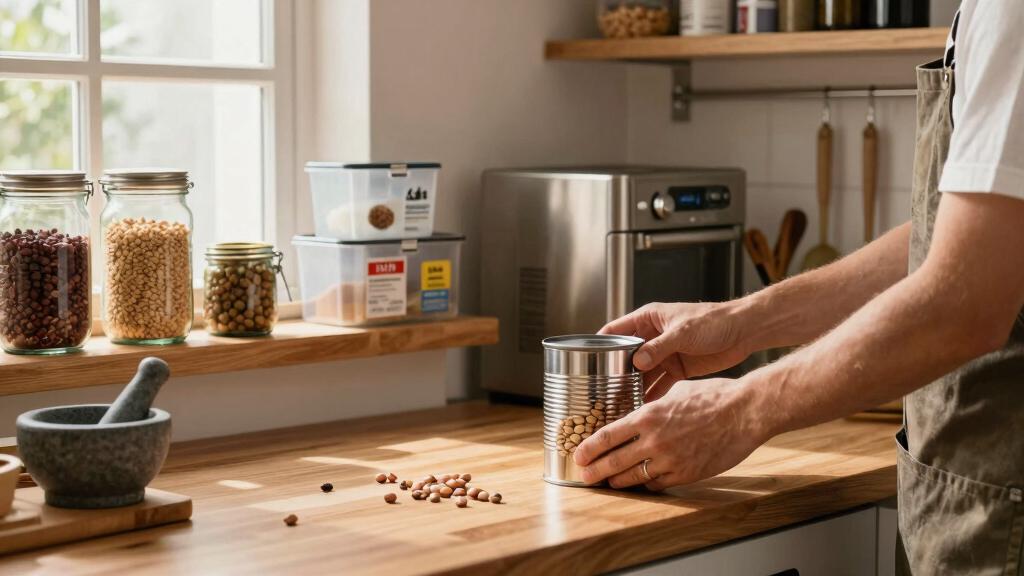
Kick off your prepper kitchen journey by focusing on basic food storage. Think of it like laying the foundation of a sturdy building. You want enough grains, dried beans, canned goods, and dried fruits to last at least three months. It’s about creating a buffer—so if supply chains break, you still have nourishment. For example, a hundred pounds of rice, fifty pounds of dried beans, and a variety of canned vegetables can provide vital calories and nutrients during a crisis.
Use airtight containers and organize everything clearly. Label jars with purchase and expiry dates. Rotate stock regularly—use the oldest first. This simple step keeps your supplies fresh and ready when needed. It’s the first layer of resilience—building confidence and a safety net for your family.
Understanding why this matters is key: having a reliable stockpile reduces dependence on external supply chains, which can be disrupted during crises. It also gives you control over your nutrition and allows you to plan meals that maximize shelf life and nutritional value. The tradeoff, however, is the initial investment of time and money to establish and maintain this stockpile. But in an emergency, this small upfront effort pays off by providing peace of mind and security.
As an affiliate, we earn on qualifying purchases.
Choose the Right Preservation Techniques for Long-Term Storage
Food preservation is what makes your kitchen truly resilient. Techniques like canning, dehydration, and fermentation extend shelf life from months to decades. But why does this matter? Preserving food manually allows you to store surplus harvests, reduce waste, and create a diverse pantry that withstands supply disruptions. For example, canning summer tomatoes in glass jars creates a flavorful, shelf-stable supply that can be used months later, saving you from relying on store-bought sauces. Dehydrating apples or herbs not only reduces weight for easier storage but also preserves their flavors and nutrients for future use. Fermentation transforms raw vegetables into probiotic-rich foods, enhancing your diet without electricity, which is crucial during power outages.
Mastering these methods involves understanding their implications: canning requires proper techniques to prevent spoilage and foodborne illnesses, dehydration depends on climate and equipment, and fermentation needs careful monitoring to avoid spoilage. The tradeoffs include time investment and the need for initial equipment, but these methods are cost-effective and reliable over centuries. They empower you to turn seasonal abundance into year-round supplies, making your kitchen more self-sufficient and resilient.
off-grid water purification system
As an affiliate, we earn on qualifying purchases.
As an affiliate, we earn on qualifying purchases.
Manual Tools and Non-Electric Appliances You Need
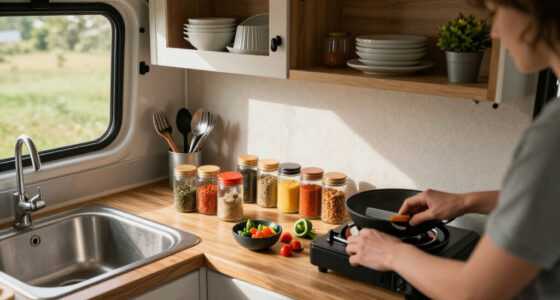
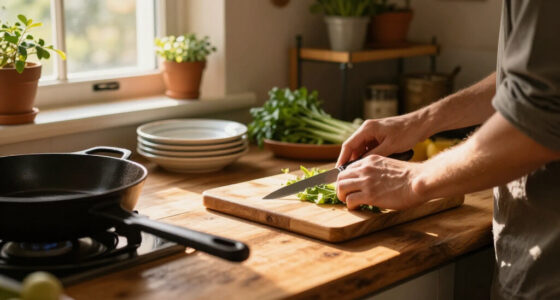
Electricity isn’t always available in a prepper setup. Manual tools become your best friends. Think hand-crank grain mills, cast iron cookware, and hand-powered water pumps. A sturdy cast iron skillet, like one seasoned to a non-stick finish, can handle everything from frying eggs to baking bread. A manual grain grinder turns wheat berries into flour—no power needed. Solar ovens or rocket stoves offer off-grid cooking options that rely on sunlight or wood.
But why prioritize manual tools? They are often more durable, easier to repair, and don’t depend on unreliable power sources. For instance, a hand-crank grain mill allows you to process grains even if the grid fails, giving you control over your flour production. Cast iron cookware, while heavy, provides excellent heat distribution and longevity, making it a worthwhile investment. Solar ovens and rocket stoves diversify your cooking methods, enabling you to prepare meals without electricity or gas. The tradeoff is physical effort and initial learning curve, but these tools build independence and resilience. They are reliable, cost-effective, and essential for off-grid living, especially when emergencies cut off power supplies.
As an affiliate, we earn on qualifying purchases.
Set Up Water and Sanitation Systems That Work Off-Grid
Water is life, especially when utilities fail. A prepper kitchen needs a reliable way to purify and store water. Collect rainwater, use gravity-fed systems, or hand-pump from nearby sources. For purification, boil water over a fire or use portable filtration systems like ceramic filters or charcoal methods—both don’t rely on electricity.
But why is this so critical? Clean water prevents disease and dehydration, which are common in disaster scenarios. Setting up multiple sources and methods ensures redundancy; if one fails, others can take over. For example, a simple five-gallon bucket with a spigot and a ceramic filter gives you clean drinking water for days. Always store extra water in food-grade containers, and rotate it every six months. Having a backup water source and purification method is as vital as your food supply, because without water, survival becomes impossible. Investing in different purification methods and storage options creates a flexible system that adapts to changing conditions and ensures your household remains hydrated and healthy during emergencies.
As an affiliate, we earn on qualifying purchases.
Organize and Rotate Your Supplies for Efficiency and Safety
Organization keeps your prepper kitchen functional under stress. Use clear, airtight containers for dry goods. Create a simple inventory system—mark purchase dates and expiry dates. Rotate your stock regularly—use and replace older supplies before they spoil. For instance, if you store dried beans and canned vegetables, plan monthly checks to replace anything past its prime.
But why is this so important? Proper organization prevents spoilage and waste, which can be costly and dangerous during emergencies. It also helps you quickly locate supplies when time is critical, reducing stress and confusion. Knowing what you have and when it expires allows you to plan meals and replacements efficiently, ensuring that your food remains safe and nutritious. This proactive approach minimizes waste and maximizes resource longevity, making your entire prep system more resilient and dependable in times of crisis.
Start Small, Expand Gradually — How to Build Your Kitchen Over Time
Building a prepper’s kitchen isn’t a one-week project; it’s a series of small, deliberate steps. Begin with basic food storage and manual tools. Once those are in place, add preservation methods and off-grid cooking options. Over months or years, you’ll upgrade with solar appliances, water systems, and storage solutions. Think of it like planting a garden—start with seeds, then tend and expand as resources grow.
But why take this gradual approach? Because it allows you to learn and adapt without overwhelming yourself financially or logistically. Each step builds confidence and competence, making subsequent upgrades more effective. For example, initially focusing on storing grains and canning tomatoes builds your foundational self-reliance. Later, adding solar ovens and dehydrators enhances your capacity. This phased approach ensures steady progress, reduces waste, and helps you develop skills that are crucial for long-term resilience. It’s about creating a sustainable, scalable system that grows with your needs and capabilities.
Frequently Asked Questions
Where should I start when building a prepper’s kitchen?
Begin with basic food storage—stockpile grains, canned goods, and dried foods—and organize them efficiently. Then, gradually add manual tools like a cast iron skillet, hand grinder, and water purification methods.What are the best foods to store for long-term emergencies?
Opt for grains like rice and oats, dried beans, canned vegetables and meats, dried fruits, and powdered milk. These foods have shelf lives ranging from 1 to 30 years, depending on storage conditions and preservation methods.How can I preserve food without electricity?
Use canning with a water bath or pressure canner, dehydration, and fermentation. These methods rely on manual effort and natural processes, making them ideal for off-grid kitchens.What equipment is essential for a prepper’s kitchen?
Durable cast iron cookware, manual grain grinders, water filters, hand-crank tools, and solar or rocket stoves. Focus on tools that require no electricity and are built to last.How do I organize and rotate my food supplies?
Use clear containers, keep a simple inventory, and label everything with purchase and expiry dates. Regularly check and use older items first to prevent spoilage and waste.Conclusion
A prepper’s kitchen is more than just a pantry; it’s a fortress of resilience built brick by brick. Focus on simple, durable solutions that grow with you. When disaster strikes, your kitchen won’t just serve meals — it’ll serve your peace of mind. Start today, and picture that sturdy space ready to feed and sustain your family through any storm.Halloween Picks
halloween
As an affiliate, we earn on qualifying purchases.