
TL;DR

Get kitchen gear delivered free with Prime
- Fast, free delivery on millions of items
- Prime Video, Amazon Music and more included
- Member-only deals all year
A November 2019 Tedium report traced the history of modern parchment paper, distinguishing it from animal-skin parchment and describing how 19th-century chemical treatment made plant-based paper resemble it. Historical sources cited in the report document early kitchen uses, though the article cautions that some ancient references may reflect later translation choices.
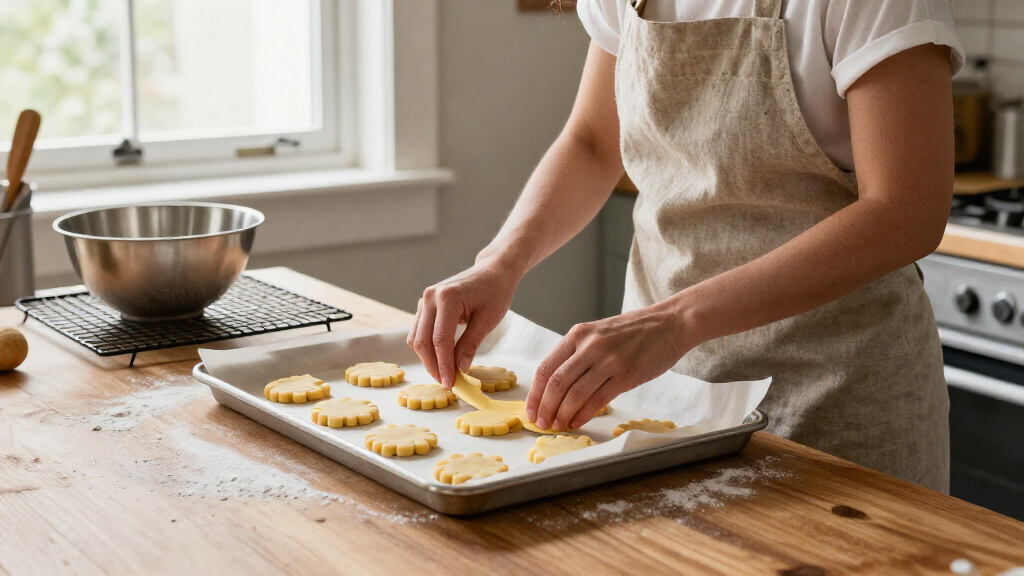
A November 2019 Tedium report traced how modern baking parchment developed from chemically treated plant paper, while clarifying that it is not the same material as traditional parchment made from animal skin. The history matters to home cooks because the familiar baking aid also emerged as a material for preserving and wrapping food, not just lining oven trays.
The report begins with a recipe in the ancient cookbook Apicius that appears to refer to parchment paper. The recipe, for “Creamed Kid Flavored with Laurel,” involves young goat meat. Tedium cautions that the reference comes through a 1936 translation of De Re Coquinaria, so the wording may have been modernized; it cannot establish with certainty what material the original recipe used.
Modern parchment paper is based on plant cellulose, unlike traditional parchment, which the U.S. National Archives describes as prepared animal skin. According to the report, French scientists Jean-André Poumarède and Louis Figuier developed a chemical treatment for plant paper in 1847 that gave it qualities associated with parchment. A chemistry manual published in 1874 described dipping unsized paper briefly in a cold mixture of concentrated sulfuric acid and water, then washing it with water and ammonia.
By 1859, researcher A.W. Hoffman was writing about the material’s practical uses. In The Pharmaceutical Journal, he suggested vegetable parchment paper could replace animal membrane for sealing preserve vessels. Later records cited by Tedium show a role in food storage: an 1889 Kansas Farmer article recommended it for wrapping butter to limit exposure to air and help preserve its aroma during storage and shipping.
From Food Wrapping to Baking Sheets
The history helps explain why parchment paper is more than a modern convenience for baking. The sources gathered by Tedium describe a material valued for practical food handling: sealing preserves and wrapping butter as well as serving in kitchens. Its non-animal origin also distinguishes it from the older writing material whose name it carries.
For readers, the distinction is useful when interpreting recipes and historical references. A text that says “parchment” may mean animal skin, while contemporary baking parchment is treated paper. The report’s account also shows how a material’s uses can expand over time, from preservation and packaging to a common baking aid.
Products Worth Considering

Instant Pot Vortex Plus 10-Quart 7-in-1 Air Fryer Oven

Le Creuset Enameled Cast Iron Round Bread Oven, 9.5-Inch, Cerise

Ninja Flip Toaster Oven & Air Fryer, Large Capacity, Stainless, SP151
As an affiliate, we earn on qualifying purchases.
The Name Behind the Paper
Tedium’s article was framed around a question from writer Gretchen McCulloch about the origins of the object and its varied names, including “baking sheets,” “parchment paper” and the German term “backpapier.” The report notes that the history is difficult to pin to one company or invention: the material’s development stretches across centuries, and many details are not preserved in a single industrial record.
The key distinction is between parchment and parchment paper. Traditional parchment is an animal-skin writing surface; vellum is a related material often made from calf skin. Plant-based paper treated to acquire parchment-like qualities appeared in the 19th century. Tedium links that change to wider practical uses documented in period publications, but does not claim that the 1847 process alone explains every later form of baking paper.
“If unsized paper be dipped for a few seconds in a cold mixture of two volumes of concentrated sulfuric acid and one volume of water, and then washed with water and ammonia, the so-called parchment paper is obtained.”
— The 1874 book A Manual of the Chemistry of the Carbon Compounds, quoted by Tedium
Limits of the Historical Record
The ancient Apicius reference is not conclusive evidence that parchment paper, as understood today, was used in the recipe: Tedium notes that its wording comes from a 1936 translation and may have been updated. The report also describes a long history with gaps, rather than a fully documented chain of inventions and commercial developments.
The supplied account does not establish when baking parchment became widely used in household ovens, how quickly adoption spread, or which later innovations shaped the products sold today. It also does not give a specific source for the modern material’s silicone component, so the report’s historical discussion should not be read as a complete manufacturing history.
What the Record Can Establish
The 2019 article offers a historical account rather than announcing a new product or a forthcoming research milestone. Its clearest timeline runs from an uncertain ancient reference, through the 1847 plant-paper treatment, to documented kitchen and food-storage uses in the 1850s and 1880s.
Readers seeking more detail would need additional historical or manufacturing records to pin down when parchment paper became a standard baking product and how its modern production changed. For now, the report’s central finding is a distinction in both material and history: today’s baking paper is treated plant paper, not the animal skin traditionally called parchment.
Key Questions
Is baking parchment the same as traditional parchment?
No. The report distinguishes modern parchment paper, made from plant-based paper, from traditional parchment, which is prepared animal skin.
When did plant-based parchment paper appear?
Tedium says French scientists Jean-André Poumarède and Louis Figuier developed a chemical treatment process for plant paper in 1847.
What did early sources say parchment paper was used for?
A.W. Hoffman discussed using it to seal preserve vessels in 1859, and an 1889 Kansas Farmer article recommended it for wrapping butter for storage and shipping.
Did ancient cooks use modern baking parchment?
The report points to a possible reference in a recipe from Apicius, but says the wording comes from a 1936 translation and may have been modernized. It does not confirm that the recipe referred to modern plant-based baking paper.
Source: tedium.co