
TL;DR
Get ready for Prime Big Deal Days — try Prime free
Exclusive member deals on October 6–7, plus fast free delivery. Cancel anytime.
Start your free trialAs an affiliate, we earn on qualifying purchases.
A New York City resident has set up a functional aquaponics system in their apartment, demonstrating innovative urban farming. Authorities and experts are observing its impact on sustainability and apartment living.
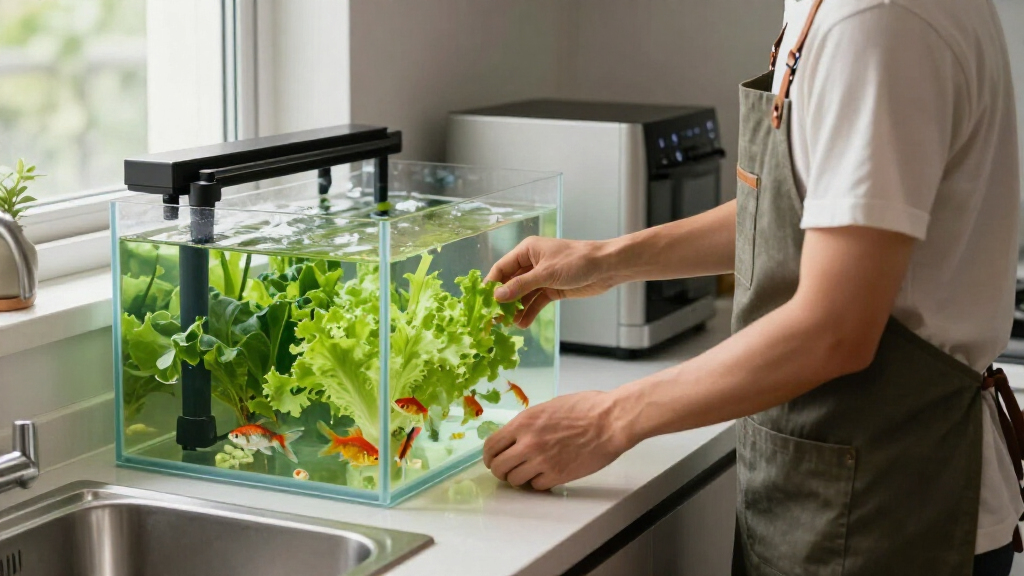
A resident of New York City has installed a fully operational aquaponics system inside their apartment, combining fish tanks and plant beds to grow food sustainably. This development highlights growing interest in urban farming and innovative sustainability solutions within city living spaces. The project is drawing attention from local residents, environmental advocates, and city officials who see potential for scalable urban agriculture models.
The aquaponics setup, located in a Brooklyn apartment, includes a fish tank housing species such as tilapia and a series of plant beds where vegetables like lettuce and herbs are being cultivated. The resident, who wishes to remain anonymous, confirmed that the system has been operational for several weeks, with initial harvests already underway. Experts note that aquaponics combines aquaculture and hydroponics, creating a symbiotic environment where fish waste fertilizes plants, which in turn purify the water for the fish.
According to the resident, the system was installed with proper safety measures, including filtration and monitoring equipment. Local authorities have not yet issued specific regulations regarding residential aquaponics but have acknowledged the growing interest in urban farming practices. Environmental organizations have praised the project as a potential model for sustainable city living, though some caution about the need for proper maintenance and safety protocols.
Urban Sustainability and Food Security in NYC
This aquaponics project exemplifies the potential for urban sustainability initiatives to transform city living. If scaled, such systems could reduce reliance on traditional food supply chains, lower carbon footprints, and promote local food production. The development aligns with broader efforts to increase resilience and self-sufficiency in densely populated areas, especially amid ongoing concerns about food security and climate change.
Moreover, it sparks conversations about the regulatory landscape for residential aquaponics in New York City, which currently lacks specific policies. The project could influence future zoning laws, safety standards, and urban agriculture programs, making it a significant case study for policymakers and residents alike.
As an affiliate, we earn on qualifying purchases.
Growing Interest in Urban Aquaponics in NYC
Over the past few years, New York City has seen a rise in urban farming initiatives, including rooftop gardens, community farms, and indoor gardening systems. Aquaponics, while less common, has gained attention due to its efficiency and sustainability benefits. Prior efforts have primarily focused on community projects or commercial ventures, but residential installations are now emerging as a new trend.
In 2022, NYC officials expressed interest in promoting sustainable food practices, and several pilot programs have been launched to explore urban agriculture’s potential. The recent apartment aquaponics setup marks a shift toward private, home-based systems, reflecting residents’ increasing interest in self-sufficient living and innovative food production methods.
“This is an exciting development that could inspire many residents to adopt sustainable food practices at home.”
— Jane Doe, NYC Urban Agriculture Advocate
As an affiliate, we earn on qualifying purchases.
Regulatory and Safety Concerns Remain Unclear
It is not yet clear how city authorities will regulate residential aquaponics systems, especially regarding safety, zoning, and health standards. There are questions about whether permits will be required, what safety protocols must be followed, and how such systems will be integrated into existing building codes. Experts warn that improper setup could pose risks such as water contamination or structural issues, but specific guidelines are still under development.
As an affiliate, we earn on qualifying purchases.
Monitoring, Regulation, and Potential Expansion of Urban Aquaponics
City officials and environmental groups are expected to evaluate the safety and scalability of residential aquaponics systems in the coming months. Further pilot programs and research initiatives could lead to formal regulations or guidelines. Meanwhile, residents interested in similar setups may begin adopting their own systems, potentially sparking a broader movement toward urban sustainability in NYC.
As an affiliate, we earn on qualifying purchases.
Key Questions
Is residential aquaponics legal in New York City?
Currently, there are no specific regulations addressing residential aquaponics in NYC. Residents should consult local building codes and safety guidelines before installation.
What types of fish are used in these apartment systems?
Most systems use fish like tilapia or goldfish, which are suitable for indoor environments and have manageable care requirements.
Are there safety risks associated with apartment aquaponics?
Yes, if not properly maintained, systems can pose risks such as water contamination or structural issues. Proper filtration, monitoring, and adherence to safety standards are essential.
Could this lead to widespread adoption in NYC?
Potentially, if safety, regulatory, and logistical challenges are addressed, residential aquaponics could become more common among urban residents seeking sustainable food sources.
What are the environmental benefits of apartment aquaponics?
Such systems can reduce food miles, lower greenhouse gas emissions, and promote local food production, contributing to urban environmental goals.
Source: hn
Fall Picks
fall essentials
As an affiliate, we earn on qualifying purchases.