TL;DR

Get kitchen gear delivered free with Prime
- Fast, free delivery on millions of items
- Prime Video, Amazon Music and more included
- Member-only deals all year
Wind carries heat away from cookware, cold can slow cooking and weaken some canister stoves, rain makes dry handling harder, and altitude lowers water’s boiling point. Check the forecast and local fire rules, set up on stable ground with safe clearance, follow your stove’s instructions, and plan simple meals with enough fuel and a backup ignition method.
A pot can sit over a lively flame and still take forever to boil when wind strips heat from its sides. Add cold fingers, wet matches, or a trail that climbs into thin air, and a familiar supper can become a slow, frustrating job.
Outdoor cooking depends on more than the recipe. Wind, cold, rain, and altitude change how your stove and food behave. You can respond with a safer cooking spot, dry ignition, a lid, and meals that forgive a delay. Those small choices matter when you cook by hand, rely on a portable stove, or need dinner ready before the weather gets worse.
This guide explains what changes in each condition, how to adjust without guessing, and when to stop cooking and deal with safety first. You’ll also get a practical checklist for planning meals and fuel. Think of it like tending a hearth in a drafty kitchen: pay attention to the flame, the cookware, and what’s around you.
Shelter a stove from wind with a safe natural barrier, and use a windscreen only when the stove maker permits it.
Cold ingredients and cookware add cooking time; insulate food, use a lid, and plan quick-cooking meals.
Keep ignition and fuel dry in rain, and choose a level site where runoff cannot reach the stove or food.
At altitude, boiling water is cooler, so foods that need long simmering may take longer to cook.
Never use a stove or charcoal grill inside a tent, vehicle, or other enclosed space.
FIELD GUIDE / OUTDOOR COOKING
Wind and Weather: Cooking Outdoors in Tough Conditions
Wind carries heat away, cold can slow stoves and food, rain complicates handling, and altitude lowers water’s boiling point. A safer site, dry ignition, a lidded pot, and a flexible meal plan help keep dinner manageable.
01 / CONDITIONS & ADJUSTMENTS
Change the setup to match the weather
Each condition affects a different part of the cooking job. Make small, specific adjustments before lighting the stove, and follow the instructions for your equipment.
Block drafts safely
Moving air strips heat from the pot and can disrupt the flame, adding time and fuel use. Choose stable ground behind a safe natural barrier, with open clearance from tents and dry vegetation. Use a windscreen only if the stove maker permits it; enclosing a canister stove can overheat the canister.
Keep food warm and simple
Cold air, cookware, and ingredients can lengthen cooking. Some canister stoves lose performance in low temperatures. Insulate ingredients until needed, use a lid, and favor quick meals such as oats, soup, or couscous. Check your stove and fuel guidance.
Protect the dry essentials
Keep ignition supplies and fuel dry. Set up on level, well-drained ground where runoff cannot reach the stove or food. Cover clean utensils, separate raw and ready-to-eat foods, and pause to check stability if rain makes the cooking area slippery.
Allow time for the food
At higher elevations, water boils at a lower temperature. The pot may boil while foods that need sustained simmering remain firm. Cut ingredients smaller, use a lid, and choose meals that do not rely on a long simmer.
02 / QUICK PLAN
A five-step check before you cook
Use this short routine when wind, cold, or rain changes your plan. Check the forecast and local fire restrictions before the trip, and test equipment in safe conditions.
Look at wind, precipitation, temperature, and likely meal time.
Find level, drained ground with safe clearance around the stove.
Keep fuel, ignition, food, and clean utensils dry and organized.
Use a lid and pick ingredients that cook or rehydrate quickly.
Pack a dry backup ignition method, extra time, and a simple meal.
Never cook in an enclosed space.
Do not use a stove or charcoal grill inside a tent, vehicle, or other enclosed area. Carbon monoxide can build up quickly. If conditions become severe, stop cooking and follow your plan for shelter or evacuation.
03 / PLAN FOR FRICTION
Spend effort where it saves time
These relative indicators summarize the practical pressures described in this guide. Actual performance varies with stove, fuel, temperature, elevation, cookware, and setup.
How wind steals heat and what you can change
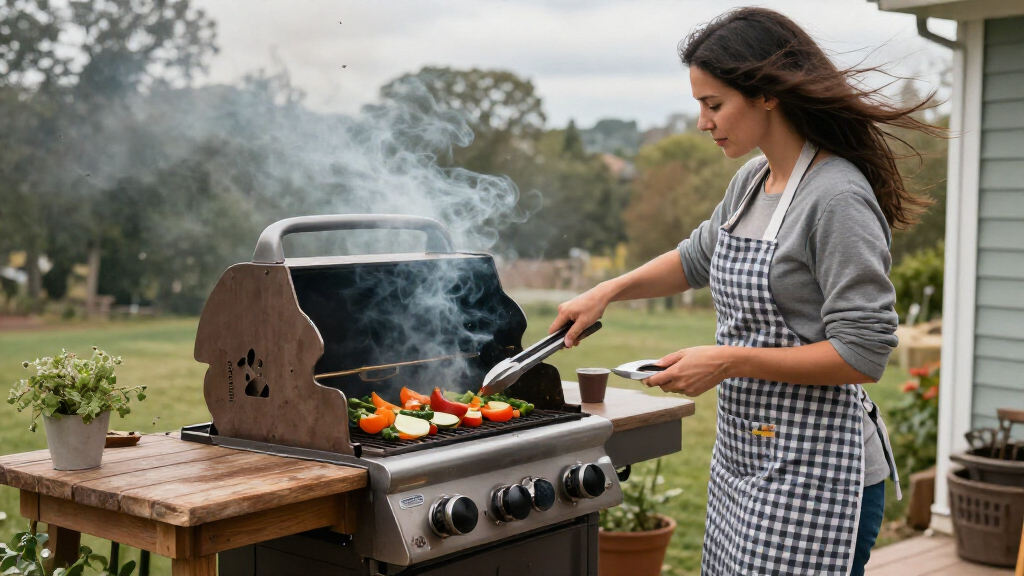
Wind makes outdoor cooking less efficient by carrying heat away from your pot and disrupting the flame, so a meal can take longer and use more fuel. Set your stove on stable ground in a naturally sheltered spot, keep it clear of flammable materials, and follow the manufacturer’s rules for any windscreen. A gusty ridge can turn a simple boil into a long wait.
Wind and weather affect the whole cooking setup, not just whether a flame stays lit. Moving air cools the pot’s sides and can push heat unevenly across the base. Imagine boiling a kettle in a doorway with a winter draft: the burner still works, but more of its heat escapes before the water can use it.
Look for a depression or a solid natural barrier that blocks the prevailing wind without trapping heat or putting the stove near dry grass, a tent, or other combustible material. Level ground helps the pot sit securely. A fitted lid reduces heat loss, and keeping the pot close to the flame without crowding it can help direct heat where you need it.
Do not improvise a tight enclosure around a stove. A windscreen must be allowed by the stove maker; enclosing a canister stove can overheat the canister and create a serious hazard. For example, if you’re cooking beside a breezy campsite, shift the stove behind a safe rock barrier with open space around it rather than wrapping metal around the burner. Check local fire restrictions before using a campfire, too.
Products Worth Considering

Vitamix 5200 Professional-Grade Blender, 64 oz. Container, Black

De'Longhi Dinamica Plus Fully Automatic Espresso Machine

Le Creuset Signature 6.5-Quart Deep Round Dutch Oven with Light Gold Crucible Knob, Enameled Cast Iron, Bleu Riviera
As an affiliate, we earn on qualifying purchases.
What to change when cold slows your stove and your supper
Cold air, cold cookware, and chilled ingredients can lengthen cooking time, while some canister stoves lose performance in low temperatures. Keep ingredients insulated until you need them, use a lid, and choose a meal that needs little simmering. If you’re cooking after a frosty morning hike, a quick couscous meal is easier to manage than a pot of dried beans.
Cold changes both the fuel and the food. A stove that performed well in mild weather may struggle when the temperature drops; the exact response depends on the stove and fuel. Check the manufacturer’s guidance for your specific equipment instead of assuming all canisters or stoves behave alike. Liquid-fuel stoves are often used on colder or more demanding trips, but they require careful operation and their own instructions.
Keep food sealed and insulated until you cook it, so frozen or chilled ingredients don’t pull as much heat from the pot. A snug lid helps hold warmth. Plan meals that rehydrate or cook quickly, such as oats, couscous, or soup made with small, quick-cooking pieces. These choices won’t fix a stove problem, but they can reduce the time you depend on a working flame.
Test your equipment before the trip. Practice the stove setup in safe conditions and pack a backup ignition method in a dry container. For example, if your dinner plan needs an hour of simmering and the temperature is below freezing, choose a simpler backup meal before leaving home. Never warm a fuel canister with direct flame or use a stove where carbon monoxide can collect.
How to keep cooking manageable in rain
Rain makes outdoor cooking safer and easier when you protect ignition and fuel, pick well-drained ground, and keep runoff away from the stove and food. Store matches and other ignition gear dry, and avoid setting up where water will pool. If rain starts during supper, pause long enough to check that the stove remains stable and the cooking area stays clear.
Wet weather creates handling problems even when the burner keeps running. Damp matches can fail, slippery hands can make cookware harder to control, and rainwater may wash dirt toward your food. Choose level ground with good drainage, then put food and clean utensils somewhere they will stay dry. A simple dry bag for ignition supplies can save a meal from becoming a cold search for working matches.
Keep raw ingredients separate from ready-to-eat food, and wash hands and utensils as well as your water supply allows. Rain does not make a surface clean. If water is scarce, organize your work so you use fewer tools and keep the clean items covered; a separate container for scraps can keep them away from the cooking area.
Suppose a shower arrives while you’re heating soup. Don’t reach across a slippery setup or balance a pot on uneven ground to save a few minutes. Move to a safer, drained spot if you can do so without carrying a lit stove. If conditions turn severe, put safety ahead of dinner and follow your trip plan for shelter and evacuation.
Why high-altitude meals may take longer to finish
At higher elevations, water boils at a lower temperature, so boiling does not mean your food is cooking as hot as it would near sea level. Foods that need sustained boiling or simmering may take longer to soften. If you reach camp after a long climb, allow extra time for a pot of lentils or grains rather than expecting the same schedule you use at home.
Boiling point and cooking time are different questions. Water can reach a boil sooner because the boiling temperature is lower, yet the cooler boiling water transfers less heat to food that needs prolonged cooking. That’s why altitude can surprise you: the rolling bubbles look convincing, but a potato may still be firm at the center.
Build flexibility into the meal plan. Cut ingredients into smaller pieces, use a lid, and choose foods that don’t depend on a long, gentle simmer. A meal of instant oats or couscous is easier to time than dried chickpeas, which need thorough cooking and more fuel. If you bring dried legumes, cook them according to safe preparation guidance and allow the time the conditions demand.
For a practical example, a hiker who normally cooks rice at a low simmer may find it stays firm after the usual time at a high campsite. They can keep cooking with enough water and fuel, or switch to a faster-cooking meal planned as a backup. The right choice depends on elevation, recipe, and stove performance; don’t treat one timing estimate as universal.
Use this quick plan when wind, cold, or rain changes
A short pre-cooking check helps you adapt before you light the stove: look at the ground, wind, precipitation, fuel, and meal time. Change the setup or menu when one of those conditions makes cooking unstable, slow, or unsafe. For instance, if the only available spot is exposed and rain is moving in, a no-cook meal may be the better plan.
Plan for those shifts before you leave, rather than trying to solve every problem with extra fuel. Check the forecast and local fire rules, pack a backup ignition method, and test your equipment in safe conditions. This is a good article to revisit when you’re packing for a trip because the checklist works for a car campsite as well as a remote camp.
- Choose the site: Find stable, level ground with drainage and natural shelter. Keep the stove away from tents, vehicles, dry vegetation, and other flammable material.
- Check the stove: Follow the maker’s instructions for the stove, fuel, and any windscreen. If a canister stove is not approved for an enclosed windscreen, don’t enclose it.
- Match the meal to the weather: Use quick-cooking food when cold, wind, or altitude could stretch cooking time. Keep ingredients covered and insulated until needed.
- Protect the essentials: Keep ignition, fuel, food, and clean utensils dry and organized. Bring a backup way to light the stove.
- Reassess before lighting: If the spot becomes unsafe or conditions grow severe, stop and use your backup plan.
This simple sequence can help readers avoid rushed decisions. If you’re cooking with a partner, have one person check the site while the other organizes ingredients; that small division of work can keep hands out of the rain and the stove attended.
Choose a stove and fuel plan that fits the trip
No stove design makes cooking immune to weather; performance depends on the fuel, temperature, elevation, setup, and the maker’s instructions. Choose equipment for the conditions you expect, then carry a realistic backup meal and enough fuel for delays. If a cold-weather route depends on a canister stove, check its stated limits before relying on it for every hot meal.
Stove choice is a tradeoff. Canister stoves are convenient, but cold can reduce their performance. Liquid-fuel stoves are often used in colder or more demanding settings, but they need careful operation. Integrated stove systems can improve efficiency in wind, and some newer designs regulate performance over a range of temperatures, yet real results still vary with conditions and setup.
Read the specific stove manual and fuel guidance before departure. Model claims, fuel availability, and product recalls can change; local fire restrictions also vary by place and season. Rather than count on a generic rule for extra fuel, estimate how many boils or meals your itinerary requires, then add a margin for cold starts, wind losses, and delays based on your own equipment and past trips.
For example, a weekend camp with a sheltered picnic table and a remote winter hike call for different plans. The first may need a simple stove and a short menu; the second calls for practicing the stove, knowing how to operate it safely, and choosing foods that remain manageable if cooking takes longer. Skill and a practiced routine outlast any claim that a gadget works in every storm.
Keep stove and food safety in the plan
Cook outdoors in open air, on stable ground, and with the clearances your stove instructions specify; never run a stove or charcoal grill inside a tent, vehicle, or other enclosed space. Carbon monoxide can build up quickly and has no reliable warning smell. If weather pushes you toward an enclosed shelter, move away from the stove and use a safer meal plan.
Weather does not suspend food safety. Keep raw food apart from ready-to-eat items, wash hands and utensils, and cook food thoroughly. A food thermometer gives a more reliable check than color or texture alone. For example, a browned piece of meat can still be undercooked inside, especially when wind has made the heat uneven.
Set fuel and cookware where they cannot tip, and keep children and loose clothing clear of the flame. Follow instructions for lighting, operating, and storing your particular stove. Don’t move a lit stove to chase shelter, and don’t use a windscreen or modify a setup beyond what the manufacturer permits.
If wind becomes strong enough to threaten the pot or flame, or rain makes the site unstable, stop cooking and reassess. A cold meal is inconvenient; a fire or carbon monoxide incident is far worse. Knowing when to put the stove away is part of outdoor cooking skill.
Frequently Asked Questions
How do I keep a camp stove working in strong wind?
Choose stable ground with natural shelter and keep the stove well clear of flammable materials. Use a windscreen only if the stove maker permits it; enclosing a canister stove can overheat its fuel canister.
Is it safe to cook inside a tent vestibule?
No. Never use a stove or charcoal grill inside a tent, vehicle, or other enclosed space because carbon monoxide can build up quickly. Move outside to an open, stable cooking spot or choose food that needs no cooking.
Why does my canister stove lose power in the cold?
Canister stove performance can drop in cold conditions, though the exact behavior depends on the stove, fuel, and temperature. Follow the manufacturer’s guidance for your specific model and never warm a canister with direct flame.
Does food take longer to cook at high altitude?
Often, yes. Water boils at a lower temperature at higher elevations, so foods that rely on sustained boiling or simmering can take longer to soften even after the pot reaches a boil.
How much extra fuel should I bring for cold or windy weather?
There is no single amount that fits every stove, meal, and trip. Estimate fuel from the number of boils or meals you expect, then account for the conditions and your equipment’s guidance; bring quick-cooking backup food in case the weather stretches the plan.
What should I do if severe weather arrives while I’m cooking?
Stop cooking if the stove or pot becomes unstable, or if the site is no longer safe. Shut the stove down according to its instructions and follow your shelter or evacuation plan; do not move a lit stove to chase cover.
Conclusion
Let the weather shape the meal and the setup. Check the forecast and fire rules, choose stable open ground, keep ignition dry, follow your stove’s instructions, and carry food that still works if cooking takes longer than planned. Those habits make a bigger difference than assuming one piece of gear can solve every condition.
When the wind combs the grass and rain ticks against the pot lid, a simple meal and a safe flame are enough. If the setup stops feeling stable, shut it down and eat the backup food. The best camp supper is the one that leaves you warm, fed, and ready for morning.