TL;DR

Get kitchen gear delivered free with Prime
- Fast, free delivery on millions of items
- Prime Video, Amazon Music and more included
- Member-only deals all year
To cook without running water, set aside potable water for drinking, food preparation, and handwashing, then choose meals that need little water and few dishes. Keep raw foods separate, cook safely, collect wash water for responsible disposal, and follow local advisories because a boil-water notice and a do-not-use notice call for different actions.
A pot of beans can wait; clean water for drinking and hands cannot. When your tap stops, the kitchen still works, but every cup of water needs a job.
Cooking without running water is mainly a planning and sanitation challenge. You’ll learn how to set aside potable water, choose meals that leave fewer dishes, keep food safe, and manage wastewater. The same habits help during a short utility outage, at a cabin, or at a campsite with a hand-powered kitchen.
The right plan depends on how long water will be unavailable and whether you still have electricity, fuel, or refrigeration. Start with what local officials say about water safety; then simplify your menu and cleanup. A little preparation can turn a stressful evening into a quiet meal of oats, canned fruit, and a clean pan.
Start with at least 1 gallon (3.8 liters) per person per day as a planning baseline, then add water for food preparation and handwashing.
Choose ready-to-eat foods or one-pot meals with measured water to reduce cooking and cleanup demands.
Use soap and potable water when possible; sanitizer with at least 60% alcohol is for hands that are not visibly dirty.
Scrape and wipe dishes before washing, use separate wash and rinse water, and air-dry clean dishes.
Check local water and sanitation advisories; boiling does not remove chemical contamination.
Field guide · water outage kitchen
How to Cook Without Running Water
A quiet meal starts with a simple plan: reserve potable water for drinking, food preparation, and handwashing, then let the menu fit the supply you have.
01 / Set the supply
Reserve safe water before you choose dinner
A common emergency-planning baseline is at least 1 gallon (about 3.8 liters) per person per day for drinking and basic needs. It is a starting point, not a complete cooking and cleanup allowance. Heat, illness, activity, and your menu can all increase demand.
Store it clean
Use sealed, food-grade containers and label the date. Keep drinking and cooking water apart from wash water, fuel, and cleaners.
Count each use
Estimate people, meals, drinking, food preparation, and handwashing. Add room for hot weather, illness, or extra activity.
Measure, then adapt
A clean jug with a spigot and a catch basin makes amounts easier to track. Switch to low-water foods before supplies run short.
Never use dirty dishwater to rinse produce, prepare food, or make soup.
02 / Build a low-water menu
Choose food that leaves your supply intact
Ready-to-eat foods use the least water. For a warm meal, a measured-water, one-pot option can limit both cooking and cleanup. Check labels and storage directions, especially if the outage also affects refrigeration.
Cold, ready-to-eat
- Crackers or shelf-stable bread with nut butter
- Canned beans and fruit served with dried fruit
- Use foods that need no rinsing or extra cookware
Warm, one-pot choices
- Instant oats or couscous with measured potable water
- Dehydrated meals when the required water is available
- Keep the lid on to reduce evaporation; serve from the pot
03 / Keep food safe
Set up a clean routine, even without a tap
Wash hands with potable water and soap when possible. Sanitizer with at least 60% alcohol can help when hands are not visibly dirty; it does not replace washing greasy or soiled hands.
Make clean zones
Set out a clean board, utensils, and a separate spot for ready-to-eat food.
Keep raw foods apart
Contain raw meat and juices. Handle ready-to-eat foods first and raw meat last.
Use soap and potable water
Sanitizer is a backup for hands that are not visibly soiled, not a substitute for washing.
Check safe temperatures
Use a food thermometer when available and follow current food-safety guidance.
04 / Clean with less
Scrape, wash, rinse, air-dry
A basin-and-wipe method can stretch potable water while keeping cleanup orderly. Disposable plates and utensils may reduce dishes, but they create waste and never replace handwashing or safe food handling.
Keep wastewater away from drinking containers, food, and places where children or pets play. Follow local sanitation guidance.
05 / Follow local advisories
Know what kind of notice is in effect
After flooding or a water-main break, local officials may issue different instructions. Check your water utility or public-health agency and follow the notice exactly. Boiling does not remove chemical contamination.
Boil-water notice
Use the local instructions for water that needs treatment before drinking, cooking, washing produce, or brushing teeth.
Do-not-use notice
Do not assume boiling makes water safe. Follow official directions on avoiding use and finding an alternate supply.
Check food storage
Favor shelf-stable foods when refrigeration is uncertain; follow food-storage guidance for perishable items.
Cook outdoors
Operate portable fuel stoves outdoors and follow the maker’s directions. Never use grills or camp stoves indoors.
Follow public health
Use local instructions for sanitation, wastewater, and waste disposal during a service disruption.
Set aside enough safe water before you cook
How to cook without running water starts with setting aside potable water for drinking, food preparation, and handwashing. A common emergency-planning baseline is at least 1 gallon (3.8 liters) per person per day for drinking and basic needs, but cooking and cleanup call for extra. [1] That baseline is a starting point, not a promise that one gallon will cover every household or every kind of weather. Treat it as a minimum planning signal: if meals require rinsing, hands need repeated washing, or conditions are hot, the day’s actual demand will be higher.
Store drinking and cooking water in clean, food-grade containers, seal them, and label the date. Keep them away from fuel, cleaners, and the basin where you collect used water. A family of three preparing instant oats, coffee, and a cold lunch will use a different amount from three people making pasta, washing a greasy skillet, and working in summer heat. The point of estimating by task is to avoid spending the last clean water on a recipe when it is still needed for drinking or handwashing.
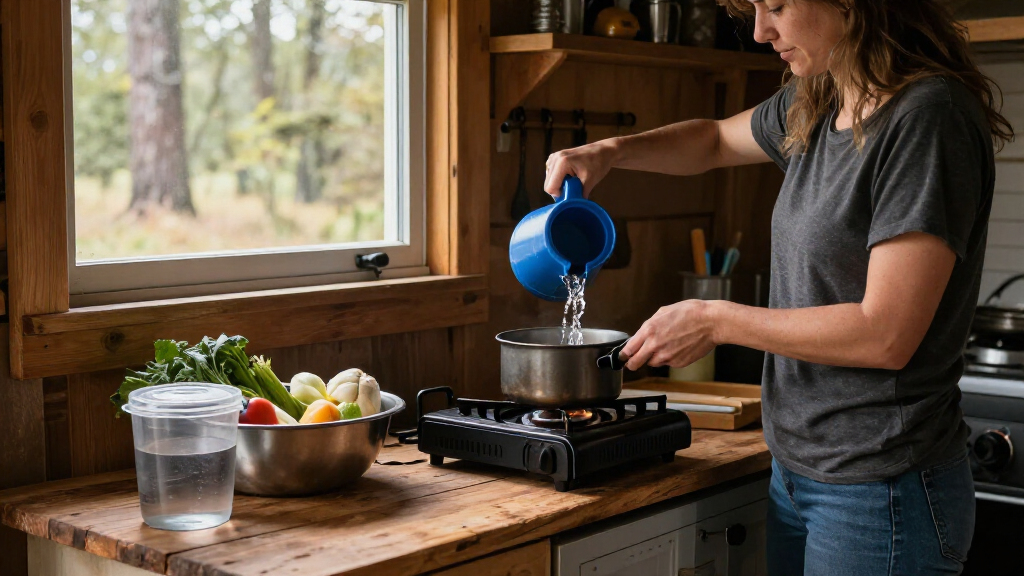
Make a quick plan for the next day: count people, meals, drinking, and handwashing, then add room for hot weather, illness, and activity. If you’re at a cabin, fill a clean jug before the utility is shut off and put a spigot jug beside a catch basin. You can pour a measured amount into a clean pot instead of guessing at the tap. Measuring also makes shortages visible early, while there is still time to switch to foods that need less water.
Keep water for food and drinking separate from wash water. Never reuse dirty dishwater to rinse produce or make soup. Bottled water is suitable when it is potable and has been stored and handled safely; keep it clean and closed until use. [1] Separate containers reduce the chance that a rushed cook mistakes wastewater for a safe supply, a mistake that can undermine the whole food-safety plan.
Water is mainly a planning problem before it becomes a cooking problem: reserve safe water first, then build the menu around what remains.
Products Worth Considering

Vitamix 5200 Professional-Grade Blender, 64 oz. Container, Black

Cuisinart Chef's Classic 7-Piece Stainless Steel Cookware Set

Cuisinart Chef's Classic 17-Piece Stainless Steel Cookware Set
As an affiliate, we earn on qualifying purchases.
Choose meals that leave your water supply intact
How to cook without running water gets easier when you choose foods that need little or no added water. Ready-to-eat food uses the least, while measured-water, one-pot meals limit both cooking water and cleanup. Check storage instructions and labels, and avoid meals that depend on refrigeration if an outage may also cut power. [1] Each extra preparation step carries a cost: rinsing uses potable water, another pan creates more cleanup, and food that must stay cold becomes harder to manage as the outage continues.
For a no-cook lunch, combine shelf-stable bread or crackers with nut butter, canned beans, and dried fruit. If you want a warm supper, instant oats or couscous can work with a measured amount of potable water; cook them in the serving pot and avoid a second pan. A dehydrated meal can be practical too, as long as you have enough safe water for its instructions. A warm meal may improve comfort, but if water is tight, the tradeoff is worthwhile only when the food’s water needs still leave enough for drinking and hygiene.
Before cooking, ask two plain questions: does this food need rinsing, and will it leave a greasy pan? Dried beans need soaking and long cooking, while canned beans can go straight into a bowl or pot. A skillet of fried food may sound inviting, but a thick layer of oil is harder to clean with a cup of water than a simple pot of oats. Thinking through cleanup before choosing dinner helps prevent a small cooking decision from consuming the water reserved for safer priorities.
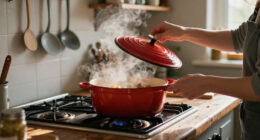
Here’s a useful menu order: eat food that spoils sooner while refrigeration is dependable, then turn to shelf-stable options. Use measured water and keep the lid on a pot to reduce evaporation. The aim isn’t a fancy meal; it’s food that fits your water, fuel, and cleanup budget. When the outage lasts, repeating a simple menu can also make it easier to track supplies and keep food handling consistent.
- Cold options: crackers, shelf-stable bread, nut butter, dried fruit, and ready-to-eat canned foods.
- Hot options: instant oats, couscous, and other foods that use a known amount of water.
- Skip for now: recipes with repeated rinsing, several pans, or ingredients that require reliable refrigeration.
Keep hands and food safe with a simple routine
To cook without running water safely, protect your hands and keep raw food away from food you’ll eat without further cooking. Wash with potable water and soap when you can. If water is scarce, sanitizer containing at least 60% alcohol can help on hands that are not visibly dirty, but it does not replace washing when hands are greasy or soiled. [1] This matters because contaminated hands can carry germs from raw ingredients or bathroom surfaces directly to ready-to-eat food, where there may be no further cooking step to reduce the risk.
Set up the work area before opening food: put a clean board on one side, keep raw meat and its juices contained, and leave ready-to-eat food on a separate clean surface. If you handle raw chicken and then reach for bread with the same unwashed hands, the risk follows your hands to the meal. A clean spoon for serving and a food thermometer, when available, make the routine more dependable. Planning the order of tasks—ready-to-eat foods first, raw meat last—reduces how often you need to wash or sanitize and helps preserve scarce potable water.
Cook food to safe temperatures and follow current food-safety guidance; a thermometer helps you check instead of guessing from color. During a water outage, it may be sensible to serve meals that need less handling, such as hot oats or canned food warmed in one pot. If you are cooking outdoors because the power is out, set the cooking area apart from where children or pets play. Fewer handling steps lower both contamination opportunities and the amount of water needed to clean surfaces between tasks.
Wash hands after using the toilet, handling raw meat, or cleaning up. Sanitizer is a backup for clean-looking hands, not a shortcut for greasy fingers after shaping burgers. In a real kitchen, that distinction matters: a small splash of soap and potable water can prevent contamination that no amount of extra cooking convenience can fix. If soap and safe water are limited, simplify the meal and avoid tasks that leave hands visibly dirty, rather than relying on sanitizer to solve a problem it cannot address.
Wash a pot with a basin, a wipe, and a little water
How to cook without running water while keeping dishes clean is straightforward: scrape first, wash with a little soapy potable water, rinse with a separate small amount, and air-dry. [1] A basin-and-wipe routine keeps water use visible, unlike letting a tap run. It also makes it easier to keep the wash water away from your drinking supply. The sequence matters: removing food and grease before adding water means the wash water stays useful longer and is less likely to spread residue across the dish.
For example, after making couscous in one pot, scrape every grain into the food waste or trash before washing. Use a cloth or paper towel to lift remaining oil, then wash the pot in a basin with soapy water and rinse it separately. Let it air-dry on a clean rack; don’t dry it with a towel that has been sitting beside dirty dishes. Drying fully on a clean surface avoids reintroducing soil after the careful wash and rinse.
Use disposable plates and utensils selectively if they are available and make sense for the length of the interruption. They can reduce dishwashing, but they create waste and do not replace handwashing or safe food handling. A paper plate won’t make a cutting board safe after raw meat touched it, and a plastic fork won’t clean your hands. Their value is greatest when water is scarce and the waste can be managed; for a longer outage, the growing volume of trash may become a separate problem.
For a longer outage, use the same small kit each time: basin, soap, clean cloth, separate rinse water, and a place to air-dry dishes. Keep wash water out of food preparation, and don’t top up your cooking pot from the basin. Scraping a pan promptly is a small habit that saves both water and elbow grease later. A repeatable setup also makes it easier for everyone in the household to follow the same clean-to-dirty routine.
- Scrape food scraps into the appropriate waste container.
- Wipe grease or residue from the dish.
- Wash in a basin with a small amount of soapy potable water.
- Rinse with separate clean water and air-dry.
Keep wastewater away from food, people, and clean water
Used dishwater belongs in a collected basin until you can dispose of it according to local guidance. Keep it away from drinking-water containers, food, children, and pets, and don’t pour it where it can create a hazard or contaminate a water source. If sewer service is disrupted too, local public-health instructions take priority over a routine household cleanup plan. [1] Even ordinary dishwater can contain food residue and grease, and a spill near stored water or a play area can create a hygiene problem after the meal itself is finished.
Suppose your family washes dishes on a porch during a summer outage. A lidded bucket beside the wash station helps prevent spills and keeps a curious dog from drinking greasy water. Once you know the local disposal guidance, empty it in the permitted place and wash the basin with safe water. Keeping the bucket covered also helps everyone distinguish collected wastewater from water that is still safe to use.
Separate wastewater from any clean water you collected for cooking. Mark containers or give them distinct locations: drinking water on a raised shelf, wash water in a basin on the floor or outside. That simple visual difference can prevent a tired person from grabbing the wrong jug after a long day. Clear separation is especially useful when several people share the kitchen and may not know which containers have been used.
Flooding, a water-main break, or a sewer problem can change what is safe. Follow local advisories about sanitation and waste disposal, and contact local emergency or public-health services if you cannot maintain safe drinking water or hygiene. Wastewater needs a plan too; pouring it near food, stored water, or a play area only moves the problem. Disposal guidance can vary with local drainage and sewer conditions, so a familiar routine may not be appropriate during a service disruption.
Match your plan to the outage and cooking setup
Cooking without running water depends on why service stopped, how long it may last, and whether you still have power or fuel. A short outage in a town may call for stored water and a simple cold meal; several days at an off-grid cabin may require a stricter water budget and a steady supply of shelf-stable food. There is no single quantity that fits every household, menu, or climate. [1] The practical implication is to reassess as conditions change: a plan that works for one evening may fail if refrigeration, sanitation, or fuel is lost too.
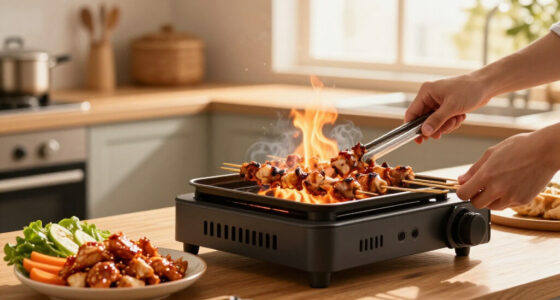
If power is also out, favor foods that do not need refrigeration and can be eaten cold, or use a suitable outdoor cooking appliance. A portable stove belongs outdoors and must follow the manufacturer’s instructions. Never bring a camp stove, charcoal burner, or outdoor grill inside: fuel-burning equipment can cause fires and produce carbon monoxide. [1] Choosing cold food may be less comfortable, but it avoids adding a fuel and ventilation problem to an already limited water plan.
If you’re considering electrical, gas, structural, or roof work to change a kitchen or water setup, use a licensed professional and follow applicable codes and permits. Turn power off where required and use appropriate protective equipment, but don’t treat those precautions as a substitute for professional work on a regulated installation.
Water quality notices can also change your routine. After a water-main break or flood, check the current instructions from your local water utility or public-health agency. A boil-water advisory and a do-not-use notice are not interchangeable: boiling can address certain germs, but it does not remove chemical contamination, so follow the exact local notice. [1] A notice may affect different uses of water, so read the specific instructions before cooking, washing produce, or cleaning utensils; an assumed rule can leave food or dishes unsafe.
| Situation | Useful kitchen choice | What to check |
|---|---|---|
| Short water outage, power on | Use stored potable water and low-water meals | Local water updates and refrigerator condition |
| Water and power outage | Serve shelf-stable food cold or cook outdoors safely | Fuel instructions, food storage, and ventilation outdoors |
| Flood or water-quality notice | Use a known safe supply for drinking and cooking | The exact local advisory and disposal guidance |
Frequently Asked Questions
How much water do I need to cook without running water?
Start with the common emergency-planning baseline of at least 1 gallon (about 3.8 liters) per person per day for drinking and basic needs, then set aside extra for cooking and handwashing. Your menu, climate, activity, illness, and outage length change the amount you need. [1]
Can I cook with bottled water?
Yes, if the water is potable and the bottle has been stored and handled safely. Keep drinking and cooking water separate from wash water, and close the bottle between uses. [1]
Can I use water under a boil-water advisory?
Follow the exact instructions from your local water utility or public-health agency. Boiling can address certain germs, but it does not remove chemical contamination; a do-not-use notice calls for different precautions. [1]
What meals use the least water?
Ready-to-eat foods use the least added water, while one-pot meals such as instant oats or couscous can suit a hot meal when you measure the required water. Skip recipes that need repeated rinsing or leave several greasy pans. Check storage instructions, especially if power is out. [1]
Is hand sanitizer enough when I can’t wash my hands?
Sanitizer with at least 60% alcohol can help when hands are not visibly dirty, but it does not replace soap and potable water for greasy or soiled hands. Prioritize washing after using the toilet, handling raw meat, and cleaning up. [1]
Can I use melted snow or collected rainwater for cooking?
Not automatically. Snow and rainwater can contain contaminants, so use a reliable treatment method suited to the water source and follow public-health guidance. Boiling does not remove chemical contamination or every other hazard. [1]
How can I cook if the power is out too?
Use shelf-stable foods that can be eaten cold, or cook with a suitable appliance outdoors according to its instructions. Never use a camp stove, charcoal burner, or outdoor grill indoors because of fire and carbon-monoxide hazards. [1]
Conclusion
Keep potable water for people, hands, and food; make the menu fit that supply; and give every basin of wastewater a safe destination. Those three choices carry a small kitchen through a short outage and give an off-grid cook a steadier routine.
Set out a clean jug, soap, and a catch basin before you need them. Then, when the tap falls silent, you can still hear the lid settle on a warm pot and sit down to a safe meal.