TL;DR

Get kitchen gear delivered free with Prime
- Fast, free delivery on millions of items
- Prime Video, Amazon Music and more included
- Member-only deals all year
To cook for a group off-grid, choose meals that suit your available stove or fire, calculate ingredients for each person and meal, and plan safe food storage, water, fuel, and cleanup. Test your setup, assign jobs, and bring a permitted backup cooking option because weather, fire rules, and fuel can change the plan.
A pot of stew can feed ten people and still leave everyone hungry if it reaches the fire two hours late. Cooking for a group off-grid means preparing food without relying on household utilities, so your menu, fuel, cookware, water, and timing all need to work together.
This guide walks you through choosing a heat source, estimating portions, storing ingredients safely, dividing the work, and preparing for rain or fire restrictions. You’ll also see why a simple pot of beans or oatmeal can be a better crowd meal than an ambitious recipe that needs constant attention.
The goal is a meal that tastes good, arrives on time, and doesn’t leave one person hunched over smoky pots while everyone else eats. Plan for your actual group and conditions, and off-grid cooking becomes a skill you can repeat, not a gamble you hope works out.
Choose the menu to match your actual heat source, weather, local fire rules, and pot size.
Calculate ingredients by recipe and headcount, then add a modest buffer for appetites or an unexpected need.
Keep perishables cold, separate raw meat from ready-to-eat foods, and use a thermometer when available.
Estimate fuel from guidance or a practice run, and name a permitted backup heat source or no-cook meal.
Assign cooking, water, serving, and cleanup roles before the group gets hungry.
FIELD GUIDE / GROUP MEALS
How to Cook for a Group Off-Grid
Plan the menu, heat, ingredients, water, fuel, and timing as one system. A simple meal that arrives on time beats an ambitious recipe that keeps everyone waiting.
Match the meal to the conditions
No single off-grid cooking method works best everywhere. Consider the fuel, weather, equipment, local restrictions, and time your dish needs.
Propane burner
Offers controllable heat for quick cooking and steady simmering. Check your equipment guidance and carry enough fuel for the planned meals.
Fire or wood stove
Can suit longer cooking when fires are permitted and suitable dry fuel is available. Wind, cold, and changing heat may affect timing.
Solar cooker
Can reduce fuel use in strong sunshine, but capacity, clouds, and cooking time matter. Start early and plan a backup.
Estimate food without guessing
Build the plan from the actual headcount and menu. Scale each recipe, check vessel capacity, then add a modest buffer for seconds or an unexpected need.
A practical planning list
- 1Count eaters and meals. Include children, trip length, and activity level.
- 2Note dietary needs. Account for allergies, vegetarian meals, and medical requirements.
- 3Scale each recipe. Write down ingredients and planned servings for every meal.
- 4Check the pot and timing. Leave room to stir; large vessels take longer to heat.
- 5Add a modest buffer. Prefer shelf-stable extras where practical to limit storage and cleanup.
Plan around the real setup
These are planning dimensions, not fixed portion or fuel quantities. Conditions and equipment determine the final schedule.
Keep the cooking simple and flexible
Choose dishes that scale, tolerate steady heat, and need little hands-on attention. A main dish with flexible sides can keep dinner workable if the pot runs late.
One pot, many bowls
Chili, stew, curry, oatmeal, rice dishes, soups, and pasta sauce can feed several people without a separate pan for every plate.
Adapt the recipe: Match pot size and cookware stability to the heat source. Cast iron and sturdy stainless steel are common options for fires and wood stoves.
Make the busy part shorter
Measure dry ingredients and prep vegetables at a clean, safe workspace. Pack ingredients safely and label meals that need special handling.
Leave room for variation: Wind, cold, fuel quality, cookware, and a large pot can all change the cooking time.
Keep perishables cold in a well-insulated, shaded cooler and open it as little as possible. Separate raw meat from ready-to-eat food, wash hands and utensils, and treat water for drinking and cooking. Use a food thermometer when available; color alone cannot confirm safe doneness.
Give every job an owner
Agree on the sequence before people get hungry. Shared tasks keep one person from tending smoky pots while everyone else waits to eat.
Count & choose
Set headcount, meals, dietary needs, and a recipe that fits the heat source.
Measure & pack
Label ingredients, protect cold food, and gather stable cookware and tools.
Manage heat
Start early, allow a large pot to warm, and adjust to weather and fuel.
Share the work
Assign cooking, water, serving, and cleanup roles before dinner begins.
Clean & secure
Wash with limited water, store food safely, and follow local waste rules.
Choose a Heat Source That Fits Your Meal and Conditions
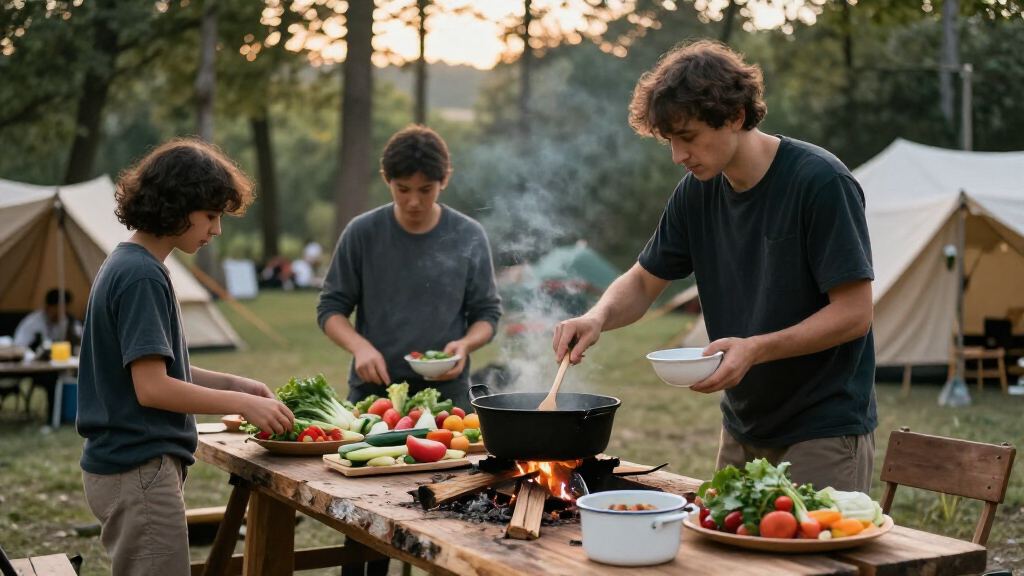
Cooking for a group off-grid starts with matching the meal to the heat source, because a slow fire, compact burner, and solar cooker each handle time and temperature differently. A propane burner gives you quick, adjustable heat; a wood stove or permitted fire suits longer cooking when dry fuel is available; a solar cooker needs useful sunshine and patience. No method wins in every setting.
For example, if you’re making chili for eight on a cool evening, a steady burner or wood stove can keep a heavy pot simmering while you prepare toppings. If you’re using a solar cooker on a clear afternoon, start early with a dish that can cook slowly, such as beans prepared according to their soaking and cooking needs. A sudden cloud or gust can change the timing, so keep another permitted heat source or a ready-to-eat backup meal in mind.
Large pots hold more food, but they also take longer to heat than small pans. That changes how to cook for a group: allow time for the whole pot to warm, and don’t expect a recipe written for a kitchen burner to move at the same pace over a fire. Test unfamiliar methods before the trip, when a late dinner won’t leave ten people eyeing a cold pot.
- Propane burner: controllable and quick, subject to fuel supply and equipment guidance.
- Fire or wood stove: useful for sustained cooking when permitted and supplied with suitable dry fuel.
- Solar cooker: can reduce fuel use in good sun, but weather and capacity affect the schedule.
Check local fire rules before you choose a menu that needs open flame. Use designated fire areas when required, keep water or an appropriate extinguisher nearby, and never leave a fire unattended. For instance, if a fire ban begins during a dry spell, a stove that local rules allow—or a shelf-stable meal that needs little cooking—can keep dinner from depending on a prohibited fire.
Products Worth Considering

Instant Pot InstantChill Ice Cream Maker with Rolled Ice Cream, No Pre-Freezing, 2-Pint

Instant Pot Vortex Plus 6-Quart Air Fryer

Instant Pot Vortex Plus 10-Quart 7-in-1 Air Fryer Oven
As an affiliate, we earn on qualifying purchases.
Estimate Food for the Group Without Guessing
To estimate food for a group, plan each meal by recipe and headcount, then add a modest buffer for bigger appetites or an unexpected guest. Age, activity, meal type, and trip length all affect portions, so one universal serving number can mislead you. Write down who is eating and what you’re serving before you pack.
Say you’re feeding six adults and two children after a long day outside. Pick a recipe that scales, multiply its ingredient quantities by the number of servings you need, and check that your largest pot can hold the finished meal with room to stir. Add a small amount for seconds rather than doubling every ingredient; too much excess food creates extra fuel use, cleanup, and storage problems.
Plan the full day, not only dinner. Oatmeal, rice dishes, pasta sauce, soups, stews, and chili can feed several people without requiring a separate pan for every plate. If you’re cooking for a group with vegetarian guests, children, or medical dietary needs, account for those meals at the menu stage. A clearly labeled pot of lentil stew, for example, gives a vegetarian guest a real meal instead of a plate of side dishes.
A handwritten list makes the plan usable when your phone battery is low. Note the recipe, portions, ingredients, pot, expected cooking time, and any food that must stay cold. Keep it specific: “Friday dinner: eight servings of bean chili; one large pot; canned beans; spice mix; cornbread cooked separately.” That line is easier to act on than “bring food for Friday.”
- Count eaters and meals. Include children and dietary needs.
- Choose recipes and calculate ingredients. Scale each recipe to the planned servings.
- Check pot size and timing. Allow for large pots to heat slowly.
- Add a modest buffer. Choose shelf-stable extras where practical.
Build a Menu That Can Handle Fire, Wind, and Slow Heat
The easiest group menu uses dishes that scale, tolerate steady heat, and don’t demand constant attention. One-pot meals, soups, stews, rice dishes, and pre-prepped ingredients can simplify both cooking and cleanup. This works well when your heat source stays fairly steady; a gusty fire that swings from roaring to barely warm may call for a simpler dish or more supervision.
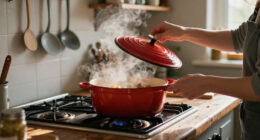
Imagine a windy afternoon at camp. Instead of trying to cook several quick dishes at once, you put a stew in a sturdy pot, set up ingredients for a simple side, and let the main dish simmer while someone tends the fire. Pre-chopped vegetables packed safely, measured spices, and rinsed rice can shorten busy work at the cooking spot. The meal still feels homey: steam fogging the lid, warm bread in a cloth, and bowls passed around the table.
Choose recipes that match your equipment. A large pot suits chili or soup; a pan may be awkward on a narrow burner or unstable grate. Cast iron and sturdy stainless steel are common choices for fires and wood stoves, but the cookware must sit securely on its support. A heavy pot hanging crooked over a fire is like a bucket on a loose gate: it invites a spill when someone reaches for the spoon.
Practice the method once before relying on it for a crowd. A small test run can reveal that your rice needs more water, your firewood burns too quickly, or the cooker’s capacity won’t fit the planned meal. You can also plan a menu with one main dish and flexible sides, so a delayed pot doesn’t leave every plate empty. Think roasted or cooked vegetables when the heat allows, and keep safe, ready-to-eat options available for a longer wait.
- Good crowd dishes: chili, stew, curry, oatmeal, rice dishes, and pasta sauce.
- Prep ahead: measure dry ingredients and chop ingredients when you have a clean, safe workspace.
- Allow for variation: wind, cold, cookware, and fuel quality all affect cooking time.
Keep Ingredients Safe With Coolers, Clean Hands, and Treated Water
Keep perishable ingredients cold until you need them, separate raw meat from ready-to-eat food, and use safe water for drinking and cooking. Food safety depends on handling as well as heat; color alone cannot reliably show whether meat has reached a safe internal temperature. Use a food thermometer when you have one, and follow applicable public-health guidance for cooking and storage.
For a weekend trip, pack raw meat in a well-insulated cooler with ice or frozen packs, keep that cooler shaded, and open it as little as possible. Store ready-to-eat items separately so a leaking package of raw chicken can’t contaminate fruit or bread. If you open the cooler for every drink, warm air keeps sneaking in like an uninvited guest. A separate drink cooler can help preserve the food cooler’s chill.
Plan what you’ll use first. Cook or serve the most perishable ingredients early, and use shelf-stable foods later instead of assuming the cooler will stay cold indefinitely. For example, prepare a meal with chilled meat on the first evening, then rely on properly stored canned beans, rice, and other shelf-stable ingredients the following day. Bring only what you can store safely.
Set up a handwashing and dish station before people start cooking. Keep soap, clean water, and utensils handy; wash hands and surfaces after handling raw meat, and keep raw and cooked foods apart. Treat water when needed under the guidance that applies to your location. A covered container of treated cooking water beside the prep table makes it easier to rinse vegetables or fill a pot without dipping a dirty cup into the supply.
Use a thermometer when available. Meat’s color and texture can fool you; a temperature reading gives you a more dependable check.
Make Fuel, Cookware, and a Backup Plan Work Together
Estimate fuel from the stove maker’s guidance or a practice run, then account for the group size, cooking time, cold weather, and one backup meal. Fuel needs depend on the setup, so a single number for every group would be false confidence. Wood rules, local supply, burner efficiency, and the size of your pot all change the calculation.
For a day of cooking, list each meal that needs heat and how long it is likely to use the stove or fire. If you’re planning a pot of oatmeal, a long stew, and hot drinks for eight people, those are separate demands on the fuel supply. A test run with the same pot and burner gives you a more useful estimate than guessing from a short recipe. Add a reserve that suits your trip and the storage limits of your equipment.
Match cookware to the heat. Use stable supports, sturdy pots, and handles or tools that can tolerate high temperatures. Keep a dry, suitable fuel supply for wood cooking, and protect it from rain. For example, damp wood can make dinner smoky and slow; if rain threatens, keep kindling and cooking fuel sheltered where local rules and safe storage allow.
A backup plan should name a method and a meal. A permitted portable stove may cover a wet evening; shelf-stable food that needs little or no cooking can help when fire restrictions or equipment trouble rule out your first choice. Never use an outdoor combustion stove inside an enclosed space, because it can create a deadly carbon-monoxide hazard. If you’re cooking under shelter, follow the appliance maker’s instructions and keep combustion devices outdoors with proper clearance and ventilation.
- Fuel: estimate using guidance or practice, then account for weather and cooking time.
- Cookware: select pots that fit stable supports and your planned batch size.
- Backup: identify an allowed heat source or a meal that works without cooking.
Assign cooking, water, serving, and cleanup roles before the first meal, and choose one-pot recipes when water is limited. Clear jobs spread the work and keep the cook from juggling a fire, sharp knife, and hungry crowd alone. Even a small group benefits from knowing who is responsible for each part.
For example, at a gathering of ten, one person can manage the heat, another can prep vegetables and keep raw food separate, and a third can handle water and serving. After dinner, a different pair can scrape plates and wash cookware while someone else stores leftovers safely. Rotate roles the next day. That way, the most skilled fire tender doesn’t become the permanent cook and dishwasher.
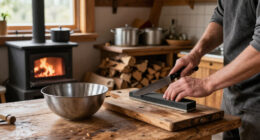
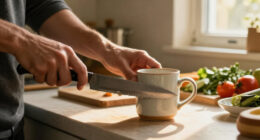
Keep the work area orderly. Put knives and ingredients on a clean prep surface, keep children and loose clothing away from flames, and set hot pots on stable ground out of traffic. If wind picks up, pause and secure lightweight items before they blow into the fire. Cooking near a group is a little like running a small, warm workshop: a clear place for each tool keeps busy hands from colliding.
Scrape dishes before washing to reduce water use, and prepare wash and rinse water in separate containers where appropriate. Follow local guidance for wastewater and food scraps. Store food and dispose of waste according to wildlife and site rules; a tidy camp protects both animals and the next group. For instance, seal scraps promptly rather than leaving them near the cooking area overnight.
- Cook: tend the heat and check the pot.
- Prep: handle ingredients and keep raw foods apart.
- Water and serving: manage clean water, bowls, and utensils.
- Cleanup: scrape, wash, rinse, and store food and waste properly.
Frequently Asked Questions
How much food should I plan per person?
Build a menu first, then calculate ingredients for each recipe and the number of people eating. Age, activity, meal type, and trip length change appetites, so add a modest buffer rather than relying on a fixed portion rule. For a long day outside, plan satisfying meals and check that you can store every perishable item safely.
What is the best off-grid cooking method for a group?
There’s no single best method for every group. A propane burner offers adjustable, quick heat; a wood stove or permitted fire can suit longer cooking when fuel is available; and a solar cooker can work when sunlight and time cooperate. Pick the method that fits your meal, conditions, rules, and equipment, then keep a backup plan.
How do I keep food cold without a refrigerator?
Use a well-insulated cooler with ice or frozen packs, keep it shaded and closed, and separate raw foods from ready-to-eat items. Plan to use perishables early rather than assuming a cooler will stay cold for the whole trip. For later meals, choose shelf-stable ingredients you can store safely.
How can I cook safely over a campfire?
Check local fire restrictions, use a designated area or stable grate when required, and keep children and loose clothing away from the flames. Keep water or an appropriate extinguisher nearby, never leave the fire unattended, and fully extinguish it before you leave. Use a food thermometer when available; meat color alone can’t reliably confirm that it has cooked safely.
What should I do if it rains or fires are banned?
Use a portable stove only where local rules allow it, or serve a shelf-stable meal that needs little or no cooking. Never use an outdoor combustion stove inside an enclosed space because of carbon-monoxide risk. A backup meal such as ready-to-eat food can keep dinner simple when the planned heat source is unavailable.
How can I accommodate allergies and special diets?
Ask about dietary needs before planning, label ingredients, and prepare suitable food with separate utensils and a clean work area to reduce cross-contact. Plan enough food for each guest so someone with an allergy or dietary restriction isn’t left with only side dishes. For medical dietary needs, follow the person’s specific guidance.
Conclusion
Good group cooking off-grid comes down to a few dependable habits: match the meal to the heat, keep ingredients safe, count portions, and share the work. Test your setup and carry a practical backup, especially when weather or local fire rules can change your plan.
When the last pot is scraped clean and the fire is fully out, the best sign of a well-planned meal is simple: everyone ate, the cook got to sit down, and the campsite is ready for morning.