TL;DR

Get kitchen gear delivered free — and shop member deals
- Fast, free delivery on millions of items
- Access to Prime Big Deal Days deals on October 6–7
- Prime Video, Amazon Music and more included
You can make nutritious, satisfying backpacking meals with minimal gear by choosing lightweight ingredients, simple recipes, and efficient cooking methods. Planning ahead and using dehydrated foods saves weight and time, making your trip more enjoyable.
Choose dehydrated, freeze-dried, or pre-mixed ingredients to keep meals lightweight and easy to prepare.
Limit your gear to a small stove, lightweight pot, and water filter—less is more in the backcountry.
Use hot water to rehydrate meals quickly; cold soaking works well for certain foods and saves fuel.
Experiment with flavorings like dried herbs, spices, and condiments to keep meals exciting.
Making your own dehydrated meals at home offers customization, cost savings, and control over ingredients.
Why Your Backpacking Meals Should Be Light, Simple, and Nutritious
When you’re miles from a kitchen, every ounce counts. Lightweight ingredients like dehydrated vegetables, instant grains, and energy-dense snacks make a huge difference. These ingredients matter because they allow you to carry enough calories and nutrients without overloading your pack, which is crucial for maintaining energy and avoiding fatigue. Simple prep means less fuss and more time enjoying the outdoors, but it also reduces the risk of mishaps or delays caused by complicated cooking steps. Meals need to sustain your energy—think high-calorie, balanced options that pack a punch. For example, a trail mix of nuts, dried fruit, and chocolate provides quick carbs and fats, while dehydrated beans and rice deliver lasting carbs and protein. These choices reflect a tradeoff between convenience and nutritional density, emphasizing that even minimal gear can support a balanced diet if selected thoughtfully.
Recent trends show that backpackers are shifting toward gourmet dehydrated foods and DIY mixes, which let you customize flavors and control ingredients. This approach not only saves weight but also keeps your meals exciting after days on the trail. The key is to balance flavor, nutrition, and ease—making every meal a mini celebration after a long day of hiking. The implications are clear: investing in good-quality dehydrated ingredients and customizing your mixes can significantly enhance your trail experience, making it more enjoyable and sustainable over longer trips.
As an affiliate, we earn on qualifying purchases.
The Minimal Gear You Really Need for Cooking on the Trail
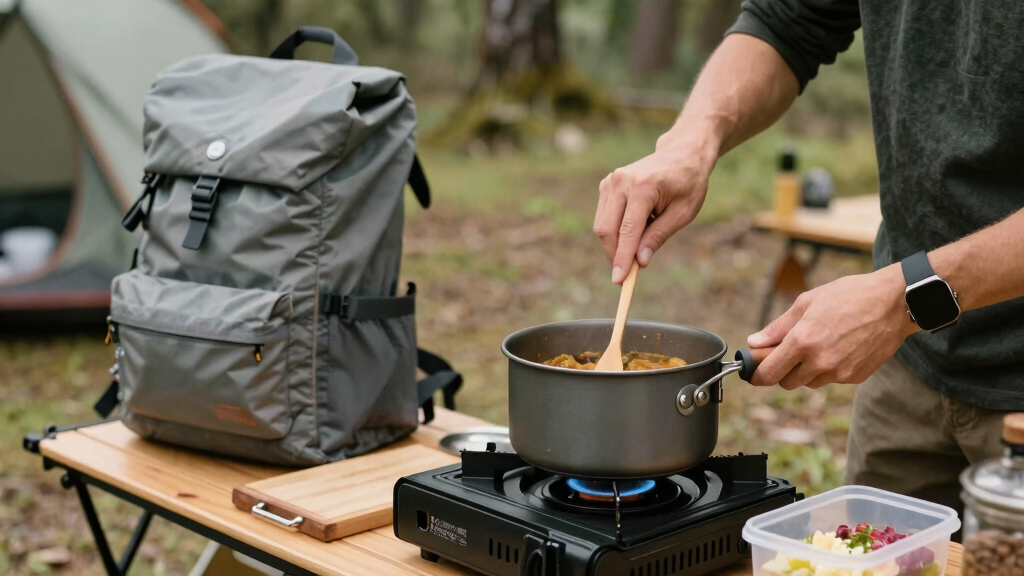
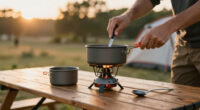
Cutting down your gear list begins with choosing the right tools. A compact stove—like a canister or alcohol stove—paired with a small, durable pot, will handle most cooking needs. A lightweight spork or spoon, a sturdy knife, and a small cutting board are enough for prep and eating. These tools matter because they strike a balance between functionality and weight, ensuring you can prepare a variety of meals without burdening your pack. Don’t overlook the importance of a reliable water filter or purifier—clean water is your most vital resource for rehydration and cooking. Without it, even the best ingredients are useless, and carrying water adds unnecessary weight.
For example, a backpacker might carry a tiny canister stove, a 1-liter titanium pot, and a collapsible cup—everything fits into a small pouch. Some adventurers skip cooking altogether, relying on cold-soaked meals like instant oats or dried fruits. The tradeoff here involves weighing the convenience of minimal gear against the variety and warmth of cooked meals. By choosing versatile, lightweight gear, you maximize your options and reduce the physical toll of your pack, enabling more enjoyable and efficient trips.
As an affiliate, we earn on qualifying purchases.
How to Prepare Nutritious Backpacking Meals with Just Hot Water
- Choose dehydrated or freeze-dried ingredients—think rice, beans, vegetables, or prepared meals. These ingredients matter because they retain most of their nutrients while drastically reducing weight and bulk, enabling quicker rehydration and easier storage.
- Use a lightweight stove to boil water—aim for quick boil times, around 2-3 minutes. Fast boiling saves fuel and time, which is crucial when resources are limited.
- Pour hot water over your ingredients in a sealable bag or pot, then let them rehydrate for 5-10 minutes. Proper rehydration is essential to restore texture and flavor, making your meal more satisfying and easier to digest.
- Stir and enjoy—most meals are ready with minimal cleanup. This method emphasizes efficiency, allowing you to maximize your time and energy in the outdoors while minimizing equipment and mess.
A classic example: dehydrated backpacker chili. You boil water, pour it into the bag of dried chili mix, seal, and wait. The rich aroma of spices fills your camp as the ingredients rehydrate, creating a warm, satisfying meal with just a few minutes of effort. This process highlights how simplicity and planning can lead to delicious, nutritious meals with minimal gear and fuss, reinforcing the importance of selecting the right ingredients and techniques for your trip.
portable water filter for backpacking
As an affiliate, we earn on qualifying purchases.
As an affiliate, we earn on qualifying purchases.
Comparing Common Backpacking Meal Options: No-Cook vs. Cooked
| Feature | No-Cook Meals | Cooked Meals |
|---|---|---|
| Preparation Time | Minutes—just soak or eat cold | 10-20 minutes of boiling |
| Weight | Very light—no stove needed | Moderate—stove and cookware required |
| Flavor & Texture | Limited—mostly soft or cold foods | Warm, savory, and more textured |
| Examples | Oats soaked in cold water, cheese, trail mix | Instant noodles, dehydrated chili, rice and beans |
Choosing between these options depends on your trip length, weight tolerance, and taste preferences. No-cook meals are perfect for quick snacks and very light days, but they may lack the warmth and variety some hikers desire. Cooked meals, while requiring more gear and time, often provide a more satisfying and comforting experience, which can boost morale during longer or more challenging trips. Understanding these tradeoffs helps you tailor your meal plan to your specific needs, balancing convenience, weight, and enjoyment.
As an affiliate, we earn on qualifying purchases.
Smart Tips for Making Your Backpacking Meals Taste Better and Stay Safe
- Flavor boost: Carry dried herbs, spices, and condiments—just a pinch transforms bland into bold. These additions matter because they can turn a monotonous meal into an enjoyable experience, boosting morale and satisfaction. Properly flavored meals can also encourage better eating habits and ensure you’re consuming enough calories and nutrients.
- Meal prep: Pre-mix ingredients at home, like spice blends or dehydrated veggie mixes, to save time and reduce mess during trips. This approach is important because it minimizes the need for additional equipment and reduces the risk of contamination or spoilage, especially when refrigeration isn’t available.
- Food safety: Use vacuum-sealed or airtight packaging for perishable foods. Keep perishable items in a cool, insulated bag and consume early—this prevents foodborne illnesses and spoilage, which can be dangerous in remote environments. Understanding these safety measures ensures you can enjoy your meals without health risks.
- Weight savings: Opt for dehydrated or powdered versions of sauces, cheese, and meats. These options matter because they significantly reduce weight and bulk, allowing more room for other essentials and extending your trip duration without extra gear.
- Experiment: Try cold soaking grains and lentils for a no-cook protein-rich meal. This method can expand your meal options, providing variety and nutritional balance while minimizing gear and fuel use. It encourages creative solutions to common backpacking challenges.
For example, adding a dash of dried cilantro or hot sauce can turn plain rice and beans into a flavorful feast. Small tweaks like these make a big difference during days on the trail, enhancing both taste and morale, which are vital for maintaining energy and happiness in remote settings.
DIY Backpacking Meals: Save Money and Customize Flavors
Making your own dehydrated meals at home isn’t just economical—it allows you to tailor ingredients and flavors to your personal preferences. By cooking and then dehydrating your favorite dishes, you gain control over salt, preservatives, and allergens, creating meals that suit your dietary needs. This process involves cooking the meal fully, then dehydrating it using a food dehydrator or oven set at a low temperature—around 125°F (52°C)—which preserves most nutrients while removing moisture. Proper dehydration ensures the meal becomes lightweight and shelf-stable, reducing packaging waste and bulk.
Package your creations in vacuum-sealed bags or airtight containers, labeling them with the meal name and date for easy identification. This practice helps you build a customized menu that aligns with your nutritional goals, whether you need high-protein, vegan, or allergy-friendly options. The implications are significant: you can save money, avoid unnecessary additives, and enjoy meals that taste just as good as home-cooked, but with the convenience of lightweight, pre-portioned packs. For example, a homemade veggie lentil soup dehydrates into a lightweight block that rehydrates quickly with hot water, offering comforting flavors after a long day. DIY meals empower you to take control of your nutrition and enjoy a more personalized, satisfying outdoor culinary experience.
Frequently Asked Questions
What are the easiest no-cook backpacking meals?
Think trail mix, cheese and crackers, instant oatmeal soaked overnight, dried fruits, and cold-soaked grains like instant rice. These options require no stove and are quick to assemble, making them perfect for short trips or days when you want to keep things simple.
How do I keep my meals lightweight yet nutritious?
Opt for dehydrated or powdered ingredients—think dried beans, lentils, rice, and vegetables. Incorporate high-calorie foods like nuts and dried fruits. Planning balanced meals with these ingredients ensures you get enough energy without adding weight.
What’s the best gear for cooking minimal meals?
A small, efficient stove (like a canister or alcohol stove), a lightweight pot, and a water filter or purifier are essentials. For convenience, choose multi-use utensils and consider collapsible mugs or bowls to save space and weight.
How can I prevent my perishable foods from spoiling?
Use vacuum-sealed packaging, keep perishable items in a cool, insulated bag, and plan to consume them early in your trip. Dry or dehydrated foods don’t need refrigeration and last longer, reducing spoilage concerns.
Can I make vegan backpacking meals?
Absolutely. Dried lentils, beans, grains, and dehydrated vegetables form the base of many vegan meals. You can also find or make vegan dehydrated chili, pasta, or curry mixes—perfect for satisfying plant-based nutrition in the wild.
Conclusion
Mastering simple, minimal-gear backpacking meals turns your outdoor trips into satisfying culinary adventures. Small tweaks in ingredients and prep can make a big difference—fuel your body and lift your spirits after a day’s hike. The next time you pack, remember: less gear, more flavor, and plenty of energy await—ready to power your next adventure.Halloween Picks
halloween
As an affiliate, we earn on qualifying purchases.