TL;DR

Get kitchen gear delivered free — and shop member deals
- Fast, free delivery on millions of items
- Access to Prime Big Deal Days deals on October 6–7
- Prime Video, Amazon Music and more included
A successful campfire cooking setup hinges on choosing the right location, building a steady fire, and using durable gear. Proper fire management and safety are key to enjoying reliable, off-grid meals.
Few things beat the primal satisfaction of cooking over an open fire. But a great campfire setup isn’t just about flair—it’s about reliability, safety, and consistency. Whether you’re prepping a hearty stew or grilling fresh catch, your setup determines success.
If you’ve ever wrestled with a flickering flame or struggled to keep a steady temperature, this guide is for you. We’ll cover how to pick the right spot, build fire that lasts, and choose gear that stands up to the test of wind, rain, and time. Ready to turn raw fire into a kitchen that works? Let’s get started.
Choose a safe, flat spot away from overhangs and dry brush before building your fire.
Use dry, seasoned hardwoods and a proper fire-building method for steady, hot coals.
Invest in durable, versatile cookware like cast iron for long-lasting, reliable cooking.
Manage fire heat by controlling fire size and cookware placement—no thermometer needed.
Always fully extinguish your fire with water and cool ashes before leaving.
How to Pick the Perfect Spot for Your Campfire
The first step in a reliable setup? Find a safe, flat patch of ground away from overhanging branches and dry vegetation. Think of it as carving out your personal kitchen in the wilderness.
Look for a natural clearing or build your own fire ring with rocks. Make sure the area is level—no one wants a rolling skillet or uneven flames. Keep firefighting tools close: water, shovel, or a fire extinguisher—and follow local fire regulations. It’s all about safety and minimizing impact.
Choosing the right spot isn’t just about safety; it influences fire behavior. For instance, building your fire on a slight incline can cause sparks to travel downhill, risking wildfires. Conversely, a flat, wind-protected area helps maintain a steady flame, crucial for consistent cooking. Consider the terrain and weather conditions—if it’s windy, seek shelter or create a windbreak to prevent your fire from flickering out or spreading unintentionally.
As an affiliate, we earn on qualifying purchases.
Build a Fire That Burns Hot and Lasts Long
Good fire-building starts with dry, seasoned wood. Hardwoods like oak or maple burn hotter and cleaner than softwoods. Arrange your fire in a teepee or log cabin style—both allow airflow and help your fire catch quickly.
For steady heat, aim for a bed of glowing coals. This is where the magic happens—consistent, even heat that’s perfect for simmering or slow roasting. Keep adding dry wood as needed, but never overcrowd the fire, which can suffocate it.
Think of your fire as a living organism: the right structure ensures good airflow, which feeds the flames and produces a steady supply of coals. For example, a well-built teepee creates a chimney effect, drawing air through the structure and promoting a hotter, more consistent burn. The tradeoff is that such fires may take longer to reach full heat compared to a quick-starting pile of loosely stacked wood. Understanding these dynamics helps you choose the right method based on your cooking needs and time constraints.
As an affiliate, we earn on qualifying purchases.
Choosing Gear That Holds Up in the Outdoors
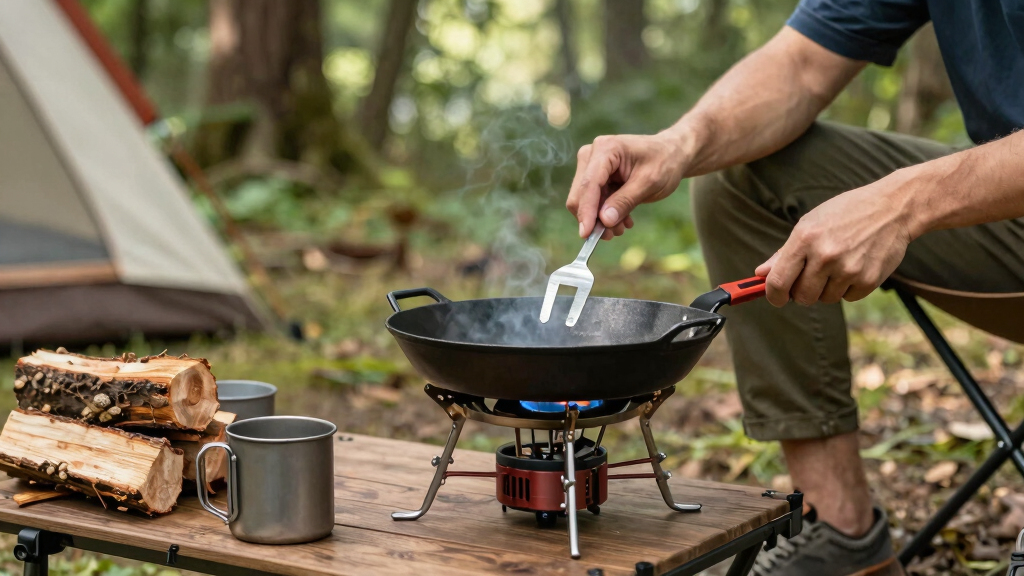
Your cookware can make or break your campfire experience. Heavy-duty cast iron is the gold standard—its heat retention and durability are unmatched. A well-seasoned skillet or Dutch oven can last decades and cook everything from pancakes to stews.
Look for stable stands or tripods to suspend pots, and lightweight, nesting sets for portability. For grilling, a foldable grate or portable grill that sits securely over your fire works best. Remember: gear should be tough, simple, and versatile.
For example, a cast iron Dutch oven is excellent for slow-cooked stews because it evenly distributes heat and retains it even after removing from the fire, allowing you to simmer for hours without constant attention. In contrast, lightweight aluminum cookware heats quickly but cools down just as fast, making it less ideal for prolonged cooking sessions. Choosing the right gear involves balancing durability, weight, and your specific cooking style, especially when backpacking or camping in remote areas where repairs or replacements are costly.
As an affiliate, we earn on qualifying purchases.
Control the Heat Without a Thermometer
Managing fire temperature outdoors is an art. You can’t dial a knob, but you can control heat by adjusting the fire size and placement of your cookware.
Use smaller fires for simmering or slow cooking—think of a gentle, steady glow. For grilling or quick searing, build a larger, more intense blaze. Moving your cookware closer or farther from the flames also helps fine-tune heat.
For instance, if you’re cooking a delicate sauce, keep the flames low and the fire small to prevent burning. Conversely, when searing steaks or grilling vegetables, build a large fire and place your grill grate directly over the hottest part. The key is observation—watch how the flames and coals behave and adjust accordingly, much like a chef monitoring a stove, but with natural cues instead of dials. The tradeoff is that without precise temperature control, you rely heavily on experience and visual cues, which can take time to master but offers a deeper connection to the cooking process in the wild.
portable fire extinguisher for camping
As an affiliate, we earn on qualifying purchases.
As an affiliate, we earn on qualifying purchases.
How to Extinguish Your Fire Safely and Properly
Never leave a campfire burning unattended. When you’re done, pour water over the fire, stir the ashes, and make sure everything is cool to the touch. This prevents accidental wildfires and keeps the environment safe.
Check that no embers glow and that the fire is fully out before leaving. Pack out all trash and leftover food—leave the site better than you found it. Proper extinguishing isn’t just about safety; it’s about respecting the environment. For example, pouring water and stirring ensures that all hot embers are cooled, preventing smoldering fires that could reignite later. If water isn’t available, use dirt or sand—though water is the most effective. Always double-check that your fire area is cool and free of smoke or heat before departing, as many wildfires start from seemingly extinguished fires.
Recent Trends in Campfire Cooking
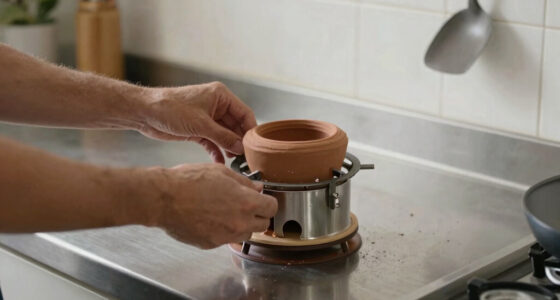
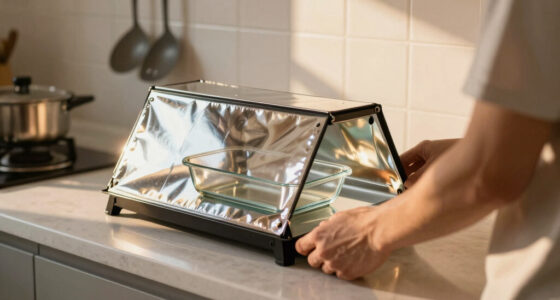
Today’s campers are blending fire with innovation. Portable propane stoves and solar cookers are gaining ground for eco-friendly, low-impact cooking. These options reduce smoke and environmental footprint, especially in fire-restricted areas.
Meanwhile, gear has become more versatile—nesting cookware, foldable grills, and fire-resistant gloves help you cook smarter, not harder. Sustainability is now a priority, with a focus on sourcing local and dry firewood whenever possible.
For example, a solar cooker allows you to prepare meals without any fire at all, which is ideal in areas with fire bans or high fire risk. On the other hand, portable propane stoves provide quick, reliable heat with minimal setup, but require fuel canisters that need to be carried in and out. These innovations offer options suited for different scenarios, balancing convenience, safety, and environmental impact—making outdoor cooking more adaptable and responsible.
Frequently Asked Questions
What is the best way to start a campfire for cooking?
Use dry tinder, small kindling, and seasoned logs arranged in a teepee or log cabin style. Light the tinder, then allow the fire to grow into a bed of glowing coals for steady heat.
How do I control the heat of my campfire?
Adjust the fire size by adding or removing wood, and move your cookware closer or farther from the flames. For simmering, keep a small, smoldering fire; for grilling, build a larger blaze. Watching how the flames behave and adjusting your setup accordingly is key to maintaining consistent heat.
What safety precautions should I take?
Always keep water or a fire extinguisher nearby. Never leave a fire unattended, and fully extinguish it with water before leaving. Follow local rules and fire bans to prevent wildfires.
What cookware is best for campfire cooking?
Heavy-duty cast iron skillets, Dutch ovens, and portable grills are most reliable. They withstand high heat, last decades, and distribute heat evenly for consistent cooking.
How do I extinguish a campfire properly?
Pour plenty of water over the fire, stir the ashes to mix, and check that everything is cool to the touch. Repeat if necessary to ensure the fire is fully out.
Conclusion
A well-planned campfire cooking setup isn’t just about having a fire—it’s about mastering safety, control, and durability. When your fire is reliable, your meals become memorable. Keep your gear simple, your fire safe, and your mind sharp.
Next time you set out, picture that steady glow of hot coals, ready to turn wilderness into your kitchen. That’s where the real adventure begins.
Halloween Picks
halloween
As an affiliate, we earn on qualifying purchases.