
TL;DR

Get kitchen gear delivered free — and shop member deals
- Fast, free delivery on millions of items
- Access to Prime Big Deal Days deals on October 6–7
- Prime Video, Amazon Music and more included
A good campfire cooking setup hinges on safety, proper fire-building, and suitable gear. Recent innovations like lightweight cookware and eco-friendly starters make outdoor cooking easier and greener.
Imagine standing in the woods, flames flickering, the scent of seasoned wood filling the air. Your cast iron skillet sizzles as you cook breakfast over an open flame. That simple joy depends on more than just starting a fire — it’s about building a reliable, safe, and versatile setup that works every time.
If you want to master outdoor cooking, you need more than just good ingredients. You need a plan, the right equipment, and an understanding of fire and heat. This guide will walk you through the essentials — from fire-building techniques to smart gear choice — so you can cook confidently on your next trip.
Build fires with structures like teepees or log cabins to maximize airflow and fuel efficiency.
Invest in durable, heat-retentive gear like cast iron for consistent cooking and longevity.
Control heat by adjusting fire size, cookware placement, and using different fuel types.
Keep your setup organized and respect Leave No Trace for a cleaner, safer environment.
Stay current with lightweight, eco-friendly gear and modular systems to enhance your outdoor cooking experience.
How to Build a Fire That Powers Your Cooking Without Drama
The secret to good campfire cooking? A fire that’s steady, controlled, and easy to manage. Building a fire with the right structure is like crafting a perfect souffle — it needs airflow, fuel, and a plan.
Start with a base of dry tinder — small twigs, pine needles, or paper. Add kindling in a teepee shape, with larger logs around the outside. This setup encourages air circulation, which fuels a hot, steady flame. A log cabin structure, stacking logs in a square with gaps, also works well for longer cooking sessions.
For example, during a weekend camping trip, I built a teepee fire with dry hardwood. The flames caught quickly, and I had a reliable heat source for boiling water and frying bacon. Remember: control the fire size. A fire that’s too big burns through fuel fast and can get out of hand. Keep it manageable, about the size of a basketball.
Keep a bucket of water nearby. Always be ready to douse the flames if needed. Practice safety first — never leave a fire unattended, and follow local regulations.
Why does this matter? Proper fire structure impacts not just safety but also efficiency. A well-built fire maximizes heat output while minimizing fuel waste, which is crucial when you’re miles from supplies. Conversely, a poorly managed fire wastes resources and poses safety risks, especially in dry environments. Understanding these nuances allows you to adapt your fire-building technique to different conditions, balancing heat, fuel consumption, and safety.
As an affiliate, we earn on qualifying purchases.
Choosing the Right Gear for Reliable Campfire Cooking
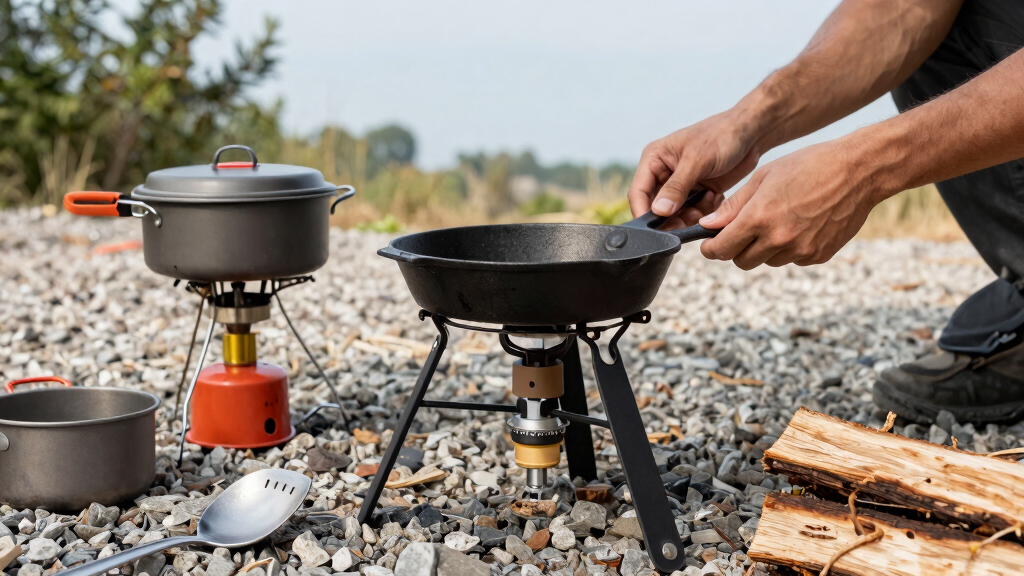
Having sturdy, effective gear makes all the difference. Your cookware should be durable, heat-retentive, and safe for open flames. Cast iron is king here — it can handle high heat, resists warping, and ages like fine wine.
Typical gear includes:
- Cast iron pans for frying and sautéing
- Dutch ovens for stews and baking
- Portable grills or grates for grilling meats
- Skewers and foil packets for quick, versatile cooking
Choosing the right gear isn’t just about durability; it’s about how well that gear interacts with your fire. For instance, thick-walled cast iron retains and distributes heat evenly, which is essential for consistent cooking — especially over uneven flames or coals. Lightweight gear offers portability but may sacrifice some heat retention or durability, so weigh your priorities based on trip length and activity style. Additionally, pre-seasoned cookware reduces preparation time and prevents rust, but regular maintenance is key to longevity. The tradeoff here is between convenience and longevity; investing in high-quality, well-maintained gear often pays off in performance and durability over many trips.
For example, during a backpacking trip, I carried a foldable, lightweight cast iron skillet. It handled everything from pancakes to fish fillets. When selecting gear, look for quality, ease of cleaning, and compatibility with your cooking style, understanding that the right gear can make or break your outdoor cooking experience.
As an affiliate, we earn on qualifying purchases.
Mastering Heat Control to Cook Perfect Meals Every Time
Controlling heat over an open flame is an art — but it’s one you can learn with practice. The goal is to adjust the fire size and position of cookware to match what you’re cooking.
Here’s a simple step-by-step:
- Build your fire with a steady, manageable size — don’t let it roar.
- Use different parts of the fire for different heat levels: flames for high heat, coals for steady, low heat.
- Move cookware closer or farther from the flames to control temperature.
- For simmering or slow cooking, use a bed of hot coals and a heat reflector.
For example, I once cooked a stew over glowing coals, adjusting the position of my Dutch oven to keep it just simmering. It took patience, but that gentle heat delivered tender meat and rich flavors. Mastering heat control isn’t just about turning a knob — it’s about understanding how different fire elements affect your food. Flames provide quick, high heat suitable for searing, while coals offer a steady, consistent heat ideal for slow cooking. Moving your cookware between these zones allows you to fine-tune the cooking process, preventing burning or undercooking. This skill is especially valuable when cooking complex dishes that require precise temperature management, and it’s what separates amateur outdoor cooks from seasoned chefs. The tradeoff? It takes practice to read the fire and adjust accordingly, but the payoff is perfectly cooked meals every time.
As an affiliate, we earn on qualifying purchases.
Organizing Your Setup for Quick Access and Easy Cleanup
Efficiency matters. Keep your utensils, ingredients, and cleaning supplies within arm’s reach. Use fire-safe containers for leftovers and dirty dishes to prevent messes and spills.
For instance, I keep a small, waterproof bag with utensils, salt, and oil. When I finish cooking, I pack out all scraps and ashes, leaving no trace behind. Organization speeds up the process and keeps your camp tidy, so you’re ready for the next meal or to pack up quickly.
Why does this matter? An organized setup minimizes the time spent searching for tools and ingredients, which is crucial when you’re in the wilderness and energy is limited. It also reduces the risk of accidents, such as knocking over hot liquids or leaving trash behind. Properly storing leftovers and cleaning supplies prevents attracting wildlife and helps maintain a clean environment, adhering to Leave No Trace principles. The tradeoff here is investing a little extra time upfront to pack smartly, which pays off with smoother cooking sessions and less hassle during cleanup. Developing this habit ensures you maximize your outdoor experience while respecting nature.
As an affiliate, we earn on qualifying purchases.
Latest Gear and Innovations That Make Outdoor Cooking Easier
Technology and design have come a long way. Today’s gear focuses on portability, multi-functionality, and eco-friendliness. Lightweight foldable grills, compact Dutch ovens, and versatile utensils fit in small packs but pack a punch.
Recent trends include:
- Eco-friendly fire starters made from biodegradable materials
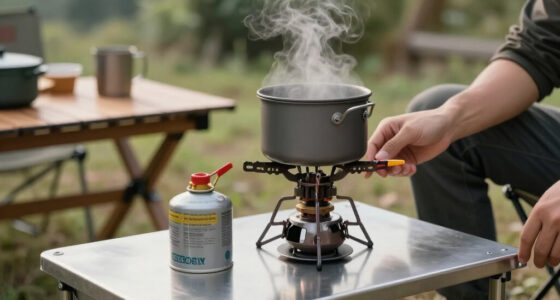
- Alternative fuels like alcohol burners and solar cookers
- Modular systems that combine fire pits, grills, and prep stations
- Safety tech such as portable thermometers and fire sensors
For example, a foldable, stainless-steel grill I used on a weekend trip was light enough to carry in a backpack, yet sturdy enough for steaks and veggie packets. Staying updated on gear can turn your outdoor cooking from a chore into a pleasure. The latest innovations often focus on reducing weight without sacrificing durability, making it easier to carry quality equipment over longer distances. Modular systems allow you to adapt your setup to different environments, whether you’re car camping or backpacking. Safety tech, like portable thermometers, helps you monitor cooking temperatures precisely, reducing the risk of undercooked or burnt food. Embracing these advancements means you can enjoy more reliable, efficient, and eco-conscious outdoor cooking experiences, with less hassle and more fun.
Frequently Asked Questions
What is the best way to start a campfire for cooking?
Use dry tinder like pine needles or crumpled paper, add kindling in a teepee or log cabin shape, then light from the bottom. Keep the fire small and manageable for steady cooking heat.
What cookware is best for campfire cooking?
Cast iron pans and Dutch ovens are the gold standard. They handle high heat, distribute it evenly, and last for years of outdoor use. Choose lightweight, pre-seasoned options for convenience.
How do I control the heat of a campfire?
Adjust the fire size, move cookware closer or farther from flames, and use different fuel types. Glowing coals provide steady, low heat perfect for simmering, while flames are best for quick searing.
What safety precautions should I take?
Clear the area of dry leaves and overhanging branches, keep water or an extinguisher nearby, and never leave the fire unattended. Follow local regulations to prevent wildfires.
How do I clean and maintain my campfire cooking gear?
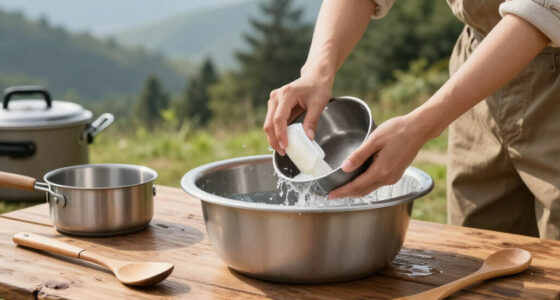
Clean cookware after each use with hot water and a brush, remove ashes, and store in a dry place. Proper maintenance extends gear life and keeps it ready for the next trip.
Conclusion
Mastering a campfire cooking setup isn’t just about making fire — it’s about crafting a reliable system that delivers flavor, safety, and simplicity. With a few smart techniques and the right gear, you can turn any outdoor spot into your personal kitchen.
Think of it like building a small, open-air kitchen — sturdy, efficient, and ready for whatever you throw at it. The next time you’re out in the woods, remember: a well-built fire and smart organization make all the difference. Now, go light that fire with confidence — your next great meal awaits.
Halloween Picks
halloween
As an affiliate, we earn on qualifying purchases.