
TL;DR

Get kitchen gear delivered free — and shop member deals
- Fast, free delivery on millions of items
- Access to Prime Big Deal Days deals on October 6–7
- Prime Video, Amazon Music and more included
Making espresso manually at home requires skill, patience, and proper equipment. Focus on fresh beans, precise grind size, and consistent technique to produce café-quality shots. It’s a craft worth mastering for true coffee lovers.
Imagine pulling a shot of espresso that’s rich, thick, and bursting with flavor — without leaving your kitchen. It’s more than just a drink; it’s a hands-on craft that rewards patience and precision. If you’ve ever felt intimidated by automatic espresso machines, a manual setup might seem daunting at first, but it’s actually a straightforward way to unlock your inner barista. This guide shows you how to start with basic tools, master key techniques, and enjoy every step of the process.
Whether you want better control over your brew, enjoy the meditative act of making coffee, or simply love a good challenge, manual espresso can transform your mornings. By understanding the essentials — from equipment to technique — you’ll soon be brewing espresso that’s full of character and depth, right in your own off-grid or home kitchen.
Start with freshly roasted, good-quality beans; freshness impacts flavor more than anything else.
Fine-tune your grind size and dose carefully — small adjustments matter for perfect extraction.
Practice even tamping and steady pressure — consistency is the secret to great shots.
Keep detailed notes on each shot to learn what works and what doesn’t.
Modern manual machines with pressure gauges or ergonomic features can help you improve faster.
A Beginner’s Guide to Manual Espresso at Home
Manual espresso rewards patience, fresh beans, precise grinding, and repeatable technique. With a simple lever machine, a good burr grinder, and careful notes, beginners can pull rich, café-style shots from a home or off-grid kitchen.
Skill and consistency matter more than automation.
Use beans close to roast date for deeper flavor.
Hot enough to extract, not so hot it burns.
Firm, even compression keeps flow uniform.
Regular practice brings noticeable improvement.
What you actually need first
Start with reliable basics before chasing accessories. The core setup is simple: pressure, grind, dose, tamp, temperature, and a way to track what changes.
Manual lever brewer
A sturdy piston or lever machine lets your hand generate pressure and gives you direct control over the shot.
Consistent burr grinder
Fine, uniform grounds are essential. Aim for a texture closer to powdered sugar than sand.
Tamper, scale, kettle
A fitted tamper, gram scale, and controlled water source make repeatable espresso possible.
Beans
Choose fresh espresso or dark roast beans with chocolate or caramel notes.
Grind
Adjust finer or coarser until the shot flows in the target window.
Dose
Measure 18-20 grams for a double shot and keep the basket level.
Tamp
Press evenly with steady arm pressure so water does not channel.
Pull
Watch for a thin, steady stream with a syrupy honey-like flow.
The variables that shape flavor
Manual espresso is a chain of small choices. Adjust one variable at a time, taste the result, and keep notes so your next shot has a clear direction.
Beginner impact score
Freshness, grind, tamping, and timing have the biggest effect on whether a shot tastes balanced, bitter, sour, or thin.
Temperature sweet spot
Water below range can taste sour or weak. Water above range can emphasize bitterness and burned flavors.
Read the shot, then adjust
Use the shot time and taste as feedback. Fast shots usually need more resistance; slow shots usually need less resistance.
| Signal | Taste / behavior | Likely cause | Next adjustment | Status |
|---|---|---|---|---|
| Under 20 seconds | Thin, sour, pale crema | Grind too coarse or tamp too loose | Grind finer; tamp more evenly | ✗ |
| 25-30 seconds | Sweet, rich, balanced | Good dose, grind, and flow | Record settings and repeat | ✓ |
| Over 30 seconds | Bitter, harsh, dripping | Grind too fine or puck too compact | Coarsen slightly; check tamp | ~ |
| Uneven stream | Mixed sour and bitter notes | Channeling through the puck | Distribute grounds before tamping | ~ |
Small changes beat guesswork
Keep a simple shot log: roast date, dose, grind setting, tamp feel, time, and taste. Patterns appear quickly when the data is written down.
Reduce extraction
Try a slightly coarser grind, shorter pull, or cooler water within the safe range. Change only one thing per shot.
Increase extraction
Try a finer grind, a longer pull, or a steadier lever stroke. Sourness often means the coffee gave up too little.
Improve puck prep
Distribute the grounds evenly, tamp level, and avoid knocking the portafilter after tamping.
Add feedback tools
A pressure gauge, ergonomic lever, or clearer grinder markings can help beginners build repeatable muscle memory.
Common beginner questions
Manual espresso is more effort than automatic brewing, but it gives you control, feedback, and a satisfying hands-on ritual.
Do I need experience?
No. Start simple, practice regularly, and use taste plus timing to guide your adjustments.
How long until decent shots?
Many beginners improve within a few weeks when they track settings and change one variable at a time.
Can I make milk drinks?
Yes, with a steam wand or separate frother. Build espresso consistency first, then practice milk texture.
Is manual better?
It is better for control and craft. Automatic machines win on convenience and speed.
What Equipment Do You Really Need to Start?
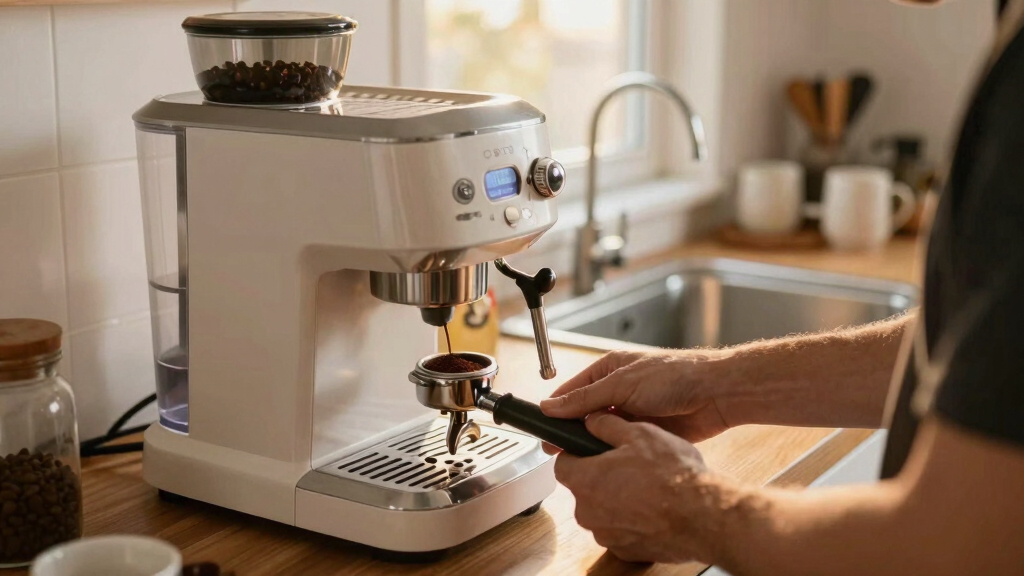
Manual espresso brewing begins with the right tools. You’ll want a sturdy manual espresso machine with a lever or piston mechanism. These machines rely on your hand to generate pressure, giving you full control over the shot. A good burr grinder is equally essential — aim for one that produces a fine, consistent grind, like powdered sugar.
Don’t forget a tamper for even coffee compression and a kettle or water source that can heat water to the right temperature. For beginners, models with ergonomic handles and simple controls make learning easier. As you progress, you might add a pressure gauge or specialized accessories, but start simple.
For example, a basic manual machine paired with a decent burr grinder and a digital thermometer can set you on the right path without overwhelming complexity.
manual espresso machine for beginners
As an affiliate, we earn on qualifying purchases.
As an affiliate, we earn on qualifying purchases.
How to Pick the Best Coffee Beans for Your Shots
Manual espresso at home hinges on the quality of your beans. Freshly roasted, high-quality espresso or dark roast beans make a noticeable difference. Beans should be no older than 4 weeks from roast date — freshness equals flavor.
When choosing beans, look for descriptions like “dark chocolate” or “caramel” — these notes translate well into espresso. Store beans in an airtight container away from light and heat to preserve their flavor.
For example, a bag of freshly roasted Colombian beans with a rich, chocolatey profile can create a smooth, sweet shot, especially when ground just before brewing.
As an affiliate, we earn on qualifying purchases.
Mastering the Perfect Grind Size and Dose
Grinding is the foundation of good espresso. Aim for a fine, powdery texture — finer than sand, closer to powdered sugar. Too coarse, and your shot will be weak; too fine, and it might clog or over-extract.
Start with 18-20 grams of coffee for a double shot. Use a scale for accuracy — every gram counts. Adjust your grinder until the water flows through, taking about 25-30 seconds for a full extraction.
For example, if your shot runs faster than 20 seconds, try a finer grind. If it takes longer than 30 seconds, coarsen the grind slightly.
As an affiliate, we earn on qualifying purchases.
How to Tamp Like a Barista in Your Kitchen
Tamping is pressing the coffee evenly into the portafilter to ensure uniform extraction. Use a tamper with about 30 pounds of pressure — think of pressing down a heavy door handle.
Distribute the coffee evenly in the basket before tamping. Use your wrist and arm — not just your fingers — to press down firmly and evenly. A level tamp results in consistent shots.
For example, after dosing, tap the portafilter gently to settle the coffee, then press with steady pressure until the surface is flat and firm.
As an affiliate, we earn on qualifying purchases.
Making the Shot: Timing and Technique Matter
Pulling a good shot isn’t just about the machine — your timing and technique matter more. Aim for an extraction time of 25-30 seconds for a double shot. Watch the flow: it should be a steady, thin stream, like warm honey.
If it’s too fast, your grind is too coarse or tamping too loose. If it’s too slow or drips, the grind may be too fine or tamping too hard.
For example, during your first tries, you might notice your shot finishes in 15 seconds — that’s a clue to grind finer or tamp with more pressure.
Water Temperature and Pressure — The Art of Control
Manual espresso at home requires you to control water temperature and pressure. Ideal water temperature ranges from 90-96°C (194-205°F). Too hot, and flavors burn; too cold, and extraction is weak.
Pressure is generated manually via the lever — consistent pressure is key. Practice applying steady, even force to avoid under or over-extraction.
For example, a good shot often begins with a smooth, steady lever pull, maintaining even pressure for the entire extraction — like slowly turning a valve to let the water flow just right.
Practice, Patience, and Adjustments — Your Path to Better Espresso
Getting consistent, tasty espresso takes time. Keep notes on grind size, tamping pressure, shot timing, and taste. Small adjustments can make a big difference.
For example, if your espresso tastes bitter, try a coarser grind or shorter extraction. If it’s sour, go finer or extend the brew time.
Consistency is key. Make small adjustments each time and trust your senses — smell, taste, and even sound can guide you to better shots.
Recent Trends Making Manual Espresso Easier and Better
Manual espresso machines now come with features that make learning easier. Ergonomic handles, pressure gauges, and more precise seals help beginners get consistent results.
Some models incorporate simple guides or pressure indicators, so you know if you’re pushing too hard or too soft, like a car’s speedometer for your hand pressure.
Additionally, eco-friendly designs and compact sizes mean you can set up your manual espresso station almost anywhere, from off-grid cabins to urban kitchens.
Frequently Asked Questions
Do I need prior experience to make good espresso at home?
Not at all. While practice helps, starting with simple equipment and following basic steps allows beginners to produce satisfying espresso relatively quickly. Patience and consistency are your best tools.What equipment is essential for a beginner?
A manual espresso machine, a quality burr grinder, fresh beans, a tamper, and a kettle or water heater are the basics. Focus on reliable, straightforward models to keep learning manageable.How long before I start making decent espresso?
Most beginners see noticeable improvements within a few weeks of regular practice, especially if they keep notes and fine-tune their technique each time.Can I make milk-based drinks with a manual machine?
Yes, if your machine includes a steam wand or you have a separate hand-held frother. Practice steaming milk for lattes or cappuccinos alongside your espresso skills.Is manual espresso better than automatic machines?
It depends. Manual machines give you more control and a satisfying hands-on experience, but they require more skill and effort. Automatic machines are more convenient but less customizable.Conclusion
Manual espresso at home isn’t just about making coffee — it’s about embracing a skill that deepens your connection to every cup. With patience, practice, and the right tools, you’ll soon craft shots packed with richness and nuance, rivaling your favorite café.
Think of it as a journey — each shot a step toward mastery. The true reward isn’t just a good espresso, but the satisfaction of doing it yourself, with your own hands, in your own kitchen.
Halloween Picks
halloween
As an affiliate, we earn on qualifying purchases.