TL;DR
Manual food choppers are hand-powered tools for cutting small batches of ingredients without electricity. They work well for jobs like chopping onions, garlic, herbs, and nuts, but results depend on blade design, batch size, and how you operate the tool. Choose for stability, manageable cleanup, and the foods you actually prepare.
An onion can turn a quick weeknight meal into a pile of slippery pieces, a stinging pair of eyes, and a knife board that needs washing. A manual food chopper offers another route: you load a small batch, work a cord, plunger, or crank, and chop without plugging in an appliance.

Get kitchen gear delivered free with Prime
- Fast, free delivery on millions of items
- Prime Video, Amazon Music and more included
- Member-only deals all year
This hand-powered tool suits kitchens where counter space is tight, electricity is unavailable, or you simply need a handful of chopped ingredients. It is not a magic shortcut for every recipe. The bowl, blades, ingredient, and your technique all shape the result.
Here you’ll learn how the main designs work, which foods they handle well, how to get a more even chop, and what to check before buying. A little care can turn a drawer-bound gadget into a useful prep tool; the wrong size or awkward cleanup can send it right back there.
Use a manual chopper for small batches of onions, garlic, herbs, nuts, and many vegetables.
Cut large ingredients into similar-sized pieces and leave room in the bowl for a more even result.
Work in short bursts; a few pulls or presses leave a coarser chop, while extra strokes can turn soft food mushy.
Compare capacity, stability, blade design, cleaning needs, and replacement-part availability before buying.
Handle removable blades by their hub or designated grip, and keep lids or cord mechanisms out of water unless instructions allow washing.
How a Manual Food Chopper Cuts Ingredients Without Power
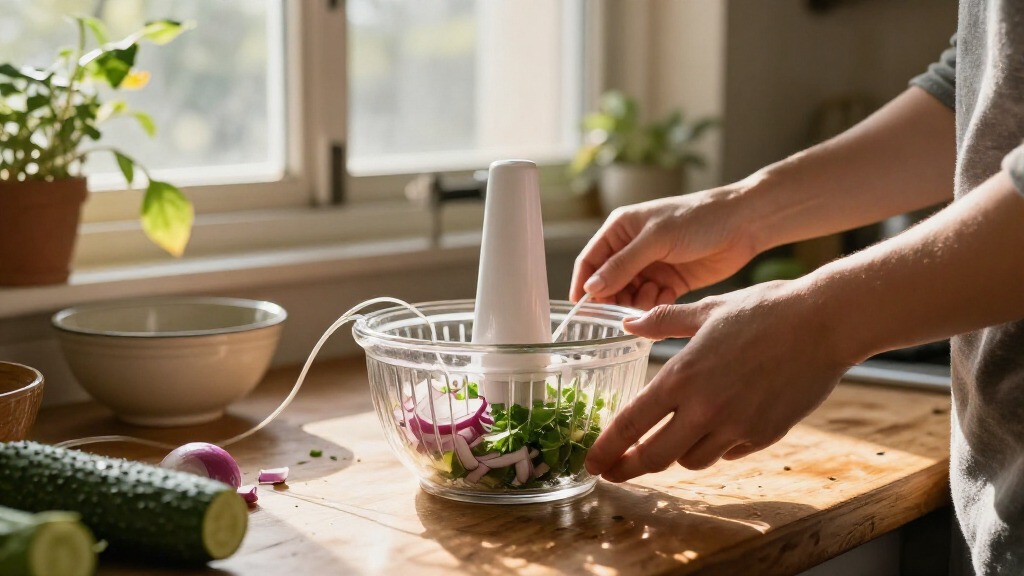
A manual food chopper is a hand-operated tool that cuts ingredients with blades, usually by pulling a cord, pressing a plunger, or turning a handle. Your hand supplies the energy that spins or drives the blade, so you can chop without electricity. The mechanism determines how much control and effort the job takes.
In a pull-cord model, a short tug spins blades inside a bowl; repeated pulls usually make the pieces smaller. A press-down design moves blades when you push a plunger, while a rotary model uses a crank to turn its cutting assembly. These motions change both the pace and the kind of control you have: a cord gives quick bursts, while a crank can feel steadier but takes more continuous effort. Each design uses hand power to cut ingredients with a blade rather than an electric motor.
Imagine preparing two cloves of garlic for soup at a cabin with no power. You can pull a cord a few times, check the bowl, and stop once the pieces suit the pot. The same motion may not produce a perfectly uniform dice, though. A blade catches some pieces before others, and ingredients can bounce or settle away from the cutting path. Blade layout, sharpness, and how food moves around the bowl all affect the final texture.
The bowl keeps pieces contained, which can make small jobs feel tidier than chopping directly on a board. Some clear bowls let you watch the pieces collect, so you can stop before herbs turn to paste. But containment also limits how much food you can process at once: a crowded bowl restricts movement, while a very small load may not reach the blades evenly. The mechanism only helps when you load it sensibly and pause to inspect the food.
Products Worth Considering

Instant Pot Pro 6-Quart 10-in-1 Electric Pressure Cooker

Ninja Foodi DualZone Smart XL Air Fryer, 10-Quart, 6-in-1, Black, DZ550

Le Creuset Signature Enameled Cast Iron Round Dutch Oven, 9 qt, Marseille
As an affiliate, we earn on qualifying purchases.
What to Chop for Faster Small-Batch Prep
Manual food choppers work best on small batches of everyday ingredients, including onions, garlic, herbs, nuts, and many vegetables. They can also break ingredients down for salsa, dips, and sauces. Their advantage is simple: you can handle a modest prep job without setting up a large appliance.
For instance, if your stew needs half an onion and a few garlic cloves, a small bowl chopper may save you from dirtying a full-size processor. A few pulses give you chunky pieces for a rustic soup; more pulses can make a finer base for sauce. Watch closely near the end, because soft or juicy ingredients can go from chopped to mushy with only a few extra pulls. The same blade motion keeps cutting every time you operate it, so each additional stroke has a bigger effect as pieces get smaller and softer.
Ingredients still need sensible preparation. Cut large pieces into roughly similar chunks so they move through the blade more evenly, and follow the model’s instructions before trying hard foods. Pits, bones, and tough skins can damage blades or jam the mechanism. Small and manageable is the right scale: a bowl chopper is handy for a little salsa, but it may not make a large batch with consistent texture. If you have more than the bowl can move freely, dividing the ingredients into batches usually gives better control, at the cost of more loading and cleanup.
For pesto, a chopper can break down herbs, garlic, and nuts, but it may leave a rougher result than a food processor or mortar and pestle. That difference comes from how the ingredients are cut and mixed: chopping reduces them into pieces, but does not necessarily form the smooth, cohesive paste some recipes call for. A rough texture can suit a rustic meal. If you need a smooth, uniform sauce, the tool may not deliver the texture you want.
How to Get an Even Chop Without Turning Food to Paste
To get a more even chop, cut large ingredients into similar-sized pieces, keep the bowl below its recommended capacity, and work in short bursts while checking the texture. Stop and inspect often; the tool can shrink pieces quickly once the blades catch them. This approach gives you more control than operating continuously until the bowl looks full, because each pause lets you judge whether the next stroke will improve the cut or overwork the food.
- Prepare similar pieces. Cut a large onion or firm vegetable into chunks that fit comfortably in the bowl. Similar sizes are more likely to reach the blades at a similar rate, reducing the mix of large pieces and finely cut bits.
- Load a modest amount. Leave room for ingredients to move; a packed bowl can leave some pieces untouched while others get overworked. A smaller load may mean an extra batch, but it gives the blades space to reach more of the food.
- Secure the tool. Set it on a stable surface, close the lid properly, and check that its base does not slide. A tool that shifts can make operation less controlled and harder on your hand.
- Work in short bursts. Pull, press, or crank a few times, then look through a clear bowl or open the tool as its instructions allow. Short bursts let you adjust the pace for ingredients that soften or release juice quickly.
- Stop at the texture you need. A few strokes leave a coarse chop; extra strokes create finer pieces but can make soft ingredients mushy. Consider what the recipe needs: a stew can tolerate varied pieces, while a fresh topping may depend on distinct chunks.
Say you want tomato and onion for a chunky salsa. Chop the firmer onion first, then add tomato in a manageable amount and use fewer strokes. Tomatoes release juice as their cells break down, so continued chopping can quickly turn separate pieces into a wet mixture. If you run the blades too long, juice and pulp can crowd out the distinct pieces that give salsa its fresh bite.
Capacity is not just a number on a product box. It affects whether ingredients move, whether the blades reach them, and whether your hand can operate the mechanism comfortably. When a recipe calls for a large pile of vegetables, work in batches rather than forcing the whole load into a small bowl. You spend more time repeating the steps, but the ingredients have more room to move and the result is easier to control.
Which Chopper Design Fits the Way You Cook?
The right manual food chopper design depends on the motion you find comfortable, the size of your usual batches, and how easy the tool is to keep steady. Pull-cord, press-down, and rotary models all use hand power, but they do not feel the same in use. A quick demo or a look at the mechanism can tell you more than a list of attachments, because repeated force and grip can matter more over time than features you rarely use.
| Design | How you operate it | What to weigh |
|---|---|---|
| Pull-cord | Pull a cord to spin blades in the bowl | Quick for small jobs; the lid and cord mechanism may need careful cleaning |
| Press-down | Push a plunger to drive blades | A straightforward motion, though repeated pressing takes hand and arm effort |
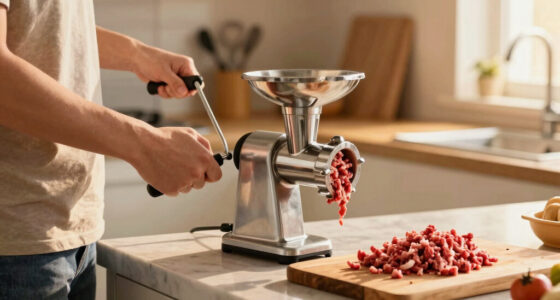
| Rotary | Turn a crank or handle | Offers a continuous hand motion; check how stable it feels while cranking |
Picture chopping nuts for a small batch of oat topping. A pull-cord model might make quick work of it, but you will need to check frequently so you don’t end up with nut butter. If a press-down model feels easier on your wrist, that comfort may matter more than an extra attachment you rarely use. Different motions distribute effort differently, so the design that feels easy for one person or task may feel tiring in another.
When comparing options, check bowl capacity, blade layout, base stability, operating effort, and cleanup instructions. A clear bowl can help you judge texture before opening the lid. Also check whether the maker sells replacement parts; a cracked bowl or lost lid should not automatically make the whole tool useless. These details affect whether the chopper is convenient after the novelty wears off: an awkward lid or difficult cleanup can erase the time saved during prep.
Where Manual Choppers Hit Their Limits
A manual food chopper handles basic chopping in modest quantities, but it usually cannot replace a knife or food processor for every kitchen task. It may leave uneven pieces, struggle with hard or fibrous ingredients, and take more hand effort than expected. Its value depends on the jobs you repeat, not the number of accessories in the box.
Suppose you are preparing vegetables for a large family meal. A compact chopper may need repeated batches, each one adding another round of loading and unloading. A knife can be faster for a few precise slices, while a food processor can manage larger amounts and a broader range of tasks. The hand-powered option shines when the batch is small and the cut can be approximate. As quantity grows, the repeated manual strokes and pauses can outweigh the time saved on each small load.
Texture is another limit. Chopped salsa can be pleasingly rustic, but a chopper may not produce the smooth consistency you expect from a blender or processor. A chopping blade reduces ingredients into pieces; blending also breaks them down and mixes them into a more continuous texture. And while onion pieces pass through quickly, the design cannot promise a tear-free job. A contained bowl may reduce the time you handle cut onion, but it does not guarantee that your eyes will stay dry.
Consider your own routine before buying. If you chop a few cloves of garlic or a handful of herbs several times a week, a compact tool may earn its drawer space. If you mostly prepare large batches or need neat, identical dice, a knife and cutting board may suit you better. The useful comparison is how often the chopper saves setup and cleanup time versus how often its smaller capacity makes you repeat the work.
Clean Sharp Blades Safely and Keep the Tool Ready
Cleaning a manual food chopper calls for care around sharp, removable blades and attention to the mechanism’s care instructions. Some bowls and blade assemblies can go in a dishwasher, but lids or cord mechanisms may need to stay out of water. Check the specific model before soaking or washing any part.
After chopping garlic, herbs, or onion, rinse the bowl and blade assembly soon so food does not dry into the corners. Remove blades only as directed, handle them by the hub or designated grip, and use a brush or careful rinsing to clear residue. Never reach blindly into a bowl with blades hidden beneath food. They can slice a finger even when the tool is sitting still.
For example, after chopping a small bunch of parsley, you might lift the blade by its center grip, rinse it under the tap, and wash the bowl separately. If the lid contains a pull cord or gearing, wiping it clean may be safer than immersing it. The right routine depends on the maker’s instructions, so keep those directions handy instead of guessing.
Storage also affects safety and longevity. Dry parts fully, keep sharp blades covered or secured, and place them where you will not grab them by accident while reaching into a drawer. A stable base, secure lid, and safe blade storage are practical features; they matter every time you prepare food, not just on the day you buy the tool.
Decide Whether a Manual Chopper Belongs in Your Kitchen
A manual food chopper is worth buying when you often need to chop small amounts without electricity and feel comfortable operating and cleaning the mechanism. It can suit a compact kitchen, a cabin, or a quick meal where a full-size processor would take longer to set up than the ingredients take to chop. The best fit is the one you will reach for on an ordinary Tuesday.
Think of making a quick bean dip: a small bowl chopper can mince garlic and herbs before you stir them into the beans. But if your usual weekend project involves several kilos of vegetables, the same bowl may slow you down. Capacity and effort shape the experience as much as blade sharpness does.
Before buying, compare the bowl size with your typical recipe, test whether the operating motion seems comfortable, and read how the parts come apart for cleaning. Check for a non-slip base, a lid that locks securely, and replacement parts if the maker offers them. Extra slicing or whisking attachments can help when you will genuinely use them, but they do not make a basic chopper better at jobs it was not built to do.
Recent models often highlight compact storage, multiple blade configurations, larger bowls, non-slip bases, and accessories. Those are broad product trends, not proof that a particular model performs well. Check current specifications and independent reviews for the exact tool you are considering. A durable, easy-to-clean design paired with your real cooking habits beats a crowded feature list.
Frequently Asked Questions
What can you chop in a manual food chopper?
Most models can handle small batches of onions, garlic, herbs, nuts, and many vegetables. Check the maker’s instructions before using hard foods, ingredients with pits, or items with bones or tough skins.
Can a manual chopper replace a food processor?
Usually not. A manual chopper suits small, basic chopping jobs, while a food processor handles larger batches and a wider range of tasks. If you often prepare large quantities, a small bowl can become a bottleneck.
How do you get an even chop?
Cut large ingredients into similar-sized pieces, avoid overfilling the bowl, and operate the chopper in short bursts. Check the texture as you go; extra strokes can quickly make soft ingredients mushy.
Are manual food choppers dishwasher-safe?
Some models have dishwasher-safe bowls or blades, but lids and cord mechanisms may need hand cleaning. Follow the model’s care instructions before placing any part in water or a dishwasher.
How do you clean the blades safely?
Remove blades as directed and hold them by the hub or a designated grip. Use a brush or careful rinsing rather than reaching blindly into the bowl, and store blades covered or secured after they dry.
Can a manual chopper make salsa or pesto?
Many models can chop ingredients for a small batch of salsa or pesto, but the texture may stay rougher than a blender or food processor’s result. Add ingredients in manageable amounts and stop to check before the mixture turns too fine.
Can a manual chopper stop onions from making you cry?
It may shorten the time you spend cutting and handling onion pieces, especially if its bowl contains them well. It does not guarantee tear-free chopping; results depend on the design and how the onion moves through the blades.
Conclusion
Choose a manual food chopper for the work it handles well: small, everyday prep without power. Match the bowl and operating motion to your cooking, chop in short bursts, and clean sharp parts by the maker’s directions.
When the power is out or the kitchen is quiet, a handful of onion can still become dinner. Let your hands set the pace.