
TL;DR
Listen free for 30 days with Audible
Thousands of audiobooks and originals — cancel anytime.
Start your free trialAs an affiliate, we earn on qualifying purchases.
Pasta sales are experiencing a significant rise across the United States, with new varieties and marketing strategies fueling consumer interest. This trend impacts food industry markets and consumer eating habits.
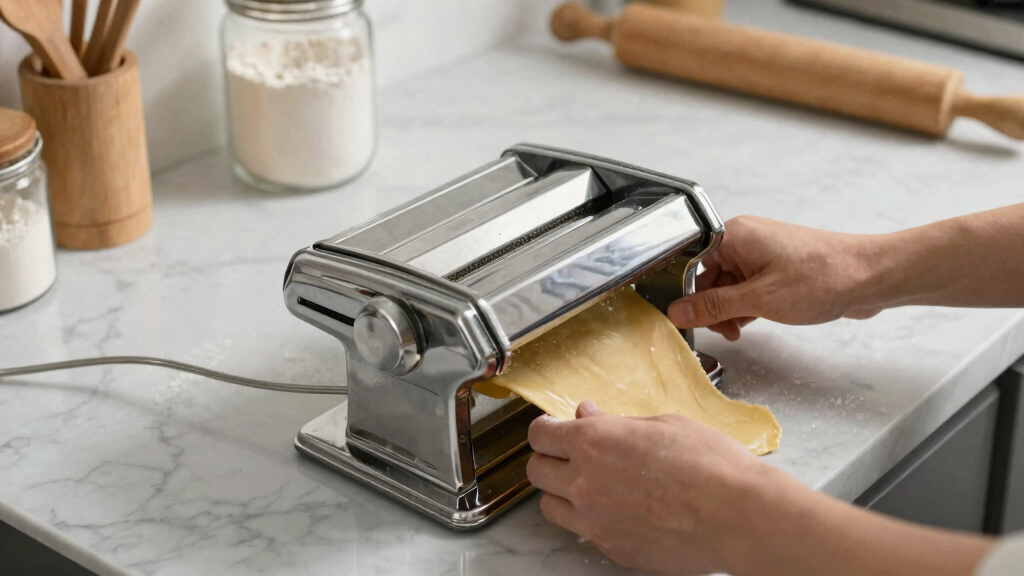
Pasta sales in the United States have surged by approximately 20% over the past year, according to industry reports. This growth is attributed to increased consumer interest in Italian cuisine and the introduction of innovative pasta products by major food companies. For those interested in making their own pasta, check out our best hand crank pasta maker guide.
Data from the National Food Market Analytics indicates that pasta sales reached an all-time high in the third quarter of 2023, with a notable increase in both traditional and gluten-free varieties. Hand-Cranking Pasta: Dough, Thickness, and Drying. Several leading brands have launched new product lines, including organic, plant-based, and flavored pastas, which have contributed to the overall growth. Retailers report that pasta has become a staple in household kitchens, especially among younger consumers seeking quick, versatile meal options.
Expert analysis from food industry consultant Maria Lopez states, “The rise in pasta consumption reflects a broader shift towards convenience foods and international cuisines, which can be explored further in our pasta salad recipe.” Manufacturers are capitalizing on this trend by offering more diverse options to meet consumer demand.”
Impact of Increased Pasta Consumption on Food Markets
The rising popularity of pasta signifies a shift in consumer preferences towards quick, versatile, and culturally diverse foods. This trend benefits food producers and retailers through increased sales and product innovation, while also influencing restaurant menus and culinary trends. It may also impact supply chains for key ingredients like wheat and durum semolina, with potential effects on prices and agricultural practices. For consumers, it offers more variety and options for meal preparation, aligning with evolving dietary preferences.As an affiliate, we earn on qualifying purchases.
Recent Trends and Market Drivers in Pasta Consumption
Over the past decade, pasta has experienced fluctuating popularity, but recent trends show a sustained increase in demand. Factors include the expansion of Italian cuisine’s influence globally, the rise of plant-based diets, and the convenience of pasta as a quick meal solution. In 2022, the U.S. pasta market was valued at approximately $4 billion, with projections indicating continued growth through 2025. The COVID-19 pandemic also contributed to increased home cooking, boosting pasta sales as a pantry staple.
Major food companies have responded by launching innovative products, such as chickpea pasta, black bean pasta, and flavored options like spinach or tomato. These developments have helped diversify the market and attract health-conscious consumers.
“We’ve seen a 25% increase in pasta sales in our stores over the last year, especially in organic and gluten-free varieties, indicating a strong consumer shift.”
— John Carter, Major Retail Chain Buyer
As an affiliate, we earn on qualifying purchases.
Unconfirmed Factors and Future Market Uncertainties
It is not yet clear how sustainable the current growth rate will be beyond 2023. Factors such as supply chain disruptions, wheat price fluctuations, and changing consumer health trends could influence future sales. Additionally, the long-term impact of new product innovations on traditional pasta markets remains to be seen.As an affiliate, we earn on qualifying purchases.
Upcoming Market Developments and Consumer Trends to Watch
Industry analysts expect continued innovation in pasta products, including functional and health-focused varieties. Retailers are likely to expand their offerings to include more international flavors and organic options. Market research firms will monitor whether the growth persists into 2024 and beyond, with potential shifts driven by economic factors or changing dietary habits.
Manufacturers may also increase marketing efforts emphasizing sustainability and health benefits, aiming to sustain consumer interest and market expansion.
As an affiliate, we earn on qualifying purchases.
Key Questions
What types of pasta are driving the current market growth?
Traditional wheat pasta remains popular, but there is a significant rise in gluten-free, organic, and plant-based pasta varieties, which are attracting health-conscious consumers.
How has COVID-19 influenced pasta sales?
The pandemic led to increased home cooking and pantry stocking, boosting pasta sales as a convenient and versatile meal option.
Are new pasta products affecting traditional brands?
Yes, innovative products like flavored and health-focused pastas are expanding the market and challenging established brands to diversify their offerings.
What are the main drivers behind the increased interest in pasta?
Key drivers include consumer desire for convenience, health benefits, and the global popularity of Italian cuisine, along with product innovation by manufacturers.
Will pasta sales continue to grow in the coming years?
Market analysts predict continued growth through 2024, though the pace may slow depending on economic conditions and supply chain stability.
Source: google-trends
Fall Picks
fall essentials
As an affiliate, we earn on qualifying purchases.