
TL;DR

Get kitchen gear delivered free — and shop member deals
- Fast, free delivery on millions of items
- Access to Prime Big Deal Days deals on October 6–7
- Prime Video, Amazon Music and more included
This article explains the nutritional benefits of beans, compares dried and tinned options, and offers practical tips for beginners. It highlights beans as a versatile, affordable, and healthy ingredient with cultural significance.
Recent trends on social media, especially TikTok, have spotlighted the nutritional power of beans, with cooks claiming they alleviate anxiety, inflammation, and hormonal issues. This renewed interest has brought attention to beans as a health-boosting, affordable, and versatile ingredient, prompting a broader public exploration of how to cook and incorporate them into everyday meals.
For months, TikTok videos under the hashtag #beantok have showcased the health benefits of soaking and simmering various beans, including cannellini, borlotti, and black beans. Experts confirm that beans are rich in fiber, protein, iron, zinc, and antioxidants, making them a nutritional powerhouse. One cup of cooked beans can provide up to one-third of an adult’s daily fiber requirement, supporting digestive health and reducing the risk of bowel cancer, according to Associate Professor Evangeline Mantzioris of Adelaide University.
While social media has popularized beans as a wellness food, their culinary history is extensive and rooted in many cultures. From Italy’s ‘mangiafagioli’ to South Asian dal, Middle Eastern vegan dishes, and African bean stews, beans have long been a staple in diverse cuisines. Food writers emphasize that beans are an economical source of satiety and nutrition, with a can costing around $2. Experts advise that dried beans generally have better texture and flavor for certain dishes, though tinned beans are convenient and nutritionally comparable after cooking.
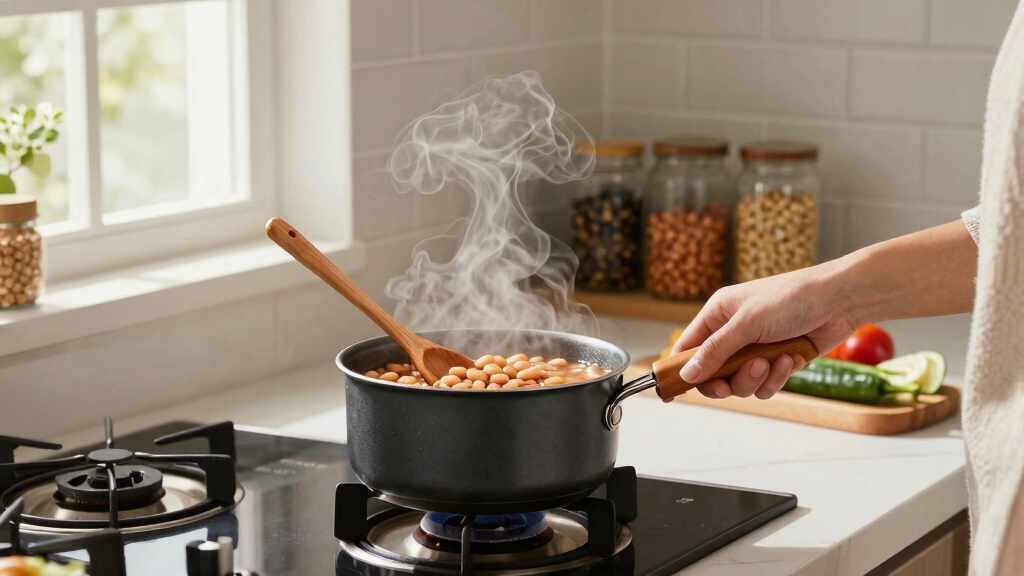
Cooking tips include salting the water from the start to enhance flavor and reduce cooking time, countering the myth that salt toughens beans. Additionally, soaking beans reduces cooking time and improves digestibility. While beans are known for causing gas, nutritionists suggest that this indicates healthy gut microbiota processing fiber, and that adjusting pH levels during soaking can help mitigate bloating.
Why Beans Are a Nutritional and Cultural Staple
Understanding the nutritional benefits and culinary versatility of beans can encourage healthier eating habits and reduce reliance on processed foods. As a cost-effective, sustainable protein source, beans support both individual health and environmental goals. Their cultural significance also highlights their role in diverse cuisines, fostering greater appreciation and culinary experimentation among home cooks.
dried beans soaking and cooking set
As an affiliate, we earn on qualifying purchases.
As an affiliate, we earn on qualifying purchases.
Historical and Cultural Roots of Bean Consumption
Beans have been cultivated and consumed for thousands of years, originating in the Americas and spreading globally through trade and migration. They have long been central to diets in Mediterranean, South Asian, Middle Eastern, African, and Latin American cuisines. Recent social media trends have revived interest in their health benefits, aligning modern wellness movements with traditional culinary practices.
“Beans are the unsung hero of bulking out a meal, offering protein, fiber, and satiety at a low cost.”
— Alice Zaslavsky
As an affiliate, we earn on qualifying purchases.
Unanswered Questions About Cooking and Digesting Beans
While the nutritional benefits of beans are well established, some details remain unclear. For example, the extent to which different cooking methods affect nutrient retention varies, and the best practices for reducing gas without compromising flavor are still being studied. Additionally, the long-term health impacts of increased bean consumption from social media trends are not yet fully understood.
As an affiliate, we earn on qualifying purchases.
Future Trends in Bean Consumption and Research
Expect further research on optimizing cooking methods to maximize nutrient retention and minimize digestive discomfort. Culinary innovations and recipes are likely to expand as more home cooks experiment with beans. Public health campaigns may also promote beans as a sustainable, nutritious protein source, encouraging broader dietary shifts toward plant-based eating.
As an affiliate, we earn on qualifying purchases.
Key Questions
Are canned beans as healthy as dried beans?
Yes, according to experts like Evangeline Mantzioris, tinned beans are nutritionally comparable to dried beans after cooking, though dried beans often have better texture for certain dishes.
How can I reduce gas caused by beans?
Adjusting the pH of soaking or cooking water and including a strip of kombu can help reduce bloating. Proper soaking and cooking also aid digestion.
What are the best types of beans for flavor and nutrition?
Deeply colored beans like kidney and black beans tend to have more intense flavor, while white beans are more delicate. Choose based on your dish and flavor preference.
Should I salt the water when cooking beans?
Yes, salting from the start enhances flavor and reduces cooking time, contrary to old myths suggesting it toughens the beans.
Can beans be included in vegan or vegetarian diets?
Absolutely, beans are a key source of plant-based protein and are widely used in vegan and vegetarian cuisines worldwide.
Source: Guardian Life
Fall Picks
fall essentials
As an affiliate, we earn on qualifying purchases.