TL;DR

Get kitchen gear delivered free with Prime
- Fast, free delivery on millions of items
- Prime Video, Amazon Music and more included
- Member-only deals all year
Root cellaring is an age-old method of storing produce in a cool, humid environment. It can keep fruits and vegetables fresh for months without electricity, especially when you understand the right conditions and suitable produce.
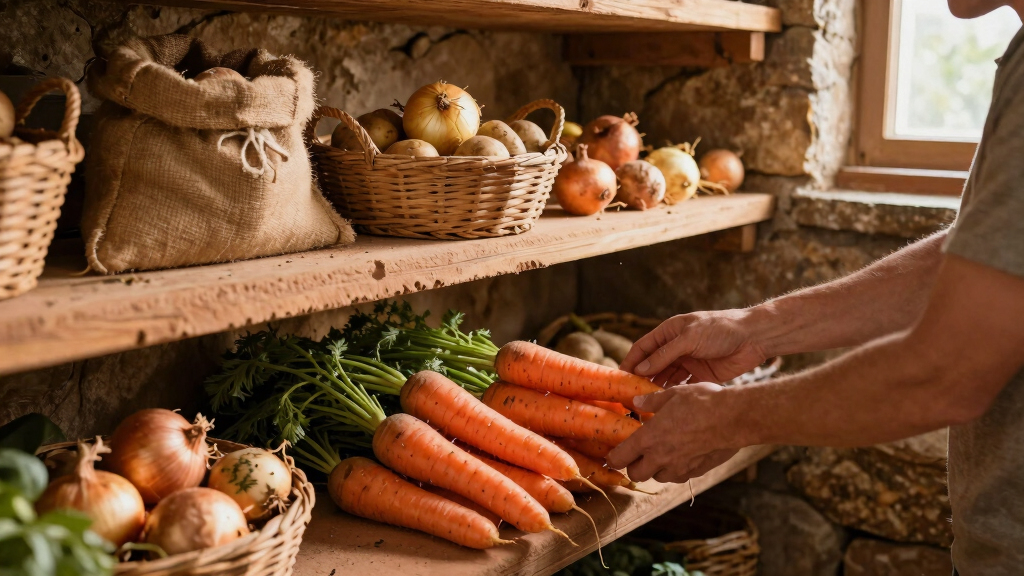
Imagine harvesting a bushel of carrots in late fall, then keeping them fresh through winter without a refrigerator. That’s the magic of root cellaring — an ancient, simple technique making a comeback among homesteaders and sustainability enthusiasts. It’s not just about saving energy; it’s about reconnecting with the natural rhythms of food preservation.
In this guide, you’ll learn what makes a good root cellar, which produce works best, and how you can set up your own. Whether you’re off-grid, aiming to cut energy costs, or just love the idea of storing food naturally, this method offers a reliable, low-tech solution.
Choose hardy produce like carrots, potatoes, apples, and onions for best results.
Maintain a stable environment: 32-55°F, 85-95% humidity, with good airflow.
Build your own simple cellar using natural materials, and monitor conditions regularly.
Regularly inspect stored produce for signs of spoilage or pests and act quickly.
Root cellaring can preserve food for months, reducing energy use and waste.
What is root cellaring and why it still matters today
Root cellaring is a traditional method of storing fruits and vegetables in a cool, humid space. Think of it as a natural refrigerator, but without the electricity. The idea is to keep produce at steady, moderate temperatures and high humidity, which significantly slows down the natural decay process and sprouting. This extended freshness allows you to enjoy seasonal foods well beyond their typical shelf life, reducing reliance on energy-intensive appliances.
Historically, families used cellars in basements, hillside caves, or insulated sheds, leveraging the natural earth’s cooling properties. This method thrived long before modern refrigeration, helping preserve crops from spoilage during winter or for long-term storage. Today, as energy costs rise and climate concerns grow, root cellaring offers a sustainable, low-cost alternative that aligns with environmentally conscious living. It also encourages a deeper connection to seasonal eating and local food systems.
Research indicates that properly stored root vegetables can last anywhere from 3 to 12 months, depending on the variety and storage conditions. This variability is important because it highlights the need for understanding your specific environment and produce. The ability to extend the shelf life of harvests reduces food waste, ensures a steady supply of fresh produce during lean months, and minimizes energy consumption—making it both an ecological and economic win.
As an affiliate, we earn on qualifying purchases.
How to pick the best produce for your root cellar
The secret to successful root cellaring lies in selecting produce that can withstand long storage periods without refrigeration. Not all fruits and vegetables are suitable; understanding why some last longer and how their characteristics influence storage life is crucial. Hardy, dense, and less delicate produce naturally resists spoilage and sprouting, making them ideal candidates for a low-tech, natural storage environment.
Choosing the right produce means considering its natural durability, how it’s cured post-harvest, and its moisture content. For example, dense root vegetables like carrots and beets have thick skins and low moisture loss, which helps them stay crisp and sweet over months. Fruits like apples and pears have natural sugars and skins that protect them from rapid decay, especially if stored in a cool, humid environment. Onions and garlic store well because their dry, papery skins and low moisture content inhibit mold and rot. Winter squash and cabbages are hardy, versatile, and resistant to spoilage when kept in the right conditions.
In contrast, delicate greens and berries are highly perishable, with high moisture content and fragile skins, making them unsuitable for long-term storage without refrigeration. They require quick consumption or preservation methods like freezing or canning.
For example, a small Maine farm cures carrots in a dark, airy shed for two weeks, allowing their skins to toughen and moisture to stabilize. Once cured, these carrots can stay crisp and sweet for up to six months in the root cellar, demonstrating how proper preparation and selection directly influence storage success.
This highlights that the choice of produce is not just about what’s harvestable but also about understanding the biological and physical traits that enable longer storage. By selecting appropriate crops, you maximize the benefits of root cellaring and reduce waste.
As an affiliate, we earn on qualifying purchases.
Creating an ideal environment: Temperature, humidity, and ventilation
Root cellaring depends heavily on maintaining stable environmental conditions—cool, humid, and well-ventilated. The temperature range of 32°F to 55°F (0°C to 13°C) is critical because it slows down metabolic processes in produce, preventing premature sprouting and decay. Too cold, and you risk freezing delicate items; too warm, and spoilage accelerates, shortening storage life. Achieving a narrow temperature window ensures produce remains in a dormant state, preserving freshness longer.
High humidity—around 85-95%—is essential because it prevents produce from drying out and shriveling. Maintaining this humidity level keeps the moisture content of the produce intact, which is vital for flavor and texture. However, excessive moisture can promote mold and rot, so balancing humidity is key.
Ventilation is equally important; fresh air circulation prevents the buildup of ethylene gas, mold spores, and excess moisture, all of which can lead to spoilage. Proper airflow helps regulate temperature and humidity, creating a stable environment that mimics natural underground conditions.
For example, a volunteer in Vermont built an underground cellar using an old shed, insulating walls with straw bales and installing a small vent pipe. The combination of insulation and ventilation created a consistent cool and humid environment, effectively extending the storage life of potatoes and other root vegetables for months. This demonstrates how simple modifications can optimize storage conditions and improve longevity.
To achieve these conditions, use tools like a thermometer and hygrometer regularly to monitor your environment. Insulate walls with natural materials such as straw, wood, or earth to maintain consistent temperatures. Install adjustable vents or small fans to control airflow, and keep produce off the ground on slatted shelves or pallets to promote air circulation. These steps help create a stable, self-regulating environment that extends the freshness of your stored produce.
cooling and humidifying storage bins
As an affiliate, we earn on qualifying purchases.
As an affiliate, we earn on qualifying purchases.
Building your own root cellar: Step-by-step guide
Building a root cellar can be as simple or as elaborate as your space and needs allow. The key is controlling the environment and ensuring easy access for regular inspection and harvesting. Here’s a practical, step-by-step plan:
- Choose a cool, shady site—preferably underground or hillside—to leverage natural cooling properties.
- Dig a pit or frame a shed, ensuring the structure is well-insulated and has proper drainage to prevent water intrusion.
- Line the walls with durable materials like stone, earth, or wood to help maintain consistent temperatures and humidity.
- Install vents for airflow, ideally adjustable ones, to regulate temperature and humidity levels over time.
- Set up shelves or bins above ground or on raised platforms to prevent moisture contact and facilitate air circulation.
- Test the environment with a thermometer and hygrometer, recording baseline conditions.
- Adjust insulation, ventilation, or positioning as needed to optimize conditions for your chosen produce.
- Start with small batches of produce to observe how conditions affect storage duration, then fine-tune accordingly.
For example, a small Colorado family built a simple earthen cellar with a dirt floor, straw insulation, and a vent pipe. They monitored temperature and humidity, making adjustments as needed. Over time, they perfected their setup, successfully storing winter squash and carrots all season long. Regular checks and cleaning are essential to prevent mold, pests, and spoilage, ensuring your root cellar remains a reliable storage space.
This process emphasizes that building a root cellar is accessible and adaptable, relying on natural materials and simple modifications to create an effective storage environment.
As an affiliate, we earn on qualifying purchases.
Troubleshooting: Common problems and how to fix them
Even with a well-designed root cellar, issues can arise that threaten your stored produce. Recognizing and addressing these problems promptly can extend the life of your harvest. Here are common challenges and their solutions:
- Spoilage or mold: These are signs of excessive moisture or poor ventilation. Improve airflow by adjusting vents or adding fans, and remove affected produce immediately to prevent spread. Ensuring proper humidity levels can also help prevent mold from taking hold.
- Drying out: When produce shrivels or loses moisture, it’s often due to low humidity. Increase humidity by placing damp cloths or moisture trays inside the cellar, or by misting the environment periodically. Proper insulation can also help retain moisture.
- Temperature fluctuations: Variations can cause sprouting or spoilage. Add insulation to walls, or install additional vents or heating elements if needed to stabilize conditions. Consistent monitoring with a thermometer helps catch issues early.
- Pests or rodents: These can damage stored food and spread disease. Seal cracks and gaps, set traps, and keep the environment clean and free of food debris. Elevate shelves and store produce in pest-proof containers when possible.
For example, an Oregon gardener noticed her potatoes sprouting prematurely. She added a layer of straw on top and improved airflow with better vent placement. These adjustments halted sprouting and extended storage time, demonstrating the importance of ongoing management and adaptability.
Regular inspection and prompt action are your best tools to keep spoilage at bay and ensure your root cellar remains a safe, effective storage solution.
Why root cellaring beats refrigeration for sustainability
Root cellaring offers significant environmental benefits by eliminating electricity use, reducing packaging waste, and lowering food spoilage. It aligns with sustainable living because it works with natural earth processes rather than relying on energy-intensive appliances. Studies show that traditional storage methods can cut energy consumption by over 90% compared to refrigeration, which consumes vast amounts of electricity and contributes to greenhouse gas emissions.
Imagine harvesting potatoes in October and enjoying them in March, all without powering a fridge or freezer. This method not only conserves energy but also preserves the flavor and texture of your produce better than some modern preservation techniques. It encourages seasonal eating, reduces food miles, and fosters a deeper appreciation for local, homegrown food.
In areas with unreliable power grids or high energy costs, root cellaring provides a resilient, affordable way to keep food accessible year-round. It also minimizes packaging waste associated with store-bought produce, reducing plastic and other materials that impact the environment.
For instance, a community in Spain uses hillside caves for storage, benefiting from the natural insulation of the earth. This practice saves energy and maintains a steady supply of fresh produce throughout winter, highlighting how traditional methods can be adapted to modern sustainability goals.
Ultimately, embracing root cellaring supports a more sustainable food system by decreasing reliance on fossil fuels, reducing waste, and fostering self-sufficiency. It’s a timeless practice with contemporary relevance, helping to protect our planet while providing fresh, nutritious food.
Frequently Asked Questions
Can I build a root cellar in a small backyard?
Absolutely. Even a modest underground or hillside space can be transformed into a functional root cellar. Focus on good insulation, ventilation, and accessibility for best results.What produce lasts the longest in a root cellar?
Potatoes, carrots, beets, and apples are some of the longest-lasting produce. With proper curing and storage, they can stay fresh for up to a year.How do I prevent mold or rot in my root cellar?
Ensure good airflow, keep humidity high but not too moist, and inspect your stored produce regularly. Remove any spoiled items immediately to prevent spreading.Is root cellaring suitable for all climates?
Yes, but the design may vary. In colder regions, underground or insulated cellars work best. In warmer climates, shaded or above-ground cool spaces with added insulation may be necessary.Do I need special tools or materials to start?
Not much—basic tools like shovels, a thermometer, hygrometer, and simple materials like straw, wood, or stone. Building an effective cellar is often more about understanding your environment than buying fancy equipment.Conclusion
Root cellaring isn’t just an old trick — it’s a practical, resilient way to store food in harmony with nature. When built and maintained carefully, it offers fresh, homegrown produce long after harvest, with no power required.
Picture yourself harvesting in late fall and still enjoying crisp carrots in spring. That’s the quiet power of working with the seasons, the earth, and your own skills. Why not try building a simple root cellar this season? Your pantry — and the planet — will thank you.
Halloween Picks
halloween
As an affiliate, we earn on qualifying purchases.