
TL;DR
Get ready for Prime Big Deal Days — try Prime free
Exclusive member deals on October 6–7, plus fast free delivery. Cancel anytime.
Start your free trialAs an affiliate, we earn on qualifying purchases.
A cast iron comal is ideal for making authentic tortillas thanks to its even heat and durability. Proper seasoning, preheating, and maintenance are key to perfect results. This guide covers everything you need to know.
Proper seasoning creates a natural non-stick surface that improves with use.
Preheat your comal thoroughly for even cooking and puffed tortillas.
Avoid soap and harsh scrubbers—hot water and a stiff brush are best for cleaning.
Store your comal in a dry place, lightly oiled, to prevent rust.
A well-maintained cast iron comal can last a lifetime and improve with age.
How to Choose the Perfect Cast Iron Comal (Size, Shape, and Material)
Picking the right comal is your first step. Size matters—an 8-inch comal is great for small batches, while a 14-inch provides space for larger tortillas. Look for a smooth, even surface without cracks or rough spots, which can cause sticking or uneven cooking. Quality cast iron distributes heat evenly, preventing hot spots that can burn tortillas. Remember, a well-made comal lasts decades and only gets better with age.
As an affiliate, we earn on qualifying purchases.
How to Season Your Cast Iron Comal for Non-Stick Performance
Seasoning transforms your cast iron comal into a naturally non-stick surface. Start by applying a thin layer of a high-smoke-point oil—like flaxseed or vegetable oil—over the entire surface. Place it in a 400°F (200°C) oven for an hour or heat on the stove until the oil begins to smoke. Let it cool completely before use. Repeat this process 2-3 times to build a durable, dark patina that makes sticking a thing of the past. Proper seasoning isn’t just about preventing sticking; it creates a barrier that protects the cast iron from rust and enhances heat retention, ensuring your tortillas cook evenly and develop those beautiful golden spots. Think of seasoning as the foundation of your comal’s flavor—each layer adds to its non-stick properties and durability, much like seasoning a cast iron skillet for perfect searing in the future.
As an affiliate, we earn on qualifying purchases.
Preheating Your Comal for Perfect Tortillas Every Time
Preheat your comal over medium heat for at least 5 minutes. You want it hot enough to make a tortilla sizzle immediately upon contact—think around 375-400°F. Test by flicking a few drops of water onto the surface; they should dance and evaporate quickly. Proper preheating isn’t just about temperature; it ensures the heat is evenly distributed across the surface, which is crucial because uneven heat can cause tortillas to cook inconsistently—some parts burning while others remain undercooked. For instance, if one side of your comal is hotter, tortillas might puff up unevenly or develop burnt spots, affecting both texture and flavor. Maintaining the right temperature helps you achieve that perfect puff and even browning, much like a seasoned grill that gives steaks a beautiful crust without overcooking the inside. Remember, a well-preheated comal is your secret weapon for consistently fluffy and flavorful tortillas.
As an affiliate, we earn on qualifying purchases.
Step-by-Step: Cooking Fluffy, Flavorful Tortillas on a Cast Iron Comal
- Prepare your masa dough—about a 1/4 cup per tortilla, rolled into a ball. The consistency matters; too dry or too wet can cause tearing or uneven puffing. Proper hydration ensures the dough is pliable and creates steam during cooking, which helps the tortilla puff up and develop a tender, airy texture. For example, if your dough is too dry, the tortillas might crack or remain flat; too wet, and they may stick or tear. Achieving the right consistency—similar to playdough that’s soft yet firm—is key for consistent results.
- Flatten into a thin, even circle using a tortilla press or rolling pin. Consistent thickness promotes uniform cooking and puffing. An uneven tortilla might burn on some parts while remaining undercooked in others, much like how unevenly baked bread can have hard crusts and undercooked centers.
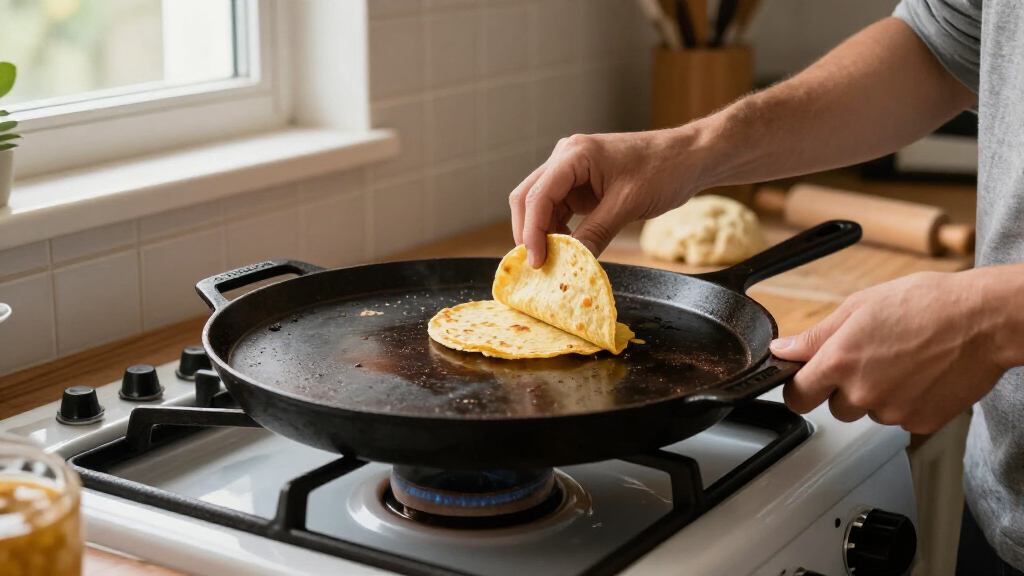
- Place gently on the hot comal; listen for a slight sizzle. The sound indicates the comal is at the right temperature. If you hear no sizzle, it’s likely not hot enough; too loud or vigorous sizzling could mean it’s too hot—think of it as the difference between a gentle simmer and a rapid boil.
- Cook for 30-60 seconds until bubbles form and the underside has light brown spots. Watch for the appearance of small bubbles and color changes—these signs confirm proper cooking without overdoing it. If you see excessive browning or burning, your heat may be too high, which can lead to tough, chewy tortillas.
- Flip and cook the other side for another 30-45 seconds. The second side should develop similar golden spots, ensuring even cooking and flavor development. Proper flipping technique, like a gentle turn with tongs or a spatula, helps maintain the shape and prevents tearing.
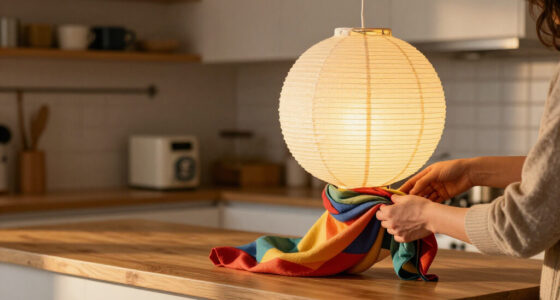
- Wrap in a clean cloth to keep warm and soft. This step allows residual steam to relax the gluten, resulting in tender tortillas that are easy to handle and taste authentic. For example, stacking tortillas with a cloth in between traps steam, which keeps them moist and prevents them from drying out or becoming stiff.
cast iron comal for authentic tortillas
As an affiliate, we earn on qualifying purchases.
As an affiliate, we earn on qualifying purchases.
How to Clean and Care for Your Cast Iron Comal After Cooking
After cooking, let your comal cool slightly. Use a stiff brush or scraper to remove food bits—avoid soap, which can strip the seasoning. Rinse with hot water and dry thoroughly with a towel or on the stove over low heat. To maintain the non-stick surface, lightly oil the comal after each use. Regular seasoning keeps rust away and improves performance over time. Think of cleaning as maintaining a delicate balance—removing food residue without damaging the seasoning layer. For instance, scrubbing with abrasive scrubbers or using soap can strip away the seasoned layer, leading to sticking issues later. Instead, gentle cleaning preserves the patina and ensures your comal remains a reliable tool for many years.
Comparison: Traditional Seasoning vs. Modern Coatings
| Feature | Traditional Seasoned Cast Iron | Pre-Seasoned Modern Coals |
|---|---|---|
| Durability | Very high, lasts decades with proper care | Good, but may wear faster with heavy use |
| Maintenance | Requires regular seasoning, no soap | Less maintenance, often dishwasher safe |
| Cooking Performance | Excellent heat retention, develops natural non-stick |
The Latest Trends in Comal Use and Care
Many cooks now prefer to season with flaxseed oil for a harder, more durable non-stick layer. Eco-conscious brands offer pre-seasoned comals with environmentally friendly coatings, reducing initial prep. There’s also a renewed focus on traditional techniques—like seasoning in a wood-fired oven—for authentic flavor and performance. These trends make using a cast iron comal both a practical and cultural choice for modern kitchens.
Frequently Asked Questions
How do I season my cast iron comal for the first time?
Apply a thin layer of high-smoke-point oil like flaxseed or vegetable oil, then heat it in the oven at 400°F (200°C) for an hour. Repeat this process several times to build a durable, non-stick surface.
Can I use soap to clean my cast iron comal?
It’s best to avoid soap; instead, scrub with hot water and a stiff brush. Dry thoroughly and lightly oil the surface afterward to maintain seasoning.
How do I prevent my tortillas from sticking?
Make sure your comal is well-seasoned and properly preheated. A hot, seasoned surface minimizes sticking and helps tortillas puff beautifully.
How should I store my comal?
Keep your comal dry and lightly oiled. Store in a place with good air circulation to prevent rust.
Can I use my cast iron comal on an induction cooktop?
Yes, cast iron works perfectly on induction stoves because of its magnetic properties. Just ensure it’s clean and well-seasoned.
Conclusion
Mastering your cast iron comal turns simple ingredients into authentic, flavorful tortillas. It’s a tool that rewards patience and care, building flavor and character over decades. Next time you heat a tortilla on that seasoned surface, remember—this isn’t just cookware. It’s a piece of culinary history in your hands.Fall yard work Picks
leaf blowers
As an affiliate, we earn on qualifying purchases.