
TL;DR

Get kitchen gear delivered free with Prime
- Fast, free delivery on millions of items
- Prime Video, Amazon Music and more included
- Member-only deals all year
Different camp stove fuels have unique benefits and drawbacks. Knowing their performance, safety, and environmental impact guides you to the best choice for your needs and conditions.
White gas offers high energy but demands careful handling and storage.
Propane performs well in cold weather but needs pressure regulation and good ventilation.
Alcohol fuels burn cleanly, are easy to store, but require longer cooking times.
Always match your stove to the appropriate fuel type—using the wrong one can be dangerous.
Eco-friendly options like bioethanol are growing but still less common and less efficient.
What are the main types of camp stove fuels? Here’s what you should know
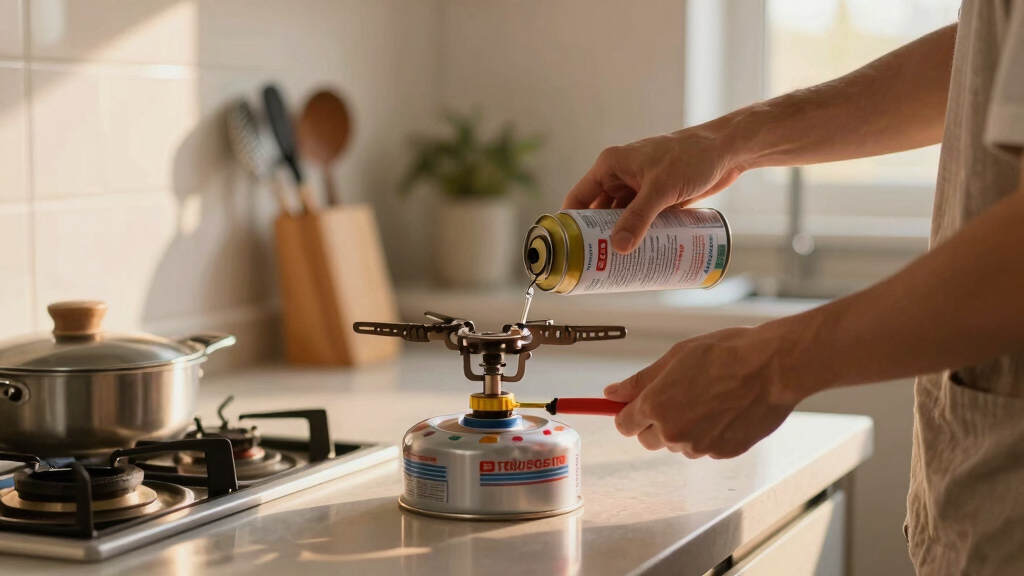
Camp stove fuels fall into four broad categories: liquids, gases, solids, and alcohols. Each has distinct traits that influence safety, performance, and convenience.
Liquid fuels like white gas and kerosene burn hot and clean but demand careful storage and handling. Gas fuels—primarily propane, butane, and isobutane—offer quick starts and portability, yet can struggle in cold weather. Solid fuels, such as hexamine tablets or wood, are simple but less efficient. Alcohol fuels like ethanol and methanol burn cleanly and are easy to store but require longer cooking times.
Understanding these categories helps you anticipate how each fuel will perform in different conditions, and what safety precautions are necessary. For example, choosing a liquid fuel might mean handling more flammable liquids but enjoying higher heat output, while gases offer convenience but may need special considerations in winter. Solids and alcohols are generally safer and easier to manage but may limit your cooking speed or temperature control, which can impact meal preparation or boiling times.
As an affiliate, we earn on qualifying purchases.
How to pick the right fuel for your trip? Follow these 3 simple steps
- Assess your temperature needs. Will you camp in cold or hot weather? Propane and multi-fuel stoves handle cold better because they maintain pressure and efficiency even at low temperatures, reducing the risk of sluggish performance or failure. If you’re in a cold environment, selecting a fuel or stove designed for cold weather can mean the difference between a successful meal and frustration.
- Consider your access and storage. Are fuels easy to buy locally? Will you be traveling to remote areas where supplies are limited? Lightweight options like canister fuels are convenient but may be hard to replenish in remote locations. In contrast, bulk liquid fuels can be stored for longer periods but require proper handling and storage safety measures.
- Match your stove to the fuel type. Using the wrong fuel can cause safety hazards or damage your equipment. For instance, some stoves are specifically engineered for propane, while others are designed for white gas. Understanding your stove’s compatibility ensures safe operation and optimal performance, preventing issues like leaks, inefficient burns, or even stove failure during your trip.
As an affiliate, we earn on qualifying purchases.
Comparing fuel types side-by-side: Which one suits your needs?
| Feature | White Gas | Propane | Butane | Isobutane | Alcohol | Solid Fuels |
|---|---|---|---|---|---|---|
| Energy Density | High (about 12500 BTU/lb) | Very high, efficient in cold, maintains pressure better in low temperatures | Moderate, less effective in cold because pressure drops as it cools | Good in cold, moderate energy, but performance can vary | Lower (burns cleanly with less heat per volume) | Lowest, but makes up for it with simplicity and portability |
| Ease of Use | Requires careful handling, ventilation, and proper storage due to flammability | Very portable, quick start, but needs pressure regulation and good ventilation | Less effective in cold, small canisters are fragile, and pressure drops in low temperatures | Similar to butane, performs better in cold but still sensitive to temperature fluctuations | Very simple, minimal equipment, but longer cooking times | Very basic, no setup needed, ideal for simple cooking or heating |
| Performance in Cold | Poor — requires special cold-weather stoves or additives | Excellent — maintains pressure and burn rate even in freezing temperatures | Poor — pressure and burn efficiency decrease in cold | Better than butane, but still less reliable than propane in extreme cold | Fair — works in most conditions but slower | Very poor — not suitable for cold environments |
| Environmental Impact | Moderate emissions, potential spills and leaks | Cleaner burning, fewer emissions, but requires pressurized containers | Cleaner, but single-use canisters can contribute to waste | Similar to butane, with some improvements in cold performance | Burns cleanly with minimal emissions, but longer burn times increase overall fuel use | Minimal emissions, but less efficient, leading to more waste and fuel use |
Understanding these differences isn’t just about technical specs; it’s about recognizing the tradeoffs involved. For example, while white gas has high energy density, it demands careful handling and carries safety risks. Propane offers excellent performance in cold weather but requires pressurized containers and proper ventilation. Alcohol fuels are safer and easier to store but may limit your cooking speed. Weighing these factors against your trip conditions will help you choose the most suitable fuel for your adventure.
As an affiliate, we earn on qualifying purchases.
Frequently Asked Questions
Which fuel is best for cold weather camping?
Propane and multi-fuel stoves tend to perform best in cold conditions, as they maintain pressure and burn efficiently even when temperatures drop below freezing.Are canister fuels safe to fly with?
Small, non-refillable canisters are generally allowed on airplanes, but regulations vary. Always check airline policies and pack fuels in your checked luggage, following safety guidelines.Can I switch fuels on the same stove?
Most stoves are designed for specific fuel types. Using incompatible fuels can cause damage or safety hazards, so stick to what your stove is rated for.What’s the cleanest fuel environmentally?
Alcohol-based fuels like ethanol burn with minimal emissions and are considered greener options. However, availability and efficiency vary, so choose based on your trip’s needs.How should I store camp fuels safely?
Use approved containers, keep fuels away from heat sources, and follow manufacturer instructions. Store fuels in a cool, well-ventilated area, and avoid storing them inside your tent or living space.As an affiliate, we earn on qualifying purchases.
Conclusion
Choosing your fuel isn’t just about fire — it’s about safety, performance, and your environmental impact. Think through your trip conditions, local availability, and stove compatibility. That way, every meal you cook outdoors feels just right, no matter where you are.Halloween Picks
halloween
As an affiliate, we earn on qualifying purchases.