TL;DR

Get kitchen gear delivered free — and shop member deals
- Fast, free delivery on millions of items
- Access to Prime Big Deal Days deals on October 6–7
- Prime Video, Amazon Music and more included
Baking bread off-grid is about choosing the right heat source, mastering fermentation, and adapting recipes. With patience and the right tools, you can create fresh, crusty loaves anywhere. It’s a skill that supports true self-sufficiency.
Nothing beats the smell of fresh bread baking in the wild. Whether you’re off-grid in the woods or living in a tiny cabin, making bread without electricity is a satisfying challenge. It’s about more than just food — it’s a way to connect with age-old skills and rely less on modern convenience.
In this guide, you’ll learn how to select the best equipment, manage heat sources, and tweak recipes so they work in outdoor or off-grid conditions. Get ready to turn simple ingredients into crusty, flavorful bread—no power needed.
Use durable, multipurpose tools like cast iron Dutch ovens and proofing baskets for reliable baking outdoors.
Temperature control hinges on fire management, insulation, and experience—practice makes perfect.
Sourdough starters are the most sustainable leavening method for off-grid baking, lasting indefinitely with proper care.
Building or adapting solar ovens and clay/brick setups can make baking in natural sunlight practical and efficient.
Patience and experimentation are your best friends—off-grid baking is as much about skill as it is about ingredients.
Pick the Right Tools for Off-Grid Bread Baking
Choosing durable, simple tools makes all the difference when baking off-grid. You want gear that can handle open fire, outdoor conditions, and long use. A cast iron Dutch oven is your best friend—perfect for trapping heat and creating an oven-like environment.
Other essentials include a mixing bowl for kneading, a proofing basket for shaping and rising, and a thermometer to monitor temperature. Think rugged, multi-use, and easy to clean.
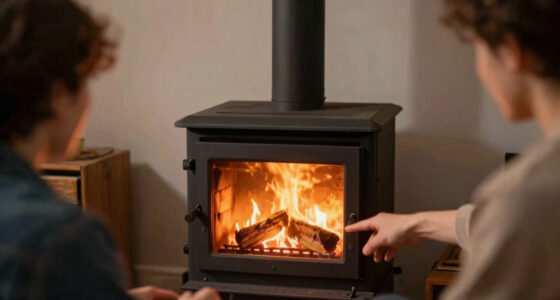
For fuel, wood or charcoal are your go-tos. A simple fire grate or campfire tripod can help control your heat source. Using these tools, you can mimic the conditions of a traditional oven, even in the wild.
cast iron Dutch oven for outdoor baking
As an affiliate, we earn on qualifying purchases.
As an affiliate, we earn on qualifying purchases.
How to Prepare Your Dough Without Modern Convenience
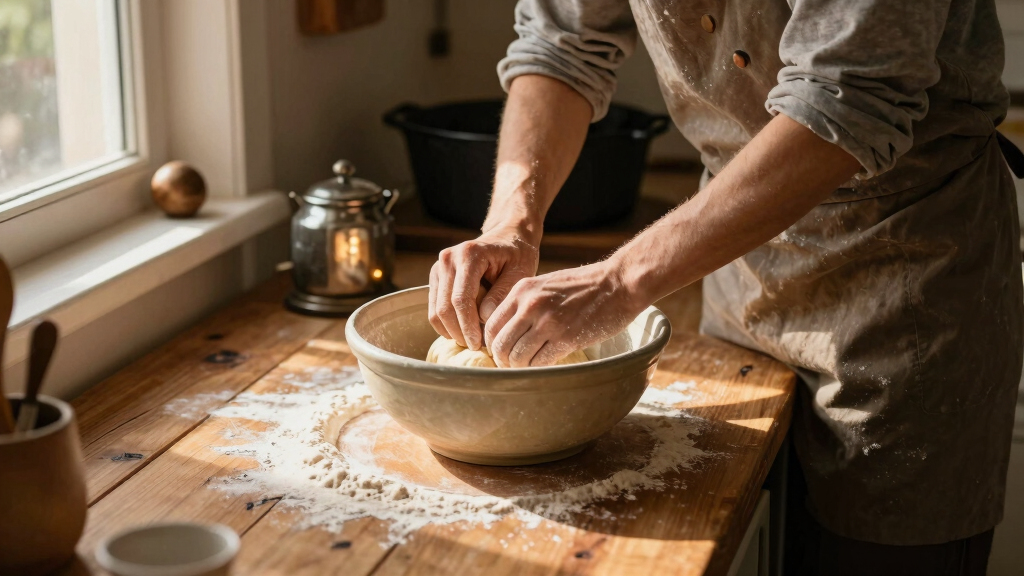
Making bread off-grid starts with your dough. Mix your ingredients in a sturdy bowl—flour, water, salt, and yeast or sourdough starter. Knead manually for about 10 minutes, feeling the dough develop a silky, elastic texture. This process is crucial because proper kneading develops gluten, which gives bread its structure and chewiness. Skipping or rushing this step can result in a dense loaf or poor oven spring, especially without the controlled environment of a modern oven.
Fermentation is key. If you’re in warm weather, proof for 1-2 hours; in cooler climates, it might take longer. Keep the dough covered with a damp cloth or a lid—this keeps the surface moist and encourages rising. Proper fermentation not only develops flavor but also improves dough extensibility, making it easier to shape and bake evenly. Understanding the temperature and time tradeoffs helps you optimize rising—too warm, and fermentation speeds up, risking over-proofing; too cold, and it stalls, requiring longer waits. Adjustments based on ambient conditions are essential for consistent results.
Shaping and scoring are next. Form your loaf into a tight round, then slash the top to control expansion. This step is where your skill and patience really pay off—an uneven shape can still taste great, but scoring helps with oven spring and aesthetics. A well-shaped loaf ensures even heat distribution and a better crust, especially important when baking in unpredictable outdoor heat sources.
As an affiliate, we earn on qualifying purchases.
Bake in a Wood-Fired or Solar Oven—Here’s How
To bake bread off-grid, you need a reliable heat source. For a wood-fired oven, preheat your fire until it’s hot enough to glow—around 400°F (200°C). Place your dough in a Dutch oven, then set it directly into the embers or on a heated stone. Cover to trap steam, which gives you that crusty exterior. This method mimics traditional baking, where radiant heat and trapped steam create the perfect crust and crumb. The tradeoff is managing fire intensity to avoid burning or uneven baking, which requires experience and attention.
For solar baking, use a reflective panel or solar oven designed for outdoor use. Aim the reflective surface at the sun, and insulate your baking chamber with dark materials or insulating blankets. It takes longer—sometimes 2-3 hours—but the sun is free and abundant. The key here is understanding the tradeoff: solar baking is eco-friendly and cost-effective but heavily dependent on weather conditions and time management. For example, a solar oven can be set up in the morning and left to bake slowly, making it ideal for those who prefer a more passive approach, albeit with patience.
Adjust fire or sunlight based on the bread’s color and texture. You’re looking for a deep golden crust and a hollow sound when tapped—signs that your bread has baked thoroughly and developed the desired crust. These indicators help you fine-tune your process, especially since outdoor conditions can vary widely from day to day.
As an affiliate, we earn on qualifying purchases.
Controlling Temperature Without a Thermostat
Temperature management is your biggest challenge. Because you can’t rely on digital gauges, use simple tricks. A meat thermometer stuck into your Dutch oven lid helps monitor internal heat, but it’s also important to observe the bread’s color and sound. For example, a deep golden crust indicates sufficient heat, while a hollow tap suggests doneness. These visual and tactile cues are essential because outdoor baking environments are less predictable than modern ovens.
Control fire intensity by adjusting the size and number of logs or coals. Insulate your oven with dirt, clay, or hay—this traps heat and keeps temperature steady. For solar ovens, controlling the angle and exposure to sunlight is your main tool. For instance, shifting a reflective panel can increase or decrease heat, much like adjusting a thermostat. Over time, you’ll develop an intuitive sense of how your setup responds, enabling more consistent results. This experiential knowledge reduces guesswork and helps you adapt quickly to changing conditions.
Practice makes perfect—get a feel for how your setup heats over time, and note how long it takes to reach your target temperature. This experience turns a guessing game into a reliable skill, which is crucial when baking in outdoor environments where conditions fluctuate.
fireproof bread baking thermometer
As an affiliate, we earn on qualifying purchases.
As an affiliate, we earn on qualifying purchases.
Frequently Asked Questions
What equipment do I need to bake bread off-grid?
Basic tools include a sturdy mixing bowl, proofing basket or bowl, a Dutch oven or cast iron skillet, a thermometer, and a reliable heat source like a wood fire or solar oven. These simple items can handle the entire process from mixing to baking.
How do I keep my sourdough starter alive without electricity?
Keep it in a jar at room temperature, feed it daily with equal parts flour and water, and store it in a cool, draft-free spot. With regular feeding, your starter can last indefinitely, providing a natural leaven for your bread.
What’s the best way to control oven temperature outdoors?
Use a thermometer to monitor internal heat, adjust fire size or coals to maintain consistent warmth, and insulate your oven with natural materials like dirt or straw. Practice and observation turn guessing into precision over time.
Can I bake bread in cold weather?
Yes, but fermentation slows. Using insulated proofing boxes or placing your dough in a warm indoor spot helps. A little extra patience yields great results even in chillier climates.
How long does it typically take to bake bread off-grid?
Expect about 2-4 hours total—this includes mixing, proofing, heating your oven, and baking. The exact time depends on your setup, climate, and bread size.
Conclusion
Mastering off-grid bread baking is a matter of patience, simple tools, and clever heat management. Every loaf you craft outdoors deepens your connection to a timeless skill and reduces your reliance on modern systems. When you pull that crusty, warm loaf from your homemade oven, you’ll see how self-reliance tastes — rich, satisfying, and totally worth the effort.
So, gather your ingredients, fire up your makeshift oven, and enjoy the journey of turning basic elements into bread that sustains both body and spirit.
Fall Picks
fall essentials
As an affiliate, we earn on qualifying purchases.