TL;DR

Get kitchen gear delivered free with Prime
- Fast, free delivery on millions of items
- Prime Video, Amazon Music and more included
- Member-only deals all year
Cooking on an open fire is rewarding but risky if you ignore safety. Use a controlled fire, proper cookware, and safety gear, and always extinguish fires fully. These steps keep your outdoor cooking fun and incident-free.
Cooking over an open fire feels primal — the crackle of flames, the scent of smoke, the glow of embers. But it’s also one of the most unpredictable ways to cook outdoors. Without proper precautions, what should be a simple meal can turn dangerous fast. The trick is knowing how to manage fire safely.
This guide gives you clear, practical steps to master open-fire cooking without risking accidents or wildfires. Whether you’re camping, backyard grilling, or on a wilderness adventure, these tips will help you enjoy fire-cooked meals safely and responsibly.
Always pick a safe, legal spot away from overhanging branches and dry brush.
Start with small, manageable fires and keep a water or sand source close by.
Use durable cookware like cast iron and rotate food to cook evenly.
Wear protective gear and always fully extinguish your fire after cooking.
Modern portable fire tools and safety gear make managing fires safer and easier.
Pick the Perfect Spot — Keep Your Fire Safe and Legal
The first step in safe open-fire cooking? Choose the right location. Find a spot away from overhanging branches, tall grass, or dry leaves — the kind of places that can turn a spark into a wildfire in seconds. Use existing fire rings if available, or create one with stones to contain the flames.
Always check local regulations before lighting up. Some parks and areas ban open fires during dry seasons or in certain zones. Ignoring these rules can lead to hefty fines or worse — a wildfire that burns acres of forest.
cast iron skillet for outdoor cooking
As an affiliate, we earn on qualifying purchases.
As an affiliate, we earn on qualifying purchases.
Fire Management — Keep Flames in Check
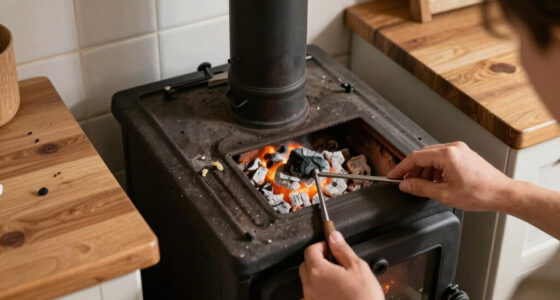
Controlling your fire is the backbone of safe outdoor cooking. Use dry, seasoned wood or charcoal — these burn cleaner and more predictably. Starting with a small, well-structured fire allows you to gauge its size and heat output, which is crucial because an overly large or uncontrolled fire can quickly become hazardous, especially in windy conditions.
Keep a bucket of water, sand, or a fire extinguisher nearby. If flames get out of control, you need to act fast. Practice building a fire that’s hot enough to cook but easy to tame. This balance minimizes the risk of the fire spreading or becoming unmanageable, which could lead to wildfires or injuries.
As an affiliate, we earn on qualifying purchases.
Choose the Right Cookware — Durable and Fire-Resistant
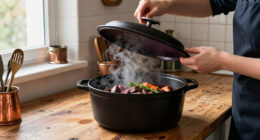
Open-fire cooking calls for tough tools. Cast iron pans, Dutch ovens, and fire-safe grills are your best friends. They handle high heat and distribute it evenly — essential for consistent cooking and preventing hot spots that can cause food to burn or undercook.
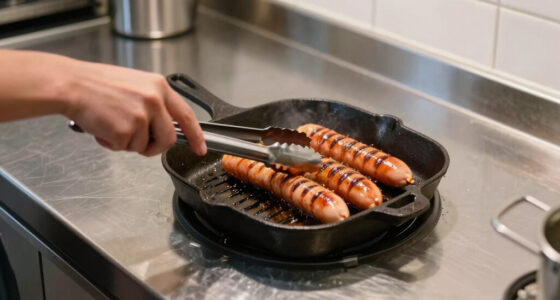
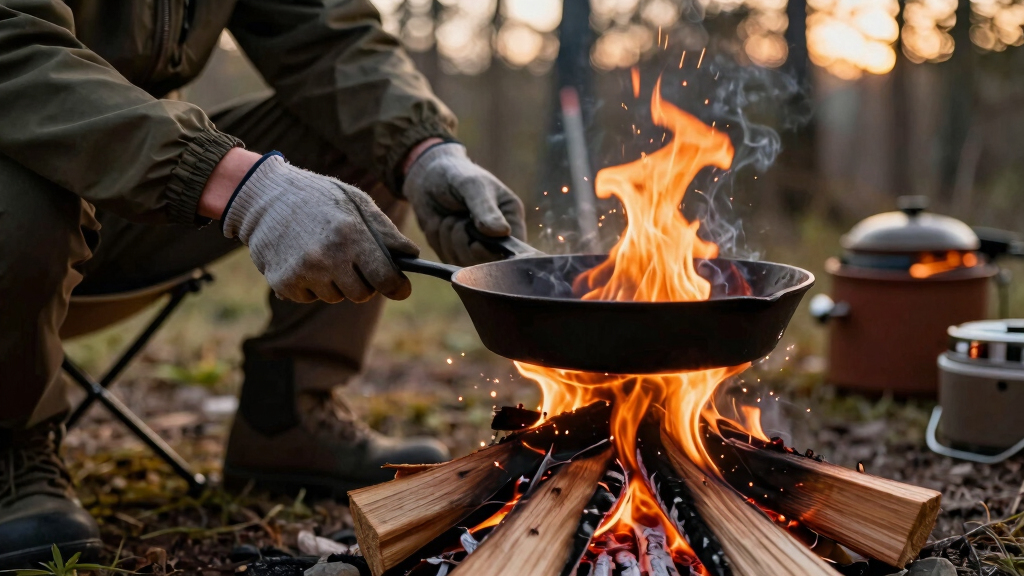
For instance, a cast iron skillet can sear steaks over direct flames or simmer beans in a Dutch oven, all on the same fire. Keep long-handled tools handy to turn and lift food without getting too close to the flames. The durability of these materials also means they withstand frequent use and rough handling in outdoor settings, making them a reliable investment for safe cooking.
As an affiliate, we earn on qualifying purchases.
Cooking Tips for Even, Safe Meals
Cooking on an open fire isn’t just about setting the flames. It’s about control and understanding heat distribution. Using a grill grate or skewers elevates food above the flames, reducing the risk of charring or burning the exterior before the interior is cooked through. This technique helps prevent foodborne illnesses caused by undercooked meats or contaminated ingredients.
Rotating food regularly ensures even cooking and prevents burnt spots, which is especially important when using uneven heat sources like open flames. Adjusting your fire by spreading or gathering embers allows for precise temperature control, enabling you to cook delicate items or slow-cook tougher cuts. Always cook meats to the recommended internal temperature to ensure safety, as undercooked meat can harbor harmful bacteria, posing health risks.
As an affiliate, we earn on qualifying purchases.
Fire Safety Gear — Protect Yourself and Your Crew
Safety gear isn’t just for professionals. Wear heat-resistant gloves when handling hot tools or adjusting logs. Long sleeves and aprons made from fire-resistant material add a layer of protection against sparks and splatters. Proper gear reduces the risk of burns and injuries, especially when working quickly or in unpredictable conditions.
For example, a pair of heavy-duty gloves can save your hands when flipping a hot cast iron skillet or moving logs. Also, keep a supply of water or sand nearby to douse stray sparks or small flare-ups. Using the right protective equipment allows you to respond swiftly and safely to unexpected fire behavior, minimizing the chance of accidents.
Extinguishing the Fire — Leave No Trace
After your meal, never leave a fire burning unattended. To fully extinguish, douse the flames with water or cover them with dirt or sand. Stir the ashes thoroughly to cool any remaining hot spots. Wait until everything is cold to the touch. Proper extinguishing prevents lingering embers from reigniting, which can occur hours later and cause wildfires.
In a real scenario, I once saw a camper forget to put out his fire — hours later, a smoldering ember reignited and started a small brush fire. Don’t be that person. Always finish with care. Fully extinguishing your fire is critical because even a tiny spark can escalate into a devastating wildfire if left unchecked. This responsibility protects the environment, other visitors, and your own safety.
Recent Trends Making Fire Cooking Safer and Easier
Innovation is helping outdoor cooks stay safe. Portable fire pits with spark arresters, eco-friendly fire starters, and lightweight safety gear make managing fire simpler. They reduce smoke, control sparks, and make extinguishing easier, effectively minimizing risks associated with open fires.
For example, a portable pellet stove allows precise heat control, reducing risks of flare-ups and uneven cooking. It also minimizes smoke emissions and makes it easier to extinguish fires quickly. These advancements enhance safety by providing better control over fire behavior, especially in environments where wildfires are a concern or regulations are strict. They also make outdoor cooking more accessible and less intimidating for beginners or casual campers, encouraging responsible fire use.
Key Safety Tips for Outdoor Fire Cooking
- Build fires on non-flammable surfaces and clear away debris to prevent accidental spread.
- Always keep a water source or fire extinguisher nearby to respond swiftly to flare-ups.
- Never leave a fire unattended — stay with it until fully out, as unattended fires are the leading cause of wildfires.
- Control your fire size by managing logs and embers, avoiding large, roaring flames that are harder to contain.
- Be mindful of wind conditions, which can carry sparks and spread fire rapidly, especially in dry, windy environments.
Frequently Asked Questions
How do I start a fire safely for cooking?
Use dry, seasoned wood or charcoal, start with small kindling, and build a fire with good airflow. Keep it manageable and never rush to add large logs until the fire is stable.
What’s the best way to prevent wildfires when cooking outdoors?
Keep fires small, never leave them unattended, and fully extinguish your fire when done. Follow local regulations, especially during dry seasons, to avoid accidental wildfires.
What cookware should I choose for open-fire cooking?
Cast iron, Dutch ovens, and fire-safe grills are best. They handle high heat, distribute it evenly, and last through many outdoor adventures.
How do I cook food evenly over an open fire?
Use a grill grate or skewers, rotate food regularly, and control the fire’s size by adjusting logs or embers. This prevents burning and ensures every bite is cooked through.
What safety precautions should kids or pets have around open fires?
Keep children and pets at a safe distance, supervise at all times, and teach them to respect the flames. Never leave them unattended near the fire.
Conclusion
Cooking on an open fire is a skill, not just a thrill. Respect the fire, respect the environment, and stay vigilant. Each safe meal is a small victory over chaos.
Next time you light that flame, remember: safety isn’t a hindrance — it’s the foundation of every memorable outdoor feast. Keep the flames controlled, the gear ready, and your senses sharp. Your adventure, and your forest, will thank you.
Columbus Day / Indigenous Peoples' Day Picks
long weekend sales
As an affiliate, we earn on qualifying purchases.