
TL;DR

Get kitchen gear delivered free — and shop member deals
- Fast, free delivery on millions of items
- Access to Prime Big Deal Days deals on October 6–7
- Prime Video, Amazon Music and more included
Making great coffee without electricity is entirely doable using manual brewing methods like French press, pour-over, or percolator. Pair these with alternative water heating options like open fires or solar heaters for high-quality results, perfect for camping or emergencies.
Imagine waking up in a remote cabin, miles from the nearest power outlet. You crave that rich, dark aroma of freshly brewed coffee. The good news: you don’t need electricity to make a perfect cup.
In this guide, you’ll learn how to craft quality coffee using simple, durable tools and natural water heating methods. Whether you’re camping, preparing for an emergency, or living off-grid, these techniques keep your coffee ritual alive—no outlet required.
Manual brewing methods like French press and AeroPress produce richer, more aromatic coffee than electric drip machines.
Use fire, solar, or specialized stoves to heat water—each offers reliable, eco-friendly alternatives.
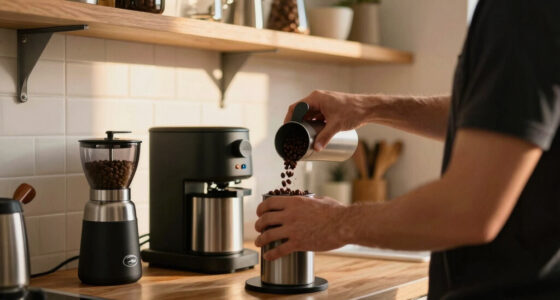
Freshly ground beans and proper grind size are key to flavor—don’t skip this step.
Durable, portable gear like stainless steel presses and collapsible pour-over cones suit off-grid use perfectly.
Pre-plan your process: measure grounds, control brewing time, and insulate your coffee for maximum flavor and warmth.
Master These 4 Easy Manual Coffee Brewing Methods
Four methods stand out for their simplicity and flavor: French press, pour-over, AeroPress, and cowboy coffee. Each needs minimal equipment but delivers rich results.
- French press: Full-bodied, thick brew. Just add coarsely ground coffee and hot water, then plunge. This method allows the coffee grounds to steep fully, extracting oils and flavors that create a robust, velvety cup. The tradeoff is that it can sometimes be more sediment-heavy, so proper pressing is key.
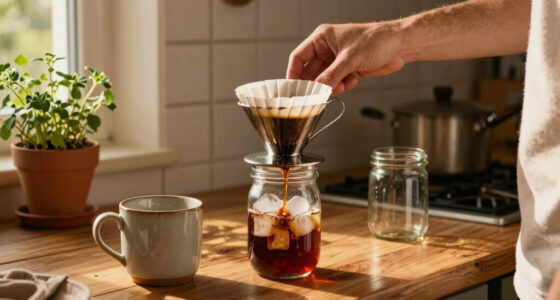
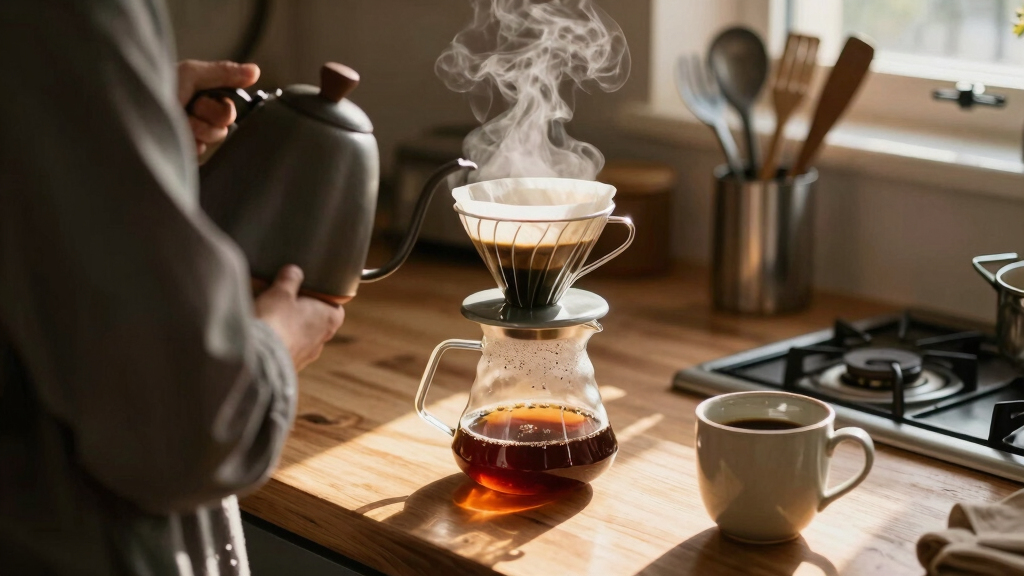
- Pour-over: Control brewing with a cone and filter, pouring hot water in circles over grounds. This technique gives you precision over extraction, resulting in a cleaner, brighter cup. Its simplicity lets you adjust pour rate and water flow, affecting flavor nuances—slow pouring yields more extraction, while quick pours can under-extract, making the brew weak or sour.
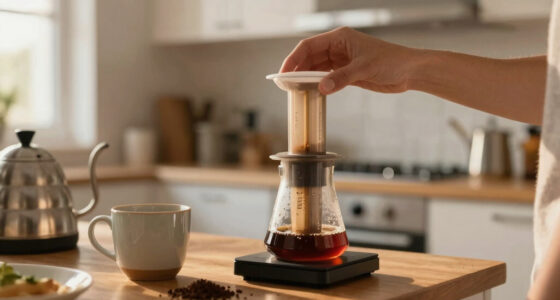
- AeroPress: Compact, fast, and versatile—pressurized water extracts maximum flavor. It’s especially good for strong, espresso-like shots and can be used to experiment with different grinds and brew times, giving you control over strength and clarity. The tradeoff is a slight learning curve to perfect the technique, but it’s highly portable and durable.
- Cowboy coffee: Boil grounds directly in water over a fire, then settle and pour carefully. This rustic approach is straightforward but can result in gritty texture if not filtered properly. It’s ideal for situations where simplicity and speed matter, but it requires attention to avoid over-extraction or bitter flavors from overboiling.
For example, during a recent camping trip, a friend used a French press to brew a bold, aromatic cup after heating water over a campfire—far better than instant coffee. This illustrates how each method’s depth of flavor depends on technique and equipment choice, making it adaptable to various scenarios.
As an affiliate, we earn on qualifying purchases.
Choose the Right Equipment for Off-Grid Coffee
Your gear needs to be tough, portable, and simple. Think stainless steel, glass, or BPA-free plastics. Reusable filters save waste, while a small manual grinder keeps beans fresh and flavorful.
Choosing the right equipment isn’t just about durability; it’s about understanding how your gear influences the coffee’s flavor and your convenience. For instance, a lightweight stainless steel French press is perfect for backpacking because it withstands rough handling and heats directly on a fire or stove, ensuring versatility in heating methods. The AeroPress’s compact design allows quick brewing and easy cleanup, making it ideal for outdoor adventures or emergency kits. Investing in quality tools means less frustration, more consistent results, and a better overall experience when brewing in challenging environments.
As an affiliate, we earn on qualifying purchases.
Heating Water Without Electricity: 5 Reliable Ways
Electricity isn’t necessary to heat water—fire, solar, or specialized stoves do the job. Here are five options, each with implications for efficiency, convenience, and environmental impact:
- Open Fire: The most traditional method, using a campfire or wood stove. It’s highly versatile and requires no special equipment, but it demands attention to safety and control over heat. Fire management affects boiling time and energy consumption—careful tending ensures efficient use of fuel and consistent water temperature. It’s also affected by weather conditions, which can prolong heating time or dampen fire quality.
- Camping Stove: Portable gas or wood-burning stoves designed for outdoor use. They offer more control over heat levels, making them reliable for precise boiling. However, they depend on fuel availability and can be less sustainable if used excessively. They’re convenient but require carrying fuel canisters or wood, which can impact weight and logistics.
- Solar Kettle: Uses sunlight to boil water—slow but effective in sunny weather. It’s eco-friendly and silent, but dependent on weather conditions and time of day. Its slow heating process means planning ahead is essential. It’s ideal for situations where conserving fuel is a priority and quick boiling isn’t necessary, but it’s less suitable for urgent needs.
- Rocket Stove: Highly efficient wood stove that boils water with less fuel by maximizing combustion efficiency. It involves building a specific design that channels airflow, resulting in hotter fires and faster boiling times. Its advantage is fuel economy, but it requires some setup and understanding of airflow dynamics, making it less immediate for beginners.
- Immersion Heater: Hand-powered solar or manual units that heat small amounts of water quickly. They’re portable and fast but limited in capacity. They’re best for individual use or small batches, and their efficiency depends on sunlight or manual effort. They’re a good backup or supplement in emergency kits, emphasizing the importance of understanding their limitations and tradeoffs.
For example, a simple rocket stove can boil a liter of water in under 10 minutes using just sticks and wood scraps, making it perfect for off-grid coffee prep. Understanding these options helps you select the best method based on your environment, fuel availability, and time constraints, balancing convenience and sustainability.
As an affiliate, we earn on qualifying purchases.
How to Boost Flavor When Making Coffee Off-Grid
Great coffee starts with fresh beans and proper technique. Use freshly ground coffee—preferably within minutes of brewing. Coarse grind works best for French press, medium for pour-over, fine for AeroPress. The grind size influences extraction rate; too fine can over-extract, leading to bitterness, while too coarse results in weak flavor. Experimenting with grind and brew time helps optimize flavor, especially when water temperature and pouring technique vary in outdoor settings.
Filter your water if possible—tap water can have chlorine or minerals that dull flavor. Using a portable water filter or boiling water beforehand can significantly improve taste. Keep brewing times consistent: too long or short ruins the perfect extraction. For example, during a weekend in the woods, adjusting the grind size and timing turned a mediocre batch into a coffee that rivaled a local café’s brew, demonstrating how small tweaks profoundly impact flavor.
As an affiliate, we earn on qualifying purchases.
Comparison Table: Manual Coffee Methods vs. Power-Dependent Machines
| Criteria | French Press | Pour-Over | AeroPress | Electric Drip Machine |
|---|---|---|---|---|
| Portability | High | High | Very high | Low |
| Ease of Use | Simple | Moderate | Simple | Easy |
| Flavor Quality | Rich, full-bodied | Clean, bright | Robust, smooth | Consistent but less nuanced |
| Water Heating | Fire, stove, solar | Fire, stove, solar | Same as above | Electric power needed |
Keep Your Coffee Hot and Fresh in the Wilderness
Insulate your brew with a simple cozy or a double-walled thermos made of metal or thick plastic. Pouring hot coffee into a pre-warmed container keeps it steaming for hours. For example, filling a vacuum-insulated bottle before heading out ensures hot coffee during an all-day hike.
If you need to reheat, use a small camping stove or hot water from your fire to gently warm it. Avoid reheating directly over flames—hot spots can burn the coffee or degrade flavor. Insulation minimizes heat loss but also helps preserve aroma and temperature for longer periods, which is vital in outdoor conditions where maintaining freshness can be challenging.
Making the Most of Your Non-Electric Coffee Setup
Plan ahead. Grind beans fresh just before brewing. Keep your water clean and filtered. Practice your pour-over or press technique—timing and grind size matter.
Invest in durable, lightweight gear that withstands the outdoors. A well-chosen set of tools makes all the difference, turning simple ingredients into a memorable cup. Developing a routine for water heating, grinding, and brewing ensures consistency, which is especially important when external conditions vary. The key is understanding how each step influences flavor and adjusting accordingly, whether it’s controlling pour speed or maintaining steady water temperature. This deliberate approach maximizes flavor and minimizes waste, making each outdoor coffee experience satisfying and reliable.
Frequently Asked Questions
Can I make espresso without electricity?
Traditional electric espresso machines won’t work without power. However, manual espresso makers like Handpresso or lever presses can produce a concentrated shot—perfect for off-grid adventures.
What’s the easiest way to heat water outdoors?
Using a campfire or a portable camping stove is the simplest and most reliable. For sunny days, solar kettles offer a slow but sustainable way to boil water without fuel.
Is cold brew a good option when there’s no heat?
Absolutely. Cold brew steeped in cold water for 12-24 hours yields smooth, mellow coffee. Just plan ahead—set it up the night before and enjoy a fresh, no-heat-needed brew in the morning.
How do I keep my coffee hot without electricity?
Use insulated containers or thermoses. Pour hot coffee into pre-warmed, vacuum-sealed bottles to keep it steaming for hours, perfect for long outdoor days or emergencies.
Conclusion
Great coffee doesn’t need a socket—just a bit of ingenuity and the right tools. With simple equipment, some practice, and a fire or sun, you can enjoy a rich, satisfying cup anywhere.
Next time you’re off-grid or facing an outage, remember: your best brew is only a few manual steps away. Keep your gear ready, your technique sharp, and savor the moment.
Fall Picks
fall essentials
As an affiliate, we earn on qualifying purchases.