TL;DR

Get kitchen gear delivered free — and shop member deals
- Fast, free delivery on millions of items
- Access to Prime Big Deal Days deals on October 6–7
- Prime Video, Amazon Music and more included
Brewing a single cup by hand offers unmatched control over flavor. Focus on quality beans, proper grind, water temperature, and precise pouring for the best results—no fancy equipment needed.
Freshly ground coffee and proper water temperature are the backbone of a good hand-brewed cup.
Controlling pour rate and timing ensures even extraction and flavor clarity.
Using precise measurements and recording your process helps achieve consistent results.
Different brewing tools influence flavor profile and ease of control—choose what fits your taste and lifestyle.
Small tweaks in technique can turn a decent cup into a great one.
Choose the Right Coffee and Grind for Your Perfect Cup
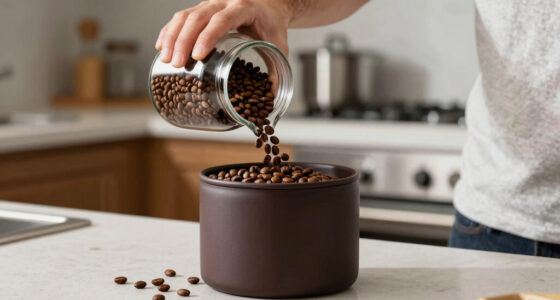
Start with fresh, high-quality beans. The choice of coffee influences the flavor more than anything else. For hand-brewing, medium grind works well for pour-over, while finer grinds suit AeroPress, and coarser for French press. Grinding just before brewing preserves essential oils and aroma, giving your coffee a lively, fresh taste.
For example, using a fresh single-origin bean from Ethiopia, grind it just before brewing for a fruit-forward, complex cup. Don’t skimp on quality—good beans make the process worth it. A burr grinder is your best bet for consistent grind size, which is critical for even extraction and flavor.
Choosing the right grind size impacts extraction—if the grind is too fine for your method, it can cause over-extraction, resulting in bitter flavors. Conversely, a grind that’s too coarse can lead to under-extraction, making your coffee taste weak and flat. Balancing this tradeoff is key to achieving your desired flavor profile and body.
As an affiliate, we earn on qualifying purchases.
Control Water Quality and Temperature to Unlock Full Flavor
Use clean, filtered water heated to about 195–205°F (90–96°C). Too hot, and you risk over-extraction, causing bitterness. Too cool, and under-extraction leaves your brew weak and flat. A good kettle with a thermometer helps keep this precise.
Imagine pouring near-boiling water over a bed of coffee grounds—it’s like giving your beans a warm embrace, encouraging the right flavor compounds to dissolve. If your water is off, your coffee can taste dull or harsh. Keep a small kettle on the stove, and aim for that perfect temperature window every time.
Controlling water temperature is crucial because it directly affects the solubility of coffee compounds. Too hot, and you extract bitter compounds prematurely; too cold, and you miss out on desirable flavors. Using a thermometer or a temperature-controlled kettle ensures consistency, allowing you to fine-tune your extraction for optimal taste and aroma.
Furthermore, water temperature influences extraction time and flavor balance. Slight variations can emphasize different flavor notes—higher temperatures tend to extract more bitterness and body, while slightly lower temps can highlight brightness and nuanced aromas. Recognizing this allows you to adjust your process based on the beans’ origin and roast level for a more tailored cup.
As an affiliate, we earn on qualifying purchases.
Use the Right Equipment for Precise, Effortless Brewing
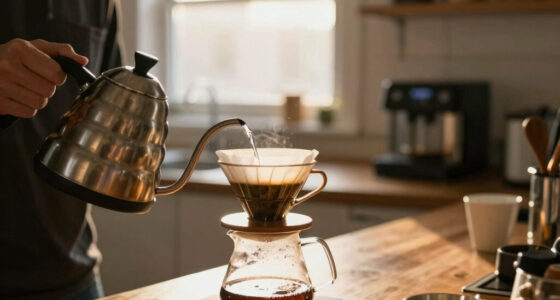
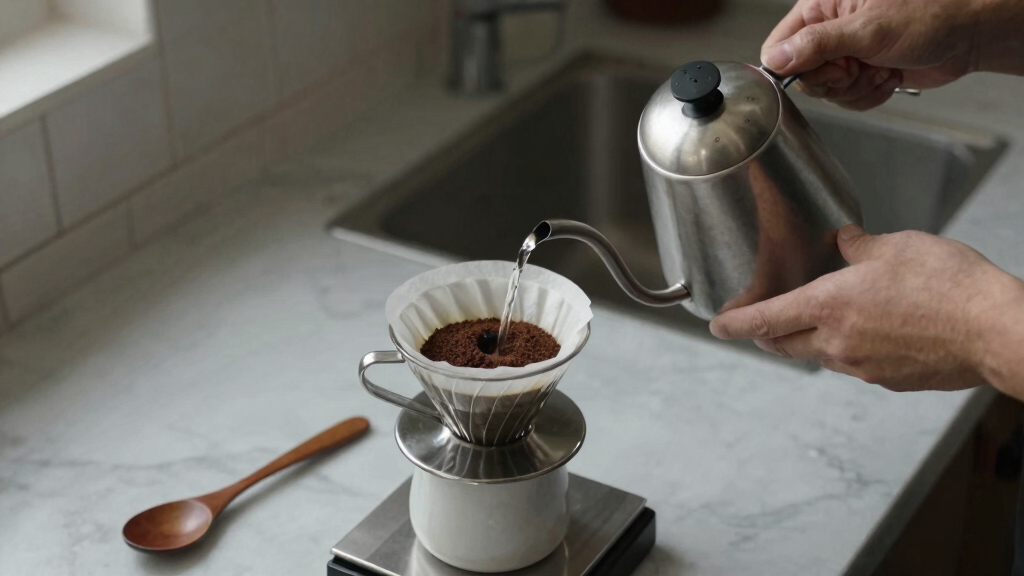
Your tools shape your coffee just as much as the beans. Popular options include pour-over cones like V60 or Chemex, AeroPress, or a simple pour-over dripper. Each offers different control over the flow rate and extraction. For instance, a pour-over with a gooseneck kettle allows you to pour in slow, circular motions, evenly saturating the grounds.
For example, set a timer to keep your brewing consistent—aim for 2–3 minutes total for pour-over. Using a scale to measure coffee and water ensures precision and repeatability. A sturdy mug or carafe catches the liquid, completing your setup.
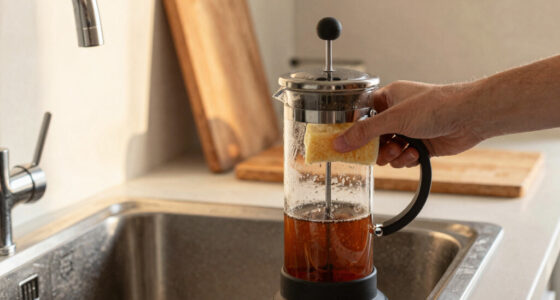
The choice of equipment influences not only the ease of brewing but also the flavor clarity and body of your coffee. A well-designed pour-over allows for better control of flow rate, which affects extraction time and flavor complexity. AeroPress, with its pressure-based extraction, offers a different flavor profile—richer and more concentrated—while French press emphasizes full-bodied, bold flavors due to longer steeping. Understanding these tradeoffs helps you select the best tool for your taste preferences and desired consistency.
As an affiliate, we earn on qualifying purchases.
Step-by-Step: How to Brew a Single Cup by Hand
- Measure 1–2 tablespoons of freshly ground coffee.
- Place a filter in your pour-over cone or AeroPress chamber.
- Heat water to 195–205°F and pour a small amount over grounds to bloom for 30 seconds.
- Slowly pour the rest of the water in a controlled, circular motion, aiming to complete pouring within 1–1.5 minutes.
- Let the coffee drain or press for 30 seconds more.
- Remove the filter or plunger, and enjoy immediately.
This method emphasizes control—adjust the coffee amount, pour rate, or brew time to match your taste. Practicing this sequence makes your results more predictable and satisfying over time. Remember, small variations in pouring speed or grind size can significantly affect extraction and flavor, so observe how your adjustments influence the final cup and refine accordingly.
As an affiliate, we earn on qualifying purchases.
Compare Popular Hand-Brewing Methods at a Glance
| Method | Brewing Time | Flavor Profile | Best For |
|---|---|---|---|
| Pour-Over | 2–3 minutes | Bright, clean, nuanced | Highlighting bean origin |
| AeroPress | 2–3 minutes | Rich, smooth, versatile | Quick, portable, strong flavor |
| French Press | 4 minutes | Full-bodied, bold | Robust, hearty cups |
Tips for Consistent, Great-Tasting Results Every Time
- Use a scale to measure coffee and water precisely.
- Keep your grind size consistent for each method.
- Pour slowly and evenly to avoid over- or under-extraction.
- Record your parameters—coffee amount, water temp, pour speed—to refine your process.
- Experiment with brew time and coffee strength to match your taste.
For example, if your coffee tastes weak, try increasing the coffee amount or lowering your pour rate slightly. Small adjustments lead to big improvements.
Frequently Asked Questions
What is the best method for brewing a single cup by hand?
It depends on your taste—pour-over offers clarity and brightness, while AeroPress delivers richness and versatility. Try both to see which matches your palate.How do I avoid over- or under-extracting my coffee?
Adjust your grind size, pouring speed, and brew time. Experimenting with small changes helps find the perfect balance for your beans.Can I use pre-ground coffee for hand-brewing?
Yes, but freshly ground beans provide better flavor and aroma. If possible, grind just before brewing for the best experience.How important is water temperature?
Very. Keeping water between 195 and 205°F ensures proper extraction without bitterness or weak flavor. Use a thermometer or a temperature-controlled kettle.How much coffee should I use for one cup?
Typically 1–2 tablespoons of coffee per 6 ounces of water. Adjust based on your preferred strength and the method used.Conclusion
Hand-brewing a single cup is about mastery over simple variables—grain, water, technique. With practice, it becomes a ritual that rewards patience and attention to detail. Your next perfect cup is waiting, just a pour away—grab your favorite beans, and start pouring.Fall Picks
fall essentials
As an affiliate, we earn on qualifying purchases.