TL;DR

Get kitchen gear delivered free with Prime
- Fast, free delivery on millions of items
- Prime Video, Amazon Music and more included
- Member-only deals all year
A homesteader’s daily kitchen routine connects meal planning, cooking, food storage, cleanup, and equipment care to the household’s actual chores and food supply. Start with a short plan, prepare a staple when time allows, preserve food only with safe methods, and reset the kitchen so tomorrow’s work begins more easily.
A basket of tomatoes can turn a quiet breakfast into a day of washing, chopping, and preserving. On another morning, a homestead kitchen may need only coffee, oatmeal, and a quick check of the bread dough. The work changes with the food, and that is why a useful routine needs room to move.
Your daily kitchen rhythm links meals to chores, daylight, weather, family needs, and the ingredients you have on hand. It can include cooking from stored food, making a larger pot of beans, cleaning a hand-powered mill, or setting aside an hour for harvest work. No single schedule fits every homestead, and a small garden or pantry can shape a home kitchen just as much as a large farm shapes a rural one.
This guide shows you how to plan a day without turning every meal into a project. You’ll find ways to use what’s available, prepare ahead when it helps, handle preservation safely, and leave the kitchen ready for tomorrow. The goal is steady work and good food, not a perfect-looking routine.
Plan meals around chores, daylight, household needs, and ingredients that should be used soon.
Keep a short list of flexible meals so seasonal changes do not require exact recipe ingredients.
Batch-cook staples only when you can cool, store, and use them safely.
Use tested current guidance for canning, especially for low-acid foods that need pressure canning.
Build the routine from small habits: one prep task, one meal plan, and one kitchen reset.
The Homesteader’s Daily Kitchen Routine A flexible rhythm for good food
Kitchen work follows the household’s chores, food supply, season, and access to utilities. Build a routine from small habits, with room for the day to change.
Start with a plan that can bend
Check what needs using, the work ahead, and the time available.
Check leftovers and ingredients that spoil soon.
Choose food that fits the workload, weather, and available time.
Keep a short menu or prep list, then adapt when plans change.
Let available ingredients guide meals
Start with seasonal, stored, or locally sourced food and pair it with pantry staples.
Use what is ready
Harvests and ingredients that spoil soon can shape the day’s menu.
Keep meals flexible
Soup, skillet hash, porridge, and grain bowls welcome substitutions.
Prepare ahead when it helps
A useful staple can make tomorrow easier when there is a clear plan for the extra food.
- Make bread, soup, beans, or stock when the day allows.
- Set aside the next portion with clean utensils and containers.
- Cool and store promptly using current food-safety guidance.
- Cook extra only when you can store and use it safely.
- Consider fuel, cooling time, dishes, and available refrigeration.
- Reset surfaces and care for equipment as work allows.
Preserve each food safely
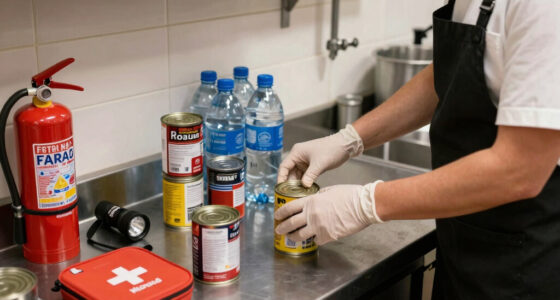
Canning, freezing, drying, fermenting, and cool storage each have different requirements.
| Method | What to keep in mind |
|---|---|
| Canning | Use tested recipes and current guidance; low-acid foods need pressure canning. |
| Freezing | Requires steady power. |
| Drying | Needs airflow and protection from moisture. |
| Fermenting | Follow recipe directions and use clean equipment. |
| Cool storage | Root vegetables need suitable temperature and humidity. |
Start the Day With a Plan That Can Bend
The Homesteader’s Daily Kitchen Routine starts with a brief plan that matches the day’s chores, ingredients, and available time. A few minutes spent checking leftovers, weather, and the work ahead can save you from scrambling at 5 p.m. Keep the plan flexible, because a late harvest or a broken water pump can change the day fast.
Before cooking, look at what needs using first: a bowl of soft apples, yesterday’s rice, or milk nearing its date. Then check the calendar and ask what work will compete with supper. If you expect to be outside stacking wood, a slow pot of soup or beans may fit better than a meal that needs constant attention at the stove.
For example, a household with morning animal chores might set bread dough to rise before heading out, then bake after the feed buckets are washed. A family with a long appointment day may rely on boiled eggs, stored vegetables, and leftover stew. The routine is shaped by real constraints, not by a clock copied from someone else’s kitchen.
Write a short menu or prep list on a scrap of paper: breakfast, supper, one task to do ahead, and one ingredient to use. That small note helps you see the day’s workload without turning meal planning into another chore. Plan around what you have, then leave a little room for the unexpected.
Products Worth Considering

Ninja French Door Premier 10-in-1 Air Fry Oven, 20.3 Qt, Stainless Steel, FO101

Breville Bambino Espresso Machine, Brushed Stainless Steel

Cuisinart TOA-70NAS Air Fryer Toaster Oven, 1800W, 8-in-1, Stainless Steel
As an affiliate, we earn on qualifying purchases.
Build Meals Around the Food Already in Your Kitchen
A homestead kitchen meal often begins with the food already available: garden vegetables, eggs, dairy, stored grains, preserved fruit, or local purchases. Start with the ingredients that spoil fastest, then pair them with pantry staples that keep well. This approach cuts waste and makes your daily kitchen routine easier to adjust.
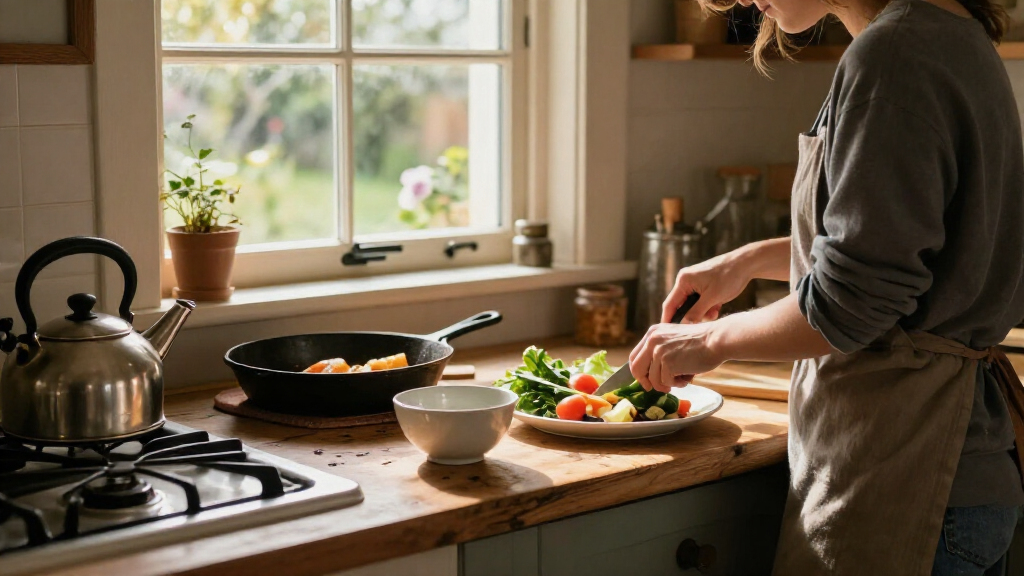
Imagine you have a handful of kale, two eggs, a heel of cheese, and yesterday’s potatoes. Instead of making a special trip for a recipe’s exact ingredients, fry the potatoes in cast iron, wilt in the kale, and top the pan with eggs. The meal is simple, filling, and guided by what your kitchen actually contains.
Seasonal eating can also change the shape of the day. In summer, sliced tomatoes and fresh herbs may need little cooking; in winter, dried beans, onions, and stored squash may simmer into a warming pot. Your routine will vary with the season and with how much of your household’s food supply comes from a garden, pantry, neighbors, or shops.
Keep a short list of flexible meals that welcome substitutions: soup, skillet hash, porridge, frittata, flatbread, and grain bowls. These are useful because they do not depend on one exact vegetable or a narrow window of timing. Use recipes as guides, then let your ingredients set the menu.
Prepare One Staple Ahead to Make Tomorrow Easier
Batch preparation means making more of a useful food than you need for one meal, then cooling and storing the extra safely for later. A pot of beans, soup, stock, cooked grains, or a loaf of bread can save time on a busy day. It works best when the extra food has a clear next use and you have a safe way to store it.
- Choose a staple that suits the day’s fuel, weather, and workload, such as beans on a cool day or bread when the oven is already hot.
- Set aside the next portion before serving, using clean containers and utensils.
- Cool and store promptly according to current food-safety guidance, then label the container with the food and date.
- Use it in a planned meal, such as turning extra beans into lunch with cornbread or adding cooked grains to tomorrow’s soup.
For example, if you already have a wood stove hot for breakfast and baking, you might cook a larger pot of oats for the family. Refrigerate the extra promptly if refrigeration is available, then reheat a portion thoroughly for the next morning. The details of safe cooling and storage matter, especially when a kitchen runs warm or lacks reliable refrigeration.
Batch cooking does not always save time. A large pot may use more fuel, take longer to cool, or create more dishes than a small household needs. Cook ahead with a use in mind; extra food is helpful only when it stays safe and gets eaten.
Preserve a Harvest With the Right Method for Each Food
Food preservation extends the usefulness of seasonal ingredients through canning, freezing, drying, fermenting, or cool storage, but each method has different safety requirements. Match the process to the food and follow tested, current guidance, especially for canning. A recipe handed down in a family may carry meaning, but safe acidity, processing time, and pressure matter too.
When a glut of green beans arrives, you might freeze some, dry herbs, and store sound root vegetables in suitable cool conditions. Each choice has tradeoffs: freezing relies on steady power, drying needs airflow and protection from moisture, and root storage depends on appropriate temperature and humidity. Fermentation calls for clean equipment, the right salt proportions, and careful attention to the recipe’s directions.
For low-acid vegetables, meat, poultry, and many mixed foods, use a pressure canner and a tested recipe from a trusted food-safety authority. Do not improvise processing times, jar sizes, or ingredient proportions. If you are new to canning, work from current guidance and learn how your equipment operates before filling jars.
A real harvest day might mean washing tomatoes in batches, setting aside blemished fruit for immediate cooking, and stopping before fatigue leads to sloppy handling. Keep raw produce and clean jars organized, wash hands and surfaces, and label stored food with its contents and date. Preserve only what you can handle safely; a smaller, well-managed batch beats a pantry full of questionable jars.
Keep Cleanup Small So the Kitchen Stays Ready
A manageable cleanup after each cooking session keeps food surfaces sanitary and leaves you room to work the next time you enter the kitchen. Wash dishes, wipe counters, put ingredients away, and check that tools are clean and dry. Short resets are easier than facing a sink full of sticky bowls after a long day.
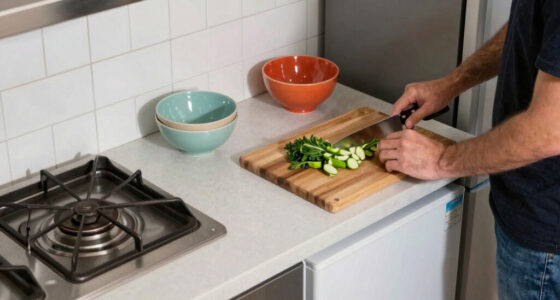
For example, while lentil soup simmers, wash the cutting board and knife, wipe up onion skins, and return the dried beans to their container. After supper, scrape plates, soak a stubborn cast-iron pan if needed, then dry it thoroughly and apply a light film of oil when appropriate for its condition. A clean pan, clear counter, and dry dish towel make tomorrow’s breakfast feel less like starting from zero.
Keep cleaning practical. Use clean cloths for food-contact surfaces, separate raw meat handling from ready-to-eat food, and wash hands after handling eggs, meat, soil-covered produce, or waste. If you draw water from a well, tank, or other source with special treatment needs, follow the guidance that applies to your supply.
A full scrub-down is not necessary after every meal, but food residue and standing water should not linger. Reset the work area in small passes: clear while food cooks, wash after eating, and put away tools once they dry. That rhythm saves effort and helps the kitchen stay pleasant through busy stretches.
Match Your Tools and Fuel to the Work
Your kitchen tools and energy source shape how much work fits into a day, so build the routine around equipment you can use and maintain. A hand-crank grinder, cast-iron skillet, kettle, sharp knife, and sturdy stockpot can cover a lot of everyday jobs. Modern appliances can help too; off-grid living is not a requirement for a homestead-style kitchen.
If electricity is limited, plan power-hungry tasks together. Grind grain while a generator is already running, or use stored power for a freezer check before charging other devices. A wood-burning stove may offer steady heat for a pot of soup, but it also demands ventilation, careful fuel handling, and attention to fire risk.
Consider a winter morning when the kitchen is cold and the family needs breakfast before outdoor chores. A kettle heated on a suitable stove, porridge cooked in a heavy pot, and bread warmed near the heat can work well if the stove and chimney are maintained and the room has proper ventilation. A damp log, poor draft, or blocked flue changes the situation; stop and address equipment problems before relying on the stove.
Keep tools dry, sharpen blades safely, and inspect handles, cords, seals, and moving parts as appropriate. For electrical, gas, structural, or roof work, use a licensed professional and follow local codes and permits. Reliable skills and maintained tools matter more than owning specialized gear.
Shift Your Routine With the Season and Household
A homestead kitchen routine changes as harvests, daylight, chores, and household needs shift. Peak harvest may bring hours of washing and preserving, while winter often leans on stored food and meals that simmer slowly. Family size, work schedules, health needs, and utility access all affect what is realistic.
During a late-summer tomato rush, you might cook one meal from fresh produce, freeze a measured portion of sauce, and leave the rest for another day rather than trying to process the entire harvest at once. In January, the same kitchen may rely on dried beans, canned tomatoes, onions, and stored squash. The menu changes; the habit of checking what needs using can stay.
People who live in town can use the same approach with a few pots of herbs, a freezer, or a shelf of preserved food. You do not need livestock or acres of land to plan around seasonal produce, cook from a pantry, or reduce food waste. A compact home kitchen can follow a homestead rhythm by making food sources visible and choosing a manageable prep task each day.
When work or childcare fills the day, simplify without guilt. A sandwich with boiled eggs, a reheated stew, or vegetables with beans still count as a good meal. Let the routine fit your household, and change it when the workload changes.
Use These Key Points to Make the Routine Stick
The most useful daily kitchen routine is one you can repeat on an ordinary, imperfect day. It should reduce last-minute decisions, make good use of food, and leave enough time for the rest of your work. Start with a few small habits instead of trying to cook everything from scratch or preserve every surplus ingredient.
Suppose you have thirty minutes between chores and supper. Check leftovers, choose a flexible meal, and start one task that can run with little attention, such as simmering beans or roasting root vegetables. If you have only ten minutes, portion tomorrow’s lunch or clear the counter; a small preparation can still smooth the next day.
- Check the food that needs using before choosing a recipe.
- Plan one ahead task, such as soaking beans or mixing dough, when it fits your schedule.
- Choose preservation by method and safety needs, not by the size of the harvest alone.
- Reset a small area before leaving the kitchen so the next meal starts cleanly.
- Review what worked at the end of the week and drop steps that add effort without helping.
These habits can make your kitchen more resilient even if your food supply comes partly from shops. The aim is not a rigid timetable; it is a rhythm that helps you notice what needs attention and act before food, time, or fuel goes to waste.
Frequently Asked Questions
What does a homesteader typically do in the kitchen each day?
A typical day may include planning meals, cooking from fresh or stored ingredients, washing dishes, and checking food that needs using soon. Some days also include baking, batch cooking, or preservation, but those tasks depend on the season and workload. A small note with the day’s meals and one prep task can keep the work manageable.
How much time does a homestead kitchen routine take?
There is no fixed time because meal complexity, household size, available utilities, and chores vary. A quick breakfast and simple supper may take less time than a harvest day spent washing and preserving produce. Start with a short plan and one useful ahead task; add more only when your schedule allows.
How do I plan meals around seasonal or homegrown ingredients?
Check what is ripe, stored, or likely to spoil first, then pair it with pantry staples and flexible meals such as soup, hash, or frittata. A basket of tomatoes might become supper and a small freezer batch, while winter squash can anchor several meals. Let recipes bend around the food you have.
How can I preserve food safely, especially when canning?
Choose a preservation method suited to the food and follow current, tested food-safety guidance. For low-acid vegetables and many mixed foods, use a pressure canner with a tested recipe; do not improvise times or proportions. Keep equipment clean, label stored food, and learn the canner’s instructions before processing jars.
Can I build a homestead-style kitchen routine without living on a farm?
Yes. You can plan meals around seasonal produce, cook from a pantry, reduce food waste, and prepare staples ahead in an apartment or suburban kitchen. A few garden herbs or a freezer are useful, but neither is required. The routine is about practical habits, not acreage.
Conclusion
Build your routine around three steady habits: check what food needs using, prepare one thing that will help later, and leave a clean place to work. Let harvests, weather, chores, and the needs of your household shape the rest. A homestead kitchen works best when its rhythm serves the people eating there.
Tomorrow’s first meal feels easier when the kettle is clean, the beans are labeled, and the counter is clear enough for a loaf of bread. Start with one small reset tonight, then let the next day’s food tell you what comes after.