
TL;DR

Get kitchen gear delivered free with Prime
- Fast, free delivery on millions of items
- Prime Video, Amazon Music and more included
- Member-only deals all year
Rainwater can be a useful water source for cooking, but clear water from a clean-looking roof is not proof that it is safe. Check the catchment and tank, divert initial runoff, test for local risks, use treatment suited to those risks, and store treated water cleanly. Boiling can kill many disease-causing microbes; it does not remove metals, chemicals, or salt.
A pot of clear rainwater can still carry hazards you can’t see, smell, or taste. Dust and animal waste may wash off a roof, while metals or chemicals can enter from catchment materials, storage, or nearby activity. A rolling boil addresses many microbes, but it cannot fix every problem that rainwater may pick up.
This guide shows you how to think through rainwater harvesting for cooking as a complete water system: roof, gutters, first runoff, tank, treatment, testing, and handling. You’ll learn what each step can do, where it falls short, and when a known-safe supply makes more sense for a meal.
Inspect roof material, condition, gutters, and nearby contamination sources before collecting rain for kitchen use.
A first-flush diverter can reduce some initial roof debris, but it does not disinfect water.
Boiling can kill many disease-causing microbes; it does not remove metals, chemicals, or salt.
Choose tests and filters for local hazards, and follow current public-health guidance.
Store treated water covered and handle it with clean containers to prevent recontamination.
Safe Use for Cooking
Rainwater can be useful in the kitchen, but clear water is not proof of safety. Treat the roof, tank, treatment and handling as one system.
Boiling has limits
Choose treatment for the hazards that may be present.
Boiling can help
A rolling boil can kill many disease-causing microbes.
Boiling cannot remove them
Metals, chemicals and salt can remain; evaporation may concentrate some contaminants.
Check the collection path
Each part of the system can affect what reaches the cooking pot.
Check material, condition, debris and nearby contamination sources.
A first-flush diverter can reduce some roof debris, but does not disinfect water.
Use a suitable covered tank with screened openings to keep out pests and debris.
Test and treat for local risks
Testing and treatment should reflect the catchment, system and local guidance.
- Test new systems and after repairs or contamination events.
- Consider local microbial and chemical hazards.
- Use a filter verified for the contaminants of concern.
- Follow current public-health guidance.
Keep treated water safe
Clean handling protects water after treatment.
- Store it in a clean, covered container.
- Use clean equipment and avoid dipping hands or used utensils into it.
- Choose a known-safe supply if contamination is suspected or an advisory applies.
Treat the whole system as part of your cooking water
Rainwater harvesting for cooking is only as reliable as the full path the water takes from roof to pot. Rain starts out in the open, then runs across a catchment surface, through gutters and screens, into a tank, and eventually into your kitchen. Each stage can add, remove, or change hazards. That means a clean-looking sample only tells you about its appearance at that moment; it cannot reveal every contaminant or what may have entered upstream.
Think of the setup like a chain of buckets: one dirty section can affect what reaches the end. A roof may collect bird droppings and windblown dust; old or damaged surfaces may introduce other contaminants. A tank can pick up insects or debris if its openings are not screened. Pipes and fittings also belong on your inspection list. The practical implication is that treatment cannot be chosen wisely without knowing which parts of the chain might be contributing risk.
For example, a family might use rainwater in a stew after a long summer dry spell. The water may look clear in the pot, yet the first shower can carry a concentrated wash of roof grime into the collection system. Before deciding to cook with it, they need to ask how the system collected and stored it, what local risks apply, and what treatment is suitable. A boil may address many microbes, but it won’t remove metals or chemicals from an unsuitable roof or fitting.
That whole-system view is the difference between collecting rain and preparing water for a food use. Collection is a supply step; treatment and safe handling are separate steps. Maintenance can reduce avoidable contamination and make the system more dependable, but it takes ongoing attention and still cannot guarantee the quality of every batch. A well-maintained system can support household resilience, but it does not automatically make its water equivalent to regulated drinking water.
Products Worth Considering
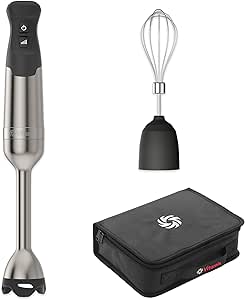
Vitamix 5-Speed Immersion Blender 3-Piece Bundle with Whisk and Storage Case

Instant Pot Rio 6-Quart 7-in-1 Electric Pressure Cooker, Black

Breville Smart Grinder Pro Conical Burr Coffee Grinder, Brushed Stainless Steel
As an affiliate, we earn on qualifying purchases.
Check your roof before trusting the runoff
Your roof and gutters set the starting quality of harvested rainwater. Look for material, condition, and activity around the catchment before routing water toward a tank. Peeling paint, questionable coatings, nearby chemical work, heavy animal access, and accumulated debris can all change the risks you need to manage. This matters because the roof is a large collection surface: whatever lands there can be washed into storage, and later treatment may not remove dissolved substances from roofing materials.
Walk the roofline from the ground after a dry spell. Notice leaves packed into a gutter, a nesting spot near a downspout, or flaking paint near the collection edge. If the roof material or coating is unknown, don’t assume a filter or a later boil will make any runoff suitable for cooking; first check local public-health guidance and whether the material is appropriate for collecting water. That check can prevent effort spent maintaining or treating water from a catchment that should not supply food use.
A practical inspection might happen before the first autumn storm. You clear leaves, check that the gutter screen sits firmly, and look for nearby work that could send dust or chemicals onto the roof. After a wildfire, chemical spill, or other unusual event, check advisories and use a known-safe source until the water’s suitability is established. Pausing collection can mean losing some stored volume, but it avoids turning an uncertain event into a kitchen exposure.
Keep a simple record of roof condition, cleaning, repairs, and unusual events. It helps you notice whether a change in the system lines up with a water-quality concern and gives a testing service useful context. Appearance is useful for spotting visible debris, but it cannot rule out microbes or dissolved contaminants.
- Check the roof’s material and condition.
- Clear leaves and debris from gutters and screens.
- Consider contamination from nearby activity and wildlife.
- After repairs or unusual events, review local advice before using runoff for food.
Use a first-flush diverter, but don’t mistake it for treatment
A first-flush diverter sends some of the initial roof runoff away from storage, which can reduce the debris carried in after a dry spell. The first rain often washes dust, leaves, and animal droppings from the catchment. Routing that initial flow aside can reduce one source of contamination entering the tank. How much it helps depends on how long the roof has been dry, the weather, roof area, and diverter design.
Picture a dusty garden path after a week without rain. The first splash lifts grit; later water runs over a cleaner surface. A roof behaves in a similar way, though the amount of runoff to divert depends on the roof, weather, and system design. Diverting more water may reduce more initial debris, but it also means less water enters storage. A diverter is a collection control, not a disinfectant or a guarantee of safe water.
For instance, if a small cabin has sat unused through a dry summer, its owner can inspect and maintain the diverter before collecting water for the kitchen. That may keep more roof debris out of the tank. But if the roof sheds metals or chemicals, or microbes enter later, diverting initial runoff won’t solve those hazards. The device is most useful when understood as one targeted step, rather than a reason to skip inspection, testing, or treatment.
Make the device part of regular maintenance: check for clogs, confirm it drains as intended, and keep its outlet from creating standing water or a pest problem. It can lower the initial dirt load; it cannot remove every contaminant or replace testing and appropriate treatment. The useful water management decision is to know what each part does and where its limits begin.
Keep the tank closed, screened, and easy to inspect
A covered, suitable tank helps protect collected rainwater from new contamination during storage. Choose a container intended for water storage, and keep its openings sealed against insects, animals, and falling debris. Screens on inlets and overflows help block pests while still allowing the system to function. The material matters because a tank is in prolonged contact with the water; a container not intended for that use may introduce substances or be difficult to clean safely.
Sunlight can encourage growth in a tank that is not properly protected, and an uncovered opening invites leaves or insects. Check that the lid fits, screens have no tears, and the inlet and outlet stay clean. You should also be able to inspect and maintain the tank according to its design without compromising its safety. A tank that is hard to inspect can hide sediment buildup or damage, making it harder to tell when maintenance is needed.
Imagine drawing water for bread dough from a tank after a windy night. A sound cover and intact screens help keep new leaves and insects out, but they don’t erase whatever entered earlier from the roof or plumbing. That’s why a sealed tank is one link in the system rather than a complete water-treatment plan. A lid reduces new exposure; it cannot reverse contamination already present.
Keep treated water separate from untreated supply when practical, using clean, covered containers. Label containers clearly so a busy cook doesn’t pour untreated tank water into a pot by mistake. Clean storage protects water after treatment, while careful handling prevents recontamination. Avoid dipping hands, used ladles, or dirty utensils into stored water; even a good treatment step can be undone at the last moment. This extra care is especially useful when water is stored for later, since each transfer creates another chance for contamination.
Choose treatment based on the hazard, not the water’s appearance
No single treatment method makes every batch of rainwater suitable for cooking. Boiling can kill many disease-causing microbes, but it does not remove metals, chemicals, or salt. As water evaporates, some contaminants can become more concentrated in what remains, so boiling is not a fix for suspected chemical contamination. It is useful when microbial risk is the concern and the water is otherwise suitable, but it offers no protection from hazards it cannot remove.
A filter also has limits. Some filters reduce particles or particular contaminants, while others may not address microbes or dissolved chemicals. Check independently verified performance for the specific contaminants of concern, and follow maintenance instructions. A device that improves taste or removes sediment is not automatically a complete treatment system. Choosing by the contaminant claim, rather than by a general label like “water filter,” helps avoid a false sense of security.
Here’s a practical comparison to guide your next question: what hazard are you trying to address? A cook using a maintained system with no known chemical concern may still need advice on microbial treatment, while a roof with a questionable coating calls for a different response. If the risk is unknown, consult local guidance rather than stacking random filters and assuming the water is safe. More equipment can add cost and maintenance without addressing the actual hazard.
| Method | What it may help with | What it does not establish |
|---|---|---|
| Boiling | Many disease-causing microbes | Removal of metals, chemicals, or salt |
| Filtration | Particles or named contaminants, depending on the filter | Broad protection unless performance is verified for the hazards |
| First-flush diversion | Some debris in initial roof runoff | Disinfection or removal of every contaminant |
Match the treatment to the suspected hazard. If chemical contamination is possible, use a known-safe alternative until the water’s suitability is established.
Test when the system changes or local risks call for it
Testing gives you information about specific hazards; no single test answers every water-safety question. A basic microbial test does not detect every chemical concern, so test selection should reflect the roof, tank, nearby activity, and local public-health guidance. That keeps you from treating one reassuring result as a complete all-clear. The value of a test is in answering a defined question, not in certifying every possible use under every condition.
Consider testing when you install a new system, after a repair or contamination event, and periodically during use according to local advice. If you change roof materials or plumbing, the risk profile can change. A test from before that work may no longer describe the water you collect today. Testing takes time and may cost money, so focusing it on known changes and locally relevant hazards makes the results more useful.
Say you replace an outlet fitting and notice a metallic taste afterward. Don’t rely on taste alone to diagnose the cause or decide the water is safe. Pause food use, check the fitting material, and ask a qualified local water-testing service or public-health office which tests fit the situation. A targeted test can help distinguish a real materials concern from a taste change with another cause.
Current practice treats rainwater harvesting as a managed system: maintenance, treatment, and risk-based testing work together. Sensors may show a reading, but a sensor alone may not establish that water is suitable for cooking. Use testing to answer a specific question, then follow the guidance tied to that result. Local rules and recommendations differ, so avoid applying a universal testing schedule to every roof and region. If a result identifies a problem, the next step is to address its source or choose a safer supply, not simply repeat the same treatment.
Handle treated water so it stays safe at the stove
Keep treated cooking water safe by separating it from untreated supply and handling it with clean equipment. A sound treatment step can lose its value if you pour water into a dirty jug or dip a used spoon into the storage container. Treat the kitchen end of the system as carefully as the roof and tank. Each transfer is a small opportunity for recontamination, so fewer, cleaner transfers make the process easier to manage.
Here is a simple sequence for a day when your system and local guidance support using harvested water for cooking:
- Confirm the source: check the roof, tank, maintenance record, and any current advisories.
- Use suitable treatment: choose the method indicated by the known or suspected hazard; don’t treat boiling as chemical removal.
- Transfer cleanly: pour into a clean, covered container rather than dipping a cup or hand into storage.
- Use the water for the intended food task: follow local guidance, especially for uses without a later cooking step.
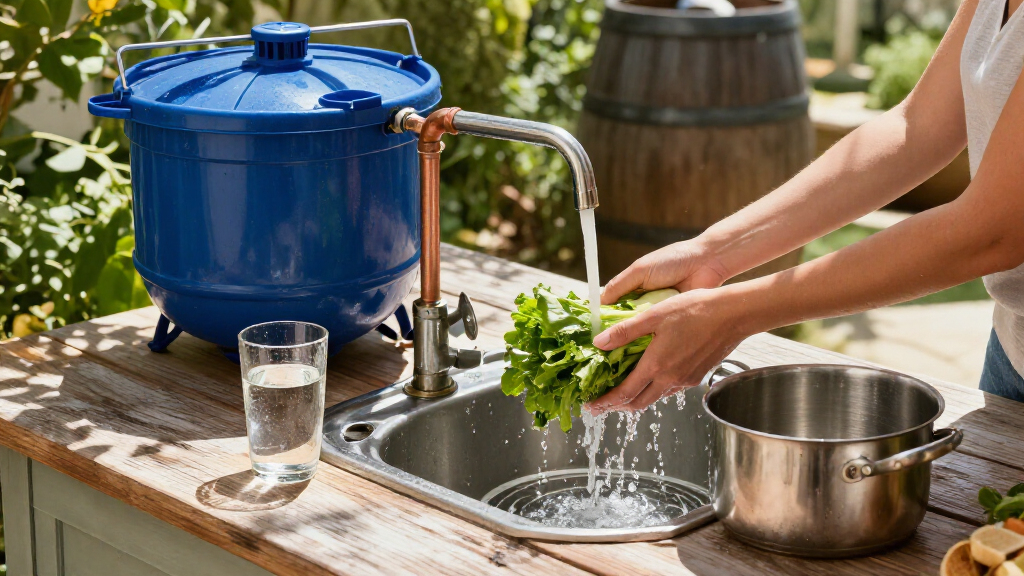
For example, a family making soup can transfer treated water with a clean spigot into a covered pot, then keep the storage jug away from raw food splashes. Washing vegetables, making ice, or preparing baby formula may involve water that isn’t later boiled in the dish; use water that meets local standards for that purpose, with extra care for infants and people with weakened immune systems. The intended use matters because a later cooking step may reduce some microbial hazards, while uncooked uses leave less room for that final barrier.
Know when to put the rain barrel aside
Use a known-safe alternative when contamination is suspected, an advisory applies, or you cannot establish that the system suits the intended use. Rainwater can be a useful water supply in some settings, but uncertainty about a roof coating, nearby chemical spill, wildfire fallout, or damaged storage is a reason to pause food use. The benefit of harvested water is access and resilience; the tradeoff is that the household must manage uncertainty and maintenance that a regulated supply generally handles through different controls.
That pause can feel inconvenient when your pantry is ready and the tap is far away. Still, a jug from a verified safe source is a better choice for drinking, cooking, ice, or food preparation while you investigate. Cooking does not make chemically contaminated water safe, and a clean taste cannot resolve the uncertainty. Keeping a reserve on hand makes it easier to choose safety without being forced into a rushed decision at mealtime.
After a severe storm, inspect the collection system and check local advisories before returning it to kitchen use. If a tank was flooded, a roof was damaged, or unusual material washed into the gutters, don’t simply skim debris and continue as usual. Ask local authorities or a water-quality professional what inspection and tests make sense. The extra delay may cost some stored water or time, but it can clarify whether the system needs cleaning, repair, testing, or a longer pause.
For a remote household, keeping a reserve of known-safe water is part of practical planning, much like keeping a dry tinder bundle for wet weather. It gives you time to check the system without rushing a decision over dinner. Resilience means knowing when to use your stored supply and when to set it aside.
Frequently Asked Questions
Can I cook with rainwater straight from the tank?
Don’t assume tank water is safe to cook with just because it looks clear. Its suitability depends on the roof and collection system, storage, local risks, and appropriate treatment. Check local guidance and use a known-safe source if you can’t establish that it is suitable.
Does boiling make rainwater safe?
Boiling can kill many disease-causing microbes, but it does not remove metals, chemicals, or salt. Evaporation can concentrate some contaminants in the water left behind. If chemical contamination is suspected, use a known-safe alternative.
Do first-flush diverters make harvested rainwater safe?
A first-flush diverter routes some initial roof runoff away from the tank, which may reduce dust, leaves, and animal waste entering with that first flow. It does not disinfect water or remove every contaminant. You still need suitable system maintenance, treatment, and testing based on local risks.
Which filter should I use for rainwater?
Choose a filter with independently verified performance for the contaminants you need to address. Particle or taste improvement alone does not establish protection from microbes or dissolved chemicals. Follow the product’s maintenance instructions and local water-quality guidance.
How often should I test rainwater from my system?
There is no single schedule that fits every roof and tank. Testing is especially relevant when installing or changing a system, after repairs or suspected contamination, and periodically as local guidance advises. Ask for tests that reflect the hazards in your area; a basic microbial test won’t detect every chemical concern.
Can I use harvested rainwater for washing vegetables or making baby formula?
Those uses may not include a later cooking step that addresses microbial hazards. Use water that meets local standards for the intended purpose, and take extra care for infants and people with weakened immune systems. When uncertain, choose a known-safe supply.
Conclusion
Before rainwater reaches your pot, know what it crossed, how it was stored, and which hazards your treatment can address. Inspect the system, follow local advice, and keep a known-safe supply available for cooking when contamination is possible or the water’s suitability is unclear.
A sturdy tank can save a rainy day. Good judgment is what makes that water fit for the kitchen.