TL;DR

Get kitchen gear delivered free with Prime
- Fast, free delivery on millions of items
- Prime Video, Amazon Music and more included
- Member-only deals all year
California is considering a ban on producing quartz countertops because cutting and fabricating slabs can release crystalline silica dust linked to silicosis. The proposal still needs a vote, and Good Housekeeping says tested silica-free surfaces and other countertop materials performed well in its tests.
California is considering a ban on quartz countertop production because fabrication can expose workers to airborne crystalline silica dust, according to a Good Housekeeping report. The proposal has not taken effect and still requires a vote; the report says the publication’s testing found several silica-free surfaces and other alternatives performed well.
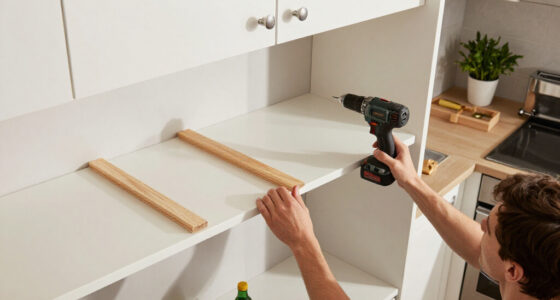
The concern is not ordinary use of an installed countertop, but the work involved in cutting and shaping slabs. Quartz surfaces contain crystalline silica, and fabrication can release fine dust into the air. The report says inhaled particles can lodge in the lungs, contribute to scarring and cause silicosis, a chronic and incurable lung disease. It describes wet cutting and adequate ventilation as safe practices that can limit dust exposure.
Good Housekeeping’s Home Improvement & Outdoor Lab evaluated Neolith’s silica-free surface, which the report identifies as a 2025 Home Reno Award winner. The lab reviewed independent testing of its formulation and checked third-party safety and environmental certifications, including Greenguard and International Organization for Standardization certifications, according to the report. Its tests found stain resistance remained strong after silica was removed, and the surface resisted heat and scratches. The publication still recommends cutting boards and trivets.
The report also names Caesarstone’s ICON, introduced in 2025 and later recognized with a 2026 Good Housekeeping Kitchen Award. It performed well in the publication’s stain, scratch and heat tests and was available in a dozen colors, including sage green and marble-inspired designs. Other options cited include porcelain and natural stone. Caesarstone porcelain resisted tough stains in the tests and can be used outdoors, while granite, marble and quartzite offer natural patterns but may need more care; the report gives a natural-stone price range of $50 to $130 per square foot.
Implications for Workers and Remodelers
A production ban could affect countertop manufacturers and the supply of a material that has become widely used for its design choices, durability and relatively easy maintenance. For homeowners planning a renovation, the immediate takeaway is that the proposal is not yet in effect; the report does not say installed quartz counters pose the same silica-dust risk. The stated health concern centers on exposure during fabrication and installation work.
The alternatives described may give designers and customers more options if regulations or purchasing preferences shift. But test results from a consumer publication do not by themselves establish that every product is suitable for every project or that all fabrication risks have been addressed. Buyers will still need to compare performance, cost, appearance and care requirements, while employers and fabricators must follow applicable workplace safety rules.
Products Worth Considering

KitchenAid 8-Cup Grain and Rice Cooker with Integrated Scale, Porcelain White

Ninja Crispi Glass Air Fryer (Stone) – 4‑in‑1

KitchenAid 5.5-Qt Bowl-Lift Stand Mixer, Porcelain White (KSM55SXXX)
As an affiliate, we earn on qualifying purchases.
From Popular Surface to Silica Debate
Quartz countertops are engineered surfaces made with crystalline silica as a principal ingredient. Good Housekeeping says the material’s popularity over roughly the past two decades has reflected its range of designs, durability and ease of maintenance. The same ingredient has prompted concern over dust created when slabs are cut or otherwise processed.
The report describes California’s action as a potential ban on production, not a measure already in force. It says the proposal still needs to be voted on before taking effect, but provides no vote date or further legislative details. In parallel, designers are already sourcing alternatives, according to the report. That activity does not mean the state has enacted a ban.
The publication’s testing covers specific products and performance measures, rather than all countertops on the market. Its account of Neolith includes a review of independent formulation testing and certifications; its findings on stain, heat and scratch resistance are the lab’s reported results. Natural stone brings different trade-offs: the report says marble is porous and requires more mindful maintenance, while granite, marble and quartzite are priced in a premium range.
“The California ban still needs to be voted on before it takes effect.”
— Good Housekeeping report
Vote and Policy Details Pending
The source report does not identify the bill or proposal by name, specify its exact scope, provide a legislative vote date, or say which manufacturers or products would be covered. It is therefore unclear when a decision may be made or what production activities a final measure would restrict. The report also does not describe any proposed exemptions, transition period or enforcement rules.
The test findings are limited to the products and performance checks discussed by Good Housekeeping. The report does not provide full test protocols, numerical scores or a comparison across every available brand. It also does not offer a detailed assessment of how each alternative is fabricated or the safety controls workers need for those materials. The proposal’s final language and any later regulatory guidance could affect how manufacturers, fabricators and buyers respond.
Awaiting California’s Vote
The immediate milestone is a vote on the California proposal. Until that happens, the report’s description should be read as a pending policy development, not a statewide ban already in force. Any subsequent legislation or agency guidance would be needed to clarify what production is covered, when restrictions might begin and how compliance would work.
Homeowners considering a remodel can compare silica-free engineered surfaces, porcelain and natural stone based on verified product specifications, costs and maintenance needs. They should not treat a consumer test result as a substitute for product documentation or professional advice about installation. For workers, the report’s stated concern remains dust exposure during fabrication; safe handling practices such as wet cutting and adequate ventilation are relevant while the policy question remains unresolved.
Key Questions
Has California banned quartz countertops?
No. The Good Housekeeping report says a proposed production ban still needs a vote before it can take effect. It does not report that a ban is currently in force.
Why is quartz countertop production a health concern?
Quartz contains crystalline silica. Cutting and shaping slabs can release silica dust, which, if inhaled, can damage the lungs and cause silicosis, according to the report. The concern described is occupational exposure during fabrication, not simply having an installed counter at home.
Which silica-free countertop products did Good Housekeeping test?
The report discusses Neolith’s silica-free surface and Caesarstone’s ICON. Good Housekeeping says its tests found strong resistance to stains, heat and scratches for the products described, though results apply to those tested surfaces and checks.
What other countertop alternatives are mentioned?
The report names porcelain, granite, marble and quartzite. Porcelain performed well against stains in Good Housekeeping’s tests and can be used outdoors, according to the report. Natural stone offers distinctive patterns but can require more care, especially porous marble.
Are installed quartz countertops considered unsafe in the report?
The report says there are no silica-dust safety concerns once quartz countertops are installed in a home. It identifies dust generated during fabrication and installation work as the relevant exposure concern.
Source: goodhousekeeping.com