TL;DR
Listen free for 30 days with Audible
Thousands of audiobooks and originals — cancel anytime.
Start your free trialAs an affiliate, we earn on qualifying purchases.
Storing water in food-grade containers is simple but requires attention to material, sanitation, and storage conditions. Regular rotation, proper handling, and choosing the right container make all the difference for safe, reliable water in emergencies.
Storing Water in Food-Grade Containers
Not all containers are created equal. Safe emergency water storage depends on four pillars: potable water, a genuinely food-safe container, sanitary handling, and suitable storage conditions. Get these right and your supply stays reliable for weeks — or longer.
Water itself never “expires” — but contamination, chemical migration, damaged seals, and degraded containers can make stored water unsafe or unpleasant.
How to Pick the Right Container
A recycling number identifies the type of plastic — not whether a container is certified for food contact. Look for language such as “food grade,” “food safe,” or “for potable water” from a reputable manufacturer.
HDPE Barrels
High-density polyethylene is durable, opaque, and the standard for purpose-built water storage barrels. A sealed 55-gallon food-grade barrel is the workhorse of long-term reserves.
Recycling Code #2PET Bottles
Polyethylene terephthalate soda bottles work in a pinch for short-term storage when carefully cleaned. Avoid milk and juice jugs — they are thin and nearly impossible to sanitize thoroughly.
Recycling Code #1Steel & Glass
Stainless steel designed for potable water and glass do not degrade or leach chemicals. More expensive and heavier, but they offer the safest long-term solution when breakage is manageable.
Codes #5 / NoneContainers that previously held fuel, pesticides, cleaners, or solvents. Hazardous chemicals can penetrate plastic and may be impossible to remove — residues migrate directly into your drinking water.
What a Good Container Must Have
Every feature on this list exists to block one specific contamination pathway — light, air, hands, or impact.
Tight, Leak-Resistant Lid
Prevents airborne contaminants and keeps out pests — the first line of defense for water purity.
Small Opening or Spigot
Reduces hand contact and repeated openings, minimizing the risk of introducing germs during dispensing.
Opaque or Dark Walls
Light encourages algae growth, especially in clear plastics. Blocking light directly limits microbial growth and off-tastes.
Durable Construction
A full 55-gallon barrel weighs roughly 460 pounds. Sturdy walls, a handle, and a secure shape survive handling and environment.
How Much Water Do You Need?
The emergency baseline is one gallon per person per day for drinking and basic sanitation. Family of four, two-week target:
Hot climates, pregnancy or breastfeeding, illness or disability, children, older adults, pets, cooking with dried foods, or medical equipment. One gallon per day is an emergency baseline — not a comfortable household allowance. Water weighs 8.34 lb per gallon (1 kg per liter), so choose a barrel’s location before filling.
Clean Containers, Step by Step
Proper sanitation prevents microbial growth that causes waterborne illness. Start with clean hands, a clean work area, and potable water.
Wash
Scrub the container and lid with dish soap and clean water.
Rinse
Rinse thoroughly until no soap residue remains.
Sanitize
Coat all interior surfaces with an unscented bleach solution.
Wait & Drain
Follow label contact time, then drain or rinse as directed.
Fill & Label
Fill without touching the inside; label with date and treatment.
Use unscented household chlorine bleach — no fragrances, splash-control additives, or cleaning ingredients. Bleach products vary substantially in strength, so old recipes may produce the wrong concentration. Note: sanitizing a container and disinfecting questionable water are different procedures — never confuse them.
Seal It Right, Store It Smart
Fill with cold potable water, leave 1–2 inches of headspace for expansion, use only food-grade hoses and fittings — never an ordinary garden hose — and open containers as rarely as possible.
| Storage Location | Light | Temperature | Chemical Risk | Verdict |
|---|---|---|---|---|
| Basement / Cellar | ✓ Dark | ✓ Cool | ✓ Low | Best choice |
| Shaded Shed / Garage | ✓ Shaded | ~ Variable | ~ Watch fuel vapors | Acceptable |
| Under Kitchen Sink | ✓ Dark | ✓ Stable | ✗ Cleaners nearby | Avoid |
| Sunny Window / Outdoors | ✗ Direct sun | ✗ Heat | ~ Varies | Never |
How to Pick the Right Food-Grade Water Container
Choosing a container specifically made for drinking water is your first step. Not every plastic jug or barrel is safe or suitable. Look for containers labeled ‘food grade’ or ‘for potable water,’ and check the recycling codes—#1, #2, or #5 plastics are typically safe if certified.
Common materials include high-density polyethylene (HDPE), PET, polypropylene, stainless steel, or glass. For example, a 55-gallon HDPE barrel marked ‘food grade’ and with a sealed spigot can hold a long-term reserve, provided it’s kept sealed and clean.
Always avoid containers that previously held chemicals, pesticides, or cleaners. Residues can migrate into your water, making it unsafe. Milk jugs or juice bottles are tricky—they’re often thin and difficult to sanitize thoroughly, but with careful cleaning, PET soda bottles can work in a pinch for short-term storage.
Why does this matter? Materials that aren’t food-grade or have residual chemicals can leach toxins into your water over time, posing health risks. Choosing the right container is a tradeoff between durability, safety, and cost. For example, stainless steel or glass may be more expensive but do not degrade or leach chemicals, offering a safer long-term solution. Recognizing these differences helps you balance safety with practicality for your specific needs.
food grade water storage containers
As an affiliate, we earn on qualifying purchases.
As an affiliate, we earn on qualifying purchases.
Features to Look for in a Food-Grade Water Container
A good water container should have a tight lid that resists leaks. A small opening or spigot makes filling and dispensing cleaner and reduces contamination risk. Opaque or dark-colored walls block light—light encourages algae growth, especially in clear plastics.
Durability matters too. If you plan to move or store large volumes, consider sturdy construction that won’t crack or shatter. A container with a handle and a shape that’s easy to clean, transport, and secure is essential.
Why do these features matter? A tight-fitting lid prevents airborne contaminants and keeps out pests, which is critical for maintaining water purity. A spigot simplifies dispensing, reducing the risk of introducing germs through repeated opening. Opaque containers limit light exposure, which directly impacts microbial growth like algae, affecting water taste and safety. Durability ensures your investment withstands handling and environmental conditions. For instance, a sturdy 55-gallon barrel with a secure lid and spigot can be moved safely and last for years, while smaller, portable jugs are ideal for daily use or emergencies. Recognizing these features helps you choose containers that balance safety, convenience, and longevity, avoiding the tradeoff of frequent replacements or contamination risks.
As an affiliate, we earn on qualifying purchases.
How Much Water You Need and How to Decide
Most people need about **one gallon per day** for drinking and basic hygiene. For a three-day emergency supply, that’s roughly 3 gallons per person. If you’re in a hot climate, pregnant, or caring for an elderly person, plan for more.
For a family of four, a two-week supply means roughly 56 gallons. You can split this into several containers—smaller ones for daily use and larger barrels for long-term storage. Remember, water weighs about **8.34 pounds per gallon**, so plan your space accordingly.
Why does this matter? Accurate estimation ensures you have enough water without overburdening your storage space or making your setup unnecessarily complex. Consider that underestimating your needs can leave you vulnerable during extended disruptions, while overestimating can lead to wasted space and resources. For example, if you have a pet or plan to cook regularly, these needs add up quickly. Understanding your specific circumstances—such as climate, health, and household size—helps you make smarter decisions about how much water to store, balancing safety with practicality.
portable water storage tank for emergencies
As an affiliate, we earn on qualifying purchases.
As an affiliate, we earn on qualifying purchases.
Sanitizing Containers — Your Step-by-Step Routine
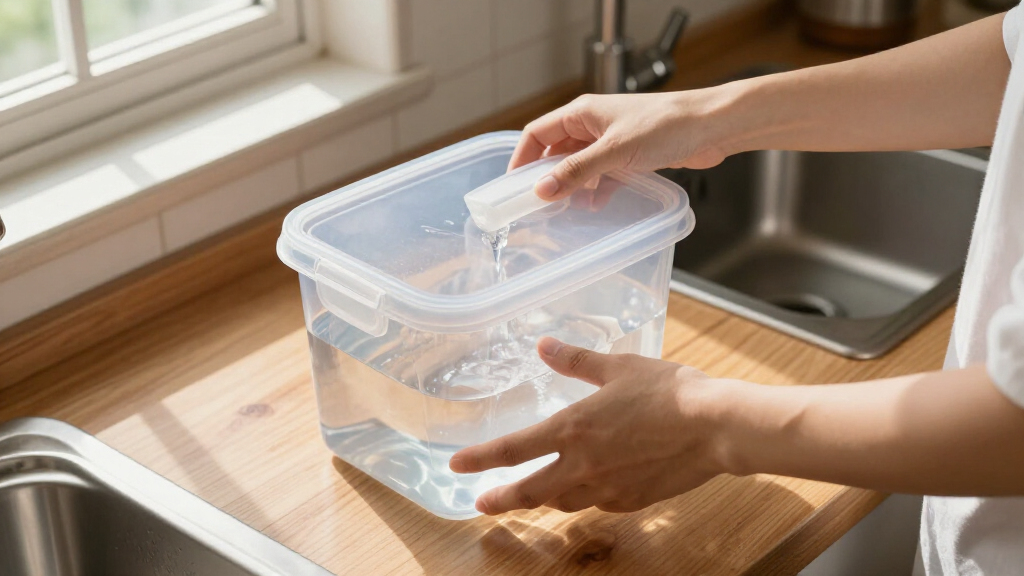
Clean containers are your best defense against contamination. Start with soap and hot water, scrub all surfaces, then rinse thoroughly. Next, sanitize using unscented household bleach—about 1 teaspoon per gallon of water—making sure all interior surfaces get coated.
Follow the bleach label instructions for contact time—usually 2 minutes. Drain or rinse out the sanitizing solution, then fill the container with fresh potable water without touching the inside or cap. Label it with the date, content, and any treatment done.
Why is this important? Proper sanitation prevents microbial growth, which can cause waterborne illnesses. Inadequate cleaning leaves residues that bacteria can thrive on, especially if the water is stored for extended periods. Regularly sanitizing containers ensures your stored water remains safe and reduces the risk of contamination. For example, neglecting sanitation might result in algae, mold, or bacteria developing inside your containers, which can be harmful if ingested. This routine is a crucial investment in your health and safety, especially if you plan to store water long-term or reuse containers repeatedly. Thorough sanitation acts as a barrier, ensuring your water supply stays clean and safe over time.
Filling and Sealing for Long-Term Safety
Fill your containers with cold, potable water, leaving just enough headspace as recommended—usually about 1-2 inches. Avoid touching the inside of the cap or spigot during filling. Use only food-grade hoses or fittings—never a garden hose unless certified for drinking water.
Label each container with essential info: ‘Drinking Water,’ date filled, and any treatments. Do not open containers unless necessary—every opening risks contamination. Instead, plan for easy access with smaller, portable containers.
Why does this matter? Proper filling and sealing are critical to prevent contamination and spoilage. Leaving appropriate headspace allows for expansion if temperatures fluctuate, reducing the risk of container rupture. Using certified food-grade fittings prevents chemical leaching or bacterial introduction during filling. Labeling ensures you can track the age and treatment status of each container, which is vital for rotation and safety. Avoiding unnecessary opening minimizes exposure to airborne microbes. For example, a sealed 55-gallon barrel stored in a cool, dark corner can stay fresh for months; when you need water, pouring out only what’s necessary and resealing prevents contamination of the remaining supply. This careful process ensures your water stays safe and drinkable over extended storage periods.
Best Practices for Storage Conditions
Store water in a cool, dark, and dry place—basements, cellar rooms, or shaded sheds work well. Keep containers away from chemicals—gasoline, pesticides, cleaning agents—and odors. Heat and light accelerate plastic aging, so avoid exposure to direct sunlight.
Place containers on pallets or sturdy shelves to prevent punctures or leaks. Don’t store water where flooding or impact could occur. For large barrels, ensure they’re on a level, solid surface that can support their weight—remember, 55 gallons weigh over 450 pounds when full.
Why is this important? Proper storage conditions significantly extend the shelf life and safety of your water. Exposure to heat and light can degrade the container material, leading to leaks or chemical leaching, which compromises water quality. Chemicals or strong odors nearby can also contaminate your water through permeation or absorption. Keeping containers elevated prevents contact with moisture or pests that could introduce bacteria. For example, storing in a dark shed with a concrete floor minimizes temperature swings and protects your water from environmental hazards. Recognizing these conditions helps you maintain the integrity of your storage system, ensuring your water remains safe, fresh, and ready when needed.
Rotating and Maintaining Your Stored Water
Even sealed, stored water benefits from regular rotation—every six months is a good rule of thumb. Inspect containers for leaks, cracks, or seals that have weakened. Re-sanitize and refill as needed. This routine prevents the buildup of bacteria and ensures your supply remains fresh.
If water develops an off-odor, cloudiness, or visible growth, discard it and start fresh. Remember, boiling or chlorinating can kill bacteria but won’t remove chemical contaminants. Always treat questionable water with caution.
Why is this important? Regular rotation and inspection are vital to catch early signs of container deterioration or contamination. Over time, plastic can degrade, seals can weaken, and microbial growth can occur if conditions aren’t maintained. By routinely checking and replenishing your water, you reduce health risks and ensure your supply is always reliable. For example, a family that inspects their water every spring and fall can identify problems early, such as leaks or discoloration, and replace compromised containers. This proactive approach minimizes the chance of using contaminated water during an emergency, preserving your health and peace of mind.
Accessing Large Containers Safely and Efficiently
Large barrels need a clean, food-grade spigot or pump. Before use, sanitize all dispensing equipment thoroughly. When drawing water, avoid dipping cups or hands directly into the container—use a clean siphon or spigot to minimize contamination.
Keep the remaining water protected from dirt, pests, and sunlight. Use smaller, portable containers for daily needs or emergencies. When filling, do so slowly and carefully to prevent spills and splashes that could introduce germs.
Why is this important? Proper access methods prevent introducing microbes and contaminants into your stored water. Sanitizing spigots and pumps before use ensures no bacteria or residues are transferred during dispensing. Using a siphon or spigot rather than dipping into the container reduces the risk of cross-contamination from hands, cups, or other objects. Protecting the remaining water from pests, dirt, and sunlight preserves its quality. For example, connecting a sanitized hand pump to a 55-gallon drum and filling clean bottles minimizes contamination risk, ensuring your stored water remains safe and drinkable for extended periods. This careful approach is essential for maintaining a reliable, safe water supply during emergencies or off-grid living.
Avoid Common Mistakes That Can Compromise Your Water Supply
Many make the mistake of reusing chemical or non-food-grade containers, which can leach toxins into your water. Using garden hoses not rated for drinking water introduces chemicals and bacteria. Failing to clean and sanitize containers before filling invites microbial growth.
Storing water in sunlight, very hot spaces, or areas prone to chemical fumes accelerates container breakdown and affects water quality. Overfilling or stacking containers improperly can cause damage or leaks. And neglecting to rotate or inspect your storage reduces reliability.
Why do these mistakes matter? Reusing unsuitable containers or exposing water to damaging environments can introduce toxins, bacteria, or algae, rendering your water unsafe. For instance, a barrel left in a hot garage may degrade faster, leach chemicals, or promote microbial growth. Improper stacking can cause leaks or physical damage, risking contamination. Not inspecting your setup regularly can allow problems to go unnoticed until they become serious. Recognizing these pitfalls and actively avoiding them helps ensure your water remains safe, clean, and reliable over time. Always prioritize food-grade materials, proper sanitation, and environmental controls to maintain your water’s integrity and safety.
Emerging Trends and New Considerations in Water Storage
Recent trends favor layered storage: bottled water for immediate use, smaller portable bottles for quick access, and large tanks for long-term needs. Certified BPA-free HDPE tanks and stainless steel containers are gaining popularity for their durability and chemical safety.
Rainwater collection is also growing, but it requires careful filtration and testing to remove roofing contaminants. More focus now goes into understanding chemical migration—BPA substitutes, PFAS, and recycled plastics—so choose containers with certified food contact safety.
Additionally, as climate events increase, having flexible storage options—like intermediate bulk containers (IBCs)—becomes more relevant. Just ensure used IBCs are fully cleaned and suitable for drinking water before reuse.
Why does this matter? Staying informed about new materials and methods allows you to adapt your water storage practices to ensure safety and resilience. For example, selecting BPA-free or stainless steel containers reduces chemical exposure risks. Incorporating rainwater collection can supplement your supply but requires proper filtration to avoid contaminants. Recognizing emerging options enables you to balance cost, convenience, and safety, ensuring your water storage remains effective and adaptable to changing conditions and technologies.
Your Top Questions About Storing Water in Food-Grade Containers
- Does stored water expire? The water molecule itself doesn’t, but contamination, container degradation, and seal failure can make it unsafe over time. Regular inspection and rotation are key.
- What does “food grade” mean? It indicates the material is safe for contact with drinking water and food, not just a recycling number. Always check for official labeling or certification.
- Can milk or juice jugs be reused? They’re often poor for long-term storage due to residues and thin plastic, but thorough cleaning and sanitation can make them suitable temporarily.
- Can soda bottles hold emergency water? Yes, if cleaned thoroughly with unscented bleach and dried completely. They’re less durable but useful for short-term needs.
- Should I add bleach to tap water? Usually not if your municipal water is treated, but it helps for untreated or questionable sources, following proper dosing instructions.
Conclusion
Good water storage is about more than just filling a container. It’s a deliberate process—choosing the right vessel, keeping it clean, and protecting it from damage and contamination. When done right, your stored water becomes a dependable part of your resilience plan. Remember, water is vital. Treat it with respect, keep it protected, and it’ll serve you well in emergencies or off-grid living. A simple, well-maintained system can give you peace of mind—and a clear head when it matters most.NFL season / tailgating Picks
team gear
As an affiliate, we earn on qualifying purchases.