TL;DR
Open a free Amazon Business account
Business pricing, bulk buying and tax-exempt orders.
Create a free accountAs an affiliate, we earn on qualifying purchases.
The best cutting board for your knives balances knife-friendliness, hygiene, and durability. Wood and certain plastics are ideal for keeping blades sharp, while proper maintenance extends lifespan and food safety.
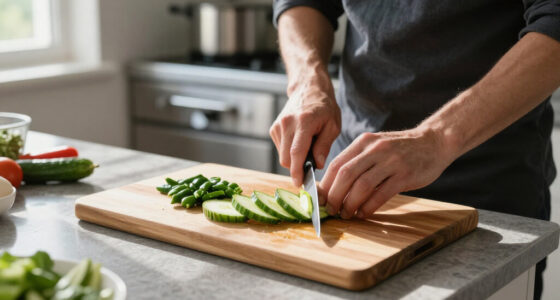
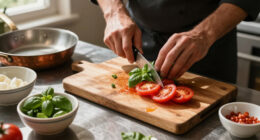
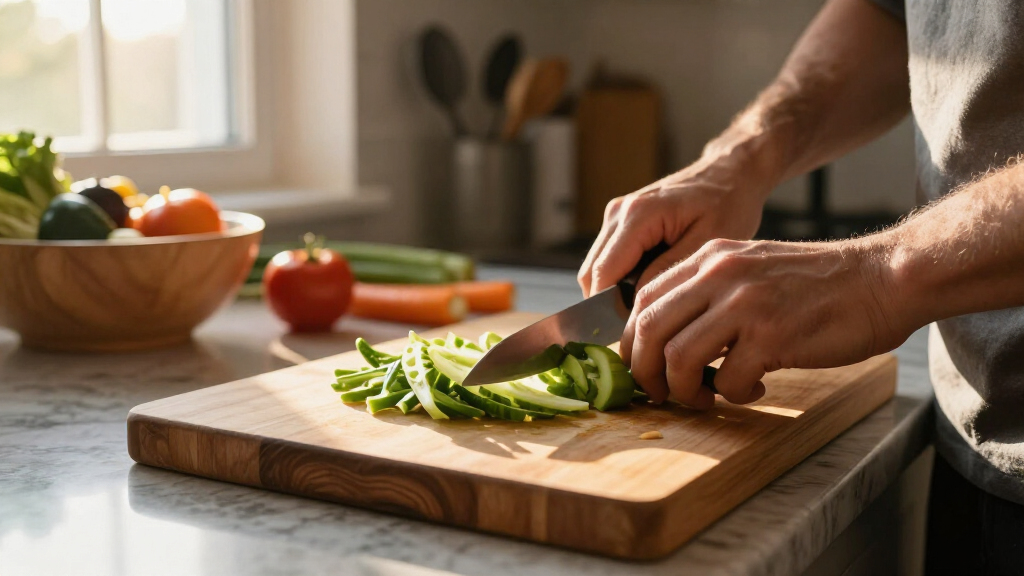
Imagine slicing into a ripe tomato, feeling the crisp snap of your knife against a surface that’s kind to blades and easy to clean. Choosing the right cutting board isn’t just about aesthetics; it’s a key step in keeping your knives sharp, your food safe, and your kitchen running smoothly. If you’ve ever dulled a favorite chef’s knife on a glass or marble surface, you know how frustrating that can be. This guide will walk you through the essentials—what materials work best, what features matter, and how to maintain your choice for years of reliable use.
Whether you’re an off-grid cook relying on hand-powered tools or just want a practical setup that lasts, understanding these points helps you make smarter choices. Let’s break down the factors that matter most when picking a cutting board for your knives.
Choose wooden or high-quality plastic boards to keep your knives sharp over time.
Select a size that offers enough workspace and stability for your cooking style.
Maintain your cutting board regularly with oiling and proper cleaning to prevent bacterial buildup.
Avoid glass or ceramic surfaces for daily use—they dull knives quickly and can cause chipping.
Look for features like non-slip grips, juice grooves, and dual surfaces for added safety and convenience.
How to Choose a Cutting Board for Your Knives
The best cutting board balances knife-friendliness, hygiene, and durability. Wood and certain plastics keep blades sharp, while proper maintenance extends lifespan and food safety — whether you’re an off-grid cook or just want a setup that lasts.
What Material Keeps Your Knives Sharp and Food Safe?
Wood — especially maple or walnut — is gentle on blades and naturally antimicrobial, so bacteria don’t thrive as easily. Plastic like polyethylene is lightweight, affordable, and easy to sanitize. Harder surfaces like glass or stone may seem durable but accelerate dulling and risk chipping.
Wood — Maple & Walnut
Gentle surface reduces blade dulling, meaning less frequent sharpening and long-term savings. Naturally antimicrobial properties contribute to a safer prep environment. Requires monthly oiling with food-grade mineral oil.
Plastic — Polyethylene
Lightweight, affordable, and dishwasher safe — ideal for sanitizing after prepping raw meats. The tradeoff: deep cuts develop over time and trap bacteria, so inspect regularly and replace when grooves appear.
Bamboo
Tough, sustainable, and resistant to warping and cracking — but denser than most woods, so it’s tougher on knife edges. Periodic oiling and careful cleaning maintain both board and blades.
Glass, Marble & Ceramic
Very hard surfaces dull knives quickly and pose safety risks through chipping or breaking. They may look durable, but they’re the fastest way to ruin a favorite chef’s knife.
At a Glance: Materials Head-to-Head
The recommended column is highlighted. Balance safety, cost, and longevity against your cooking habits.
| Criterion | Wood (Maple/Walnut) | Plastic (PE) | Bamboo | Glass / Stone |
|---|---|---|---|---|
| Knife-friendliness | ✓ Excellent | ✓ Good | ~ Moderate | ✗ Very poor |
| Hygiene & sanitation | ✓ Antimicrobial | ✓ Dishwasher safe | ~ Good if sealed | ✓ Non-porous |
| Durability over years | ✓ Very high | ~ Degrades with cuts | ✓ High | ✓ High |
| Maintenance effort | ~ Monthly oiling | ✓ Low | ~ Periodic oiling | ✓ Low |
| Risk to blade edge | ✓ Minimal | ✓ Low | ~ Noticeable | ✗ Chipping & dulling |
How to Pick the Perfect Size and Thickness
A larger, thicker board provides a stable, spacious surface that minimizes slips and wobbling — reducing accidents and cross-contamination. Smaller boards are easier to handle but require more repositioning, increasing the risk of uneven cuts.
Large enough for multiple ingredients, stable enough for safe use, and durable enough for long-term kitchen work. If space or mobility is a concern, choose a slightly smaller but equally sturdy board — never a thinner one.
What Features Make a Cutting Board Safe and Easy to Use?
Features aren’t just convenience — they’re essential for safety and hygiene. The right features support better technique, reduce hazards, and make routine cleaning faster and more effective.
Non-Slip Grips & Feet
Keep the board firmly in place, preventing slips that could cause injuries or accidental cuts during heavy chopping.
Juice Grooves
Contain liquids from raw meats and juicy produce — reducing mess, slippery surfaces, and cross-contamination.
Handles & Notches
Facilitate easy lifting and flipping when cleaning or transferring ingredients, reducing strain and accidental drops.
Dual-Surface Boards
Designate one side for meats, the other for vegetables — significantly reducing cross-contamination risks.
Dishwasher-Safe Options
Streamline cleaning and ensure thorough sanitation in busy kitchens — the main advantage of quality plastic boards.
Antimicrobial Coatings
Modern treatments and composite materials inhibit bacterial growth, combining durability with knife-friendliness.
Why Maintenance Matters: Keep Your Board in Top Shape
Maintenance directly impacts safety, performance, and lifespan. Neglect leads to bacterial growth, knife damage, and warped boards — a simple routine prevents all three.
Wash After Every Use
Hot water and mild soap, then dry thoroughly — preventing moisture buildup that leads to mold or warping.
Oil Monthly
Food-grade mineral oil nourishes wood, prevents cracking, and keeps the surface smooth with less knife resistance.
Inspect Regularly
Check for deep cuts, cracks, or warping — catching wear early protects both your health and your blades.
Replace When Worn
Deep grooves harbor bacteria. When damage is significant, replacement is the only food-safe option.
Quick Answers
What is the best material that won’t dull my knives?
Wood and high-quality plastics like polyethylene. Wood’s softer surface is gentle on blades, while plastics are easy to clean and far less abrasive than glass or stone.
Are bamboo cutting boards safe and durable?
Yes — bamboo is tough, eco-friendly, and resists warping. But it’s denser than most woods, so it can be tougher on knives. Regular oiling helps maintain both board and blades.
Can I put my wooden cutting board in the dishwasher?
Typically no. Hand wash with hot water and mild soap, dry thoroughly, and oil periodically. Dishwashers warp and damage wooden boards over time.
How often should I replace my cutting board?
When deep cuts or grooves develop that harbor bacteria, or if the board is excessively worn or cracked. Regular inspection keeps your prep safe and your knives protected.
Five Rules to Cut By
Choose wooden or high-quality plastic boards to keep your knives sharp over time.
Select a size that offers enough workspace and stability for your cooking style.
Maintain your board regularly with oiling and proper cleaning to prevent bacterial buildup.
Avoid glass or ceramic surfaces for daily use — they dull knives quickly and cause chipping.
Look for non-slip grips, juice grooves, and dual surfaces for added safety and convenience.
The right board keeps your knives sharp, your food safe, and your kitchen running smoothly.
What Material Keeps Your Knives Sharp and Food Safe?
The right material can make a big difference in how long your knives stay sharp and how safe your food stays. Wood and certain plastics stand out as the best options. Wood, especially maple or walnut, is gentle on blades and has natural antimicrobial properties, which means bacteria don’t thrive as easily on its surface. Plastic, like polyethylene, is lightweight, affordable, and easy to sanitize—especially handy when prepping raw meats.
Choosing the right material matters because it directly impacts your kitchen’s safety and efficiency. For example, a wooden board’s gentle surface reduces blade dulling, meaning less frequent sharpening and longer-term savings. Its antimicrobial properties also contribute to a safer food prep environment. Conversely, harder surfaces like glass or stone may seem durable but actually accelerate knife dulling and pose safety risks through chipping or breaking. Plastic boards, while more forgiving on blades, can develop deep cuts over time that trap bacteria, so their maintenance becomes crucial. Recognizing these tradeoffs helps you balance safety, cost, and longevity, ensuring your investment aligns with your cooking habits.
As an affiliate, we earn on qualifying purchases.
How to Pick the Perfect Size and Thickness for Your Kitchen
Size and thickness are not just about fitting your countertop—they influence your safety, efficiency, and the longevity of your tools. A larger, thicker cutting board provides a stable, spacious surface that minimizes slips and wobbling during chopping, which reduces accidents and cross-contamination. Thicker boards also tend to withstand heavy use better, resisting warping or cracking over time. However, they can be heavier and less convenient to store or move. Smaller boards are easier to handle but may require more frequent transfers and repositioning, increasing the risk of slips or uneven cuts.
Understanding the implications of size and thickness helps you make a choice that balances practicality with durability. For example, a sturdy 18×12 inch board with at least 1.5 inches of thickness offers a good compromise—large enough for multiple ingredients, stable enough for safe use, and durable enough for long-term kitchen use. If space or mobility is a concern, choosing a slightly smaller but equally sturdy board ensures safety without sacrificing functionality. The key is to select a size that encourages proper technique, reduces clutter, and aligns with your typical cooking volume, ultimately enhancing your workflow and safety.
plastic cutting board with juice groove
As an affiliate, we earn on qualifying purchases.
As an affiliate, we earn on qualifying purchases.
What Features Make a Cutting Board Safe and Easy to Use?
Features are more than just convenience—they are essential for safety and hygiene. Non-slip grips or feet are crucial because they keep the board firmly in place, preventing slips that could cause injuries or accidental cuts. Juice grooves serve a dual purpose: they contain liquids, reducing mess and preventing slippery surfaces, and they help keep your workspace cleaner, which is vital when handling raw meats or juicy produce. Handles or notches facilitate easy lifting and flipping, especially when cleaning or transferring ingredients, reducing strain and accidental drops.
For those who prepare raw meat frequently, dual-surface boards are a practical investment. They allow you to designate one side for meats and the other for vegetables, significantly reducing cross-contamination risks. Additionally, dishwasher-safe options streamline cleaning, ensuring thorough sanitation in busy kitchens. Recognizing these features and understanding their implications can dramatically improve your safety, hygiene, and overall efficiency during meal prep. The right features support better technique, reduce hazards, and make routine cleaning faster and more effective.
As an affiliate, we earn on qualifying purchases.
Why Maintenance Matters: Keep Your Cutting Board in Top Shape
Proper maintenance is essential because it directly impacts your cutting board’s safety, performance, and lifespan. Wooden boards require regular oiling—ideally monthly—with food-grade mineral oil. This process nourishes the wood, preventing it from drying out, cracking, or warping, which can create crevices harboring bacteria. Oiling also maintains the board’s smooth surface, reducing knife resistance and dulling. After each use, washing with hot water and mild soap followed by thorough drying prevents moisture buildup that could lead to mold or warping.
Bamboo boards, while more resistant to moisture, still benefit from periodic oiling and careful cleaning to maintain their integrity. Plastic boards are dishwasher safe, but their surface can develop deep cuts over time. These grooves trap bacteria and compromise hygiene, so replacing boards with significant damage is crucial for food safety. Regularly inspecting your board for deep cuts, cracks, or warping allows you to catch wear early. Understanding the implications of neglect—such as bacterial growth or knife damage—helps you prioritize maintenance routines that protect your health and extend your tools’ lifespan.
As an affiliate, we earn on qualifying purchases.
Frequently Asked Questions
What is the best material for a cutting board that won’t dull my knives?
Wood and high-quality plastics like polyethylene are best for preserving knife sharpness. Wood’s softer surface is gentle on blades, while plastics are easy to clean and less abrasive than glass or stone.
Are bamboo cutting boards safe and durable?
Yes, bamboo is a tough, eco-friendly choice that resists warping and cracking. However, because it’s denser than most woods, it can be a bit tougher on knives. Regular oiling and proper cleaning help maintain both the board and your blades.
How often should I replace my cutting board?
When deep cuts or grooves develop—harboring bacteria—or if the board becomes excessively worn or cracked, it’s time for a new one. Regular inspection keeps your prep safe and your knives protected.
Can I put my wooden cutting board in the dishwasher?
Typically, no. Hand washing with hot water and mild soap is best. Periodically oil the surface to prevent cracking. Dishwashers can warp or damage wooden boards over time.
What size should my cutting board be?
It depends on your space and cooking habits. A larger board—around 18 by 12 inches—offers plenty of room, but even smaller, sturdy boards can work well if they fit your workflow.
Conclusion
Picking the right cutting board isn’t just about looks. It’s about protecting your knives, keeping your food safe, and making prep easier. Think about your kitchen habits, maintenance routine, and the features that matter most to you. A good cutting board lasts years—treat it well, and it rewards you with sharper knives and safer food handling.
Remember, a simple choice—like opting for a well-made wooden board—can transform your cooking experience. So, pick smart, care well, and enjoy the satisfying sound of a knife slicing through fresh ingredients on a board that’s up to the task.
Flea & tick season Picks
flea and tick prevention
As an affiliate, we earn on qualifying purchases.