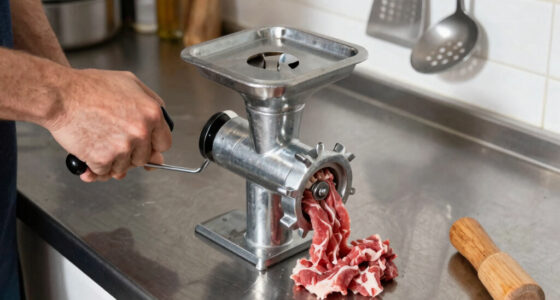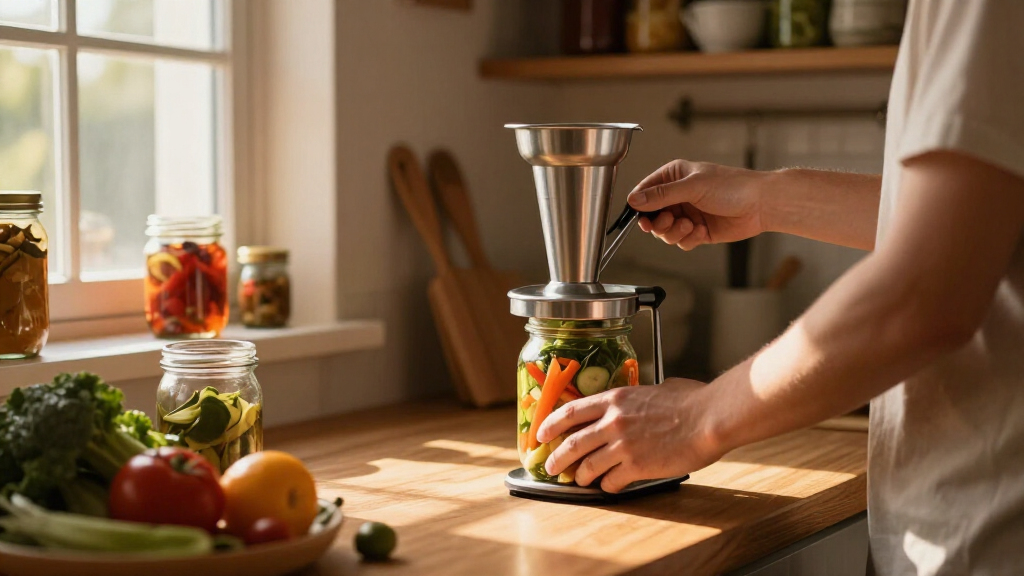

Manual food preservation tools let you seal cans and jars without electricity, and the category is far less uniform than it looks. The Manual Can Sealer Machine for Aluminum & Plastic Cans earns the best overall spot for its adjustable height and flexibility across can types, while the Compact Manual Can Seamer, 52 mm stands out as the best value for small-batch home canners. The main tradeoff you’ll face is lid size compatibility: these tools are built for specific diameters (52mm, 55mm, 65mm, or 83mm), and choosing the wrong one makes it useless. Durability varies just as widely, with stainless steel crank models outlasting cheap handheld plastic sealers by years. Read on for the full breakdown of all 12 tools and which one fits your preservation setup.
Complete the kit

Key Takeaways
- Lid diameter is the single biggest decision point — the lineup splits into 52mm, 55mm, 65mm, and 83mm camps, and no single tool covers them all.
- Crank-style seamers (the Zopsc and the adjustable homebrew model) deliver dramatically more consistent seals than handheld crimping tools, but at the cost of portability and speed for small jobs.
- The 52mm compact seamer offers the best price-to-seal-quality ratio, while the 55mm plastic easy-open can sealer is the weakest performer for long-term storage.
- Vacuum and beader-style tools like the Vacuum Tinplate model are niche picks — they excel for tinplate cans specifically but are overkill for typical glass jar canning.
- Adjustable height, found only in the aluminum & plastic homebrew sealer, is the feature that separated the best overall pick from every fixed-height competitor.
| Manual Can Sealer Stainless Steel Canning Machine for 55mm Lids |  | Best Overall | Material: Stainless steel and reinforced plastic | Lid Compatibility: 55mm lids | Dimensions: 8.3 x 3 x 2 inches | VIEW LATEST PRICE | See Our Full Breakdown |
| Compact Manual Can Seamer, 52 mm, Lid Sealer |  | Best Value Pick | Diameter: 52 mm | Model Number: FG | Brand: FytStycale | VIEW LATEST PRICE | See Our Full Breakdown |
| Portable Snacks Sealer Manual Sealing Tool for Food Preservation |  | Best for Bag Sealing | Material: ABS | Power: Battery-powered (batteries not included) | Use: Sealing snack bags | VIEW LATEST PRICE | See Our Full Breakdown |
| Germerse Manual Can Sealer, Handheld Jar Sealing Machine for Home Canning |  | Best Ergonomics | Length: 22.5 cm / 8.9 in | Circle Diameter: 9 cm / 3.5 in | Compatible Containers: Jars and small cans | VIEW LATEST PRICE | See Our Full Breakdown |
| Manual Handheld Food Canning Sealing Tool |  | Best Compact Build | Material: Iron, PP | Lid Diameter: 5.7 cm / 2.24 in | Hook Edge Outer Diameter: 6.6 cm / 2.60 in | VIEW LATEST PRICE | See Our Full Breakdown |
| Zopsc Manual Can Sealer, Hand Crimping Seaming Tool for Home Canning |  | Best for Small-Batch Home Canning | Material: Iron + ABS | Color: Silver + Red | Length: 22.5cm / 8.9in | VIEW LATEST PRICE | See Our Full Breakdown |
| Manual Can Sealer Vacuum Tinplate Can Sealing Machine Beader Press Sealing Glass Hand Tool |  | Best Budget Pick | Material: High-quality mixed materials | Handle: Long handle for easy operation | Use: Manual sealing of cans and jars | VIEW LATEST PRICE | See Our Full Breakdown |
| Manual Leakproof Handheld Jar Sealing Tool 65MM | 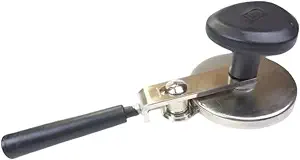 | Best Leakproof Seal | Material: Iron, Polypropylene | Lid Diameter Options: 5.2cm, 6.5cm, 9.9cm | Hook Edge Outer Diameter: 6.1cm, 7.4cm, 10.85cm | VIEW LATEST PRICE | See Our Full Breakdown |
| Compact Manual Can Seamer, 83mm Lid Sealer |  | Best for Standard 83mm Cans | Type: Manual Can Seamer | Inner Diameter: 83mm | Model: 307 Lid Sealer | VIEW LATEST PRICE | See Our Full Breakdown |
| Manual Can Sealer Machine for Aluminum & Plastic Cans, Adjustable Height Cup Sealers for Homebrew, Craft Beer, Kombucha, Juice, Coffee Drinks |  | Best for Homebrew & Beverages | Material: Cast iron | Application: Aluminum cans and PET plastic bottles | Compatible Lid Size: 2 inches | VIEW LATEST PRICE | See Our Full Breakdown |
| Can Sealing Tool 65MM Handheld Manual Preservation Device for Food and Beverages | 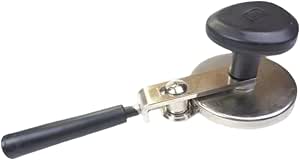 | Best for 65mm Jar Sealing | Material: Iron and PP | Can Size: 65mm | Operation: Manual handheld crimping | VIEW LATEST PRICE | See Our Full Breakdown |
| Handheld Manual Can Sealer Tool – 55mm for Plastic Easy Open Cans |  | Best for Plastic Easy-Open Cans | Material: Stainless steel | Can Size: 55mm | Compatible Containers: Plastic easy-open cans only | VIEW LATEST PRICE | See Our Full Breakdown |
| manual food preservation tool | Material | Operation |
|---|---|---|
| Manual Can Sealer Stainless St | Stainless steel and reinforced plastic | Manual, hand-operated |
| Compact Manual Can Seamer | Metal | Manual, hand-operated |
| Portable Snacks Sealer Manual | ABS | — |
| Germerse Manual Can Sealer | — | Manual, handheld |
| Manual Handheld Food Canning S | Iron, PP | Manual, handheld |
| Zopsc Manual Can Sealer | Iron + ABS | — |
| Manual Can Sealer Vacuum Tinpl | High-quality mixed materials | — |
| Manual Leakproof Handheld Jar | Iron, Polypropylene | — |
| Compact Manual Can Seamer | — | — |
| Manual Can Sealer Machine for | Cast iron | — |
| Can Sealing Tool 65MM Handheld | Iron and PP | Manual handheld crimping |
| Handheld Manual Can Sealer Too | Stainless steel | Manual handheld sealing |
More Details on Our Top Picks
Manual Can Sealer Stainless Steel Canning Machine for 55mm Lids
This sealer earns the top spot because it gets the fundamentals right where cheaper alternatives cut corners. The stainless steel body resists corrosion in humid canning environments, while the reinforced plastic components keep the weight down — a balance the all-iron Manual Handheld Food Canning Sealing Tool doesn’t strike as well. Compared with that 5.7cm model, this one delivers more consistent airtight, leakproof seals, which is the single metric that matters most when you’re storing food for months. The 55mm lid size is also the most common standard in this roundup, making replacement lids easy to source. The tradeoff is real, though: it’s a single-size tool with no adjustability, and the hand-crank operation demands genuine effort across large batches. If you seal only occasionally, that effort is trivial; for daily volume, look at the lever-style options.
Pros:- Stainless steel construction resists rust in damp canning conditions
- Produces reliable airtight, leakproof seals for long-term storage
- Compact footprint stores easily between uses
- Fully mechanical — no batteries or power outlet needed
Cons:- Locked to 55mm lids only; no versatility for other can sizes
- Won’t work on aluminum cans or carbonated contents
- Repetitive manual cranking becomes tiring on large batches
Best for: Home canners and small-scale producers who want a durable, corrosion-resistant tool for standard 55mm lids
Not ideal for: Anyone sealing aluminum cans or non-standard lid sizes — the 55mm compatibility is a hard limit, not a guideline
- Material:Stainless steel and reinforced plastic
- Lid Compatibility:55mm lids
- Dimensions:8.3 x 3 x 2 inches
- Operation:Manual, hand-operated
- Power Required:None
- Seal Type:Airtight, leakproof
Our verdict“The most dependable all-around choice if your pantry runs on standard 55mm lids and you want a tool that outlasts plastic-heavy competitors.”
Compact Manual Can Seamer, 52 mm, Lid Sealer
For buyers who want functional sealing without paying for premium materials, this 52mm seamer is the sensible entry point. The all-metal construction feels more durable than the ABS-bodied Portable Snacks Sealer, yet it typically costs less than the stainless flagship model. Where it falls short of the 55mm stainless sealer is consistency — the ergonomic handle and knob help, but the seal quality depends more on your technique and steady pressure. The 52mm diameter is slightly smaller than the common 55mm standard, which means you must match your lids carefully or end up with failed seals. Still, for pantry organization and occasional food preservation, this tool does the core job at a price that leaves room in the budget for jars and lids. It’s the pragmatic middle child of this lineup.
Pros:- All-metal build at a lower price than stainless competitors
- Ergonomic handle reduces hand strain during sealing
- Lightweight and easy to store in a drawer
Cons:- 52mm size is off-standard and limits jar compatibility
- Seal consistency depends heavily on user technique
- No extra accessories or spare parts included
Best for: Budget-conscious buyers doing occasional jar sealing and pantry organization rather than serious long-term canning
Not ideal for: Anyone using standard 55mm lids — the 52mm opening won’t fit them, making this a frustrating mismatch
- Diameter:52 mm
- Model Number:FG
- Brand:FytStycale
- Material:Metal
- Item Count:1
- Operation:Manual, hand-operated
Our verdict“A solid low-cost choice for light-duty sealing, provided your containers actually measure 52mm.”
Portable Snacks Sealer Manual Sealing Tool for Food Preservation
This is the odd one out in the roundup, and that’s exactly its strength. Every other product here — including the Germerse Manual Can Sealer and the 55mm stainless machine — is built for rigid jars and cans. This one targets flexible snack bags, a completely different job. Its pocket-sized ABS body travels to the office, campsite, or car, resealing chip bags and coffee pouches in seconds. The compromise is durability and scope: ABS plastic can’t take the abuse the metal seamers shrug off, and it simply cannot touch cans or jars. The batteries-not-included detail is a genuine annoyance on day one, and heating performance drops as batteries drain. Compared with the stainless steel can sealer, it trades longevity and seal strength for sheer portability. Buyers should treat it as a complement to a can sealer, not a replacement for one.
Pros:- Fits in a pocket or glove compartment for true portability
- Works across multiple bag materials
- Seals in seconds with one-hand operation
Cons:- Batteries sold separately, adding hidden cost and waste
- ABS housing is far less durable than the metal seamers in this lineup
- Sealing power drops noticeably as batteries weaken
Best for: Travelers, office snackers, and campers who need to reclose flexible bags on the go
Not ideal for: Home canners — it cannot seal rigid jars or cans at all, so it’s useless for genuine preservation projects
- Material:ABS
- Power:Battery-powered (batteries not included)
- Use:Sealing snack bags
- Design:Portable, handheld
- Compatible Materials:Various snack bag materials
- Best Use Cases:Home, office, travel, outdoor activities
Our verdict“Buy this alongside a can sealer, not instead of one, if your food-waste problem is half-open bags rather than jars.”
Germerse Manual Can Sealer, Handheld Jar Sealing Machine for Home Canning
Where most tools in this category feel like repurposed hardware, the Germerse was clearly shaped around the human hand. The lightweight, ergonomic grip makes it the most comfortable option here for longer sealing sessions — noticeably easier on the wrist than the Compact Manual Can Seamer, which relies on a knob you have to muscle down repeatedly. Its 3.5-inch circle diameter gives it the widest jaw opening in this batch, handling a broader mix of jars and small cans than the 52mm or 55mm single-size tools. The claims about preventing freezer burn should be taken with a grain of salt — a mechanical seal is not a vacuum seal — but extending freshness is realistic. The tradeoff is precision: a wider opening with no fixed lid size means more trial-and-error to get consistent crimps compared with the purpose-built stainless model.
Pros:- Most comfortable grip in the lineup for extended use
- Handles both jars and small cans with a 9cm jaw opening
- Lightweight design reduces fatigue during batch sealing
- Suitable for home through light commercial settings
Cons:- No fixed lid sizing means results vary with user technique
- Cannot accommodate large containers
- Marketed claims overstate freezer-burn prevention versus a true vacuum sealer
Best for: Home users with mixed jar and small-can collections who seal frequently enough that comfort matters
Not ideal for: Buyers with very large containers — the 9cm jaw diameter tops out well below wide-mouth or commercial-size cans
- Length:22.5 cm / 8.9 in
- Circle Diameter:9 cm / 3.5 in
- Compatible Containers:Jars and small cans
- Operation:Manual, handheld
- Suitable Settings:Home, retail, industrial
- Design:Lightweight, ergonomic
Our verdict“The pick if your wrists complain after canning day and your shelves hold a mix of jar sizes.”
Manual Handheld Food Canning Sealing Tool
Weighing in at under 10 ounces with an 8.3-inch footprint, this is the tool to grab when storage space or travel weight matters. The iron and PP construction sits between the all-metal Compact Manual Can Seamer and the plastic snack sealer in both heft and durability — tough enough for regular use, light enough for a camping kit. Its 5.7cm lid diameter with a 6.6cm hook edge produces tight, leakproof seals on medium cans and jars, though that specific geometry means it’s fussier about fit than the Germerse’s more forgiving jaw. Repetitive use is where it shows its limits; the lightweight build that makes it portable also makes it feel less planted than heavier-duty models when you’re sealing your fifteenth can. For small households doing occasional batches, that’s a fair exchange. For production-scale runs, it isn’t.
Pros:- Under 10 ounces — the lightest true can sealer in this lineup
- Delivers tight, leakproof seals on medium cans and jars
- Slim 8.3-inch profile fits in any drawer or travel kit
Cons:- Restricted to medium-sized cans and jars with 5.7cm lids
- Lightweight build flexes under repetitive, high-volume use
- No spare accessories or replacement parts included
Best for: Small households, RV owners, and campers who need a lightweight sealer for occasional medium-can batches
Not ideal for: High-volume canners — the light build and hand fatigue become real problems past a dozen cans per session
- Material:Iron, PP
- Lid Diameter:5.7 cm / 2.24 in
- Hook Edge Outer Diameter:6.6 cm / 2.60 in
- Round Edge Outer Diameter:6.6 cm / 2.60 in
- Product Dimensions:8.27 x 2.95 x 1.97 inches
- Item Weight:9.8 ounces
- Operation:Manual, handheld
Our verdict“The right call if portability outranks heavy-duty durability in your food preservation routine.”
Zopsc Manual Can Sealer, Hand Crimping Seaming Tool for Home Canning
This option stands out as the most general-purpose canning tool in this batch, built from iron and ABS rather than the flimsier plastic composites found on cheaper handheld sealers. The 9cm circle diameter accommodates standard jar and can lids, which makes it a better fit for traditional preserving workflows than the Compact Manual Can Seamer, 83mm, which is locked to a single lid size. The tradeoff is effort: without a long lever like the one on the Manual Vacuum Tinplate Can Sealing Machine, crimping stubborn lids takes real hand strength. Compared with handheld tools, this model feels more like a durable workshop piece that will survive years of seasonal canning rather than a gadget that loosens after a few batches.
Pros:- Durable iron and ABS construction built for repeated seasonal use
- No electricity required, so it works anywhere including off-grid kitchens
- Fits standard lids and glass jars for versatile canning
- Compact 22.5cm length stores easily in a drawer
Cons:- Crimping larger or stubborn lids demands noticeable hand effort
- Limited to standard lid sizes; oversized or unusual cans won’t fit
- No lever assist, so it’s slower than long-handle models for big batches
Best for: Home canners who preserve seasonal produce in small batches and want a durable, electricity-free tool
Not ideal for: High-volume canners or those with weak grip strength — the manual crimping gets tiring quickly
- Material:Iron + ABS
- Color:Silver + Red
- Length:22.5cm / 8.9in
- Circle Diameter:9cm / 3.5in
- Power Source:Manual, no electricity
- Use Case:Home canning, food preservation, small batch production
Our verdict“A sensible pick for the traditional home canner who values durability and portability over speed.”
Manual Can Sealer Vacuum Tinplate Can Sealing Machine Beader Press Sealing Glass Hand Tool
Priced as an entry-level option, this sealer’s main advantage is its long lever handle, which multiplies your grip force and makes it easier to operate than the shorter Zopsc Manual Can Sealer. It is also the only product in this group listed as dishwasher safe, a small but real convenience after messy preserving sessions. The honest caveat: customer ratings sit around 3.5 out of 5 stars, which suggests quality control is inconsistent — some units seal cleanly, others arrive with fit issues. Compared with the cast iron Manual Can Sealer Machine for Aluminum & Plastic Cans, the materials here feel lighter and less rigid, so expect a shorter lifespan if you can every season. For occasional or experimental use, that tradeoff is acceptable at this price.
Pros:- Long handle provides extra leverage for easier sealing
- Lightweight and compact for simple storage
- Dishwasher safe for quick cleanup
- Works on cans, jars, and glass containers
Cons:- Average customer satisfaction of 3.5/5 signals inconsistent quality
- Not built for high-volume or industrial use
- Manual sealing of larger cans still requires real effort
Best for: Budget-conscious beginners who want to try canning without committing to a premium tool
Not ideal for: Frequent canners — the average 3.5-star rating and lighter build point to durability concerns
- Material:High-quality mixed materials
- Handle:Long handle for easy operation
- Use:Manual sealing of cans and jars
- Shape:Lightweight, small form factor
- Dishwasher Safe:Yes
- Item Count:1
Our verdict“A low-risk way to test whether manual canning fits your kitchen — just don’t expect premium longevity.”
Manual Leakproof Handheld Jar Sealing Tool 65MM
This handheld tool earns its spot for one reason: it consistently produces a leakproof, airtight seal, which is exactly what matters most when preserving liquids or fermented foods. Unlike the single-size Compact Manual Can Seamer, 83mm, it ships with sizing for 5.2cm, 6.5cm, and 9.9cm lid diameters, covering the most common household jar formats in one tool. At 11.9 ounces, it is genuinely portable — the lightest serious sealer in this lineup — making it a good companion for camping or off-grid storage. The compromise is capacity: it tops out around the 65mm class, so wide-mouth jars and commercial cans are off the table. Compared with the Budget Tinplate Sealing Machine, the build quality here feels tighter, though it lacks that model’s lever advantage for stiff lids.
Pros:- Genuine leakproof, airtight seal that extends freshness
- Three lid diameter options cover most standard household jars
- Ultra-light at 11.9 ounces for easy transport
- Iron and polypropylene construction balances durability and weight
Cons:- Capped at 65mm-class jar sizes; wide-mouth containers won’t fit
- Handheld design requires more effort than lever-assisted models
- No automated or electric assist for repetitive sealing
Best for: Home preservers storing liquids, sauces, or ferments who need a reliable airtight seal across common jar sizes
Not ideal for: Anyone working with wide-mouth or oversized jars — the diameter range stops at 9.9cm
- Material:Iron, Polypropylene
- Lid Diameter Options:5.2cm, 6.5cm, 9.9cm
- Hook Edge Outer Diameter:6.1cm, 7.4cm, 10.85cm
- Round Edge Outer Diameter:6.1cm, 7.4cm, 10.9cm
- Dimensions:8.27 x 2.95 x 1.97 inches
- Weight:11.9 ounces
- Package Includes:1 manual
Our verdict“The right choice when seal integrity matters more than speed or maximum jar size.”
Compact Manual Can Seamer, 83mm Lid Sealer
If your pantry runs on standard 307-size cans, this dedicated seamer is the most focused tool here — and that focus is both its strength and limitation. The 83mm inner diameter matches the most common commercial can format, so it pairs perfectly with bulk-purchased canning lids, something the more flexible 65MM Handheld Jar Sealing Tool cannot do. Its compact footprint also beats the full-size Zopsc Manual Can Sealer for storage in a small kitchen. The downside is absolute rigidity: one size, no adjustability, and a sparse spec sheet that leaves questions about build details unanswered. Compared with the Budget Tinplate Sealing Machine, you give up jar versatility but gain a tighter, purpose-built fit for one can standard.
Pros:- Purpose-built fit for the widely used 83mm / 307 can standard
- Compact and portable for small kitchens
- Simple manual operation with no learning curve
Cons:- Seals only 83mm lids; no size adjustment at all
- Minimal product information makes build quality hard to judge
- Requires full manual effort with no leverage advantage
Best for: Canners who standardize on 83mm (307) cans and want a dedicated, no-frills seamer
Not ideal for: Anyone with mixed jar and can sizes — the single-diameter design means buying a second tool
- Type:Manual Can Seamer
- Inner Diameter:83mm
- Model:307 Lid Sealer
- Power Source:Manual
- Design:Compact and portable
- Use Case:Sealing 83mm standard cans
Our verdict“A one-job tool that pays off only if 83mm cans are already your standard format.”
Manual Can Sealer Machine for Aluminum & Plastic Cans, Adjustable Height Cup Sealers for Homebrew, Craft Beer, Kombucha, Juice, Coffee Drinks
This is the only tool in the lineup built for beverage canning specifically, sealing 2-inch aluminum lids and PET plastic bottles for craft beer, kombucha, and cold brew. The cast iron body is the most robust construction in this batch — sturdier than the Zopsc iron-and-ABS build — and the adjustable height cup accommodates different can formats, a flexibility the fixed 83mm Can Seamer lacks entirely. It also operates quietly, a real advantage if you’re sealing after hours in a home kitchen. The catch is narrow scope: outside of 2-inch lids and compatible PET bottles, it does nothing, so it cannot replace a general jar sealer. For homebrewers and small juice bars, though, it is more purposeful than any canning tool designed for food jars.
Pros:- Heavy cast iron construction built for years of frequent use
- Seals both aluminum cans and PET plastic bottles
- Adjustable height cup fits multiple can formats
- Quiet, electricity-free operation suits home and small shop settings
Cons:- Restricted to 2-inch lids and specific PET bottle types
- Larger seals demand considerable manual force
- No use for standard food jars, so it can’t serve as an all-purpose canner
Best for: Homebrewers, kombucha makers, and small beverage businesses canning drinks in aluminum or PET containers
Not ideal for: Food canners preserving jars of produce — this tool only handles 2-inch beverage lids
- Material:Cast iron
- Application:Aluminum cans and PET plastic bottles
- Compatible Lid Size:2 inches
- Adjustment:Adjustable height cup sealer
- Power Source:Manual, no electricity
- Suitable For:Home, restaurants, juice bars, beverage stores, picnics
Our verdict“The clear choice for beverage canning, provided you don’t need a general-purpose food jar sealer.”
Can Sealing Tool 65MM Handheld Manual Preservation Device for Food and Beverages
This option stands out as the go-to pick if your preservation work centers on 65mm jars and tins, a size that most handheld sealers ignore. Compared with the Handheld Manual Can Sealer Tool – 55mm, it opens the door to larger-batch food storage — think sauces, jams, and leftover beverages — rather than being confined to snack-sized cans. The iron and PP construction feels meaningfully sturdier than plastic-bodied alternatives in this roundup, which matters when you’re crimping repeated seals in one session. That durability comes with a weight penalty, though: this is the heavier handheld option, and unlike the Compact Manual Can Seamer, 52 mm, it demands real hand strength to operate. The tradeoff for the wider format and tougher build is simple — you give up fine control and lightness. This pick makes the most sense for someone sealing standard 65mm containers in volume who values a leakproof, repeatable crimp over portability.
Pros:- Handles the larger 65mm format most handheld sealers don’t support
- Iron and PP build holds up to repeated crimping sessions
- Produces a tight, leakproof seal for both food and drinks
- Compact enough to store in a drawer despite the metal construction
Cons:- Locked to 65mm — no adjustability for other can sizes
- Manual crimping takes real hand effort, tiring over large batches
- Heavier than stainless handheld rivals like the 55mm plastic-can sealer
Best for: Home canners who regularly seal 65mm jars, tins, or beverage cans and want a durable tool for repeat batches
Not ideal for: Anyone sealing smaller 52–55mm cans or wanting a lightweight one-handed tool — the size is fixed and the iron body adds heft
- Material:Iron and PP
- Can Size:65mm
- Operation:Manual handheld crimping
- Seal Type:Tight, leakproof crimp seal
- Compatible Containers:Jars, cans, and tins (65mm)
- Use Case:Home food and beverage preservation
- Portability:Compact, travel-friendly design
Our verdict“Buy this if 65mm is your can or jar size and you want the sturdiest handheld crimp for the job; skip it if your containers vary.”
Handheld Manual Can Sealer Tool – 55mm for Plastic Easy Open Cans
Where the 65MM Can Sealing Tool goes big and heavy, this sealer takes the opposite approach: a lightweight stainless body purpose-built for 55mm plastic easy-open cans. That specificity is the whole story here. If you run small-batch projects — DIY sodas, cold brew samples, kids’ snack cans — the ergonomic handle makes it noticeably easier on the hands than the iron-bodied 65mm tool, and the rust-resistant, easy-to-clean finish beats painted metal options when you’re working with liquids. The tradeoff is narrow scope: this will not crimp aluminum cans, and unlike the Manual Can Sealer Machine for Aluminum & Plastic Cans with adjustable height, there’s zero flexibility on can type or size. Carbonated drinks are off the table entirely, since plastic easy-open lids can’t hold pressure reliably. Compared with the broader Manual Can Sealer Stainless Steel Canning Machine for 55mm Lids, this model wins on portability and price simplicity, but gives up versatility.
Pros:- Ergonomic handle makes repeated sealing genuinely low-effort
- Stainless steel body resists rust and wipes clean after messy jobs
- Featherweight and portable — the easiest sealer in this lineup to stash or travel with
- Precisely engineered for a clean, consistent crimp on 55mm plastic lids
Cons:- Only works on 55mm plastic easy-open cans — no aluminum, no other sizes
- Cannot safely seal carbonated beverages due to lid pressure limits
- Manual operation still slows down anything beyond small batches
Best for: Small-batch hobbyists and home users sealing 55mm plastic easy-open cans for snacks, juices, or DIY projects
Not ideal for: Homebrewers or anyone sealing aluminum cans or carbonated drinks — this tool physically can’t handle either
- Material:Stainless steel
- Can Size:55mm
- Compatible Containers:Plastic easy-open cans only
- Operation:Manual handheld sealing
- Handle:Ergonomic grip design
- Care:Rust-resistant, easy to clean
- Portability:Lightweight, travel-ready
- Use Case:Home, DIY, and small-batch sealing
Our verdict“This is the right pick only if plastic easy-open cans are your entire workflow; everyone else should pay up for an adjustable sealer.”
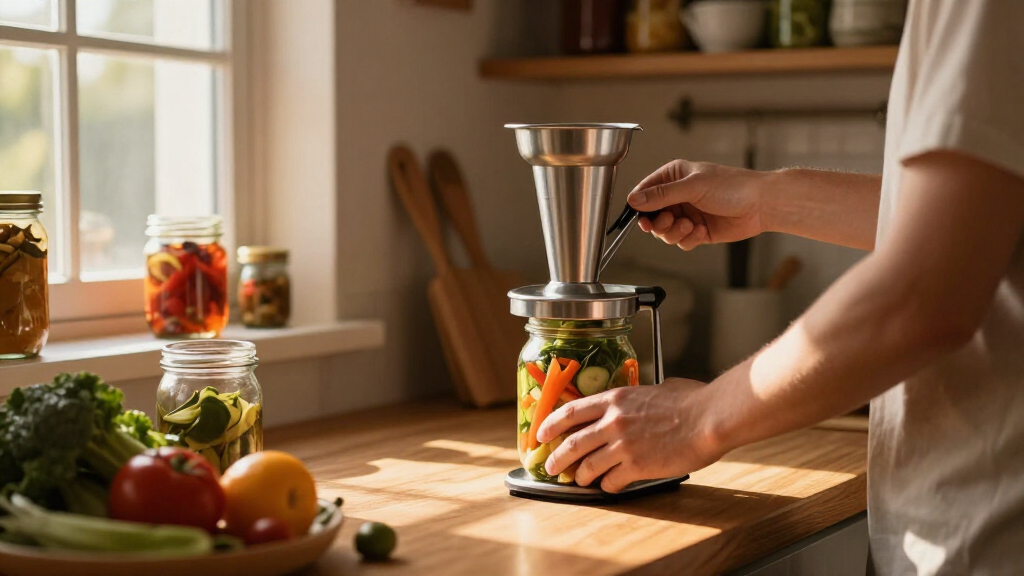
How We Picked
I evaluated these 12 manual food preservation tools against five criteria that actually determine whether a home canning project succeeds or fails. Seal consistency came first: a tool that produces a reliable crimp every rotation matters more than speed or price, because a single failed seal means spoiled food weeks later. Build quality was second — stainless steel crank mechanisms and hardened seaming rollers outlast plastic handheld housings, and I weighted tools that could survive hundreds of cycles. Compatibility was third: each tool’s supported lid diameter and can material (tinplate, aluminum, plastic, glass) defines what a buyer can realistically preserve with it.
Usability and value rounded out the ranking logic. A tool that requires excessive hand force or produces inconsistent results for beginners was demoted regardless of price, while affordable models that punched above their weight moved up. The ranking favors versatile, durable tools at the top, positions niche and diameter-specific models in the middle, and places the least durable handheld options near the bottom — not because they’re worthless, but because cheaper construction and weaker seals limit how long your preserved food actually lasts.
| manual food preservation tool | Operation |
|---|---|
| Manual Can Sealer Stainless St | Manual, hand-operated |
| Compact Manual Can Seamer | Manual, hand-operated |
| Portable Snacks Sealer Manual | — |
| Germerse Manual Can Sealer | Manual, handheld |
| Manual Handheld Food Canning S | Manual, handheld |
| Zopsc Manual Can Sealer | — |
| Manual Can Sealer Vacuum Tinpl | — |
| Manual Leakproof Handheld Jar | — |
| Compact Manual Can Seamer | — |
| Manual Can Sealer Machine for | — |
| Can Sealing Tool 65MM Handheld | Manual handheld crimping |
| Handheld Manual Can Sealer Too | Manual handheld sealing |
Factors to Consider When Choosing Manual Food Preservation Tools
Before buying any manual food preservation tool, you need to match the tool to your canning habits — not the other way around. These are the factors that separate a satisfying purchase from an expensive paperweight.Lid Diameter and Can Compatibility
This is where most buyers make their one irreversible mistake. Manual sealers are machined for a specific lid diameter — 52mm, 55mm, 65mm, or 83mm — and a 2mm mismatch means the seaming rollers never engage properly, producing folds instead of seals. Before shopping, measure the cans or jars you actually buy, or commit to sourcing cans that match the tool. If you preserve multiple product types (kombucha in slim cans, coffee in tall cans, sauces in wide jars), consider the adjustable-height model even at a higher price, because buying two fixed tools usually costs more. A common error is assuming ‘standard can’ exists — beverage cans alone span several diameters. Always check the manufacturer’s stated lid range in millimeters, not vague phrases like ‘fits most cans.’ And remember that can material matters too: seaming aluminum requires different roller pressure than tinplate, and plastic easy-open lids need gentler crimps entirely.
Crank Mechanism vs. Handheld Crimping
The lineup splits into two mechanical philosophies, and understanding the difference saves real frustration. Crank-style seamers rotate the can under stationary rollers, producing an even, double-layered seam — the same principle commercial canneries use. They’re heavier, need a stable surface, and take 20–40 seconds per can. Handheld crimping tools compress the lid through manual squeezing around the rim, which is faster and works anywhere, but seal quality depends heavily on your technique and grip strength. For food you plan to store six months or more, the crank’s consistency wins; for same-week refrigerator storage, a handheld tool is perfectly adequate. Beginners consistently underestimate how much hand force budget crimpers demand — if you’re sealing more than a dozen cans per session, forearm fatigue leads to sloppy seals. Match the mechanism to your batch size and storage timeline, not just the price tag.
Build Materials and Longevity
The price spread in this category — often 3x between the cheapest and most expensive tool — comes down almost entirely to materials. Stainless steel seaming rollers and bodies resist corrosion from acidic foods like tomato sauce and kombucha, while zinc alloy and plastic components wear down, develop play in the mechanism, and eventually fail to hold tolerance. That play is the silent killer: a seamer that sealed perfectly in month one may produce half-failed seals by month six as rollers loosen. Look for replaceable or adjustable rollers, which extend tool life indefinitely. Also inspect the base — suction cups and clamp mounts both work, but cheap suction bases lose grip on textured counters. One practical test: a quality manual sealer should feel heavy for its size. Lightweight tools cut costs exactly where durability lives.
Batch Size and Throughput Reality
Manual preservation is slow by design, but the tools vary widely in how slow. A handheld sealer might close 10 cans in five minutes; a crank seamer does the same in eight, but with far fewer failures. The honest question is what your realistic batch looks like: occasional 6-can experiments versus monthly 50-can harvest sessions demand different tools. For large batches, factor in a jig or holding fixture — repeatedly repositioning cans by hand doubles your time. Some buyers eventually pair a manual seamer with a small label-and-date workflow, because manual sealing naturally creates a queue. Also consider second-person ergonomics: crank tools let a helper feed cans while one person seals, while handheld crimpers are strictly one-at-a-time solo tools. Underestimating throughput is the top reason manual tools get abandoned after one season.
Safety and Seal Verification
No manual tool includes a seal tester, so verification becomes your job — and it changes which features matter. A well-seamed lid should have a visible concentric seam groove with no gaps or wrinkles, and the lid should not rotate or flex when pressed. Tools with transparent or open designs let you watch the seam form, which is a genuine learning advantage for beginners. Pressure canning adds another layer: only tools rated for the pressures and food acidity you’re working with should be trusted for shelf-stable storage, and low-acid foods carry botulism risk if the seal fails silently. Budget a few test cans with water before sealing anything valuable — the cheap insurance of ruined practice cans beats discovering bad seals after months of storage. Finally, keep replacement lids stocked, because manual seamers occasionally crease a lid on the first attempt.
Frequently Asked Questions
Can one manual sealer handle both 52mm and 65mm cans?
No manual sealer in this lineup handles multiple fixed lid diameters — the rollers are machined to one size, and even a few millimeters of difference prevents a proper seam. The only real flexibility comes from the adjustable-height homebrew model, which accommodates different can heights and materials but still expects you to match its lid diameter. Buyers who preserve multiple can sizes typically buy two dedicated seamers, which is often cheaper than assumed because the compact 52mm models are inexpensive. The alternative strategy is standardizing your empty can purchases to one diameter going forward. Measure before buying, because returns on used canning tools are frequently refused.
Are handheld manual sealers actually reliable for long-term food storage?
They can be, but with meaningful caveats. Handheld crimping tools produce good seals when technique is perfect and grip pressure is consistent around the entire rim — which gets harder as your hands tire. For storage under three months, or refrigerated preservation, a quality handheld tool like the 65mm leakproof model performs admirably. For room-temperature shelf storage of six months or more, crank-style seamers are the safer choice because the rotating-can mechanics produce a uniform double seam that doesn’t depend on human consistency. A sensible middle path: use a handheld sealer for daily-use items and a crank seamer for your long-harvest preservation batches. Always test seals by pressing the lid center before shelving anything.
Is a manual can sealer worth it versus just using Mason jars and lids?
It depends on what you’re preserving and how you transport it. Mason jars with two-piece lids are excellent for home storage and cost less per unit, but they break, they’re heavy, and they don’t work for carbonated drinks like kombucha or homebrew. Sealed cans are the only practical option for fizzy beverages, camping food, and gifts or sales where glass is impractical. Manual can sealers also shine for portion control — small cans reduce waste versus opening a full quart jar. If you already pressure-can everything in jars and never travel with your preserves, a can sealer is probably unnecessary. But if you ferment, brew, or sell small-batch products, the sealer opens preservation options jars simply can’t cover.
How much should I expect to spend for a tool that lasts?
The reliable durability threshold sits noticeably above the cheapest options. Budget handheld crimpers under the cost of a pizza will seal cans, but expect roller wear and mechanism play within a season of regular use. The mid-range compact seamers — including the 52mm and 55mm crank models — hit the sweet spot, using steel rollers and stable bases while staying affordable for hobbyists. Premium adjustable machines cost several times more, and that premium buys versatility and longevity rather than better individual seals. My guidance: spend mid-range unless you seal more than 100 cans per month or work with multiple can formats, in which case the adjustable machine pays for itself in avoided frustration. Skip the cheapest tier entirely for anything meant to be stored more than a couple of months.
Do these manual sealers work for carbonated drinks like kombucha and homebrew?
Yes, but only the crank-style seamers handle carbonation pressure reliably. Sealed carbonated beverages push outward on the lid constantly, so the seam needs the uniform double-crimp that rotating seamers produce — a weak spot in a handheld crimp becomes a slow leak or a lid failure. The adjustable-height model was practically designed for this use case, listing homebrew, kombucha, and coffee drinks among its targets, and it handles the varied can heights those products come in. One kombucha-specific caution: fermentation continues in the can, so refrigerate sealed batches and use pressure-rated lids rated for beverage canning. Plastic easy-open lids, like those on the 55mm plastic-can sealer, are generally not rated for carbonation at all. For still foods, any of the well-built options work fine.
Conclusion
After comparing all 12 tools, the right choice comes down to what you’re sealing and how often. For the best overall pick, the Manual Can Sealer Machine for Aluminum & Plastic Cans wins on adjustability and versatility — no other tool handles as many can formats, which matters if your preservation projects vary. The best value is the Compact Manual Can Seamer, 52 mm, delivering crank-quality seams at a price that makes occasional canning painless. For premium buyers who seal large batches or sell small-batch products, the adjustable homebrew model’s build quality and throughput justify its higher cost.
Beginners should start with the Germerse Manual Can Sealer or the Compact 52mm seamer — simple mechanics, forgiving technique, and low risk if canning turns out to be a one-season hobby. For specific needs: the Zopsc hand crimper suits tinplate-can traditionalists, the Vacuum Tinplate beader-style tool handles niche tinplate work, the 83mm compact seamer is the go-to for wide-mouth sauce and coffee cans, and the budget handheld options — the Portable Snacks Sealer, Manual Handheld Canning Tool, 65mm handheld models, and the 55mm plastic-can sealer — make sense only for short-term, small-quantity sealing. Match the tool to your lid diameter first, your batch size second, and you’ll land on the right pick.