TL;DR

Get kitchen gear delivered free — and shop member deals
- Fast, free delivery on millions of items
- Access to Prime Big Deal Days deals on October 6–7
- Prime Video, Amazon Music and more included
Banking a fire involves arranging and insulating logs to sustain heat over hours. Proper control of airflow and covering methods allows for safe, consistent slow cooking outdoors. This skill is vital for off-grid chefs aiming for tender, flavorful results.
Ever cooked a stew over a blazing campfire and ended up with burnt edges or cold spots? The secret isn’t just in the ingredients — it’s in how you manage the fire. Banking a fire is an age-old craft that turns wild flames into a steady, gentle heat, perfect for slow-cooked meals.
If you’re off-grid, camping, or just love the art of fire, learning how to bank that blaze can turn your outdoor kitchen into a slow-cooking haven. It’s about patience, technique, and a few simple tools. Ready to tame the flame?
Master the art of arranging logs and covering with ash or dirt to maintain steady, low heat for hours.
Control airflow precisely using vents, covering, and gradual fuel addition to prevent temperature spikes.
Use tools like pokers, shovels, and thermometers to manage fire safely and effectively.
Invest in modern fire pits with adjustable vents and ash management for easier, more consistent fire banking.
Always smother and cool the fire thoroughly before leaving to prevent wildfires.
What Exactly Is Banking a Fire and Why It Matters
Banking a fire means arranging and covering the logs so that the fire burns slowly and evenly. It’s like creating a cozy bed for the flames — enough oxygen to keep it going, but not so much that it flares out of control. This technique is crucial when you want a consistent, low heat for hours, like roasting a tough cut of meat or making a hearty stew.
Why does this matter? Because controlling the fire’s intensity directly impacts the tenderness and flavor of your dish. A well-banked fire provides a stable temperature, preventing the common problem of overheating the meat or burning ingredients. It’s a tradeoff: too little oxygen can smother the fire, halting cooking altogether, while too much can cause uneven cooking and flare-ups. Mastering this balance means you can cook longer and more reliably, turning outdoor fires into precision cooking tools rather than chaotic flames.
As an affiliate, we earn on qualifying purchases.
Step-by-Step Guide to Bank a Fire for Perfect Slow Cooking
- Build a solid base: Use large logs on the bottom, with smaller kindling and tinder on top. Creating this layered structure ensures good airflow while providing enough fuel for a sustained burn. A well-structured base reduces the risk of uneven heating and helps the fire develop steady embers.
- Ignite and get it going: Light the tinder, allowing the flames to catch the kindling and larger logs. Keep the fire lively for 15-20 minutes to develop a robust bed of glowing embers. A vigorous start ensures the fire has enough heat to transition smoothly into slow burning, avoiding weak spots that can cause fluctuating temperatures later.
- Let it settle: Gradually add more wood if needed, and wait until you see a bed of steady, glowing embers with minimal active flames. This phase is crucial because it indicates the fire has reached a stable state, where heat output is predictable and consistent. Rushing this step may result in uneven heat or sudden flare-ups.
- Arrange the logs: Push the logs together into a tight pile that promotes even burning. Use a poker or stick to move logs gently, avoiding disturbing the embers too much. This step ensures that the fire’s heat is distributed evenly, which is essential for controlled slow cooking.
- Cover and insulate: Push a layer of ash or dirt over the fire, or place a fireproof lid or heat shield if available. Insulation traps the heat within the fire bed, maintaining a steady temperature and preventing fluctuations. Proper insulation allows you to cook for hours without needing to tend the fire constantly, but over-insulating can smother the flames if not done carefully.
- Adjust as needed: Check the fire every hour. Add small pieces of seasoned hardwood gradually, and adjust the covering to keep heat steady. This ongoing management balances the heat output, compensating for wood consumption and ambient conditions, ensuring your slow cooker remains at the right temperature.
As an affiliate, we earn on qualifying purchases.
How to Control Temperature with Your Fire Bank
Controlling temperature during slow cooking is all about airflow, insulation, and fuel management. Why is this important? Because inconsistent temperatures can lead to undercooked or burnt food, ruining your meal and wasting time and resources. When you master these control techniques, you gain the ability to cook tender, flavorful dishes over long periods without constant attention.
Use these tips to keep that perfect low simmer going:
- Adjust vents or openings: If your fire pit has vents, close them slightly for less oxygen, which slows the burn and lowers temperature. Without vents, use a piece of metal or dirt to partially block airflow, creating a similar effect. This tradeoff allows you to fine-tune the fire’s intensity without extinguishing it entirely.
- Feed small, steady fuel: Instead of tossing big logs all at once, add small, seasoned pieces gradually—about every 30-45 minutes. This method prevents sudden temperature spikes and ensures a consistent heat output, which is key for tender, evenly cooked food.
- Insulate with ashes or dirt: Cover the fire with a layer of ash or dirt, which acts as a thermal barrier. This insulation retains heat within the fire bed, allowing it to sustain a steady temperature over hours, rather than fluctuating with the addition of fresh wood or wind conditions.
- Use a thermometer: Placing a simple probe near the cooking vessel helps you monitor the temperature. Aim for around 225-250°F (107-121°C). Regularly checking the temperature allows you to make precise adjustments, ensuring your food cooks evenly and thoroughly.
Mastering these control methods means you can cook with confidence, knowing your fire will provide consistent heat over the duration needed for slow-cooked perfection.
As an affiliate, we earn on qualifying purchases.
Tools That Make Banking a Fire Easier and Safer
Having the right tools keeps the process simple and safe. Think of these as your fire management toolkit:
- Fire poker or stick: For rearranging logs without burning your hands, ensuring you can adjust the fire’s structure safely as it burns.
- Shovel: To add or move ashes and dirt, and to cover the fire efficiently. A sturdy shovel allows precise control over insulation and extinguishing efforts.
- Tongs: Handy for placing or adjusting hot logs without risking burns or knocking over the fire.
- Fire gloves: Protect your hands from heat and sparks, especially when handling hot materials or covering the fire.
- Thermometer: To monitor the temperature close to your cooking pot or coals, essential for maintaining consistent heat without guesswork.
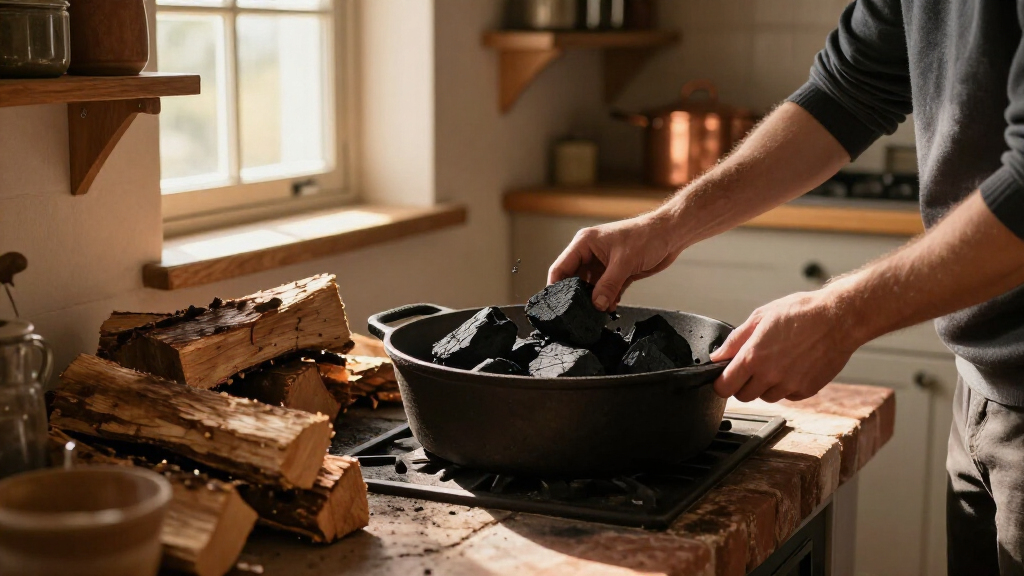
In a real-world scenario, I once used a long-handled shovel to gently cover a hot bed of embers with dirt. The fire slowed down instantly, giving me a perfect hour-long simmer for my stew. Having these tools ready makes managing the fire safer and more effective, especially in outdoor environments where conditions can change quickly.
As an affiliate, we earn on qualifying purchases.
Modern Fire Pits and Accessories That Help You Bank Better
New fire pits and accessories make the art of fire banking more precise and less guesswork. Many models now include adjustable vents, built-in ash management, and heat shields — all designed to help you control the fire with finesse.
Why does this matter? Because these innovations can significantly improve your ability to maintain a steady, low heat for hours, reducing the trial-and-error often involved in traditional fire management. For example, adjustable vents allow you to fine-tune airflow without disturbing the fire structure, while ash pans simplify cleanup and prevent ash buildup that can choke the fire. These tools and features help you focus more on your cooking and less on constantly tending the flames, making slow cooking outdoors more accessible and reliable.
Safety First: How to Extinguish and Leave the Fire Clean
Never leave a banked fire unattended — even when it seems out. The reason is safety: embers can reignite or smolder unnoticed, posing a wildfire risk. The safest method to extinguish is to cover the fire completely with dirt or ashes, which cuts off oxygen and extinguishes the flames. But it’s not enough just to cover; you must ensure the fire is fully cooled to prevent re-ignition.
Once the embers are smothered and cooled, double-check for any remaining sparks or hot spots by carefully feeling the area with the back of your hand or a stick. It’s best to wait at least 30 minutes after covering the fire before leaving, giving ample time for all heat to dissipate. In a real-world scenario, I once doused a fire with a pile of dirt, then waited until the smoke ceased and no heat was felt. This thorough approach minimizes the risk of wildfires and keeps your outdoor space safe for future use.
Frequently Asked Questions
What kind of wood is best for slow cooking fires?
Hardwoods like oak, hickory, maple, and fruitwoods burn longer and produce steady, consistent heat. Seasoned wood is crucial — avoid green or wet wood, which smokes and struggles to maintain a steady burn.
How do I keep a fire burning low for hours?
Control airflow with vents or by covering the fire with dirt or ash. Add small, seasoned hardwood pieces gradually and insulate with ash to slow the burn rate. Regularly monitor the temperature with a thermometer to avoid overheating.
How long can I safely keep a fire banked for slow cooking?
With proper setup, a fire can last between 4 to 12 hours, depending on the wood type and how well it’s banked. It’s best to check periodically and add small amounts of seasoned wood as needed.
What safety precautions should I take when managing a fire outdoors?
Always keep a bucket of water or dirt nearby. Never leave the fire unattended. Cover the fire completely with dirt or ashes when done, and wait until the embers are fully cooled before leaving the site.
Conclusion
Banking a fire isn’t just about keeping the flames alive — it’s about turning chaos into control. With practice, you’ll learn how to create a gentle, steady heat that turns tough cuts into tender meals and transforms outdoor cooking from guesswork into skill.
Next time you start a fire, remember: a well-banked fire is a quiet, reliable partner in your off-grid kitchen. Keep the flames manageable, and your slow-cooked feast will be waiting when you’re ready to serve.
Fall Picks
fall essentials
As an affiliate, we earn on qualifying purchases.