
TL;DR

Get kitchen gear delivered free — and shop member deals
- Fast, free delivery on millions of items
- Access to Prime Big Deal Days deals on October 6–7
- Prime Video, Amazon Music and more included
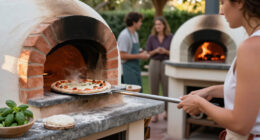
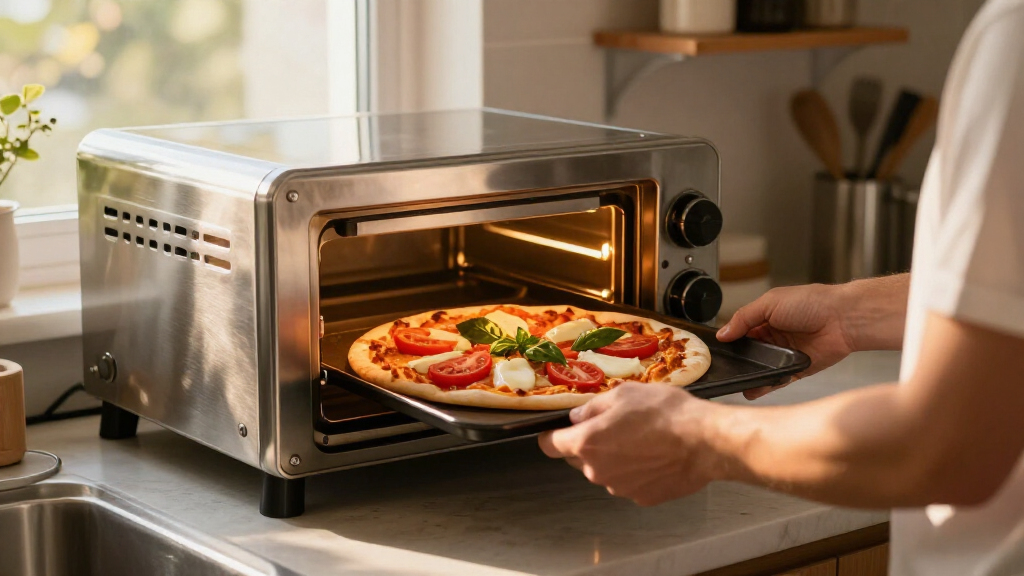
Making pizza in a portable pizza oven is achievable with high heat, proper prep, and the right tools. Recent innovations make outdoor pizza baking easier, more versatile, and more reliable, perfect for camping or backyard gatherings.
High temperatures (up to 900°F) are achievable in 15–20 minutes, enabling authentic Neapolitan-style pizza in under 2 minutes of cooking.
Choosing the right oven depends on your needs: gas for convenience, wood for flavor, and hybrid for versatility.
Preheating with a steel or stone ensures a crisp, blistered crust every time.
Light toppings and even rotation during cooking prevent burning and promote uniform doneness.
Regular cleaning and safety checks extend your oven’s lifespan and keep it ready for outdoor adventures.
Choose the Right Portable Pizza Oven for Your Adventure
Picking the right oven makes all the difference. Gas-powered ovens heat quickly and maintain steady temps, making them ideal for those who want reliable performance with minimal fuss. Wood-fired models offer an authentic smoky flavor that can elevate your pizza experience but require more effort to operate and maintain consistent heat. Electric ovens are convenient, compact, and great for small outdoor spaces or indoor use if ventilation permits, though they may not reach as high temperatures as gas or wood options. Hybrid models, which combine these features, give you flexibility depending on your environment and flavor preferences. For example, the popular Ooni Koda 12 is gas-powered, heats to 932°F in about 15 minutes, and is lightweight enough for camping trips. Understanding these differences helps you select an oven that aligns with your adventure style, cooking expectations, and maintenance willingness, ensuring a more enjoyable and successful pizza experience.
As an affiliate, we earn on qualifying purchases.
Preheat Like a Pro: Get Your Oven Ready for Perfect Pizza
Preheating isn’t just a step; it’s the foundation of a perfect pizza. Achieving 700–900°F ensures the crust develops that desirable blistered, chewy texture characteristic of authentic Neapolitan pies. The reason this matters is that high heat activates the Maillard reaction, creating complex flavors and a crispy exterior while keeping the interior tender. Proper preheating also ensures even heat distribution, preventing cold spots that could cause uneven cooking or soggy spots. Using a high-quality pizza stone or steel is crucial because these materials absorb and radiate heat more effectively than ceramic, leading to a more consistent baking environment. Steel heats faster and retains more heat, reducing preheat time and increasing your oven’s thermal mass, which directly influences crust quality. Skipping thorough preheating can result in undercooked centers or uneven charring, detracting from the authentic pizza experience. Therefore, investing time in preheating and choosing the right surface material impacts both the ease of cooking and the final flavor and texture of your pizza.
As an affiliate, we earn on qualifying purchases.
The Art of Making Pizza: From Dough to Toppings
Your pizza starts with the dough, which acts as the canvas for all your toppings. Using high-protein flour with around 65–70% hydration creates a dough that is both elastic and strong, allowing for stretchability without tearing. This balance is essential because high-temperature baking causes rapid expansion and blistering; a dough that can stretch thin without ripping results in a lighter, airier crust with desirable chew. When preparing toppings, simplicity is key—think fresh mozzarella, basil, and a drizzle of olive oil. Heavy or overly moist toppings can weigh down the crust or cause uneven cooking, especially at high heat. Heavy toppings can also lead to burnt or soggy spots, ruining the texture. The goal is to create a harmonious balance where each ingredient complements the others and withstands the intense heat without compromising the overall quality. This careful selection and preparation process ensures your pizza will cook evenly, develop beautiful charring, and taste authentic, just like from a professional pizzeria.
As an affiliate, we earn on qualifying purchases.
Cooking Your Pizza: Mastering Timing and Technique
Placing your pizza on a well-heated stone or steel using a pizza peel is the first step. Once in the oven, the rapid cooking process—typically 60–90 seconds at 900°F—demands attentiveness. Rotating the pizza every 20 seconds ensures even exposure to the high heat, preventing hotspots that could burn one side while leaving the other undercooked. This rotation mimics professional restaurant techniques, where consistent turning ensures uniform charring and melting. For outdoor or camping scenarios, you may need to adapt your timing—checking the bottom after 30 seconds and adjusting placement if necessary. The importance of timing cannot be overstated: too long, and toppings might burn; too short, and the crust may be underdone. The rapid cook time is what creates that characteristic blistered crust with perfectly melted toppings, capturing the essence of authentic Neapolitan pizza. Developing a sense of timing through practice will help you achieve consistent, restaurant-quality results every time.
outdoor pizza oven with steel plate
As an affiliate, we earn on qualifying purchases.
As an affiliate, we earn on qualifying purchases.
Safety and Maintenance: Keep Your Portable Oven in Top Shape
Operating your oven outdoors is essential for safety, especially given the high temperatures and potential fuel sources involved. Regularly inspecting gas connections for leaks, especially if using propane, can prevent dangerous malfunctions. For wood-fired models, clearing away ash and soot prevents blockages and ensures proper airflow, which is critical for maintaining consistent heat. After each use, allow the oven to cool completely before cleaning to avoid burns or damage. Use a brush or scraper to remove burnt-on food or ash from stones or steel surfaces—this buildup can insulate heat unevenly and compromise performance. Routine maintenance, such as checking seals, replacing worn parts, and tightening connections, prolongs your oven’s lifespan and ensures reliable performance. A well-maintained oven not only guarantees safety but also provides consistent heat, which is vital for achieving perfect pizzas every time. Neglecting these steps can lead to unsafe conditions and uneven cooking, diminishing your outdoor culinary experience.
The Latest Tech and Trends Making Portable Pizza Ovens Better
Recent models feature **improved insulation** that helps maintain high temperatures longer, reducing fuel consumption and preheat times. This means you can achieve consistent results even in colder outdoor environments. Some ovens now include **digital temperature controls** and app connectivity, allowing you to monitor and adjust heat precisely from your phone—this technological integration minimizes guesswork and helps perfect your craft. Lighter, more compact designs enhance portability without sacrificing performance, making setup and transport easier for outdoor adventures. Hybrid fuel options provide versatility: you can switch between gas, wood, or charcoal depending on your flavor preferences or available resources. These innovations collectively make portable pizza ovens more accessible, reliable, and adaptable, encouraging more outdoor cooking enthusiasts to experiment with high-quality pizza making regardless of location.
Making the Most of Your Portable Oven: Tips from the Field
- Preheat thoroughly — don’t rush it. A fully heated oven ensures even cooking and helps develop that perfect crust.
- Use a steel or cordierite stone for even heat transfer, which is essential for consistent results across different outdoor conditions.
- Keep toppings light and evenly spread to prevent burning or soggy spots, especially since high heat can quickly char heavy ingredients.
- Rotate the pizza regularly—every 20–30 seconds—to promote uniform charring and prevent burning on one side, which is crucial in the rapid cooking environment.
- Use a pizza peel for easy transfer and removal, reducing the risk of burns and ensuring precise placement.
- Clean your oven after each use—removing debris and inspecting parts—so it remains in top condition and ready for your next outdoor pizza session.
Frequently Asked Questions
What is the easiest portable pizza oven for a beginner?
Many beginners find models like the Ooni Koda or Roccbox easiest to use. They heat quickly, maintain consistent temps, and come with straightforward controls, making the learning curve less steep.
How do I get a crispy crust in a portable oven?
Preheat thoroughly, use a high-quality steel or stone, and bake at the highest temperature your oven can reach. Keep toppings light, and rotate the pizza regularly to prevent burning.
Can I use my portable pizza oven indoors?
Only if it’s specifically designed for indoor use and has proper ventilation. Most portable ovens are meant for outdoor use, where open flames or high heat won’t pose safety risks.
What toppings work best for high-temperature cooking?
Fresh mozzarella, basil, thinly sliced vegetables, and prosciutto hold up well. Heavy toppings like thick cheese or large chunks may burn or prevent proper cooking at high heat.
How should I clean and care for my portable pizza oven?
Let it cool completely, remove ashes or debris, and wipe down surfaces. Regular inspection of stones or steel parts prevents buildup and maintains even heat for future pizzas.
Conclusion
Mastering portable pizza ovens turns outdoor cooking into a true craft. With the right tools, temperature, and technique, you can create restaurant-quality pies anywhere — from mountain campgrounds to your backyard.
Next time you fire up your portable oven, remember: it’s not just about the pizza. It’s about the joy of making something delicious with your own hands, under the open sky. That’s real outdoor magic.
Evergreen bestsellers Picks
bestsellers
As an affiliate, we earn on qualifying purchases.