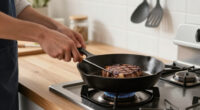
TL;DR
Seasoning a carbon steel wok builds a natural non-stick surface that improves with use. High-heat stir-frying relies on proper prep, oil choice, and quick, constant movement—skills that turn simple ingredients into flavorful dishes.
Proper seasoning transforms a new carbon steel wok into a durable, non-stick tool that improves with use.
High-smoke-point oils like peanut or flaxseed are best for seasoning and stir-frying, especially in off-grid setups.
Always dry and lightly oil your wok after use to prevent rust and maintain the seasoned surface.
Mastering quick, high-heat stir-frying relies on prep, proper oil, and constant movement—think of it as a fast-paced dance.
Re-season periodically if food starts sticking or rust appears; a well-maintained wok can last decades.
Why a Carbon Steel Wok Is Your Best Off-Grid Cooking Companion
Carbon steel woks are lightweight, responsive, and heat up faster than cast iron. They conduct heat so efficiently that a quick toss of oil and ingredients creates that signature smoky aroma. Imagine the crackle of rice and vegetables dancing in the pan—this is the magic of proper heat transfer. These woks are durable, affordable, and perfect for off-grid setups where simplicity and reliability matter most.
Take a typical camping scenario: you build a small fire, set the wok on a sturdy stand, and heat it until you see the surface shimmer. That responsiveness lets you cook stir-fries in minutes, preserving vibrant colors and textures. Plus, their lighter weight means you can carry and store them easily—ideal for a manual kitchen setup.
As an affiliate, we earn on qualifying purchases.
How to Properly Season Your Carbon Steel Wok in 4 Easy Steps
- Wash the wok thoroughly with hot water and a stiff brush to remove factory coating. No soap needed—just good scrubbing.
- Heat the wok over your stove or fire until it turns slightly smoky, then wipe it down with a paper towel soaked in a high-smoke-point oil like canola or peanut oil.
- Repeat heating and oil-wiping 3-4 more times. This builds a smooth, non-stick patina that gets better with each layer.
- After each use, clean with hot water and a soft brush, then lightly oil the surface to prevent rust and keep the seasoning strong.
For a more durable, hard seasoning layer, some cooks use flaxseed oil and finish with oven baking. This process creates an almost glass-like surface that’s highly resistant to sticking and rust, making it ideal for heavy stir-frying in off-grid environments where maintaining equipment can be challenging. The key is to understand that each layer of seasoning isn’t just a coating—it’s a fundamental building block that influences how well your wok performs under high heat, how easily food releases, and how resistant it is to rust over time. Investing patience and attention during seasoning pays off in the long run, turning your wok into a nearly indestructible cooking partner.
high smoke point cooking oil for wok
As an affiliate, we earn on qualifying purchases.
As an affiliate, we earn on qualifying purchases.
The Secret to a Perfect Stir-Fry Every Time
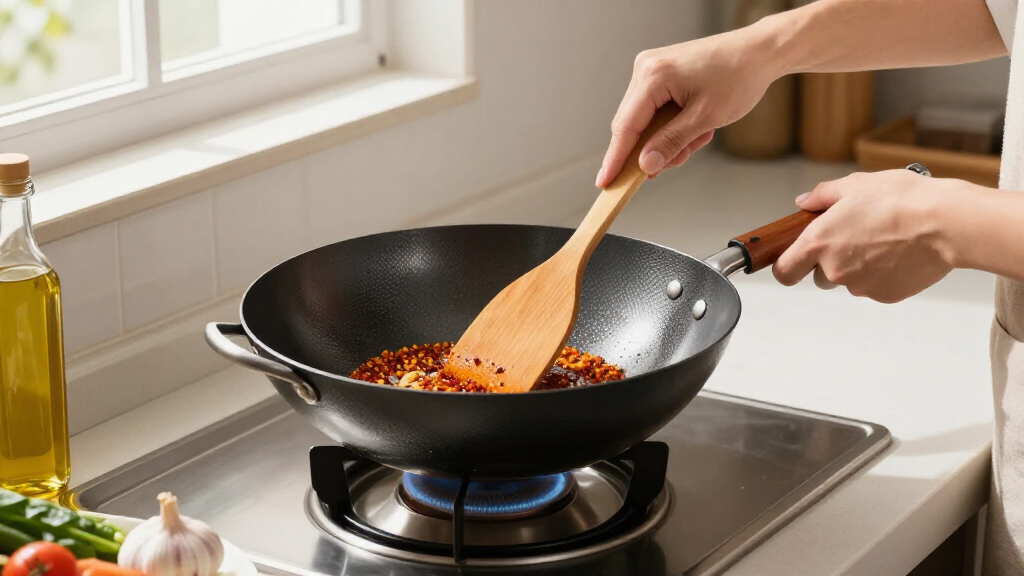
High heat, prep, and quick action are the pillars of great stir-fry. Start by chopping all your ingredients—meat, vegetables, aromatics—before turning on the stove. When the wok is sizzling hot, add your oil and swirl it around. Then, add ingredients in small batches, stirring constantly with a metal spatula or wooden spoon. This rapid, continuous movement prevents sticking and ensures even cooking.
Choosing the right oil—high smoke point oils like peanut, vegetable, or canola—is crucial because they withstand the intense heat without breaking down or imparting unwanted flavors. Avoid overcrowding the pan; too many ingredients at once cools the surface, causing sticking and uneven cooking. Think of stir-frying as a dance—fast, rhythmic, and precise. The crackling sound of ingredients hitting the hot surface signals you’re on the right track, and maintaining this rhythm ensures each piece gets the heat and movement needed for a flavorful, well-cooked dish. The key is understanding that high heat and constant motion work together to develop complex flavors and textures that are impossible to achieve with slower cooking methods.
carbon steel wok with non-stick coating
As an affiliate, we earn on qualifying purchases.
As an affiliate, we earn on qualifying purchases.
4 Tips to Keep Your Wok Non-Stick and Rust-Free for Years
- Always dry the wok thoroughly after cleaning—water is the enemy of seasoning and causes rust. Moisture trapped in tiny pores can lead to corrosion, so take the time to wipe it dry with a towel and heat it briefly over low heat to evaporate any residual moisture.
- Apply a thin layer of oil after each use, especially if you’re not cooking daily. This layer acts as a protective barrier against moisture and helps maintain the seasoning, which is a dynamic surface that improves with consistent care.
- Store in a dry place, preferably with a paper towel or cloth inside to absorb any residual humidity. Proper storage prevents rust formation and preserves the integrity of the seasoning layer, especially in humid environments.
- Re-season periodically—if food starts sticking or rust appears, repeat the seasoning process to restore surface quality. Think of re-seasoning as a routine tune-up that rejuvenates the wok’s non-stick surface and prolongs its lifespan. This proactive approach ensures your wok remains a reliable cooking tool through years of off-grid use, where repairs and replacements are less convenient.
Imagine your wok aging gracefully, developing a dark, smooth patina that’s almost like a second skin—this is the result of consistent care and attention. The deeper and more uniform the patina, the better your wok will perform, resisting sticking and rust while enhancing flavor over time. Regular maintenance isn’t just about preservation; it’s about building a relationship with your cookware that rewards patience and effort with years of reliable service.
As an affiliate, we earn on qualifying purchases.
Comparison: Traditional Oils vs. Modern Eco-Friendly Seasoning Sprays
| Feature | Traditional Oils (Vegetable, Peanut, Flaxseed) | Eco-Friendly Sprays |
|---|---|---|
| Application Ease | Requires heating and wiping; more mess | Spray onto cold or hot wok, less fuss |
| Durability | Builds a stronger, longer-lasting patina | Good for light seasoning, but may need frequent reapplication |
| Cost | Inexpensive, especially in bulk | Higher per use, but convenient |
| Environmental Impact | Minimal, biodegradable oils | Some contain propellants or synthetic ingredients |
For off-grid cooks, traditional oils often win for durability and environmental friendliness. Using natural, biodegradable oils allows you to build a robust, resilient surface that improves with each seasoning cycle. While sprays offer convenience and less mess, they may not develop the same deep, tough patina necessary for high-heat, long-term use. The tradeoff is between ease and durability—understanding your priorities helps determine the best method for your off-grid kitchen. Investing in traditional oils and proper seasoning techniques ultimately yields a more reliable, eco-friendly, and long-lasting cooking surface, especially where resources and maintenance options are limited.