TL;DR
Open a free Amazon Business account
Business pricing, bulk buying and tax-exempt orders.
Create a free accountAs an affiliate, we earn on qualifying purchases.
Keeping food cold without a refrigerator is possible through natural cooling, insulation, underground storage, and DIY solutions. These methods work best in specific climates and for certain foods, but they require attention to safety and timing.
Natural underground storage and flowing water are reliable for short-term cooling in suitable climates.
Insulation and evaporation tricks can extend freshness modestly, especially in dry environments.
Perishable foods need to be consumed within 24-48 hours without refrigeration, based on environmental conditions.
Always monitor stored food for spoilage signs—senses are your best tools.
Combine multiple methods for better results and adapt techniques to your local climate and resources.
Cold Food, No Plug Required
TL;DR: Keeping food cold without a refrigerator is possible through natural cooling, insulation, underground storage, and DIY solutions. The trick is matching the method to your climate, food type, and time window while keeping perishables below the safety target whenever possible.
Think physics first: shade, depth, water, evaporation.
Off-grid food cooling works best when you stack small advantages: stable soil temperatures, cold flowing water, damp cloth evaporation, airtight containers, and insulation from sun and warm air.
Food safety threshold for slowing bacterial growth.
Typical limit for high-risk perishables without reliable refrigeration.
First, Know How Cold You Need to Be
Without a refrigerator, your goal is not perfection. It is reducing heat exposure, slowing bacterial growth, and buying time. Underground spaces, flowing water, and evaporative cooling each help, but none remove the need to monitor food closely.
Below 40°F is the benchmark.
Food safety guidance centers on keeping perishables below 40°F, or 4°C. If your method cannot approach that, treat it as a delay tactic, not true refrigeration.
Risk varies by ingredient.
Dried grains, beans, canned foods, and many whole fruits are forgiving. Meat, dairy, cooked leftovers, and cut produce need stricter timing.
Your weather sets the ceiling.
Dry breezes help evaporation. Cool seasons help soil storage. Hot, humid air limits nearly every non-electric method.
The Safety Line
Layer Cooling Methods Instead of Betting on One
Every non-electric method has a tradeoff. Underground storage needs cool, moist soil. Water cooling needs a clean, cold source. Evaporation needs dry air and airflow. Combining them extends freshness more reliably.
Shade First
Move food out of direct sun immediately. Use a covered, breezy area before building any deeper storage setup.
Insulate
Wrap containers in towels, straw, leaves, cloth, or a cooler to slow heat transfer from the surrounding air.
Add Nature
Use moist soil, cold flowing water, snow, ice, or evaporation to pull heat away from the food container.
Check Often
Inspect temperature, smell, texture, packaging, water cleanliness, and time elapsed before eating.
What Works, Where It Works, and What to Watch
The best method is the one your environment can support consistently. Use this table to match the technique to the conditions around you.
| Method | Best For | Climate Fit | Typical Window | Safety Notes | Reliability |
|---|---|---|---|---|---|
| Cold Spring or Flowing Water | Sealed dairy, eggs, drinks, compact containers | ✓ Cool water source required | Hours to days if water stays cold | Use waterproof sealed containers; avoid contaminated water. | ✓ High |
| Underground Storage | Root vegetables, hardy produce, some sealed foods | ~ Best in cool seasons or moist soil | Days for suitable foods | Line pit with straw or leaves; monitor soil warmth and pests. | ✓ Good |
| Clay Pot Cooler | Vegetables, fruit, short-term perishables | ✓ Dry, breezy air | Up to 1-2 days | Keep sand damp; performance drops in humid weather. | ~ Medium |
| Wet Cloth in Shade | Brief cooling for produce or wrapped containers | ~ Dry airflow helps | Several hours | Rewet cloth frequently; keep food sealed from insects. | ~ Limited |
| Room-Temperature Pantry | Dried grains, beans, canned foods, whole produce | ✓ Most climates if cool and dry | Days to months by food type | Not for fresh meat, dairy, or cooked leftovers. | ✗ Not cooling |
When in Doubt, Shorten the Clock
Perishable foods need extra caution without a refrigerator. If meat, dairy, cooked leftovers, or cut produce have been warm for too long, natural cooling cannot make them safe again.
Use sealed containers near water.
Cold water is powerful, but contamination is a real risk. Keep food dry and fully enclosed.
Match evaporation to dry air.
Clay pot coolers and damp cloths work best when air is dry enough to pull moisture away.
Use your senses, but respect time.
Bad smells, slimy texture, bubbling, swelling, and mold are warning signs. Time and temperature still matter even before visible spoilage appears.
Prioritize low-risk foods.
Dried, canned, whole, and shelf-stable foods are safer choices for longer off-grid storage.
From Environment to Edible
Successful no-fridge cooling is a chain. If one link is weak, compensate with another method or shorten the storage window.
Climate
Dry, cool, shaded, or water-rich conditions improve every method.
Method
Choose soil, water, evaporation, ice, insulation, or a layered setup.
Food
Separate shelf-stable foods from dairy, meat, cooked food, and cut produce.
Time
Use short windows for perishables: often hours, sometimes 24-48 hours.
Check
Monitor temperature, smell, texture, package condition, and cleanliness.
What are the best ways to keep food cold without electricity?
Use cold flowing water, underground storage, insulated coolers, clay pot coolers, or damp cloth evaporation depending on your location and weather.
How long can perishable food last without a refrigerator?
High-risk perishables like dairy, meat, and cooked leftovers are usually limited to 24-48 hours at best, and often less in hot conditions.
Are DIY coolers good for long-term storage?
Clay pot and wet cloth coolers are short-term tools. For longer storage, combine them with underground or water cooling and monitor closely.
What foods are safest without refrigeration?
Dried grains, beans, canned foods, some whole fruits, and many root vegetables are safer than fresh meat, dairy, and cooked leftovers.
The Basics: How Cold Do You Need to Keep Food?
Food safety hinges on keeping perishables below 40°F (4°C). That’s the temperature that slows bacterial growth and keeps things from spoiling.
Without a fridge, your goal is to create or find a space that naturally stays below this threshold. Think underground caves, cold water, or shaded, breezy spots. Knowing the target temperature helps you pick the right method and avoid wasted effort or, worse, food poisoning.

NO GRID Survival Projects
- Main Focus: Survival and emergency preparedness
As an affiliate, we earn on qualifying purchases.
As an affiliate, we earn on qualifying purchases.
Use the Earth: Bury Food in Cool, Moist Soil
Burying food in the ground is one of the oldest tricks in the book. Soil acts like a natural refrigerator, especially in cooler seasons or climates. For example, in spring or fall, a shallow pit can keep vegetables or even cheese fresh for days.
Dig a hole about 2-3 feet deep, line it with straw or leaves for insulation, and cover your food with damp cloths or moss. The moist soil absorbs heat, maintaining a stable, cool environment.
However, it’s important to understand that soil temperature varies with season, moisture content, and depth. In warmer months or dry climates, this method might only slow spoilage temporarily, so it’s best suited for moderate climates or cooler seasons. The tradeoff is that you must monitor soil conditions regularly; if the soil warms or dries out, the cooling effect diminishes, increasing spoilage risk. This method is simple but requires careful timing and environmental awareness to be effective.

SereneLife Evaporative Air Cooler Tower with Remote, 5L Tank, 4 Ice Boxes, 3 Speeds, Quiet Standing Cooler with Oscillation for Home, Office or Bedroom, Portable & Energy Efficient, 10” x 13” x 39”
- Cools and Circulates Clean Air: Uses ice boxes and filter for fresh airflow
- Portable with Remote Control: Lightweight design with touch panel and remote
- Adjustable Speed and Oscillation: 3 speeds, 3 modes, 60° oscillation
As an affiliate, we earn on qualifying purchases.
As an affiliate, we earn on qualifying purchases.
Harness Water: Cool with Spring or Flowing Water
Flowing cold water is a natural refrigerator. Placing perishables in a waterproof container and submerging it in a spring, stream, or well can keep food cold for hours or even days.
In one case, a mountain hut used a small, sealed container submerged in a cold spring to keep milk and eggs fresh. The key is to ensure the water stays cold and clean, so regular checks and proper sealing are essential.
This method’s effectiveness depends heavily on maintaining consistent water temperature and flow. If the water warms or becomes contaminated, the cooling effect diminishes, and food safety is compromised. Moreover, access to a reliable, cold water source can be a limiting factor. In hot climates, this method may only offer a few hours of safe storage unless the water remains consistently cold. The tradeoff involves balancing convenience, safety, and environmental constraints, making it best suited for areas with permanent, cold water sources.

Hydrapeak 18oz Stainless Steel Vacuum Insulated Food Jar for Hot Food and Cold Food, Wide Mouth Leak-Proof Soup Jar for Adults, 10 Hours Hot and 16 Hours Cold (Black)
- All-Day Insulation: Keeps food hot for 10 hours, cold for 16 hours
- Premium Stainless Steel: Made of durable 18/8 stainless steel with colorful coating
- Leak-Proof Design: Spill-resistant and portable for everyday use
As an affiliate, we earn on qualifying purchases.
As an affiliate, we earn on qualifying purchases.
DIY Coolers and Insulation Tricks That Actually Work
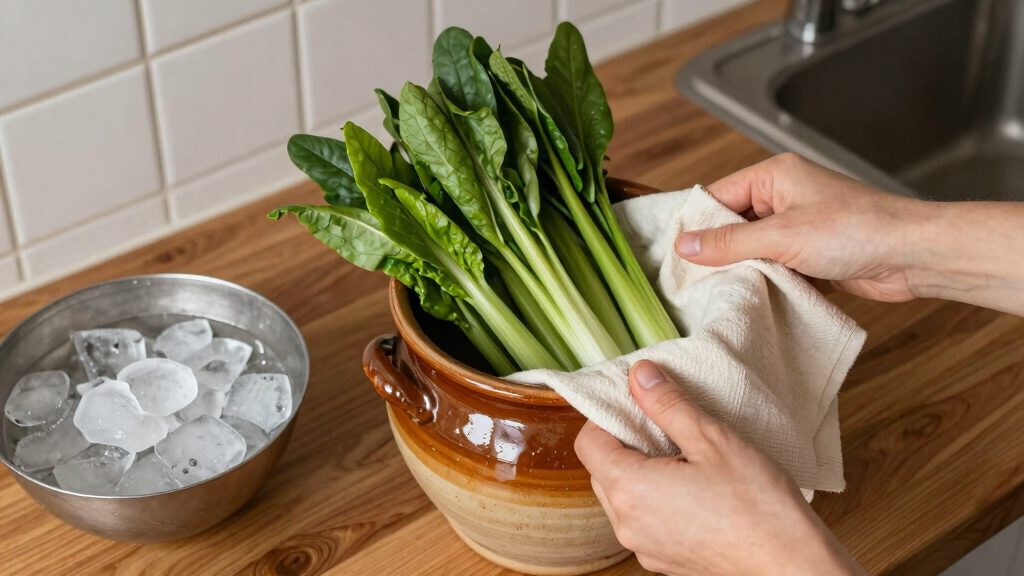
Insulation is your best friend when it comes to non-electric cooling. Simple DIY coolers, like clay pot refrigerators, use natural evaporation to keep food cool.
For example, a clay pot cooler consists of one pot inside another, with damp sand in between. As the water evaporates, it pulls heat away from the inner pot, chilling your food. This process is most effective in dry, breezy environments where evaporation can occur rapidly.
Another trick: wrap perishables in wet cloths, then hang them in breezy, shaded areas. This promotes evaporation and cooling. Keep in mind that these methods are best suited for short-term storage—usually a day or two—because evaporation slows as moisture levels decrease, and ambient temperatures can override cooling effects. For longer-term storage, combine insulation with underground or water cooling methods. Think of it as layering your defenses against heat, understanding that each layer offers diminishing returns over time but can significantly extend freshness when used together.
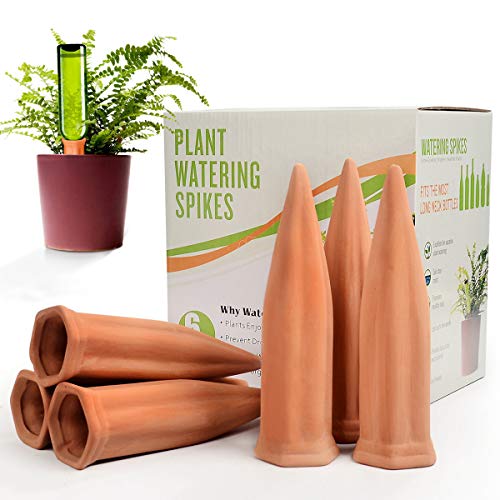
B SEPOR Ceramic Plant Waterer Set of 6 Pack Terracotta Self Watering Spikes,Wine Bottle Plant Watering Devices for Vacation (6Pack)
- Durable Material: Strong, water-releasing terracotta alternative
- Easy to Use: Recycling bottles without extra fittings
- Promotes Healthy Roots: Provides slow, consistent watering for plants
As an affiliate, we earn on qualifying purchases.
As an affiliate, we earn on qualifying purchases.
Frequently Asked Questions
What are the best ways to keep food cold without electricity?
Using underground storage, flowing water, and DIY coolers like clay pots are some of the most effective methods. These rely on natural cooling principles and can work well in specific climates.How long can I store perishable food without a refrigerator?
Perishable foods like dairy, cooked leftovers, and meats generally stay safe for 24-48 hours without refrigeration, depending on the method and environment. Always check for spoilage before eating.Are DIY coolers effective for long-term storage?
DIY coolers like clay pot refrigerators work best for short-term use—up to a day or two. For longer storage, combine with underground or water cooling techniques, but always monitor for safety.Can I use natural water sources safely for cooling?
Yes, but ensure the water is clean and flowing cold. Submerging food containers in spring or mountain streams can keep perishables cool, but contamination risks mean you should use sealed containers and check water quality.What foods are safe to store without refrigeration?
Non-perishable items like dried grains, beans, canned foods, and some fruits and vegetables are safe at room temperature. Limit fresh dairy, meat, and cooked leftovers to short periods.Conclusion
Keeping food cold without a refrigerator is about understanding your environment and using physics to your advantage. Simple tricks like burying vegetables or using flowing water can preserve freshness when power isn’t an option. Think of it as a dance between nature and ingenuity—sometimes, the oldest methods are the most effective. Next time you’re off-grid or facing a power outage, remember: a little effort and the right spot can keep your food safe and tasty. Your off-grid kitchen just got a little smarter.Baby shower & registry season Picks
baby registry must-haves
As an affiliate, we earn on qualifying purchases.