
TL;DR

Get kitchen gear delivered free with Prime
- Fast, free delivery on millions of items
- Prime Video, Amazon Music and more included
- Member-only deals all year
Home curing meat is safe when you follow tested recipes, use the right salts, and maintain proper hygiene and environment. Proper safety prevents dangerous bacteria like botulism, making your cured meats both tasty and safe.
Imagine biting into a slice of perfectly cured bacon, rich with smoky flavor, and knowing it’s safe to eat because you did it right. Curing meat at home isn’t just about flavor—it’s about safety, control, and turning simple ingredients into something extraordinary. But if you rush or cut corners, you risk spoilage or worse.
In this guide, you’ll learn how to cure meat safely, with clear steps, practical tips, and the essential safety precautions. Whether you’re drying, brining, or using more advanced techniques, mastering safe curing keeps your meats delicious and free from harmful bacteria.
Always use food-grade curing salts and follow recommended proportions.
Maintain a consistent environment of around 55°F and 70% humidity for safe curing.
Regularly inspect your meat for spoilage signs—discard if anything seems off.
Proper hygiene and clean tools prevent dangerous bacteria from contaminating your cure.
Modern equipment like digital thermometers and vacuum sealers make home curing safer and more precise.
The Essential Rules for Safe Home Meat Curing
Before you get started, understanding the basic rules makes all the difference. Proper hygiene, correct ingredient use, and environment control are your best tools. Think of curing as a science experiment—precision and cleanliness prevent dangerous bacteria like Clostridium botulinum from taking hold.
Always use food-grade curing salts like Prague Powder #1 or #2, and follow recommended proportions. Keep your workspace clean, and wash all tools thoroughly. Temperature control is critical: keep your curing environment around 55°F (13°C) with about 70% humidity. Airflow also matters—stale air invites mold or spoilage. Why does this matter? Because bacteria and molds thrive outside these conditions, increasing the risk of foodborne illnesses or spoilage. Proper environment control inhibits their growth, ensuring your meat cures safely and develops the desired flavor and texture.
As an affiliate, we earn on qualifying purchases.
Step-by-Step: How to Cure Meat at Home Safely
- Choose your meat. Pork belly for bacon, beef for bresaola, or even poultry for specific cured products. Why it matters: Different meats require different curing times and techniques for optimal safety and flavor. For example, poultry is more perishable and needs shorter curing periods and stricter temperature controls.
- Prepare your curing mix. Mix salt, sugar, and curing salts according to tested recipes. Implication: Using the correct proportions and ingredients helps prevent bacterial growth and ensures the development of safe, authentic flavors. Overuse of salts can cause overly salty meat, while underuse can risk spoilage.
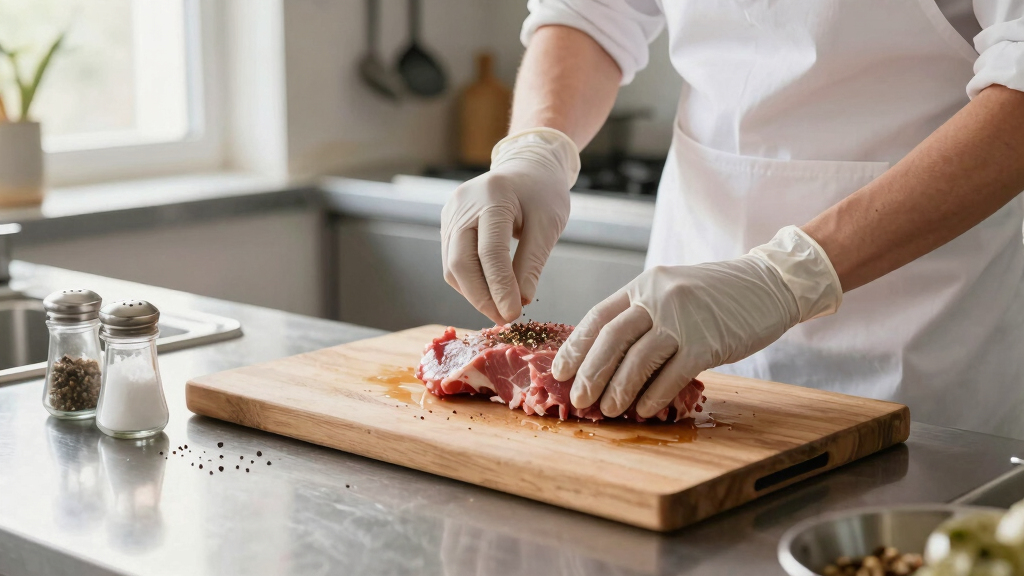
- Apply or submerge. Rub the dry cure onto the meat or submerge in a brine, ensuring full coverage. Why it matters: Complete coverage ensures even curing, which is crucial for safety. Uneven curing can leave parts vulnerable to bacteria or spoilage.
- Set in a controlled environment. Place your meat in a fridge or curing chamber at about 55°F with high humidity, and let it cure for the recommended time. Implication: Consistent temperature and humidity prevent the growth of harmful bacteria. Fluctuations can compromise safety and lead to spoilage or mold.
- Monitor regularly. Check for any signs of spoilage—off-odor, discoloration, or mold—discard if anything seems off. Why it’s vital: Early detection of spoilage signs prevents foodborne illnesses. Mold can sometimes be wiped off if surface only, but if in doubt, discard.
- Finish and store. Rinse or wipe the cured meat, then store in the fridge or dry it further if desired. Implication: Proper storage after curing maintains safety and quality, preventing recontamination or spoilage.
digital meat thermometer for curing
As an affiliate, we earn on qualifying purchases.
As an affiliate, we earn on qualifying purchases.
Dry Curing vs. Wet Curing: What’s Better for Home Curing?
| Feature | Dry Curing |
|---|---|
| Method | Applying salt and spices directly to meat surface |
| Environment | Requires a cool, humid space with airflow |
| Time | Days to months depending on meat and size |
| Flavor | Intense, concentrated flavor |
| Feature | Wet Curing (Brining) |
|---|---|
| Method | Submerging meat in a salt-based solution |
| Environment | Refrigeration during curing |
| Time | Few days to a couple of weeks |
| Flavor | Less intense, more evenly distributed |
Both methods can be safe if done correctly. Dry curing tends to develop deeper flavor in larger cuts because the salt penetrates slowly and thoroughly, creating a concentrated flavor profile that can also help inhibit bacterial growth internally. However, it requires precise environment control to prevent spoilage. Wet curing, or brining, is quicker and more forgiving, especially for small pieces or sausages, as the salt solution penetrates evenly and reduces the risk of uneven curing. Understanding these tradeoffs helps you choose the method best suited for your meat type, desired flavor, and safety comfort zone.
As an affiliate, we earn on qualifying purchases.
Safety Tips You Can’t Ignore When Curing Meat at Home
- Use the right salts. Always opt for curing salts like Prague Powder, not regular salt, to control bacteria and prevent botulism. Why it matters: Curing salts contain nitrates or nitrites that inhibit the growth of bacteria responsible for botulism, especially in low-acid, anaerobic conditions. Incorrect salts or overuse can pose health risks, so following tested recipes is essential.
- Maintain strict hygiene. Wash hands, tools, and surfaces thoroughly before and after handling raw meat. Implication: Cross-contamination can introduce dangerous bacteria, so cleanliness is your first line of defense against foodborne illnesses.
- Control temperature and humidity. Keep your curing environment steady—warmth or dryness invites spoilage. Why it matters: Fluctuations in temperature and humidity can create conditions conducive to bacterial growth or mold. Consistent conditions help ensure safety and proper curing.
- Monitor regularly. Check your meat every few days. Look for mold, slime, or bad odors—discard immediately if anything’s off. Implication: Regular inspection allows early detection of spoilage, preventing unsafe meat from reaching your table.
- Label everything clearly. Mark curing dates and type of cure. This keeps you aware of how long your meat has been curing. Why it’s important: Proper labeling prevents over-curing or accidental consumption of unsafe products, maintaining safety and quality.
As an affiliate, we earn on qualifying purchases.
How to Spot and Handle Spoiled Cured Meat
Safe cured meat has a firm texture, a pleasant aroma, and a uniform color. If it develops a slimy surface, mold in odd colors, or an off-putting smell—discard it immediately. Mold can sometimes be wiped off if confined to surface patches, but only if you’re sure it’s not spoilage. When in doubt, throw it out.
For example, a batch of homemade salami that smells sour or has fuzzy white mold should be discarded. Better safe than risking food poisoning or illness. Remember, some molds are harmless, but others can produce toxins. When in doubt, err on the side of caution and discard the product to avoid health risks.
Recent Advances Make Home Curing Safer and Easier
Modern tools and guidelines help home curers stay safe. Digital thermometers, humidity-controlled chambers, and vacuum sealers give you precision. Online tutorials from reputable sources and food safety agencies provide tested recipes that minimize risks. Why it matters: These tools reduce human error, maintain consistent environment conditions, and enhance safety, making home curing more reliable and accessible.
Some hobbyists now experiment with sous-vide techniques, which offer precise temperature control—crucial for safety. These innovations mean you can cure at home with more confidence than ever before. Implication: Incorporating modern technology and trusted resources ensures you can produce safe, high-quality cured meats with less guesswork and greater peace of mind.
Frequently Asked Questions
Is home curing meat safe for beginners?
Yes, if you follow tested recipes, use proper curing salts, and keep your environment clean. Safety depends on attention to detail and hygiene, not experience.
How long does it take to cure meat at home?
It varies from a few days for small sausages or thin cuts, to several months for larger, aged products like ham or bresaola. Always follow specific recipe guidelines for timing.
Can I cure meat without using nitrates or nitrites?
It’s possible but riskier. Natural curing methods using salt and spices are less reliable for preventing botulism. If you choose to avoid nitrates, be extra cautious with environment control and consumption limits.
What are the signs that my cured meat is unsafe?
Look for off-odor, slimy texture, odd discoloration, or mold in unusual colors. When in doubt, discard your cure—food safety always comes first.
What’s the biggest mistake to avoid when curing meat at home?
Using improper curing salts or neglecting environment control. Both can lead to spoilage or dangerous bacteria growth. Follow tested procedures and stay vigilant.
Conclusion
Home curing meat isn’t just about flavor; it’s a careful balance of science, skill, and safety. Stick to tested recipes, control your environment, and stay vigilant. The reward? Delicious, safe, preserved meats you crafted yourself, full of character and confidence.
So next time you’re slicing into a piece of cured meat, remember—you’re not just eating. You’re creating something that’s both a craft and a testament to your skill and patience.
Halloween Picks
halloween
As an affiliate, we earn on qualifying purchases.