
TL;DR

Get kitchen gear delivered free with Prime
- Fast, free delivery on millions of items
- Prime Video, Amazon Music and more included
- Member-only deals all year
You can make sauerkraut in a crock by choosing the right container, preparing and salting your cabbage, packing it tightly, and allowing natural fermentation to develop over 1-4 weeks at a steady temperature. Properly submerged and monitored, your homemade sauerkraut will be crunchy, probiotic, and full of flavor.
Use a food-grade crock with a wide opening and a loose lid to make handling easier.
Salt the shredded cabbage at about 2% of its weight, then massage until juices flow.
Pack tightly, pressing out air pockets, and keep the cabbage submerged under brine using a weight.
Maintain a steady, cool temperature (65-75°F) and check daily for surface scum or mold.
Taste after 1 week and give it time for a more sour, flavorful batch — patience is key.
Choose the Perfect Crock for Fermentation Success
Select a food-grade ceramic, stoneware, or glass crock that’s wide enough for easy packing. Avoid metal because it can react with the acids in fermenting vegetables. Look for a lid or cover that keeps out dust and insects but allows gases to escape, preventing pressure buildup. A good crock is your fermentation partner — sturdy, non-reactive, and simple to use.
For instance, a 2-gallon ceramic crock with a wide mouth and a loose-fitting lid makes packing and monitoring a breeze. Keep it in a cool, dark spot, like a pantry or cellar, where temperature stays steady around 65-75°F. This stability is vital for reliable fermentation and flavorful results.
food grade ceramic fermentation crock
As an affiliate, we earn on qualifying purchases.
As an affiliate, we earn on qualifying purchases.
Picking and Preparing the Cabbage — The Foundation of Great Sauerkraut
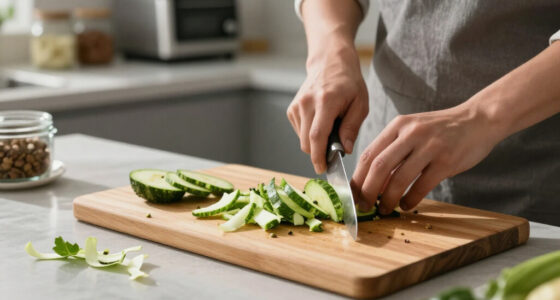
Use fresh, firm, and preferably organic cabbage. Green or white cabbage works equally well. Remove outer leaves and the core, then shred the cabbage finely or coarsely — whatever suits your taste. The texture influences the final crunch and flavor.
For example, a farmer’s market cabbage, with its vibrant green leaves and crisp texture, makes a lively batch. After shredding, weigh the cabbage to determine how much salt to add. About 1 to 3 tablespoons of non-iodized salt per 1.5 pounds of cabbage is ideal. Salt draws out moisture and creates a brine that’s essential for fermentation.
fermentation weight for sauerkraut
As an affiliate, we earn on qualifying purchases.
As an affiliate, we earn on qualifying purchases.
Salt and Massage: Activate Your Cabbage’s Natural Juices
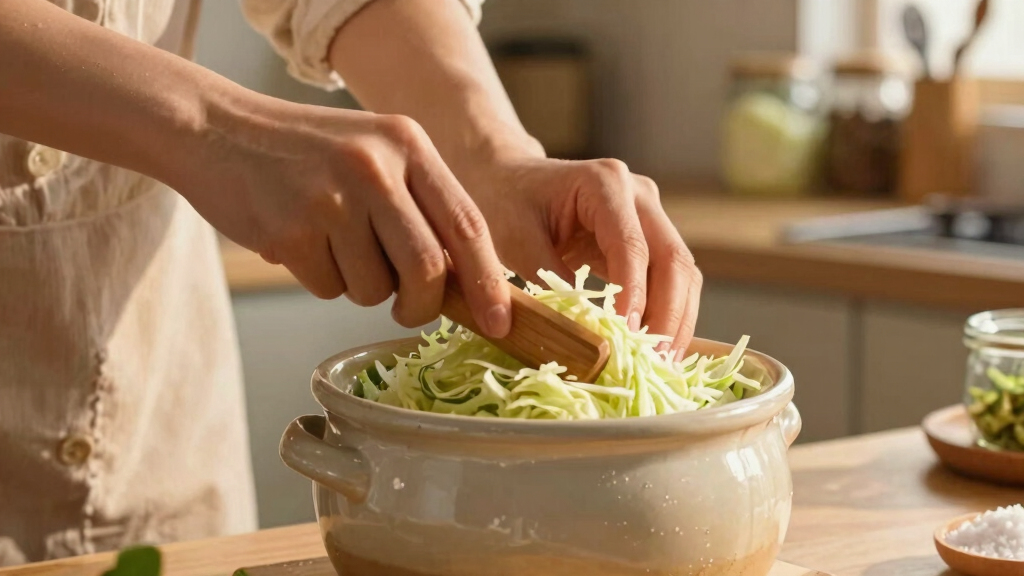
Mix the shredded cabbage with salt thoroughly. Use about 2% salt by weight — roughly 1 to 3 tablespoons for every 1.5 pounds of cabbage. Massage the salt into the cabbage for 5-10 minutes until it becomes soft and releases juices.
This step is like giving your cabbage a gentle massage — it’s the secret to creating enough brine for fermentation. When you massage, the salt breaks down cell walls, encouraging the cabbage to release its natural juices more efficiently. This not only speeds up fermentation but also helps develop a more complex flavor profile, as the natural enzymes and bacteria are activated. For example, after massaging for 8 minutes, I saw clear liquid pooling, ready to submerge the cabbage completely. The quality of your massaging influences how quickly the brine forms and how well the cabbage ferments, impacting both flavor and texture.
As an affiliate, we earn on qualifying purchases.
Packing the Cabbage Tightly into the Crock
Press the salted cabbage into your crock in layers, packing each down firmly. Use a fermentation weight or a clean stone to keep everything submerged under the brine. Air pockets are your enemy — they invite spoilage.
Imagine a jar of layered cabbage, each press squeezing out more juice, leaving no gaps. Tightly packed, the cabbage’s natural juices will form the brine needed for anaerobic fermentation. Proper packing ensures an oxygen-free environment, which is crucial because oxygen promotes unwanted mold and spoilage bacteria. When the cabbage is packed tightly and submerged under brine, it creates an environment where beneficial bacteria can thrive while spoilage organisms are suppressed. For example, I often use a small, clean ceramic weight that fits snugly on top of my shredded cabbage, ensuring everything stays submerged and the environment remains anaerobic. This careful packing is what makes the difference between a successful batch and a moldy one, as it directly affects fermentation quality and safety.
As an affiliate, we earn on qualifying purchases.
Create the Ideal Fermentation Environment
Cover the packed cabbage with a cloth or loose lid that allows gases to escape. Keep your crock in a cool, dark spot — around 65-75°F. This temperature range encourages healthy bacteria and prevents spoilage.
For example, I ferment my sauerkraut in a cellar that stays steady at 70°F. Check daily to ensure the cabbage stays submerged and remove any surface scum or mold, which is common but not harmful if removed promptly. Maintaining the right temperature is vital because too warm can accelerate undesirable bacteria, leading to off-flavors or spoilage, while too cold can slow down fermentation or prevent it altogether. A consistent environment promotes the growth of lactobacilli, the beneficial bacteria responsible for the tangy flavor and probiotic properties of sauerkraut. Regular monitoring and removal of surface scum prevent mold from establishing a foothold, ensuring safe and tasty results.
Fermentation Time — How to Know When It’s Ready
Fermentation takes from 1 to 4 weeks. The longer it ferments, the tangier and more complex the flavor. Taste your sauerkraut after about a week by carefully removing some with a clean spoon.
For example, at 2 weeks, mine tastes pleasantly sour with a crisp bite. If it’s too mild or not sour enough, give it more time. If it develops an off smell or sliminess, discard — it’s not worth risking. The fermentation timeline is a balancing act; shorter times yield milder, fresher flavors, while longer fermentation develops deeper sourness and complexity. Factors such as temperature, cabbage freshness, and salt concentration influence the pace. Tasting periodically allows you to monitor flavor development and determine your preferred level of sourness, which varies by personal taste. Remember, patience enhances flavor—rushing the process can result in underdeveloped or spoiled batches.
Storing and Enjoying Your Sauerkraut
Once it reaches your preferred flavor, transfer the sauerkraut to jars or containers. Keep it refrigerated — this slows fermentation and extends shelf life. Properly stored, your homemade sauerkraut can last several months.
I often store mine in small mason jars, which I open one at a time. The rich, tangy aroma fills my kitchen as I scoop out a spoonful for tacos or sandwiches. It’s a satisfying way to enjoy your labor of love. Refrigeration not only preserves the desired flavor but also halts ongoing fermentation, preventing over-souring or spoilage. The cool environment inhibits spoilage bacteria and mold, ensuring your sauerkraut remains safe and flavorful for months. Proper storage also helps maintain its crunch and probiotic qualities. Using small jars makes portioning easier and reduces exposure to air, which can degrade the texture and flavor over time.
Modern Tools and Techniques That Help
While traditional crocks work perfectly, some tools make fermentation easier. Fermentation weights keep cabbage submerged, airlocks release gases safely, and pH testers monitor acid levels. These tools can help you fine-tune the process and prevent mishaps.
For example, I use a simple fermentation weight and an airlock lid on my ceramic crock. It’s like having a mini fermentation lab in my cellar — more control, fewer surprises.
Troubleshooting Common Fermentation Problems
If mold appears, remove it immediately. As long as the cabbage remains submerged and smells sour but not rotten, it’s safe. If it develops an foul odor or sliminess, discard it. Keep everything clean to prevent unwanted bacteria from taking over.
For instance, once I noticed a thin white film on my sauerkraut. I scraped it off, checked the submerged cabbage, and continued fermenting — it turned out fine.
Frequently Asked Questions
How long does it usually take to make sauerkraut?
Most batches are ready in 1 to 4 weeks. The exact time depends on temperature and how sour you like it. Taste test weekly after the first week to find your perfect point.Can I use a plastic or glass jar instead of a crock?
Absolutely. A food-grade glass jar or plastic container can work well. Just ensure it’s large enough to hold your cabbage and has a way to keep it submerged. Traditional crocks are durable, but other containers are perfectly fine.What if mold or scum forms on the surface?
Simply remove it with a clean spoon or cloth. As long as the cabbage beneath stays submerged and smells sour (not foul), it’s safe. Keep the environment clean and monitor regularly.How do I know my sauerkraut is safe to eat?
It should smell sour but pleasant, with no off-putting odors or discoloration. Proper salting and keeping everything submerged under brine helps prevent spoilage. When in doubt, trust your senses.Can I add flavors like garlic or spices?
Yes! After fermentation starts, stir in garlic, caraway seeds, or other spices to customize your sauerkraut. Just add them early enough for the flavors to meld during fermentation.Conclusion
Making sauerkraut in a crock isn’t just about preservation; it’s about reclaiming a time-tested craft that rewards your patience with tangy, crunchy goodness. Remember, good fermentation hinges on cleanliness, temperature, and attention. Every batch you make builds your skill and deepens your understanding of this simple art — so get your hands dirty and enjoy the process.Fall Picks
fall essentials
As an affiliate, we earn on qualifying purchases.