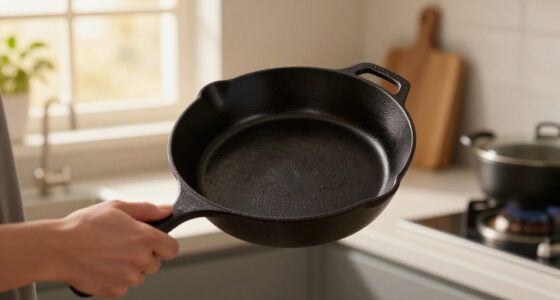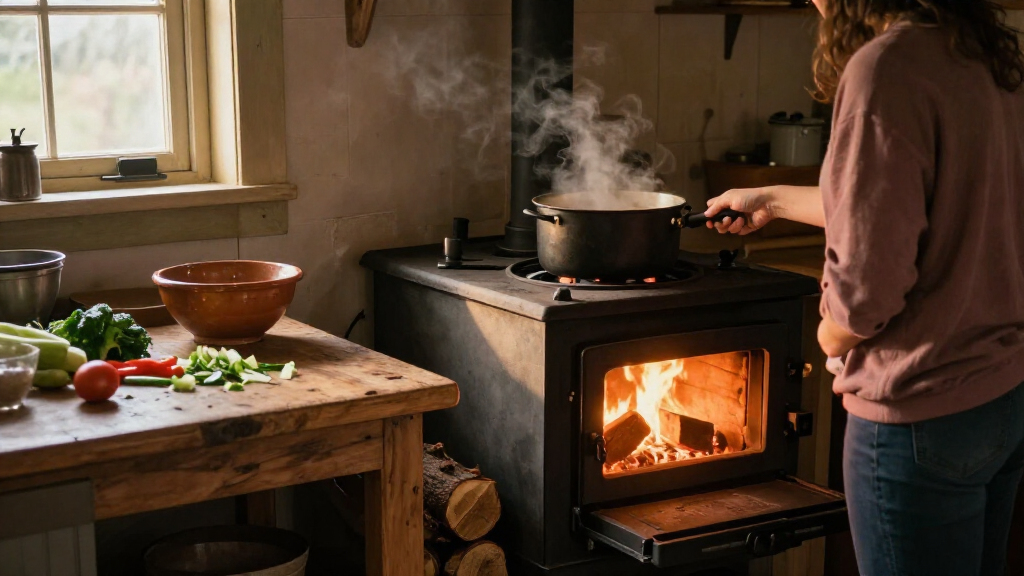

Wood-burning cook stoves range from portable camp models to heavy indoor stoves with ovens, so the best choice depends on where you plan to cook and how much heat you need. My best overall pick is the Stepnext Archway 2300 for its cast-iron construction and built-in oven, while the Giantex Portable Stove stands out for tent camping and flexible cooking positions. For a compact outdoor setup, the Smokehouse Moto offers a different, portable smokeless-style design. The main tradeoff is between portability and cooking capacity: larger stoves can offer more usable cooking space, but they are harder to move and may require a fixed installation. Read on for the full breakdown and a guide to matching a stove to your space, fuel, and cooking plans.

Get kitchen gear delivered free with Prime
- Fast, free delivery on millions of items
- Prime Video, Amazon Music and more included
- Member-only deals all year
Complete the kit

Key Takeaways
- The lineup splits into distinct jobs: the Stepnext Archway and other oven-equipped cast-iron options suit stationary cooking, while the Giantex, AVOFOREST, Guide Gear, and glass-sided tent stoves target camp heating and cooking.
- An oven changes what a stove can do: the Stepnext Archway, Cast Iron Cooker, and Stonehouse Forge Trailblazer offer baking potential that simple cooktops and grill racks do not.
- Portability involves more than stove weight: tent models may include chimney sections, and buyers need to plan for packing, setup, clearances, and safe venting.
- Visible fire and cooking flexibility are separate priorities: glass-sided camping models emphasize fire viewing, while the Giantex focuses on three cooking positions and the rocket stove on a grill rack.
- Indoor suitability cannot be inferred from a cooking function alone: buyers considering the SofaHills or other indoor-style models need to confirm installation requirements, clearances, and local rules before purchase.


| wood burning cook stove | Material | Dimensions | Weight | Fuel type |
|---|---|---|---|---|
| Smokehouse Moto Portable Smoke | — | 14.75 × 10 × 14.75 in | 10 lb | Wood |
| Giantex Portable Wood Burning | SPCC steel and stainless steel | 21.5 × 14 × 17.5 in | 15 lb | Charcoal and wood |
| AVOFOREST Hot Tent Wood Burnin | Cast iron | 17.8 × 11 × 9.73 in | 6.96 kg | Wood |
| Stepnext Archway 2300 Cast Iro | Cast iron | 25.2 H × 31.5 W × 18.9 L in | 92.6 lb | — |
| Cast Iron Cooker Stove with Bu | Cast iron | — | — | — |
| SofaHills Indoor Wood-Burning | Heavy-duty iron | 22.4 × 14.5 × 14.5 in (57 × 37 × 37 cm) | — | — |
| Stonehouse Forge Trailblazer W | Alloy steel | 25 × 16 × 14 inches | 50 pounds | — |
| Comfort Glow Cast Iron Wood St | Cast iron | — | — | — |
| Guide Gear Outdoor Wood Burnin | Metal; galvanized steel firebox | 20 × 11 × 13 inches | 42.4 pounds | Wood |
| Camping Wood Stove with 3-Side | Stainless steel (specification); description also states carbon steel | 20.8 × 15.7 × 13.7 inches | 20 pounds | Wood |
| Multifunction Portable Wood-Bu | Alloy steel | — | 26 lb | — |
| Camping Wood Stove | Stainless steel | 20.8 × 15.7 × 13.7 in | 10.14 kg | Wood |
More Details on Our Top Picks
Smokehouse Moto Portable Smokeless Wood-Fired Camping Stove
The Smokehouse Moto suits outdoor cooks who want one portable unit for grilling, griddling, boiling, and gentle simmering. Its two exchangeable burn chambers support different cooking intensities, while the adjustable fan and up to 20,000 BTU output give it more cooking flexibility than the AVOFOREST hot tent stove, which is framed more around tent heating and has a chimney system. At 10 pounds, the Moto is lighter than the Giantex, though it is still a substantial item to carry rather than an ultralight backpacking stove. Its rechargeable battery adds a powered component to an otherwise wood-fueled setup, and it needs wood at the cooking site. I’d choose it for varied camp meals, not as a fixed indoor cooker or a stove for buyers who want to avoid battery charging.
Pros:- Two exchangeable burn chambers allow both high-power cooking and gentler simmering.
- Handles grilling, griddling, boiling water, and outdoor heating.
- Up to 20,000 BTU output and stated thermal efficiency above 50%.
- At 10 pounds, it is lighter than the 15-pound Giantex stove.
Cons:- Requires a supply of wood, which may be inconvenient where collection or storage is restricted.
- The 10-pound weight and 14.75-inch dimensions are not suited to ultralight travel.
- The internal rechargeable battery adds a charging task to the wood-fired setup.
Best for: Camp cooks who want one portable wood-fired stove for several cooking styles and can carry a 10-pound unit.
Not ideal for: Ultralight backpackers and buyers who want a simple stove with no rechargeable component or need for gathered wood.
- Fuel type:Wood
- Maximum output:20,000 BTU
- Thermal efficiency:Over 50%
- Dimensions:14.75 × 10 × 14.75 in
- Weight:10 lb
- Burn chambers:Two exchangeable chambers
- Battery:Internal rechargeable battery
- Warranty:1 year
Our verdict“Choose the Smokehouse Moto for flexible camp cooking across several heat levels, but skip it if low carry weight or a battery-free setup matters most.”
Giantex Portable Wood Burning Stove, Hot Tent Stove w/ 3 Cooking Positions
The Giantex is the most clearly organized cooking station in this group: its pot rack, countertop, and bottom oven pan give different parts of a meal distinct places to cook or warm. Foldable side grills add surface area, and the glass-ceramic window lets cooks check the fire without repeatedly opening the stove. Compared with the Smokehouse Moto, it offers a more structured layout for several foods at once, but the Moto is lighter and lists a higher explicit output figure. The Giantex weighs 15 pounds and measures 21.5 inches long, so “portable” here means suitable for a vehicle-based camp, RV, or hot tent—not a comfortable choice for long backpacking carries. It burns wood or charcoal, which adds fuel flexibility, but its multiple cooking zones call for more space than a compact single-unit setup.
Pros:- Three distinct cooking positions support different foods and tasks at once.
- Foldable side grills provide additional cooking surface.
- Glass-ceramic viewing window helps monitor the fire.
- Accepts both wood and charcoal.
Cons:- At 15 pounds, it is too heavy for many backpacking trips.
- Its 21.5-inch length needs more packing and setup space than the Smokehouse Moto.
- The multiple cooking zones may be unnecessary for buyers who only need a compact burner.
Best for: Car campers, RV travelers, and hot-tent users who want separate surfaces for cooking different parts of a meal.
Not ideal for: Backpackers prioritizing low weight or cooks with limited space for a 21.5-inch-long stove.
- Fuel type:Charcoal and wood
- Dimensions:21.5 × 14 × 17.5 in
- Weight:15 lb
- Material:SPCC steel and stainless steel
- Cooking positions:Three: pot rack, countertop, and bottom oven pan
- Side grills:Two foldable side grills
- Fire viewing:Heat-resistant glass-ceramic window
- Air control:Adjustable air vent
Our verdict“Pick the Giantex for vehicle-supported camps where a multi-zone cooking layout matters more than minimizing size and weight.”
AVOFOREST Hot Tent Wood Burning Stove with 7 Stainless Chimney Pipes
The AVOFOREST is the tent-focused choice here: its seven-section stainless chimney can be assembled to suit the setup, and the adjustable damper and viewing window help manage and monitor the fire. That makes it a different proposition from the Smokehouse Moto, which emphasizes portable cooking functions and states a maximum output, rather than a tent chimney package. AVOFOREST includes tongs, an ash brush, gloves, and a drain screen, useful extras for handling the fire and cleanup. The tradeoff is its cast-iron body and roughly 6.96-kilogram weight, which limit how appealing it is for a carry-in camp. It also needs a thorough initial outdoor burn before use. I’d pick it for campers who need a wood-fired tent stove that can also cook, not for anyone seeking a lightweight dedicated cooker.
Pros:- Seven-section stainless chimney can be assembled to the required height.
- Adjustable damper and heat-resistant silicone glass window aid fire control and monitoring.
- Cast-iron body is suited to rugged outdoor use.
- Includes tongs, an ash brush, gloves, and a drain screen.
Cons:- At 6.96 kg, it is heavier than the Smokehouse Moto and less suitable for long carries.
- Requires a thorough outdoor burn before first use.
- Its heating-and-tent focus makes it less clearly tailored to varied cooking than the Giantex.
Best for: Hot-tent campers who need a wood-burning heater with basic cooking capability and want a sectional chimney plus fire-handling accessories.
Not ideal for: Backpackers and cooks seeking a lightweight, cooking-first stove without a first-use outdoor burn.
- Fuel type:Wood
- Dimensions:17.8 × 11 × 9.73 in
- Weight:6.96 kg
- Material:Cast iron
- Chimney:Seven detachable stainless steel sections
- Fire window:Flame-retardant silicone glass
- Fire control:Adjustable damper
- Included accessories:Tongs, ash brush, gloves, and drain screen
Our verdict“Choose the AVOFOREST for a hot-tent setup that needs a chimney-equipped heater with cooking utility, rather than a lightweight camp cooker.”
Stepnext Archway 2300 Cast Iron Wood-Burning Stove with Oven
The Archway 2300 is the strongest fit for a permanent indoor setup among these five: it pairs a brick-lined firebox with an oven and is rated to heat spaces up to 1,000 square feet. That separates it from the Cast Iron Cooker Stove with Built-In Oven, whose supplied details emphasize cooking but do not present it as a home-heating stove. A 15.7-inch cooking width gives the Archway room for stovetop use alongside the oven, while its 92.6-pound cast-iron body signals a stationary installation, not a portable camp option. Buyers also need to plan for flue hardware because stove pipes are not included, and the flue size may require an adapter for conversion. I’d shortlist it for a cabin or other suitable indoor space where heating and cooking belong in one appliance.
Pros:- Combines indoor heating with stovetop and oven cooking.
- Rated for spaces up to 1,000 square feet.
- Brick-lined fireplace area and cast-iron construction.
- 15.7-inch cooking width provides a usable stovetop surface.
Cons:- At 92.6 pounds, it is difficult to move and is not a portable cooking stove.
- Stove pipes are not included, adding a separate installation requirement.
- The flue may need an adapter to convert from 5.1 to 5.9 inches.
Best for: Cabin or home owners seeking a freestanding wood stove that provides indoor heat and includes an oven for cooking.
Not ideal for: Campers, renters, and buyers who need a portable cooker or expect stove pipes to come with the unit.
- Fuel:Wood
- Heating coverage:Up to 1,000 sq ft
- Dimensions:25.2 H × 31.5 W × 18.9 L in
- Weight:92.6 lb
- Material:Cast iron
- Flue diameter:5.1 in; convertible to 5.9 in with adapter
- Cooking width:15.7 in
- Installation:Freestanding; stove pipes not included
Our verdict“Choose the Archway 2300 for a stationary indoor installation where you want both room heating and oven cooking in one wood stove.”
Cast Iron Cooker Stove with Built-In Oven
This freestanding cooker is aimed at buyers who want wood-fired oven cooking and a heat-retaining stovetop in a cabin, cottage, or rustic kitchen. Its built-in oven supports baking, roasting, reheating, and slow cooking; the top can handle simmering or keep food warm. Compared with the Stepnext Archway 2300, this model is presented more narrowly as a cooking appliance: the Archway has stated heating coverage and a specified flue diameter, while this cooker’s supplied details provide neither. That makes the Archway the clearer choice if room heating is part of the plan. The cast-iron construction should retain heat, but it also makes relocation harder, and the listing describes ventilation as vent-free without giving chimney or flue details. I’d verify installation and ventilation needs before treating it as a ready-to-install indoor stove.
Pros:- Built-in oven supports baking, roasting, reheating, and slow cooking.
- Cast-iron construction retains heat for cooking.
- Top surface supports simmering, boiling, and keeping food warm.
- Freestanding design suits cabin and cottage kitchens.
Cons:- Heavy cast iron can make positioning or later relocation difficult.
- The supplied information does not give a heating coverage figure.
- Flue details are not specified, so installation and ventilation requirements need clarification.
Best for: Owners of rustic kitchens or cottages who want a freestanding cast-iron wood cooker with an oven and stovetop.
Not ideal for: Buyers who need a documented home-heating capacity, specified flue requirements, or an easily movable appliance.
- Material:Cast iron
- Finish:Polished
- Color:Brown
- Shape:Rectangular
- Installation type:Freestanding
- Power source:Manual
- Ventilation type:Listed as vent-free
- Specific use:Indoor cooking
Our verdict“Choose this cooker for oven-led wood-fired cooking in a rustic indoor kitchen, but favor the Archway if you also need documented room-heating capacity.”
SofaHills Indoor Wood-Burning Stove with Cooking Function, 22.4 × 14.5 × 14.5 in
The SofaHills suits buyers who want a compact stove for both warmth and simple camp-style cooking, with a useful difference from the wood-only Comfort Glow: it lists firewood, coal, biomass pellets, and dry branches as compatible fuels. Its viewing window helps monitor the fire, while the ash collection system makes cleanup more manageable. Heating, grilling, and boiling cover practical basics, but the listing gives no heating-area or oven-capacity figures, so I would not choose it for a defined room-heating load or baking. Its welded airtight design is another point in its favor, but the body and chimney become extremely hot during use. Compared with the more cooking-focused Stonehouse Forge Trailblazer, this is the simpler, smaller-footprint option, not the one for baking or multi-zone cooking.
Pros:- Supports heating, grilling, and boiling in one compact unit.
- Lists firewood, coal, biomass pellets, and dry branches as compatible fuels.
- Viewing window helps users check the fire without opening the stove.
- Ash collection system supports easier cleanup.
Cons:- The stove body and chimney become extremely hot during use, requiring careful placement and handling.
- No heating-area or cooking-capacity figures are provided.
- Shipping may arrive in two or three separate packages.
Best for: Cabin and campsite owners who want a compact stove for basic heating and cooking, plus the flexibility to use several listed fuel types.
Not ideal for: Buyers seeking an oven, quantified room-heating capacity, or a stove with cool-to-touch surfaces during operation.
- Brand:SofaHills
- Material:Heavy-duty iron
- Compatible fuels:Firewood, coal, biomass pellets, dry branches
- Dimensions:22.4 × 14.5 × 14.5 in (57 × 37 × 37 cm)
- Functions:Heating, grilling, boiling
- Package options:Basic, standard, and premium sets
Our verdict“Choose the SofaHills if fuel flexibility and compact heating-plus-cooking matter more than an oven or documented heating capacity.”
Stonehouse Forge Trailblazer Wood-Fired Cookstove with Oven
The Stonehouse Forge Trailblazer earns its place for cooks who need more than a pot-supporting stovetop: its oven fits a standard 13 × 9-inch pan, and the two-zone top, removable rings, and reversible grill/griddle expand the menu further. That makes it a stronger cooking choice than the simpler Guide Gear outdoor stove, which offers a top platform but no listed oven. Folding legs and packable pipe sections help with transport to a cabin or campsite, though at 50 pounds it is better described as portable between vehicles and camp setups than easy to carry far. Adjustable airflow and a flue damper give users ways to manage the burn. For indoor use, proper venting, heat protection, and carbon-monoxide awareness are required; the short warranty is another limitation.
Pros:- Oven accommodates a standard 13 × 9-inch pan.
- Two-zone stovetop, removable rings, and reversible grill/griddle support varied cooking.
- Folding legs and packable pipe sections help with transport and storage.
- Adjustable air slider and flue damper offer burn-control options.
Cons:- At 50 pounds, it is burdensome to carry over distance.
- Indoor operation requires proper venting, heat protection, and carbon-monoxide precautions.
- The listed manufacturer warranty is only 90 days.
Best for: Car campers and cabin cooks who want to bake, grill, and use multiple stovetop zones on a wood-fueled stove.
Not ideal for: Backpackers or frequent long-distance porters, and anyone seeking an indoor stove without installing appropriate venting and heat protection.
- Brand:Stonehouse Forge
- Model:SF-TB-OVENSTOVE
- Fuel:Wood; compatible with wood, charcoal, or coal
- Material:Alloy steel
- Weight:50 pounds
- Dimensions:25 × 16 × 14 inches
- Oven capacity:Fits a standard 13 × 9-inch pan
- Warranty:90-day manufacturer warranty
Our verdict“Pick the Trailblazer if camp baking and flexible cooking surfaces justify carrying a heavier stove and managing its venting requirements.”
Comfort Glow Cast Iron Wood Stove
Unlike the portable camp-oriented Guide Gear and SENQI stoves, the Comfort Glow CGWS900 is the indoor-heating pick in this group, with an EPA certification and a stated heating range of up to 900 sq. ft. Its cast-iron construction and capacity for logs up to 22 inches make it better suited to regular home or cabin use than quick outdoor cooking setups. The integrated cooking surface adds useful backup meal-making capability, but this is not an oven-equipped cookstove like the Stonehouse Forge Trailblazer. A two-piece spring handle is designed to stay cooler to the touch, though it does not remove the need for safe operation around a hot stove. The main commitment is installation: it requires an indoor flue, so this is not a portable option for a tent or campsite.
Pros:- EPA-certified design is specified for indoor wood-stove use.
- Rated to heat spaces up to 900 sq. ft.
- Accommodates logs up to 22 inches, reducing the need to cut shorter pieces.
- Cast iron provides heat retention, and the integrated top adds cooking utility.
Cons:- Requires indoor flue installation and a suitable permanent setup.
- The cooking surface does not provide the baking capacity of the Stonehouse Forge Trailblazer.
- Its indoor-heating focus makes it unsuitable for portable camping use.
Best for: Homeowners or cabin users who need a vented wood stove for heating a space up to 900 sq. ft. and want a basic cooking surface.
Not ideal for: Campers, renters, or buyers who want a portable stove, an included oven, or a unit that needs no indoor flue installation.
- Brand:Comfort Glow
- Manufacturer:United States Stove Company
- Model:CGWS900
- Material:Cast iron
- Heating area:Up to 900 sq. ft.
- Maximum log length:22 inches
- Flue collar:6 inches
- Certification:EPA certified
- Warranty:2-year manufacturer’s warranty
Our verdict“Choose the Comfort Glow for a permanently vented home or cabin setup where room heating matters more than portability or oven cooking.”
Guide Gear Outdoor Wood Burning Stove Portable with Chimney Pipe for Cooking and Camping
The Guide Gear outdoor stove keeps its proposition straightforward: a wood-fired firebox, a top platform for pots and pans, and detachable legs that fold into the body for transport. Compared with the more elaborate Stonehouse Forge Trailblazer, it gives up the oven, griddle, and adjustable cooking zones in favor of a simpler outdoor setup. Its direct-vent design and included chimney pipe support campsite use, while the cast-iron front door has air vents for controlling airflow. The tradeoff is weight: at 42.4 pounds, it is far easier to move in a vehicle than to carry any distance. The product data also does not specify heating capacity or oven functions, so I would treat it as a basic camp cooking and heat source, not a full-featured cookstove for indoor installation.
Pros:- Top platform supports pots and pans for straightforward outdoor cooking.
- Detachable legs fold into the stove to aid transport and storage.
- Cast-iron front door includes air vents.
- Direct-vent layout and chimney pipe suit outdoor campsite use.
Cons:- At 42.4 pounds, it is cumbersome for frequent or long-distance carrying.
- No oven or specialized grilling surface is listed, unlike the Stonehouse Forge Trailblazer.
- No heating-area or cooking-capacity figures are provided.
Best for: Car campers and backyard users who want a basic wood-fired pot platform with a portable, detachable-leg design.
Not ideal for: Hikers who must carry their stove far, or cooks who need an oven, griddle, or specified room-heating performance.
- Brand:Guide Gear
- Dimensions:20 × 11 × 13 inches
- Weight:42.4 pounds
- Material:Metal; galvanized steel firebox
- Color:Black
- Fuel type:Wood
- Ventilation type:Direct vent
- Mounting type:Freestanding
Our verdict“Pick the Guide Gear for vehicle-accessible campsites where simple pot cooking matters more than low weight or oven versatility.”
Camping Wood Stove with 3-Sided Fire Viewing Glass – Portable Hot Tent Stove for Camping, Hunting, Ice Fishing, Cooking & Shelter
At 20 pounds, the SENQI is the easiest option in this batch to move between a vehicle and a hot-tent campsite; the Guide Gear weighs more than twice as much, and the oven-equipped Stonehouse Forge adds still more bulk. Foldable legs and a detachable chimney support compact storage and quick setup, while the three-sided viewing glass lets users watch the fire without opening the door. Its broad top provides a practical surface for pots, pans, and kettles, but it is not a substitute for the Trailblazer’s oven or varied cooking inserts. The description calls out rust-resistant carbon steel, while the supplied material spec says stainless steel, so buyers should verify the exact construction with the seller. The glass can break if mishandled, and its 20-pound weight still favors car camping over long hikes.
Pros:- At 20 pounds, it is substantially lighter than the Guide Gear and Stonehouse Forge models.
- Three-sided viewing glass allows fire monitoring without opening the door.
- Foldable legs and detachable chimney support compact storage and setup.
- Spacious top accommodates pots, pans, and kettles.
Cons:- The glass is vulnerable to breakage if mishandled.
- At 20 pounds, it may still be too heavy for long hikes.
- Supplied material details conflict, listing both rust-resistant carbon steel and stainless steel.
Best for: Hot-tent campers, hunters, and ice fishers who want a relatively light stove with a visible fire and a basic cooking top.
Not ideal for: Long-distance backpackers seeking minimal carry weight, or cooks who need an oven and robust multi-surface cooking options.
- Fuel type:Wood
- Power source:Wood
- Dimensions:20.8 × 15.7 × 13.7 inches
- Weight:20 pounds
- Material:Stainless steel (specification); description also states carbon steel
- Viewing glass:Three-sided fire-viewing glass
- Legs:Foldable
- Chimney:Detachable
Our verdict“Choose the SENQI for hot-tent trips where lower carry weight and fire visibility matter more than baking capacity or glass durability.”
Multifunction Portable Wood-Burning Rocket Stove with Grill Rack
This rocket stove is the more cooking-focused pick for outdoor use: its 15-inch stainless steel grill grate handles direct grilling, while three adjustable wok rings support cookware from 11 to 18 inches. That range gives it more flexibility for mixed group meals than the SENQI camping stove, whose appeal leans toward tent heating and fire viewing. It also burns wood, charcoal, branches, and other natural fuels, which can help when one fuel source is inconvenient.
The tradeoff is that versatility comes with bulk. At 26 lb, it is better suited to a vehicle-based camp kitchen than a long carry, even though it folds down for storage. Its hot surfaces call for gloves, and the chimney edges may be sharp, so setup and handling need care. Choose it for varied outdoor cooking; skip it if compact weight or tent warmth matters more.
Pros:- Burns wood, charcoal, branches, and other natural fuels.
- Includes a 15-inch stainless steel grill grate and three adjustable wok rings.
- Supports cookware from 11 to 18 inches for varied meal preparation.
- Disassembles to a shorter 19 × 19 × 11-inch form for storage and transport.
Cons:- At 26 lb, it is heavy for carrying far from a vehicle.
- Hot surfaces require gloves during use.
- Chimney edges may be sharp and need careful handling.
Best for: Car campers and outdoor cooks who want to switch between grilling and using medium-to-large cookware over several natural fuel types.
Not ideal for: Backpackers or campers who need a light, quick-carry stove, or buyers seeking a tent-heating stove rather than an outdoor cooking station.
- Material:Alloy steel
- Fuel types:Wood, charcoal, branches, and other natural fuels
- Stove plate thickness:2.2 mm
- Assembled dimensions:19 × 19 × 20 in
- Disassembled dimensions:19 × 19 × 11 in
- Weight:26 lb
- Included cooking accessories:15-inch stainless steel grill grate and 3 adjustable wok rings
- Supported cookware size:11–18 in
- Included components:Stove, 3 grates, fire tongs, fire hook, and fire shovel
Our verdict“Choose this stove if cooking flexibility and multiple fuel options matter more than carrying weight or tent-heating features.”
Camping Wood Stove – Wood Burning Tent Stove with 3-Sided Fire Viewing Glass – Portable Hot Tent Stove for Camping, Hunting, Ice Fishing, Cooking & Shelter
The SENQI combines a cooking surface with the tent-stove features missing from the Multifunction Portable Rocket Stove: three heat-resistant glass windows make it easier to monitor the fire, and its spacious top can heat cookware, boil water, or handle simple meals. Its foldable legs allow tool-free setup, a practical advantage when assembling camp gear. Stainless steel construction is specified as rust- and corrosion-resistant, supporting use in varied outdoor settings.
This is a wood-only stove, so it lacks the rocket stove’s flexibility with charcoal and other natural fuels, and it does not include the same dedicated grill grate and wok-ring combination. At 10.14 kg, it is still a substantial load for a portable camping stove. The glass can break and may need replacement, making it a less carefree choice for rough handling. It makes more sense for hot-tent campers than cooks seeking a purpose-built grilling station.
Pros:- Three-sided heat-resistant glass provides views of the fire from several angles.
- Foldable legs support quick, tool-free setup and compact transport.
- Stainless steel construction is specified to resist rust and corrosion.
- Spacious stovetop accommodates cookware for heating, boiling, and simple meals.
Cons:- Weighs 10.14 kg, which can be a burden on longer carries.
- Glass windows can break and may require replacement.
- Burns wood only and lacks the rocket stove’s included grill grate and adjustable wok rings.
Best for: Hot-tent campers, hunters, and ice-fishing campers who want a wood stove for warmth, fire monitoring, and simple stovetop meals.
Not ideal for: Backpackers who need a lightweight stove, or outdoor cooks who want multiple fuel options and included grilling accessories.
- Brand:SENQI
- Material:Stainless steel
- Fuel type:Wood
- Dimensions:20.8 × 15.7 × 13.7 in
- Weight:10.14 kg
- Side glass window size:10.24 × 3.54 in
- Front glass window size:3.94 × 3.94 in
- Maximum log length:13.78 in
Our verdict“Pick the SENQI for hot-tent use and visible fire monitoring, but choose the rocket stove for more varied outdoor cooking and fuel options.”
How We Picked
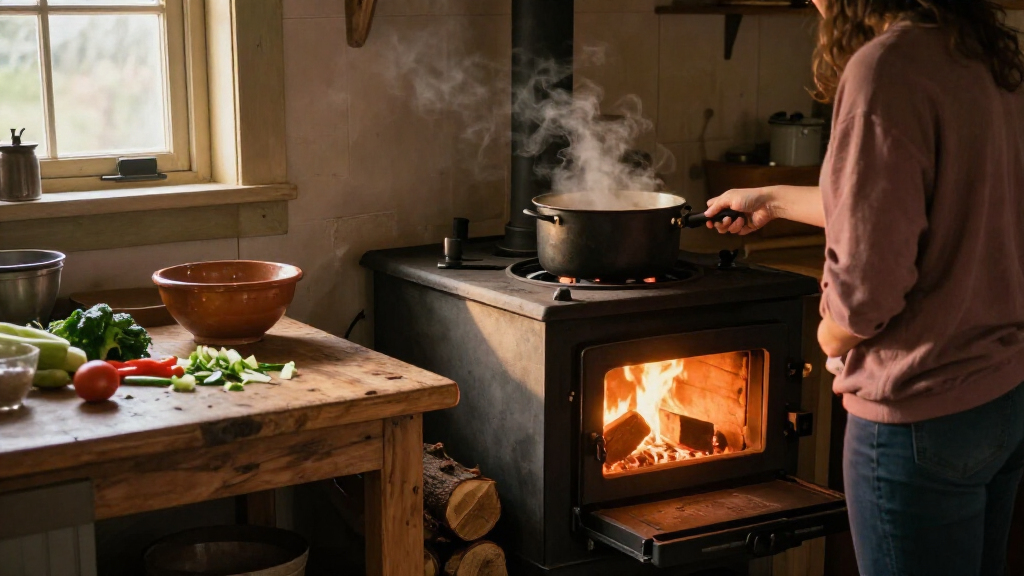
I compared the 12 listed products by their intended setting and the work they can realistically support: indoor cooking, tent use, outdoor meal preparation, or a portable fire-and-grill setup. I prioritized cooking versatility, useful design details such as ovens or multiple cooking positions, and whether the product description points to a clear use case rather than a vague all-purpose claim. I also weighed portability, chimney or venting needs, apparent build type, and the practical effort involved in setup and upkeep.
The order favors stoves with a clearer balance of cooking function and defined use. The Stepnext Archway 2300 leads because its cast-iron build and oven make it a strong stationary cooking candidate; the Giantex ranks highly for its adaptable tent-cooking layout. Portable models follow where mobility or specialized features matter more than oven capacity. Similar glass-sided camping models are grouped toward the end because their descriptions overlap, and buyers should compare dimensions and included parts carefully. Product descriptions do not establish certifications, emissions performance, or suitability for a particular building, so those details need verification before buying.
Factors to Consider When Choosing Wood Burning Cook Stoves
Before choosing a stove, decide what job it must do on an ordinary day, not only what you might want it to do occasionally. Cooking surface, installation, and portability each shape the rest of the decision, and a mismatch can make even a feature-rich model inconvenient.
Match the stove to its setting
Start by separating indoor appliances from outdoor and tent stoves; a cooking feature does not make a camp stove appropriate for a home. Indoor installation brings questions about flue connection, floor protection, clearances, ventilation, and local code that portable models may not address. Tent stoves need a compatible chimney route and safe clearance from fabric, bedding, and gear. A common mistake is buying based on the cooking surface first and checking the venting plan later. Sketch the intended location and chimney path before comparing models. If the manufacturer does not clearly state the intended setting and installation requirements, ask before purchase rather than guessing.
Choose a cooktop, oven, or grill for your meals
A flat cooktop suits pots and pans, while an integrated oven supports baking and enclosed roasting; a grill rack is better for direct-heat foods. These functions are not interchangeable, and more components can also add bulk and cleanup. Think through the meals you actually make: frequent baking gives an oven real value, while boiling water or heating a skillet may not justify its size. Check how cookware sits on the surface and whether the cooking area can accommodate the pans you own. Buyers sometimes focus on the word “multifunction” without checking which functions are usable at the same time. Prioritize a well-matched primary cooking method over a longer feature list.
Treat portability as a full-system question
A portable stove is only as convenient as the whole kit you must carry and assemble. Count chimney sections, supports, cooking parts, and any carrying case or protective pieces, then consider how the stove will fit your vehicle or storage space. A compact body may still take time to set up if its venting system has several parts. For regular tent trips, simple assembly and a predictable packing routine can matter more than a small difference in stove dimensions. For a base camp, more cooking capacity may be worth the extra load. Confirm what is included and what must be sourced separately before planning a trip around the product.
Check fuel, fire control, and cooking rhythm
Wood stoves ask the cook to manage a live fire, so fuel size, airflow control, and heat response affect everyday usability. Smaller fireboxes may call for more frequent tending, while a larger cooking load can need a steadier fire over time. Ask what wood dimensions the firebox accepts and whether the controls let you adjust airflow in a practical way. New users can misjudge how quickly cookware heats over an open wood fire; allow time to learn the stove before relying on it for a timed meal. Use dry, suitable wood and follow the maker’s instructions for starting and maintaining the fire. A stove that fits your fuel supply and cooking pace is often easier to live with than one chosen for maximum heat alone.
Look beyond material labels to maintenance
Cast iron, steel, and stainless components each have different care needs, but material alone does not tell the whole durability story. Construction, joints, finish, exposure to moisture, and how the stove is stored all affect long-term condition. Ask whether cooking surfaces, glass, chimney parts, and seals are replaceable or supported with spare parts. Ash removal and soot buildup are routine tasks, so check whether access points make cleaning manageable. Outdoor and tent stoves may face rain, transport knocks, and repeated assembly, while indoor units require regular attention to the flue and surrounding area. Pay more for features or construction that suit your actual frequency of use, not simply for a heavier or more elaborate design.
Verify safety and installation details before buying
Wood-burning appliances involve fire, hot surfaces, smoke, and carbon monoxide risks, so product naming is not a substitute for safety documentation. Confirm applicable certification, manufacturer clearances, chimney compatibility, and installation instructions for the exact model and intended setting. Indoor buyers should check local building and fire requirements and consult a qualified installer where required. Tent users need a suitable stove jack, stable placement, and careful separation from combustible materials; never assume a chimney pipe alone makes a setup safe. Keep smoke and carbon monoxide alarms where appropriate, and follow the manufacturer’s operating guidance. If essential safety specifications are missing, treat that gap as a reason to pause rather than improvise.
Frequently Asked Questions
Can I use a portable tent stove inside my home?
Do not assume a tent stove is approved for indoor home use. Portable camp models are designed around a different setup and may lack the documentation, clearances, or installation features required for a residential appliance. Indoor use needs a suitable chimney connection, safe clearances, floor protection, and compliance with local rules. Check the exact manufacturer instructions and product certification, not just the presence of a chimney pipe. If the intended use is home heating or cooking, select a model specifically documented for that setting and consult a qualified installer.
Is an oven worth choosing over a basic cooktop?
An oven makes sense if you plan to bake, roast, or cook enclosed dishes often enough to justify a larger and more involved stove. For simple meals based on a pot, pan, or kettle, a cooktop may be easier to move, clean, and manage. Wood-fired oven temperatures can take practice to control, so buyers should be comfortable tending the fire rather than expecting the same precision as a conventional oven. Compare usable oven dimensions with the dishes you already own. If baking is only an occasional possibility, prioritize the stove’s main cooking surface and setting instead.
What should I check before taking a wood stove on a camping trip?
Check the packed size and full kit, including chimney sections and any cooking attachments, rather than judging portability by the stove body alone. Confirm the stove is intended for your shelter and that the tent has a compatible stove jack and enough space for safe clearances. Read the setup and burn-in instructions before leaving, and practice assembly outdoors where you can identify missing parts. Plan for dry fuel, ash handling, and a stable surface. A portable stove still needs careful fire management and should never be treated as a set-and-forget heater.
How do I know whether a wood-burning stove is suitable for indoor installation?
Look for explicit manufacturer documentation naming the model’s approved use and providing installation guidance for indoor operation. Verify the required chimney or flue, clearances to combustible materials, floor protection, and any certification relevant to your location. Local building and fire rules can vary, so a listing description alone cannot confirm compliance. Ask the manufacturer or a qualified installer about missing specifications before buying. If the product information only describes camping, tent, or outdoor use, do not treat it as an indoor appliance.
Should I choose a glass-sided camp stove or one with multiple cooking positions?
Choose based on which benefit will improve your regular use: glass sides make the fire visible, while multiple cooking positions can give you more ways to place cookware. Fire viewing is a comfort and monitoring feature, but it does not by itself tell you how much cooking space the stove provides. A multi-position design may be more useful when you regularly cook with different pots or need flexibility at camp. Check dimensions, included accessories, and the maker’s care instructions for glass or cooking surfaces. If both features sound appealing, confirm that the specific model’s size and setup suit your shelter and meal plans.
Conclusion
For a stationary cook who wants cast-iron construction and an oven, my best overall pick is the Stepnext Archway 2300. The Giantex is my best value-style choice for flexible tent cooking, while the Stonehouse Forge Trailblazer is my premium-style option for buyers drawn to a wood-fired cookstove with an oven; verify its specifications and support before committing. Beginners who want a portable camp setup should start with a clearly documented model such as the Guide Gear, then confirm the chimney kit and operating instructions. For a compact outdoor option, consider the Smokehouse Moto; for a fire-viewing priority, compare the two similar three-sided-glass listings closely. The right choice comes down to setting first, then cooking method, then portability—especially since the product descriptions alone cannot confirm installation suitability or safety certification.