TL;DR

Get kitchen gear delivered free — and shop member deals
- Fast, free delivery on millions of items
- Access to Prime Big Deal Days deals on October 6–7
- Prime Video, Amazon Music and more included
Rocket stoves use small amounts of fuel efficiently, thanks to their insulated design. Proper technique and fuel choices make them ideal for sustainable, off-grid cooking, reducing smoke and saving resources.
A well-designed rocket stove can reach up to 90% efficiency, cutting fuel use in half compared to open fires.
Use small, dry, renewable fuels like twigs or pine needles for best results and sustainability.
Building a simple rocket stove with bricks or cans takes less than an hour and dramatically improves your cooking efficiency.
Recent innovations include durable materials and hybrid designs that expand versatility and longevity.
Always prioritize ventilation and safety precautions when cooking indoors or in enclosed spaces.
How Rocket Stoves Maximize Heat and Save Fuel
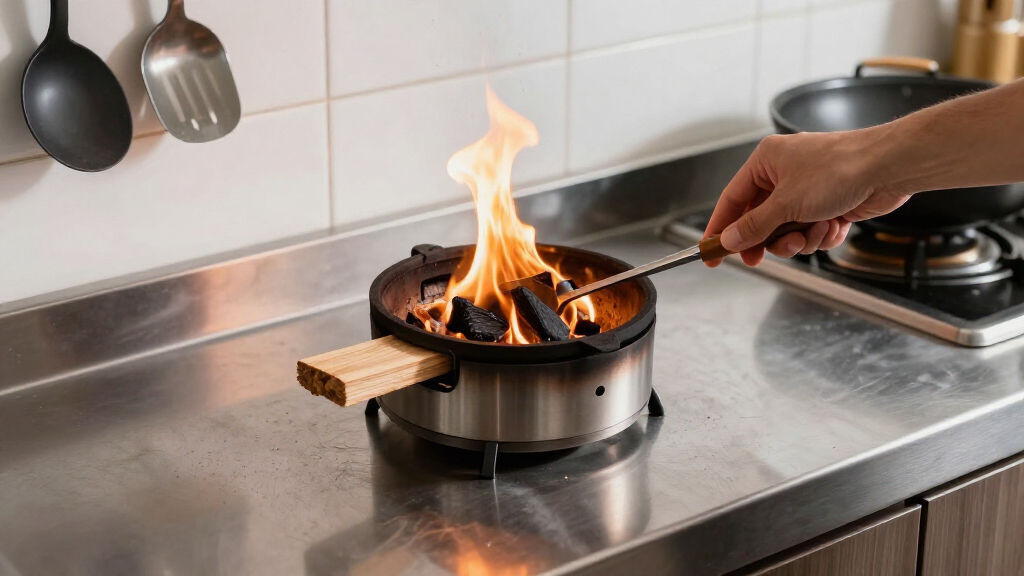
Rocket stoves are insulated combustion devices that focus heat where you need it—on your pot or pan. They feature a vertical chamber with thick insulation, making the fire burn hotter and cleaner. You get 80-90% efficiency, meaning less fuel wasted and more consistent cooking. For example, a typical open fire might take an hour to boil water, while a rocket stove does it in about 30 minutes, using half the wood.
This efficiency stems from their design: a tall, insulated chimney draws in air, creating a steady, hot flame. The complete combustion reduces smoke and particulate emissions, making it safer indoors and better for the environment. Think of it like a chimney on a rocket: directing airflow optimizes burn and heat transfer.
Understanding these core principles reveals why rocket stoves are so effective. The insulation traps heat within the combustion chamber, preventing heat loss and maintaining high temperatures with less fuel. The chimney design ensures a continuous airflow, which sustains complete combustion — a crucial factor that reduces smoke and increases efficiency. However, tradeoffs include the need for proper insulation and materials that can withstand high temperatures, which can increase initial costs or complexity. Still, the benefits of reduced fuel use and cleaner emissions often outweigh these challenges, especially in off-grid settings where resources are limited.
rocket stove kit for off-grid cooking
As an affiliate, we earn on qualifying purchases.
As an affiliate, we earn on qualifying purchases.
Choosing the Best Fuel for Your Rocket Stove
Rocket stoves thrive on small-diameter wood, twigs, and biomass. These materials burn quickly and hot, making the most of the stove’s insulation. For instance, collecting dry pine needles or thin branches from your yard can fuel a day’s cooking. Avoid green or wet wood—it’s like trying to light soggy paper; it smokes, smolders, and wastes fuel.
Choosing the right fuel isn’t just about availability; it directly impacts efficiency and emissions. Dry, small-diameter fuels ignite faster and burn more completely, ensuring maximum heat with minimal smoke. Using green or damp wood introduces moisture that absorbs heat during evaporation, lowering combustion temperatures and producing excess smoke and creosote, which can clog the chimney and reduce stove lifespan. Locally sourced, renewable fuels keep your cooking sustainable and affordable. Imagine a forest cleanup turning into a fuel source—less waste, more heat. Charcoal can also work, but it’s less eco-friendly unless produced sustainably. The key is dry, small, and dense enough to ignite easily and sustain a clean, hot burn, which minimizes smoke and maximizes heat transfer. This choice affects not only the stove’s efficiency but also your health and environmental footprint, making fuel selection a critical aspect of sustainable off-grid cooking.
portable rocket stove with insulation
As an affiliate, we earn on qualifying purchases.
As an affiliate, we earn on qualifying purchases.
Building Your Own Rocket Stove: Step-by-Step Tips
- Gather durable materials—firebricks, metal cans, or clay. Think of laying a sturdy foundation for your cooking setup.
- Create a vertical combustion chamber—about 4-6 inches wide—by stacking bricks or shaping clay. This is where your fuel ignites.
- Insulate the chamber with lightweight refractory cement or ash to keep heat focused upward. Imagine wrapping a hot core in a thermal blanket.
- Attach a simple chimney—2-3 feet high—using a metal pipe or stacked bricks, to direct airflow and improve draft.
- Place your cooking surface on top—cast iron skillet, pot, or even a simple metal plate. Make sure it’s stable and directly over the combustion chamber.
Once built, feed small dry sticks into the chamber, light from the bottom, and adjust airflow for temperature control. Practice makes perfect—learning how to regulate your stove’s heat is part of the process. Over time, you’ll understand how different fuel sizes and airflow adjustments influence heat output and duration. This knowledge helps prevent overheating or undercooking, enabling more precise and efficient cooking. The tradeoff is that building your own stove requires some trial and error, patience, and safety precautions. But the payoff is a customized, cost-effective cooking solution that can significantly reduce fuel consumption and emissions.
As an affiliate, we earn on qualifying purchases.
Comparing Rocket Stoves to Traditional Fires and Gas
| Feature | Rocket Stove | Open Fire | Gas Stove |
|---|---|---|---|
| Fuel Efficiency | 80-90% | 50-60% | 85-95% |
| Fuel Use | Half of traditional fires | High, especially with green wood | Consistent, but requires gas supply |
| Smoke & Emissions | Minimal | High, smoky | Low, clean-burning |
| Indoor Safety | Safer with proper ventilation | Risk of smoke inhalation | Very safe if well maintained |
Understanding these differences matters because it influences your health, environment, and resource management. Rocket stoves’ high efficiency means less fuel is needed, which reduces deforestation and resource depletion. The minimal smoke and emissions are crucial for indoor air quality, especially in enclosed spaces where traditional open fires can pose health risks. While gas stoves offer convenience and consistent heat, they depend on external fuel sources and infrastructure, which may not be available in off-grid scenarios. The safety aspect is also critical: improper ventilation with open fires can lead to dangerous smoke buildup, whereas rocket stoves, with proper setup, can be safer and more sustainable in the long run. Recognizing these tradeoffs helps you choose the most suitable method for your specific needs, balancing convenience, safety, and environmental impact.
DIY rocket stove building materials
As an affiliate, we earn on qualifying purchases.
As an affiliate, we earn on qualifying purchases.
Latest Innovations Making Rocket Stoves Better
Recent advances focus on durability, safety, and versatility. Using refractory bricks or ceramic components extends lifespan and boosts efficiency. Portable, modular designs make them easier to deploy in emergency or outdoor settings. For example, lightweight kits can be carried into the woods or disaster zones, providing reliable heat without complex setup.
Some models combine rocket stove principles with solar cookers, creating hybrid systems that adapt to weather and fuel availability. This integration allows for more consistent cooking regardless of environmental conditions, reducing dependency on biomass alone. The modularity and adaptability of these innovations mean they can serve a range of users—from off-grid homesteaders to humanitarian aid agencies—who need reliable, low-cost cooking solutions. As technology improves, so does the potential for cleaner, safer, and more accessible cooking solutions, which can significantly impact energy consumption and health outcomes in vulnerable communities.
What You Need to Know Before You Start Cooking
Mastering rocket stove cooking isn’t just about building one. It’s about understanding fuel prep, airflow control, and safety. Practice feeding small sticks, adjusting your damper, and managing heat. For instance, a well-tuned stove can simmer stew at low heat or boil water rapidly—just like a modern kitchen range.
Always prioritize ventilation—smoke buildup can be dangerous indoors. Use your stove outdoors or in well-ventilated shelters. And remember, safety gear like gloves and eye protection help prevent burns and accidents. Developing these skills takes time, but the payoff is a reliable, efficient cooking process that minimizes fuel use and emissions. The tradeoff is that improper operation can lead to inefficient burning, increased smoke, or even dangerous flare-ups. Learning proper techniques ensures you maximize benefits while minimizing risks, turning your rocket stove into a safe, effective tool for off-grid living.
Frequently Asked Questions
How do I build a beginner-friendly rocket stove at home?
Start with basic materials like firebricks or metal cans. Follow a simple step-by-step guide: create a vertical chamber, insulate it, add a chimney, and test with dry twigs. Plenty of online tutorials can walk you through the process safely.What fuels should I avoid for my rocket stove?
Avoid green, wet, or leafy wood—these produce excessive smoke and less heat. Never use treated or painted wood, as fumes can be toxic. Stick to dry, small-diameter biomass for safe, efficient burning.Can I use a rocket stove indoors?
Yes, with proper ventilation. Always ensure good airflow to exhaust smoke outside. Never operate in airtight spaces without a chimney or exhaust system, as smoke inhalation can be dangerous.How do I control the heat during cooking?
Adjust airflow using dampers or air intakes. More air means hotter flames—less air cools the fire, ideal for simmering. Practice helps develop a feel for how your stove responds to different adjustments.Are rocket stoves suitable for large-scale cooking?
They’re mainly designed for small to medium batches—think family meals or community projects. For commercial use, larger, custom-built models are possible but require more advanced planning and materials.Conclusion
Embracing rocket stove cooking means choosing smarter fuel use and cleaner burn. With a little skill and the right materials, you gain reliable heat, save resources, and reduce your environmental footprint. It’s a simple step toward more self-reliant, eco-friendly living—one small fire at a time.Fall Picks
fall essentials
As an affiliate, we earn on qualifying purchases.