
TL;DR

Get kitchen gear delivered free — and shop member deals
- Fast, free delivery on millions of items
- Access to Prime Big Deal Days deals on October 6–7
- Prime Video, Amazon Music and more included
Achieving authentic wood-fired pizza at home requires high heat, proper dough, and a good fire. Using a dedicated oven or DIY setup, you can craft crispy, smoky pies often in less than 2 minutes—no professional kitchen needed.
If you’ve ever tasted that perfect, smoky, blistered pizza from a neighborhood pizzeria, you know it’s a flavor beyond what regular ovens can deliver. Making a wood-fired pizza at home might seem intimidating, but with the right equipment and techniques, it’s entirely doable. Whether you have a backyard or a small outdoor space, you can turn simple ingredients into a culinary masterpiece.
In this guide, you’ll learn how to set up your own wood-fired pizza station, prepare dough that stretches perfectly, and master the art of cooking at blistering high temperatures. Get ready to impress friends, satisfy cravings, and elevate your outdoor cooking game.
Achieving 800°F+ is essential for authentic, blistered wood-fired pizza.
Use high-protein flour, long fermentation, and gentle hand-stretching for the best dough.
Hardwoods like oak and hickory produce the cleanest, hottest fires with the best smoky flavor.
Preheat your steel or stone for at least 30 minutes; hot surface equals crispy crust.
Keep toppings minimal and light to prevent sogginess and ensure even charring.
Pick the Right Oven or Setup for Your Space
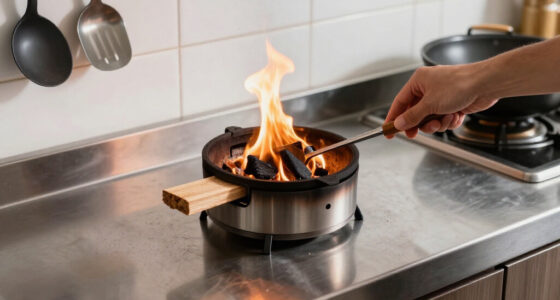
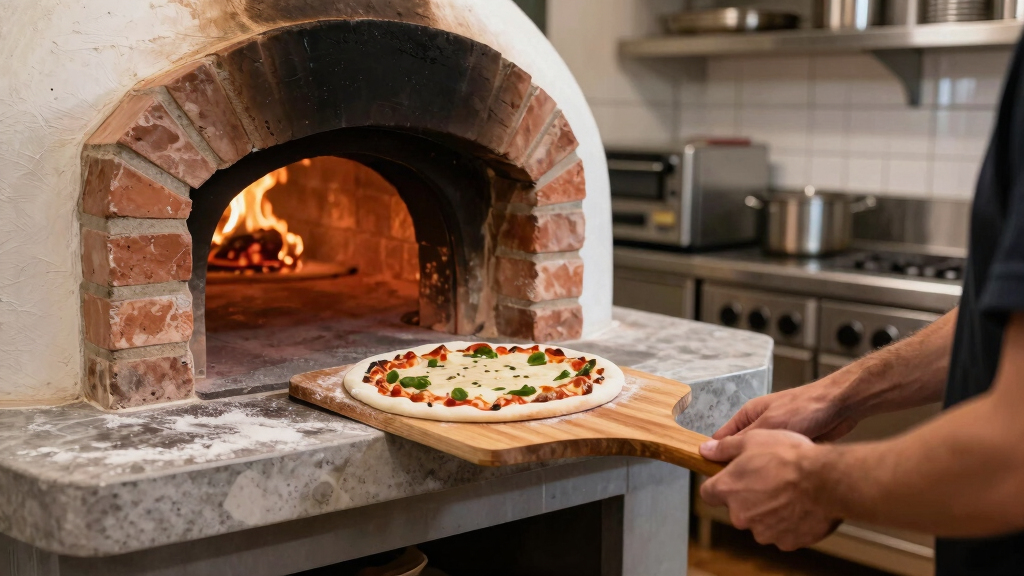
Choosing the right equipment is the first step. A dedicated outdoor wood-fired oven like Ooni or Roccbox can reach 800-900°F, mimicking professional pizzerias. If you’re off-grid or want DIY options, a simple fire pit with a pizza steel or stone also works.
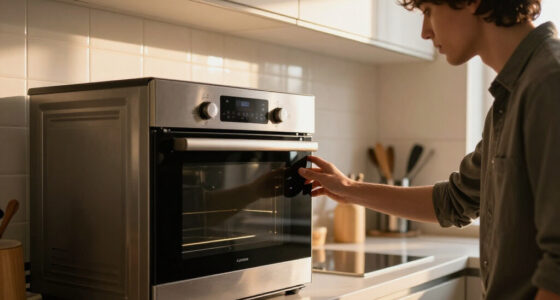
For indoor setups, high-temperature pizza ovens or using a heavy-duty steel in your regular oven can bring you close. Just remember: the goal is high heat and consistent fire, no matter the setup. An example: one off-grid cook used a repurposed metal drum with a steel plate inside, creating a makeshift oven that hit 750°F.
Understanding the implications of your setup helps you manage expectations and optimize results. For instance, dedicated outdoor ovens often provide more consistent high heat, leading to better charring and quicker cooking times. DIY setups may require more attention to fire management and may not reach the same temperatures, but they can still produce excellent results with patience and technique.
As an affiliate, we earn on qualifying purchases.
How to Prepare Dough That Stretches Like a Pro
- Use high-protein bread flour for elasticity—look for 12-14% protein content. This protein level develops gluten, which is crucial for the dough’s stretchiness and ability to hold toppings without tearing. It also contributes to a chewy, airy crust that can withstand the intense heat without collapsing or becoming dense.
- Mix with warm water (around 80°F) and let it hydrate for at least 30 minutes. Proper hydration ensures the gluten develops evenly, making the dough more resilient and easier to shape.
- Ferment in the fridge for 24-72 hours. This slow fermentation not only enhances flavor through complex biochemical reactions but also improves dough extensibility. The longer rise allows the gluten network to relax, preventing shrinkage or tearing during stretching, which is a common challenge for beginners.
- Before shaping, let the dough come to room temperature for 30 minutes. This step helps relax the gluten further, making the dough easier to handle and stretch without resistance.
- Stretch by hand, avoiding a rolling pin, to keep bubbles and texture—aim for about 12 inches diameter. Hand-stretching preserves the gas bubbles that create a light, airy crust and helps develop a rustic, uneven surface that bakes beautifully in high heat, adding flavor and visual appeal.
Example: one off-grid chef leaves dough to ferment for 48 hours, resulting in a crust with complex flavor and perfect chewiness. The extended fermentation also enhances dough elasticity, making it easier to stretch thinly without tearing, which is essential for achieving that authentic Neapolitan look and texture.
Tradeoffs include longer preparation time and the need for refrigeration space, but these are offset by improved flavor, texture, and handling characteristics. Skipping long fermentation may save time but will compromise flavor development and dough extensibility, leading to a less authentic and more difficult-to-work dough.
pizza steel for high temperature baking
As an affiliate, we earn on qualifying purchases.
As an affiliate, we earn on qualifying purchases.
How to Achieve the Perfect Fire and Heat
Wood choice matters. Hardwoods like oak or hickory burn hotter and cleaner than softwoods, which can produce soot and less consistent heat. Build a fire that reaches at least 800°F—this usually means stacking small, dry hardwood chunks in a crisscross pattern. The high temperature is critical because it allows the pizza to cook rapidly, creating that blistered, airy crust while maintaining a moist interior.
Maintaining this temperature requires good airflow. Think of it like a campfire on steroids: oxygen feeds the flames, and controlling the draft determines how hot the fire gets. Use a metal poker or fire tool to adjust the flames and prevent hotspots that could burn the crust prematurely. Regularly adding small, dry hardwood chunks ensures a steady supply of heat without smothering the fire with too much wood at once. This balance is essential for consistent results and a properly cooked pizza with authentic char and blistering.
Understanding the tradeoffs: softer woods burn longer but produce less heat and more soot, which can affect flavor and cleanliness. Hardwoods may require more effort to start but ultimately provide the high, clean heat necessary for authentic results. Managing the fire is an ongoing process that demands attention to airflow, wood quality, and fire size to sustain the optimal temperature for the entire cooking process.
As an affiliate, we earn on qualifying purchases.
Frequently Asked Questions
Can I make a wood-fired pizza in a regular home oven?
Yes, by using a pizza steel or stone and preheating your oven to its maximum (usually 500-550°F), you can mimic some effects of a wood-fired oven. While the smoky flavor is hard to replicate, you’ll still get a crispy crust and good char.
What type of wood should I use for the best flavor?
Hardwoods like oak, hickory, maple, or fruitwoods such as cherry and apple burn hotter, cleaner, and impart a pleasant smoky aroma—perfect for pizza. Avoid softwoods like pine, which produce soot and less desirable flavors.
How do I get that authentic charring and blistering?
High heat is key. Use a preheated steel or stone, and keep the oven or fire at around 800°F. Rotate your pizza frequently to expose all sides to the heat, creating those blackened, bubbly spots that define good wood-fired pizza.
How long does a pizza take in a wood-fired oven?
Typically, it cooks in under 2 minutes at high temperatures. The rapid cooking process means you need to keep a close eye and turn the pizza often to prevent burning while achieving even charring.
Any beginner tips for wood-fired pizza success?
Practice dough stretching, manage fire buildup carefully, and keep toppings simple. Using a thermometer to monitor surface temp helps, and patience with dough fermentation improves flavor and texture.
As an affiliate, we earn on qualifying purchases.
Conclusion
Making wood-fired pizza at home demands patience, practice, and a bit of fire management. When done right, you create a crispy, smoky masterpiece that’s worth every effort. The next time you hear that crackle of burning wood, you’ll know you’re about to craft something truly special.
So set your fire, prepare your dough, and get ready to impress — your perfect pizza is just a fire away.
Halloween Picks
halloween
As an affiliate, we earn on qualifying purchases.