
TL;DR

Get kitchen gear delivered free — and shop member deals
- Fast, free delivery on millions of items
- Access to Prime Big Deal Days deals on October 6–7
- Prime Video, Amazon Music and more included
An uneven gas stove flame can cause cooking issues and safety concerns. This guide provides confirmed steps to troubleshoot and fix the problem through cleaning and maintenance.
Many home cooks experience uneven gas stove flames, which can affect cooking quality and safety. Experts confirm that most issues stem from debris buildup or misaligned parts, and can often be fixed with simple cleaning and adjustments, avoiding costly repairs.
According to food safety and appliance maintenance experts, an uneven flame on a gas stove typically results from debris lodged in the burner head, gas ports, or unbalanced stove caps. To address this, users should carefully remove the stove cap and base, then scrub the grooves and gas ports with a soft brush or a paperclip to clear obstructions. Regular cleaning of grates and stove surfaces can prevent buildup that causes flame irregularities.
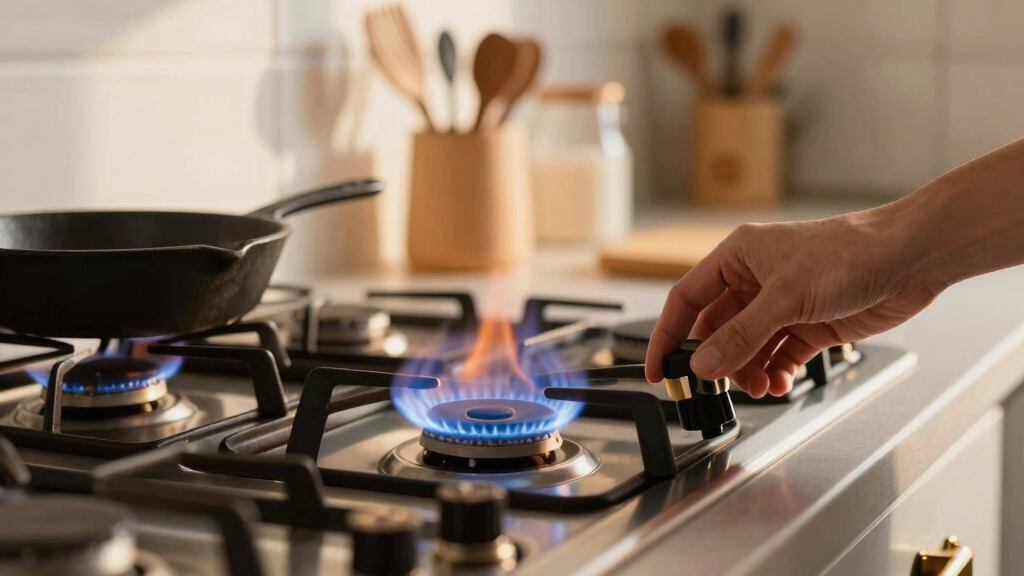
Additionally, checking the flame color is important; a blue flame indicates proper combustion, while orange or red flames suggest incomplete burning, which can produce dangerous carbon monoxide. Testing the ignition spark for excessive clicking may also reveal moisture or debris issues requiring attention. These maintenance steps can restore a uniform, safe flame and improve cooking performance.
Why Uniform Flames Are Critical for Safe Cooking
Ensuring a consistent, blue flame on a gas stove is vital for both cooking quality and safety. An uneven flame can lead to uneven cooking, food safety issues, and increased risk of carbon monoxide production. Proper maintenance and troubleshooting help prevent these hazards, saving time and money on repairs while maintaining a safe kitchen environment.
As an affiliate, we earn on qualifying purchases.
Common Causes of Uneven Gas Stove Flames
Gas stove flames can become uneven over time due to debris accumulation, misaligned burner caps, or clogged gas ports. Regular cleaning and inspections are recommended to prevent these issues. Experts advise checking the flame color and ignition spark periodically, especially after heavy use or spills, to catch problems early before they escalate.
“Most uneven flames are caused by debris blocking the gas ports or unbalanced burner caps, which can be fixed with routine cleaning.”
— food safety expert
As an affiliate, we earn on qualifying purchases.
Unresolved Questions About Long-Term Fixes
While cleaning often resolves flame unevenness, it is not yet clear whether persistent issues may require replacing parts or professional repairs. The extent of damage or wear to internal components remains uncertain for some users, and complex technical problems may need expert assessment.
As an affiliate, we earn on qualifying purchases.
Next Steps for Maintaining Safe, Even Flames
Homeowners should incorporate regular cleaning and inspection routines to prevent flame issues. If problems persist after cleaning, consulting a professional technician for a thorough check-up and potential part replacement is recommended. Ongoing maintenance will help ensure safe, efficient operation of the gas stove.
As an affiliate, we earn on qualifying purchases.
Key Questions
How often should I clean my gas stove to prevent uneven flames?
Experts recommend cleaning the burner caps, grates, and gas ports at least once a month, especially if you use the stove frequently or notice irregular flames.
What tools are best for cleaning gas stove burners?
A soft brush, a nylon scrubbing pad, and a paperclip are effective for removing debris from burner grooves and gas ports without damaging the components.
Is it safe to fix an uneven flame myself?
Yes, routine cleaning and minor adjustments are safe for most homeowners, but if you suspect internal damage or persistent issues, it is best to contact a licensed technician to ensure safety and proper repair.
What does a red or orange flame indicate?
It indicates incomplete combustion, which can produce dangerous carbon monoxide. If you notice these flames, it is important to turn off the stove and seek professional inspection.
Can poor maintenance cause long-term damage to my stove?
Yes, neglecting regular cleaning can lead to clogged gas ports, corrosion, or internal wear, ultimately resulting in costly repairs or unsafe operation. Routine upkeep is essential.
Source: Food Republic
Halloween Picks
halloween
As an affiliate, we earn on qualifying purchases.