
TL;DR

Get kitchen gear delivered free with Prime
- Fast, free delivery on millions of items
- Prime Video, Amazon Music and more included
- Member-only deals all year
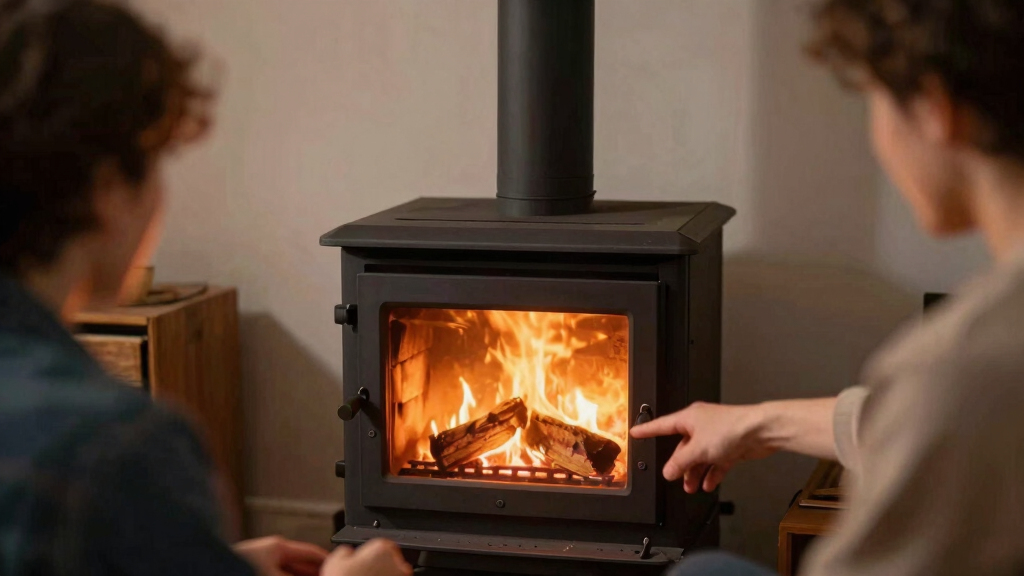
Controlling heat on a wood stove is mostly about managing airflow, choosing the right wood, and monitoring fire size. Regular adjustments and maintenance keep your fire safe and consistent, whether you’re heating a tiny cabin or a larger space.
Imagine a cozy cabin glowing with the gentle crackle of a wood fire. Now, picture that fire roaring out of control or barely burning at all. The difference? Your ability to control heat. A well-managed wood stove can be your best off-grid heating partner—if you know how to keep the fire just right.
This guide arms you with practical tips to master heat control—no hype, just real skills. You’ll learn how to manage airflow, pick the right wood, and use modern tools to keep your fire safe, steady, and efficient.
Controlling airflow with vents and dampers is your most powerful tool for managing heat.
Choose dry, seasoned hardwoods for longer, more predictable burns.
Adjust vents gradually; small tweaks lead to better control and safety.
Regularly monitor your stove’s temperature to avoid overheating or under-heating.
Modern tech like digital thermostats can make heat management more precise, but simple tools work just fine.
How to Adjust Your Air Vents for Perfect Heat
Controlling airflow is the cornerstone of heat management. Opening vents feeds the fire more oxygen, making it burn hotter and brighter. Closing them starves the fire slightly, reducing heat and smoke. For example, if your room feels chilly, try opening the primary vent by a quarter turn and observe the fire’s response.
An easy way to remember: More air = hotter, less air = cooler. Adjust gradually—tiny turns make a big difference. Keep a small thermometer nearby to track temperature changes, aiming for around 300°F to 500°F for most home heating needs.
Many stoves have multiple vents—primary for initial fire, secondary for clean burn. Experiment with adjusting each to find your sweet spot. Regularly inspecting and tweaking these controls keeps your fire manageable.
Why does this matter? Because airflow directly influences combustion efficiency and safety. Too little oxygen can cause smoky, inefficient fires that produce creosote buildup, increasing fire risk. Too much oxygen, on the other hand, can lead to overly hot fires that may damage your stove or create safety hazards. Striking the right balance through vent management ensures a safe, efficient, and controlled burn, extending your stove’s lifespan and improving your comfort.
As an affiliate, we earn on qualifying purchases.
Choosing and Stacking Wood for Consistent Heat
Wood type and stacking method directly influence how easy it is to control heat. Hardwoods like oak or maple burn longer and produce steady heat, helping you keep the fire manageable. Softwoods like pine ignite quickly but burn fast, making heat spikes harder to control.
For example, stacking wood in a crisscross pattern with plenty of airflow prevents overloading and makes the fire easier to regulate. Avoid overstuffing the stove—a full load can smolder or produce uneven heat that’s tough to control.
Using dry, seasoned wood (at least 6 months cured) reduces smoke and creates more predictable burn. A well-chosen firewood load simplifies your job—less fuss, more warmth.
Why does this matter? Because the quality and arrangement of your wood impact how predictable and manageable your fire is. Soft or green wood produces more smoke, which can hinder airflow and cause inefficient combustion. Overloading the stove hampers proper airflow, leading to uneven burning and potential creosote buildup. Properly selecting and stacking dry, seasoned hardwoods ensures a cleaner, more controllable fire, minimizing safety risks and maximizing heat output. It’s about reducing guesswork and ensuring consistent warmth with less effort and fewer hazards.
As an affiliate, we earn on qualifying purchases.
Using Damper and Vent Controls to Fine-Tune Fire
Many wood stoves feature dampers or adjustable vents that act like dimmer switches for your fire. Opening the damper increases airflow, boosting heat, while closing it limits oxygen, lowering fire intensity. For instance, when the fire gets too hot, a quarter turn of the damper can drop the temperature by 50°F within minutes.
Start with small adjustments—big changes can cause rapid temperature swings or smoke issues. Regularly monitor your stove’s thermometer and tweak accordingly. Damper control is a subtle art—small, steady movements keep your fire steady.
Why does this matter? Because improper damper use can lead to dangerous conditions. Fully closing the damper might seem like a quick way to extinguish a fire, but it can cause smoke backdrafts or creosote buildup, increasing fire risk. Conversely, leaving it fully open all the time wastes fuel and can lead to overheating. Fine-tuning the damper ensures optimal combustion, safety, and energy efficiency. It’s about understanding how small adjustments influence the entire fire’s behavior and adjusting accordingly to maintain a safe, steady heat.
As an affiliate, we earn on qualifying purchases.
Modern Tech and Tips for Smarter Heat Control
Newer wood stoves come with features that make controlling heat easier—like built-in thermostats or remote monitoring. These tools give you real-time temperature feedback, so you can adjust vents without guesswork. For example, a stove with a digital thermostat can maintain a set temperature within a few degrees, saving fuel and preventing overheating.
Other innovations include secondary combustion chambers that burn smoke and gases more completely, making heat more efficient and manageable. Plus, insulation upgrades help the stove retain heat, reducing the need for constant adjustment.
If your stove isn’t tech-enabled, simple hacks like using a stove thermometer or placing heat shields can help you keep a closer eye on temperatures and distribute heat more evenly.
Why does this matter? Because these modern tools and modifications can significantly improve your ability to maintain consistent, safe, and efficient heat. They reduce the guesswork and manual effort, allowing you to focus on enjoying the warmth rather than constantly adjusting vents or worrying about safety. Embracing these innovations can lead to safer operation, lower fuel consumption, and a more comfortable home environment, especially in off-grid settings where precise control becomes even more critical.
As an affiliate, we earn on qualifying purchases.
How to Prevent Overheating or Under-Heating
Keeping your stove at a safe, steady temperature is about balance. If it’s too hot, you risk damaging the stove or causing safety hazards. If it’s too cool, your home won’t stay warm enough. The key? Regularly check your stove’s temperature with a good stove thermometer.
For example, if your thermometer reads above 600°F, it’s time to close vents slightly or reduce the wood load. If it drops below 300°F, open vents more or add a small piece of dry wood.
Why does this matter? Because operating outside the optimal temperature range can lead to serious safety issues, such as creosote buildup, which increases fire risk, or stove damage due to excessive heat. It also affects your comfort; too cool, and your home remains chilly, too hot, and you risk burns or damage. Small, consistent adjustments based on temperature readings help maintain a safe, efficient, and comfortable environment, minimizing risks and maximizing heat output.
Understanding the tradeoffs—like the risk of overfiring versus under-heating—allows you to balance safety with comfort, ensuring your stove functions optimally without hazards or inefficiencies.
Frequently Asked Questions
How do I open or close the air vents to control the heat?
Most stoves have a primary and sometimes secondary vent. To increase heat, open the vents by turning the levers or knobs outward. To reduce heat, close them gradually—small adjustments make a big difference. Always monitor your stove’s temperature to find the right setting.
What type of wood is best for controlling heat?
Hardwoods like oak, maple, and hickory burn longer and produce more consistent heat. Softwoods like pine ignite quickly but burn out fast, making heat harder to regulate. Always use well-seasoned, dry wood for stable, controllable fires.
How often should I check my stove’s temperature?
Check your stove’s temperature every few hours when in use. Use a good stove thermometer placed on the stovetop or near the flue pipe. Regular monitoring helps prevent overheating and ensures steady warmth.
Can I automate heat control on my wood stove?
Some newer models come with digital thermostats or remote controls that maintain a set temperature automatically. For traditional stoves, manual adjustments with vent levers and thermometers are your best bet. Regular attention keeps things safe and efficient.
What safety tips should I remember when controlling heat?
Always ensure proper ventilation, never overfire the stove, and keep a fire extinguisher nearby. Avoid closing vents completely while the fire is burning. Regularly clean your stove and chimney to prevent creosote buildup and reduce fire risk.
Conclusion
Mastering your wood stove’s heat is about small, consistent adjustments. Think of your vents as the volume knob—turn it just enough to keep your fire singing at the right pitch. With practice, managing heat becomes second nature, turning a wild blaze into a steady, safe warmth.
Stay engaged, keep that thermometer handy, and treat your stove like a trusted partner. A well-controlled fire isn’t just warmth—it’s comfort, safety, and the satisfaction of doing it all by hand.
Halloween Picks
halloween
As an affiliate, we earn on qualifying purchases.