
TL;DR

Get kitchen gear delivered free — and shop member deals
- Fast, free delivery on millions of items
- Access to Prime Big Deal Days deals on October 6–7
- Prime Video, Amazon Music and more included
Baking bread off-grid is entirely doable with simple tools and natural heat sources like wood or solar power. Key steps include choosing the right oven, making a sturdy dough, and managing temperature carefully. Long fermentation and creative heat management are your best friends here.
A well-built, insulated outdoor oven is your best bet for consistent bread baking off-grid.
Long fermentation with natural leavening enhances flavor, crust, and digestibility.
Managing heat with simple tools—like a thermometer or touch—requires experience but pays off.
Solar and earth ovens are sustainable options that expand your baking possibilities.
Cooling and storing bread properly preserves its crust and freshness longer.
Choose the Right Oven to Get That Perfect Crust
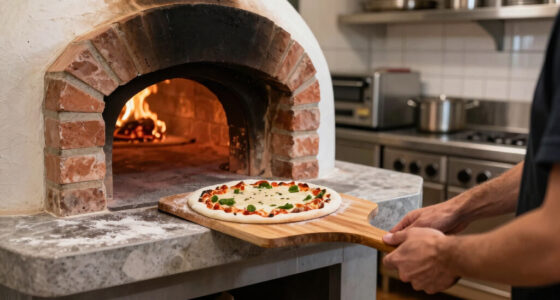
Off-grid baking starts with selecting your oven. A wood-fired oven, a rocket stove setup, or a solar oven can all work, but each has its quirks. For example, a well-built outdoor clay oven retains heat like a brick wall, which is crucial for consistent baking. Firebricks are especially effective because they absorb and radiate heat slowly, creating a stable environment that mimics traditional ovens. Solar ovens, on the other hand, rely on concentrated sunlight—ideal in hot, clear climates—but require precise setup to achieve even heat distribution. Think of your oven as the core of your baking process; its ability to hold, distribute, and radiate heat directly impacts crust development, crumb structure, and baking time. Investing in a durable, well-insulated oven means fewer surprises and more consistent results, allowing you to focus on perfecting your dough rather than fighting uneven heat.
Building your own cob oven from natural materials like clay, straw, and stones offers a sustainable, low-cost option that can last decades. Preheating with a small fire ensures residual warmth sustains baking, reducing fuel needs. The tradeoff is that such ovens require patience to build and learn to operate effectively, but once established, they become reliable, eco-friendly baking stations that deepen your off-grid skills.
As an affiliate, we earn on qualifying purchases.
Gather and Prep Your Ingredients for Long-Lasting Bread
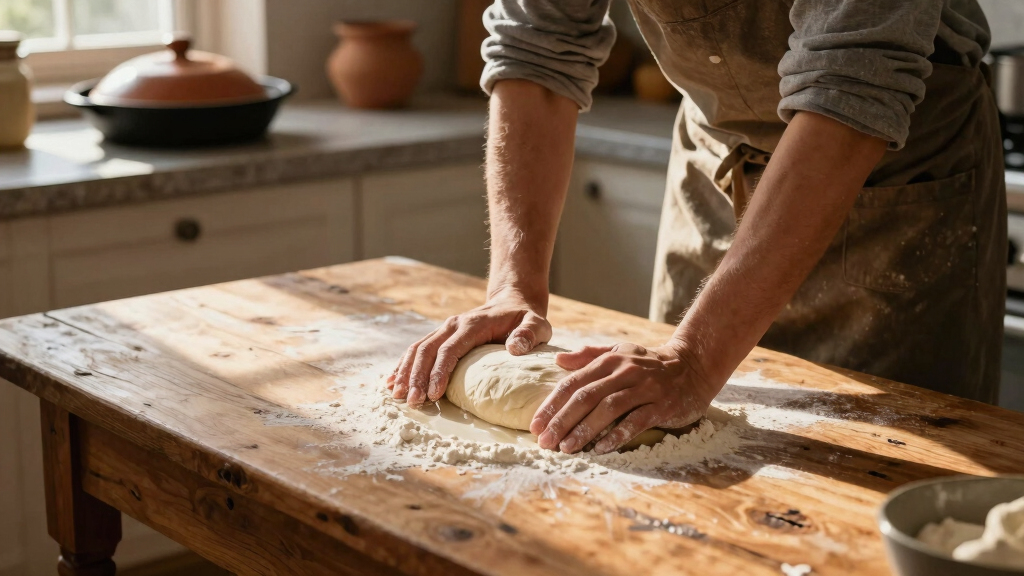
Off-grid bread relies on simple staples—flour, water, salt, and a leavening agent. Choosing the right ingredients is vital because in remote settings, you often can’t replenish supplies quickly. Using high-quality, locally sourced grains, or drying your own, ensures freshness and resilience. Cultivating your own sourdough starter from wild yeasts in the environment allows for a self-sustaining leavening process. This culture not only imparts unique flavors but also adapts to your local climate, often developing more resilient fermentation characteristics. Proper preparation of starters—feeding regularly with flour and water—keeps them active and healthy, which is essential for consistent rising and flavor development. When storing ingredients long-term, drying grains or storing in airtight containers prevents spoilage. Hydration level, typically 60-70%, influences dough extensibility and crumb structure—too dry, and the dough becomes tough; too wet, and it may collapse. A brief kneading—about 5 minutes—develops gluten, which provides the dough’s elasticity, crucial for trapping gases during fermentation, especially in a less controlled environment. This foundational step ensures your bread will rise well and develop a good crumb, even when working with limited tools.
Understanding how to source, store, and prepare these ingredients impacts the bread’s final quality, durability, and flavor. The tradeoff is balancing ingredient longevity with freshness, and often, local sourcing becomes a vital part of your off-grid baking strategy, making each loaf a reflection of your environment.
As an affiliate, we earn on qualifying purchases.
Master the Art of Dough Making and Fermentation
Making dough off-grid requires patience and keen observation because environmental factors—temperature, humidity, and air quality—significantly influence fermentation. In cooler outdoor conditions, fermentation slows, sometimes taking 4 to 12 hours, which can be advantageous for flavor complexity. Longer fermentation allows wild yeasts and bacteria to develop more nuanced flavors, producing bread with richer aromas and better digestibility. For instance, an overnight ferment in a warm, protected spot fosters lactic acid bacteria growth, resulting in a tangy, well-developed flavor profile. Covering the dough with a damp cloth or a natural fiber blanket creates a humid environment that prevents crust formation on the surface, encouraging even fermentation. When using a sourdough starter, bubbles and a tangy smell are indicators of readiness—these signs mean the dough has developed enough acidity and yeast activity for optimal rise and flavor. The key is to adapt your fermentation schedule based on ambient conditions; a slow, long proof enhances both taste and texture, making your bread more satisfying and healthful. This process emphasizes understanding your environment and developing intuition for timing, as it’s the backbone of high-quality off-grid bread.
Patience in fermentation—sometimes extending it—can be the difference between a plain loaf and a memorable one. It’s a tradeoff of time for flavor and digestibility, emphasizing the importance of environmental awareness and flexibility in your baking routine.
As an affiliate, we earn on qualifying purchases.
Bake Like a Pro: Managing Heat and Achieving Crust
Getting your bread to bake evenly in an off-grid oven takes finesse and understanding of heat dynamics. Preheating your oven thoroughly—at least 30 minutes—is crucial because it ensures that the oven walls and floor reach a stable temperature, which is essential for a good rise and crust formation. Using steam during initial baking—by spraying water or adding ice cubes—creates a humid environment that helps the crust develop a crackly texture while allowing the loaf to expand fully before forming a thick crust. When baking in a Dutch oven or covered clay pot, the enclosed environment traps steam, mimicking professional steam-injected ovens, which results in a shiny, crisp crust and a tender crumb. Position your dough carefully—using a pizza peel or a sturdy board—to place it in the hot oven without damaging the shape. Baking at around 450°F (230°C) for 30-40 minutes, with periodic checks, allows the crust to develop properly without burning. Listening for the cracking sounds and smelling the rich aroma are practical cues that your bread is nearing perfection. Managing heat in an off-grid setting involves balancing firewood, reflective surfaces, and oven insulation—each adjustment influences the final texture and color of your loaf. Achieving professional-quality crusts depends on understanding these heat interactions and timing your baking accurately.
Practicing these techniques builds intuition, enabling you to judge doneness by appearance, sound, and smell—skills that are invaluable when modern timers and thermometers aren’t available. The tradeoff is that it takes experience to master these cues, but the results are well worth the effort.
As an affiliate, we earn on qualifying purchases.
Cool and Store Your Bread to Keep That Freshness
After baking, cooling your bread properly is essential to preserve its crust and overall quality. Cool it on a wire rack or natural stones to allow moisture to escape, preventing sogginess and ensuring the crust remains crisp. In an off-grid setting, wrapping warm bread in a clean, breathable cloth—like linen or cotton—helps retain some warmth while avoiding trapping excess moisture that could soften the crust or promote mold. Avoid plastic, which traps humidity and can lead to soggy bread or mold growth. For longer storage, slicing the bread and dehydrating it in the sun or a low-temperature solar oven extends shelf life without refrigeration, making it ideal for off-grid living. Proper storage techniques—using baskets or breathable cloth bags—allow the bread to breathe, maintaining crust integrity and flavor. Dried bread can be rehydrated or used as the basis for croutons, breadcrumbs, or flatbreads, adding versatility. These methods help you enjoy your bread over several days or weeks, conserving your resources and reducing waste—crucial considerations when living remotely.
Understanding the importance of proper cooling and storage ensures your bread remains delicious and fresh longer. The tradeoff involves balancing convenience with preservation; employing simple, natural methods maximizes freshness without relying on electricity or refrigeration, making your off-grid baking truly sustainable.
Recent Trends Making Off-Grid Baking Easier and Greener
Solar ovens are gaining popularity in sunny climates, allowing bread baking without fuel or wood. These ovens use reflective surfaces to concentrate sunlight, reaching baking temperatures of up to 350°F (175°C). A DIY solar box oven made from cardboard and reflective panels can bake a loaf in about 1-2 hours, offering a sustainable alternative that reduces fuel consumption and emissions. Earth or cob ovens, which utilize natural insulation materials like clay, straw, and stone, require only a small fire to preheat and maintain baking temperatures, making them highly eco-friendly. These ovens distribute heat evenly and retain warmth for long periods, enabling multiple batches without continuous fuel. Additionally, dehydrating bread or flatbreads in the sun or low-temp solar ovens extends shelf life and reduces waste, crucial in remote environments where supplies are scarce. These innovations not only make off-grid baking more sustainable but also expand your possibilities—allowing you to bake in harmony with nature, reducing your carbon footprint, and fostering resilience in your food practices.
Managing Temperature and Timing Without Modern Gadgets
Monitoring temperature off-grid means relying on your senses, experience, and simple tools. Using an infrared thermometer provides quick readings, but in its absence, you can gauge heat by touch—feeling the oven walls or floor for consistent warmth. For example, a stone oven preheated to around 450°F will feel hot but not painfully so when touched briefly. You can also observe the oven’s behavior—how quickly it loses heat after firing or how evenly it maintains temperature over time. Keeping a baking log helps track oven performance, noting how long it takes to reach ideal temperatures, how often to add fuel, and how the oven responds to adjustments. Practice is essential; with experience, you’ll learn the subtle cues indicating when the oven is ready and when your bread is baked—such as the crust color, the sound of cracking, or the aroma. Small adjustments—adding firewood, adjusting reflective surfaces, or rotating the loaf—are part of developing your intuitive control. The key is patience and attentiveness, transforming your environment into a reliable baking partner. These skills empower you to produce consistent, high-quality bread without modern gadgets, turning baking into a mindful, adaptive craft.
Mastering these techniques is about developing your sensory awareness and understanding your tools’ limits. The tradeoff is that it takes time to hone these skills, but the payoff is independence and confidence in your off-grid baking process.
Frequently Asked Questions
What equipment do I need to bake bread off-grid?
You’ll need a durable outdoor oven—like a cob or brick oven—plus basic tools such as a mixing bowl, proofing basket, and a peel or paddle. A thermometer helps manage heat, and a sourdough starter or dry yeast supplies leavening.Can I build my own outdoor oven?
Absolutely. Many people craft simple, effective ovens from natural or recycled materials. A basic cob oven with firebricks and insulation can last decades and cost little to build, making it a reliable off-grid baking station.How long does it take to bake bread off-grid?
Depending on your oven and weather, baking times range from 30 to 45 minutes. Longer fermentation can extend prep time but improves flavor, so plan for a few hours from start to finish, especially if building or preheating your oven.Can I use solar energy to bake bread?
Yes, solar ovens can reach baking temperatures around 350°F (175°C). They take longer—about 1-2 hours—but are perfect for sunny days and eco-conscious baking.What are some tips for achieving a good crust without a conventional oven?
Preheat your oven thoroughly, create steam during baking, and use a covered Dutch oven or clay pot. These methods trap heat and moisture, giving you that rich, crackly crust every time.Conclusion
Baking bread off-grid is less about fancy gadgets and more about understanding your tools and environment. With patience, practice, and a bit of creativity, you can craft crusty, fragrant loaves anywhere. Imagine the satisfaction—fresh bread made from scratch, in harmony with the land—you’re truly self-reliant in your kitchen.Halloween Picks
halloween
As an affiliate, we earn on qualifying purchases.