
TL;DR

Get kitchen gear delivered free — and shop member deals
- Fast, free delivery on millions of items
- Access to Prime Big Deal Days deals on October 6–7
- Prime Video, Amazon Music and more included
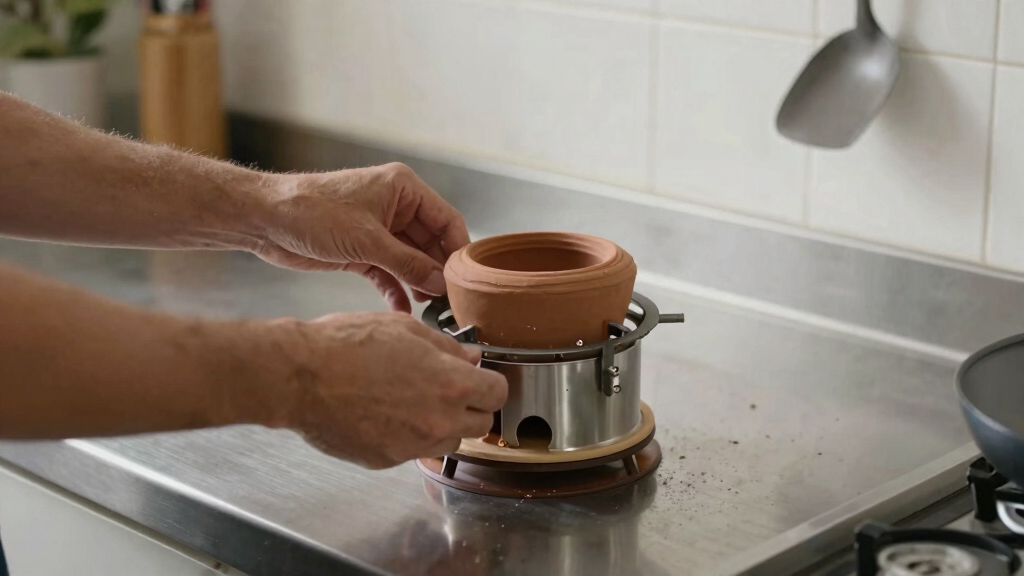
A rocket stove is a highly efficient, portable cooking device that uses small-diameter wood or biomass. Its design maximizes combustion and minimizes fuel use and emissions, making it ideal for off-grid living and sustainable cooking.
A rocket stove uses a small, insulated combustion chamber and tall chimney to burn fuel efficiently with minimal smoke.
Proper insulation and materials like firebricks or refractory clay greatly improve durability and heat retention.
Modern upgrades include adjustable air controls and advanced insulation, boosting efficiency further.
Compared to open fires, rocket stoves can cut fuel use by up to 70%, saving money and cutting emissions.
Building your own is straightforward with common materials, but proper ventilation and tuning are key for safe, effective use.
What makes a rocket stove so efficient? The core design principles
A rocket stove’s secret lies in its clever design. It features an insulated combustion chamber that concentrates heat and ensures complete burning of fuel. The tall, insulated chimney creates a strong draft, pulling air in and fueling efficient combustion. This combination results in minimal smoke, fast heating, and less fuel waste.
Imagine feeding small twigs into a tiny, fiery tunnel that burns them completely, leaving behind almost no ash or smoke. That’s the magic at work—fuel turns into heat with little waste and emissions. The heat transfer surface then efficiently directs this energy to your pot, boiling water or frying foods quickly.
Understanding these principles is crucial because they highlight why rocket stoves can be so much more efficient than traditional open fires. The insulated chamber traps heat, reducing energy loss, while the chimney’s draft accelerates combustion. This means less fuel is needed to produce the same amount of heat, which is essential in off-grid or resource-scarce situations. However, the tradeoff is that proper insulation and precise construction are vital; poor materials or design flaws can significantly diminish efficiency and safety.
As an affiliate, we earn on qualifying purchases.
How does a rocket stove actually operate? Step-by-step breakdown
- Feed small pieces of biomass or wood into the feed opening. The size of the fuel influences how quickly it ignites and burns; smaller pieces ignite faster and burn more completely, which is key for efficiency.
- The fuel ignites in the insulated combustion chamber, reaching high temperatures. This high heat ensures complete combustion, which reduces smoke and maximizes energy extraction from the fuel.
- The hot gases rise rapidly through the insulated chimney, creating a strong draft. This draft not only pulls in fresh air but also sustains a high-temperature burn, which is essential for efficiency and low emissions.
- Fresh air is pulled in through the air intake, mixing with the fuel for complete combustion. Proper airflow management is critical—too little, and combustion is incomplete; too much, and heat escapes.
- The heat concentrates on the top surface, transferring energy to cookware. The efficiency of heat transfer depends on the contact surface and insulation quality, affecting cooking speed and fuel savings.
- By controlling airflow with adjustable vents, you can regulate the flame size and temperature, making cooking more precise and adaptable to different needs.
This cycle is optimized for efficiency because it ensures that nearly all the fuel is burned at high temperature, producing minimal smoke and maximum heat. The tradeoff involves the need for careful construction and tuning; improper assembly can lead to incomplete combustion and wasted fuel. Understanding this process helps users troubleshoot and improve performance, especially in DIY setups.
As an affiliate, we earn on qualifying purchases.
What materials make a rocket stove durable and easy to build?
Constructing a rocket stove is surprisingly simple with the right materials. Use firebricks or refractory clay for the combustion chamber and base. These withstand high temperatures and insulate well, which preserves heat and prevents damage over time. The choice of material directly impacts the stove’s longevity and safety; cheaper or less heat-resistant materials may degrade quickly or pose safety risks.
The chimney can be made from metal pipe or clay tubes, depending on availability. Metal pipes are durable and easy to assemble, but clay offers excellent insulation if properly fired. Many DIYers build rockets with just old metal cans, bricks, and clay — all inexpensive, local materials that last. The key is good insulation around the combustion chamber and chimney to contain heat and improve efficiency, which reduces fuel consumption and prolongs the stove’s life.
Choosing the right materials involves balancing availability, cost, and durability. Well-insulated, heat-resistant materials ensure the stove remains effective over years of use, while poor choices can lead to cracks, heat loss, or safety hazards. This understanding guides builders to make informed decisions that enhance both performance and safety.
As an affiliate, we earn on qualifying purchases.
How recent tech upgrades make rocket stoves even better
Modern innovations are boosting rocket stove performance. Using advanced insulating materials like ceramic fiber or refractory bricks traps more heat, making the stove more efficient and durable. These materials reduce heat loss and withstand higher temperatures, which means the stove can operate longer and with less fuel. Adjustable air intakes give you better control over flame size and heat output, allowing for more precise cooking and energy efficiency.
Some models now incorporate hybrid systems that combine rocket principles with solar or other renewable energy sources. These innovations expand the versatility of rocket stoves, making them suitable for urban settings or large community kitchens where multiple cooking stations are needed. Additionally, the focus on using locally sourced, low-cost materials has increased accessibility worldwide, empowering communities to build and maintain their own efficient cooking solutions. These technological advances are critical because they address common limitations—like heat control and insulation—and open new possibilities for sustainable, off-grid cooking.
As an affiliate, we earn on qualifying purchases.
Frequently Asked Questions
Can I build a rocket stove with recycled materials?
Absolutely. Old metal cans, firebricks, and clay are common, low-cost options. Just ensure materials can withstand high heat and are properly insulated to keep the stove safe and efficient.
How long does a typical rocket stove last?
With durable materials like firebricks and proper maintenance, a well-built rocket stove can last several years, even decades. Regular inspection for cracks or wear helps maintain performance over time.
Is a rocket stove safe to use indoors?
Yes, if well-ventilated. Proper airflow prevents smoke buildup and ensures safe operation. Never run one in a confined space without exhaust or good ventilation.
What size of wood or biomass works best?
Small-diameter wood, twigs, or agricultural waste work best. The key is to use pieces that fit into the feed opening and ignite quickly, maximizing efficiency.
Can a rocket stove heat water or larger pots?
Yes, designed correctly, they can handle larger pots for boiling or simmering. But for very large-scale cooking, multiple units or bigger designs are necessary.
Conclusion
A rocket stove isn’t just a clever design — it’s a practical tool for anyone seeking reliable, efficient off-grid cooking. Once you understand how it works, you can build and optimize your own, saving fuel and reducing smoke. Imagine the satisfaction of cooking with less fuss and more control, even miles from the grid.Fall Picks
fall essentials
As an affiliate, we earn on qualifying purchases.