TL;DR

Get kitchen gear delivered free with Prime
- Fast, free delivery on millions of items
- Prime Video, Amazon Music and more included
- Member-only deals all year
Cooking with a Dutch oven over coals lets you craft flavorful meals in the outdoors. Control heat by adjusting coals, use the lid for moisture, and prioritize safety for best results.
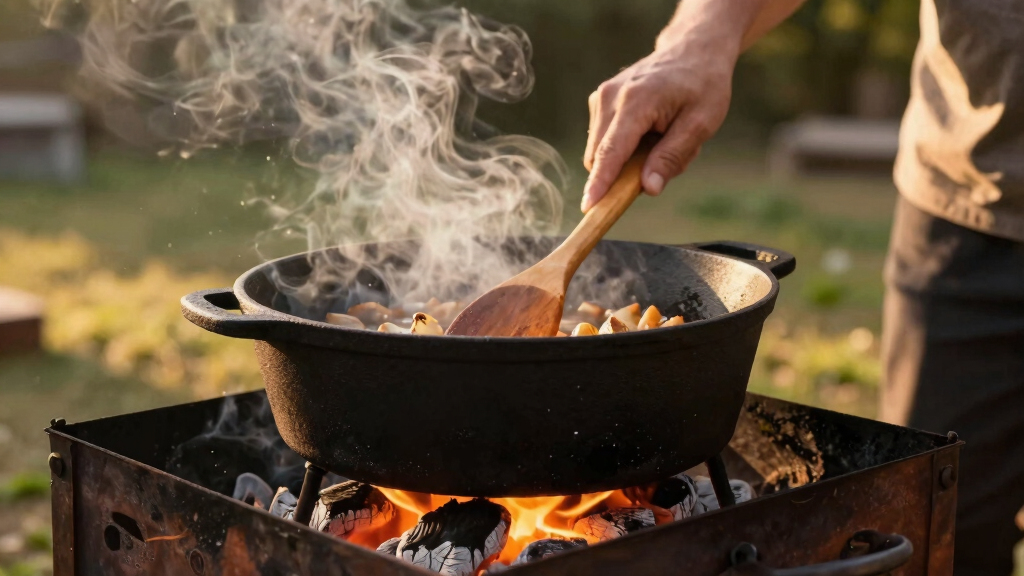
Ever tried cooking over a bed of glowing coals? It’s one of the most satisfying ways to prepare a meal outside, combining the crackle of fire with the rich aroma of cast iron. Using a Dutch oven over coals turns a simple campfire into a portable oven, letting you cook everything from bread to brisket with minimal fuss.
If you want to elevate your off-grid cooking skills, mastering Dutch oven techniques is a must. It’s durable, adaptable, and surprisingly easy once you get the hang of controlling heat and managing coals. This guide will walk you through the essentials—setup, techniques, safety, and recipes—so you can confidently cook hearty meals wherever adventure takes you.
Master the art of coal placement to control heat—more on top for baking, underneath for simmering.
Safety gear and vigilant supervision keep outdoor cooking safe and enjoyable.
Choose recipes like stews, bread, or roasted meats to make the most of your Dutch oven over coals.
Regular seasoning and proper cleaning extend the life of your cast iron Dutch oven.
Adjusting coals during cooking allows you to fine-tune temperature without fancy gadgets.
How to Set Up Your Coals for Perfect Cooking
Getting the right heat is key when cooking with a Dutch oven over coals. Think of coals as your outdoor oven’s thermostat. You want enough heat underneath and a good amount on top to create an even cooking environment. Typically, you’ll start with about 20-30 hot coals. Spread some directly underneath your Dutch oven—these will provide the base heat—and place others on the lid for baking or steaming.
For example, when baking bread, you might use around 15 coals underneath and 20 on top. This creates a gentle, consistent heat that mimics an oven. Use a good metal shovel or tongs to add or remove coals as needed during cooking. Remember: the size and type of coals matter. Smaller, uniform coals burn evenly, giving you more control.
Why does this matter? Proper setup ensures your food cooks evenly without burning or undercooking. Uneven heat can lead to burnt crusts or raw centers, especially in baked goods. The tradeoff is that managing coals requires attention and experience—adding coals too early can cause overheating, while waiting too long might result in uneven cooking. Developing a feel for the process allows you to adapt on the fly, ensuring consistent results and preventing frustration.
As an affiliate, we earn on qualifying purchases.
Mastering Heat Control: Adjust Coals for Every Dish
Controlling temperature is the secret to successful Dutch oven cooking over coals. More coals on top create a baking environment—perfect for bread or casseroles—while more underneath heats the food directly, great for frying or simmering. To simmer a stew, reduce the number of coals on top and keep a few underneath. For roasting or baking, add more coals on top to brown and crisp the outside.
Imagine cooking a hearty beef stew. You might start with 10 coals underneath and 15 on top. As it simmers, you can move coals around—adding a few if needed or removing some to maintain a gentle simmer. Practice makes perfect, but a good rule of thumb is: if the Dutch oven’s handle starts to glow, it’s too hot. Adjust accordingly.
Why is this important? Precise heat control allows you to cook a variety of dishes without burning or undercooking. The tradeoff is that it requires constant attention and adjustment, especially with variable outdoor conditions like wind or ambient temperature. Learning to read the signs—such as smoke, heat radiating from the lid, or the color of the coals—helps you fine-tune your heat management, resulting in better textures, flavors, and overall success in your outdoor kitchen.
As an affiliate, we earn on qualifying purchases.
Safety Tips You Can’t Ignore When Cooking Outdoors
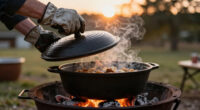
Cooking with coals involves fire, so safety comes first. Always wear heat-resistant gloves and use long-handled tools to avoid burns. Keep a bucket of water or a fire extinguisher nearby, just in case. Make sure your Dutch oven sits on stable ground—nothing worse than a tipping cast iron in the middle of a busy cook.
Be mindful of ash and sparks that can fly out. Never leave a fire unattended, and when you’re done, fully extinguish the coals. It’s easy to underestimate how hot coals stay even after the fire seems out—wait until they’re cold before packing up or moving on. Safety isn’t just a rule; it’s part of enjoying the process without surprises.
Why does safety matter so much? Neglecting these precautions can lead to accidents, injuries, or uncontrolled fires that threaten your environment and your safety. The tradeoff is that rushing safety procedures can slow down your cooking, but the peace of mind—and protection of your surroundings—is well worth it. Being prepared allows you to focus on creating delicious meals rather than worrying about hazards, making your outdoor experience more enjoyable and worry-free.
As an affiliate, we earn on qualifying purchases.
Popular Recipes: What to Cook Over Coals
Some dishes just scream for outdoor coals. Stews and chili benefit from slow, even heat, making them perfect for the Dutch oven. Imagine a bubbling pot of chili, rich with spices and beans, cooked low and slow for hours. Bread, especially sourdough, turns crusty and golden with a few coals on top and underneath. Roasted chicken or beef roasts develop a smoky flavor that’s hard to match indoors.
Here’s a quick list of favorites:
- Hearty beef stew with root vegetables
- Rustic bread with a crunchy crust
- Sweet cobbler or fruit crisp
- Roast chicken with crispy skin
- Chili with beans and smoked sausage
Each of these recipes benefits from careful heat management. For example, slow-cooked stews need consistent, moderate heat to tenderize tough cuts without boiling over or burning. Breads require a balance of heat to develop a crust without burning the interior. The tradeoff is that outdoor conditions—wind, humidity, and ambient temperature—can influence how your coals perform, requiring you to adapt your approach. Mastering these recipes enhances your skills and makes your outdoor kitchen a true culinary playground.
As an affiliate, we earn on qualifying purchases.
Frequently Asked Questions
How do I prevent my Dutch oven from rusting when cooking outdoors?
Keep it seasoned, dry it thoroughly after cleaning, and store it in a dry place. Applying a thin layer of oil after each use helps build a protective coating that wards off rust.
What’s the best way to control heat when cooking with coals?
Adjust heat by changing the number and placement of coals—more on top for baking, underneath for simmering. Practice and observation are key to developing a feel for the right heat level.
Can I cook delicate dishes like bread or soufflés over coals?
Yes, but it takes some practice. Use fewer coals for gentle heat, and keep an eye on the temperature. For bread, preheat the Dutch oven and mimic an oven environment with coals on top and below.
Is it safe to leave coals burning unattended?
Absolutely not. Always supervise your fire, keep a water bucket nearby, and fully extinguish the coals when finished. Safety first keeps outdoor cooking fun and worry-free.
Conclusion
Cooking with a Dutch oven over coals blends grit with flavor, turning an outdoor fire into a culinary tool. It’s simple, reliable, and deeply satisfying to craft hearty meals with just a bed of glowing embers.
Practice your setup, respect safety, and keep experimenting. Before long, you’ll be pulling bread from the coals or simmering stews that smell like adventure. That’s real outdoor cooking—raw, real, and delicious.
Halloween Picks
halloween
As an affiliate, we earn on qualifying purchases.



![Eating Out [Grickle]](https://unpluggedkitchen.com/wp-content/uploads/2026/10/eating-out-grickle-featured-260x140.jpg)