
TL;DR
A Good Housekeeping nutrition report says a half-cup of cooked Brussels sprouts provides about 48 milligrams of vitamin C, or roughly 54% of the Daily Value used on food labels. The figures are estimates, and the vegetable is a useful source—not the highest: red bell peppers contain more vitamin C per comparable raw serving.
A Good Housekeeping nutrition report says a half-cup of cooked Brussels sprouts contains about 48 milligrams of vitamin C, roughly 54% of the Daily Value used on food labels. The figures, attributed in the report to USDA nutrition data, show that the fall vegetable can contribute substantially to daily vitamin C intake, although it is not the nutrient’s top food source.

Get kitchen gear delivered free with Prime
- Fast, free delivery on millions of items
- Prime Video, Amazon Music and more included
- Member-only deals all year
The report puts a half-cup of raw Brussels sprouts at about 40 milligrams of vitamin C, compared with around 36 milligrams in a half-cup of raw orange segments. A full cup of cooked sprouts would provide just over 100% of the 90-milligram Daily Value used on labels, according to the report’s estimates. Serving size and preparation matter when comparing foods.
Among other cooked vegetables listed, the report gives a half-cup of Brussels sprouts about 48 milligrams, versus approximately 20 milligrams for baked sweet potato, 15 for cooked butternut squash, 9 for cooked spinach, 5 for canned pumpkin and 3 for cooked carrots. These are approximate values, not a claim that sprouts lead all vegetables: a half-cup of raw red bell pepper has about 95 milligrams, while cooked broccoli is roughly even with Brussels sprouts.
The report also lists other nutrients in a half-cup of cooked sprouts: about 109 micrograms of vitamin K, 47 micrograms of folate, 2 grams of fiber, 2 grams of protein and 247 milligrams of potassium, at about 28 calories. It describes Brussels sprouts as a seasonal cool-weather crop and says a light frost can make them taste sweeter, a point attributed to growers.
A Practical Source of Vitamin C
For readers planning fall meals, Brussels sprouts offer a way to add vitamin C alongside fiber and other nutrients. Vitamin C supports normal immune-cell function and helps the body make collagen, which gives structure to tissues including skin, tendons and blood vessels. It also helps the body absorb non-heme iron from plant foods, so serving sprouts with lentils, beans or tofu can pair vitamin C with iron-rich ingredients.
The report cautions against treating the nutrient as a cold remedy. Regular intake may modestly shorten a cold’s duration, it says, but getting more vitamin C is not generally a way to prevent catching one. The practical takeaway is to meet daily needs through a varied diet rather than rely on a single food or take extra vitamin C only after symptoms begin.
Products Worth Considering

Le Creuset Toughened Nonstick PRO 10-Inch Fry Pan

Instant Pot Pro Plus 6-Quart 10-in-1 Electric Pressure Cooker

Vitamix Touch & Go Advance 32-Ounce Bar Blender, White
As an affiliate, we earn on qualifying purchases.
How the Serving Figures Compare
The Good Housekeeping article identifies 75 to 90 milligrams a day as the typical adult vitamin C requirement, while the food-label Daily Value is 90 milligrams. The report says people who smoke need an additional 35 milligrams because smoking increases the body’s need for the nutrient. Individual requirements can vary; the figures are general guidance, not personal medical advice.
Its nutritional comparisons use different preparations: raw sprouts are compared with raw orange segments, while the fall-vegetable list largely uses cooked portions. That distinction matters because cooking can affect nutrient amounts, and a half-cup comparison does not describe every serving people might eat. The article’s figures are approximate and presented as estimates based on food data.
““It is important to consume Vitamin C as the body cannot create or store the water soluble vitamin.””
— Erin Nelsen, M.S., R.D., as quoted by Good Housekeeping
Limits of the Nutrition Estimates
The source gives approximate nutrient values, not laboratory measurements for every variety, serving or cooking method. It does not specify a single preparation standard for all comparisons, and amounts can differ with portion size and how the vegetables are cooked. The figures should be read as general food estimates rather than exact values for every plate.
The source material also does not establish that Brussels sprouts prevent illness or provide a medical benefit beyond their role as part of a diet. Its discussion says vitamin C supports normal immune function, but that taking more does not usually prevent a cold. People with individual dietary or medical needs should seek guidance from a qualified health professional.
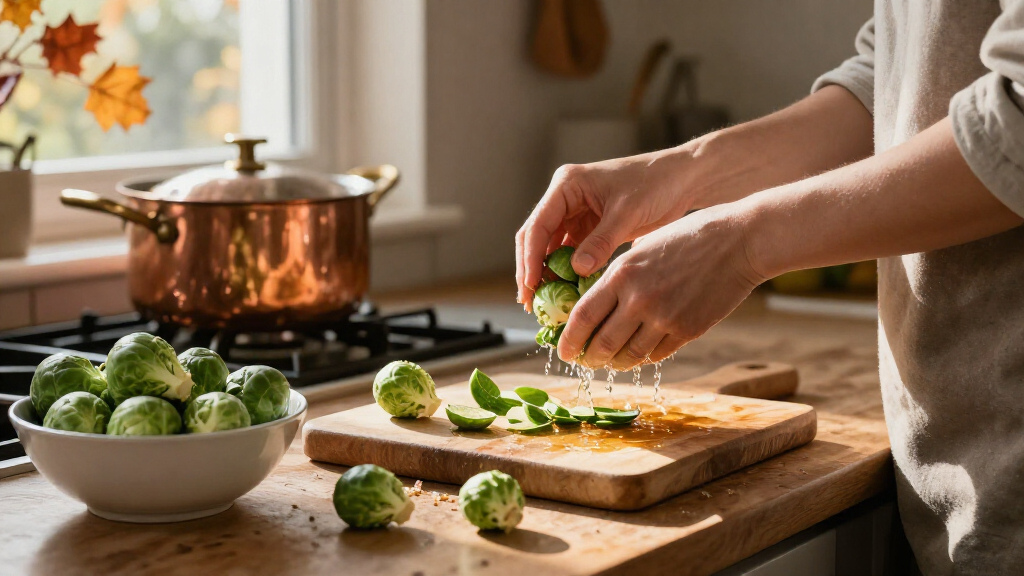
The report suggests adding Brussels sprouts to cool-weather meals and favors roasting or air frying over boiling or overcooking. They can be served as a side or added to a meal with plant-based iron sources, such as lentils, beans or tofu. No new study, official recommendation or follow-up research is announced in the source; the immediate next step for readers is simply to use the estimates as one guide to meal planning.
People taking warfarin or another blood thinner should not make abrupt changes to their vitamin K intake based on the article. It says consistency matters and advises discussing major dietary changes with a doctor or pharmacist. The report also notes that people who are pregnant or planning pregnancy may need specific folate guidance from a clinician.
Key Questions
How much vitamin C is in Brussels sprouts?
Good Housekeeping reports about 48 milligrams in a half-cup of cooked Brussels sprouts and about 40 milligrams in a half-cup raw. These are approximate amounts.
Do Brussels sprouts have more vitamin C than oranges?
In the report’s serving comparison, a half-cup of raw Brussels sprouts has about 40 milligrams, while a half-cup of raw orange segments has around 36 milligrams. The comparison is based on those specific portions and preparations.
Are Brussels sprouts the best vegetable source of vitamin C?
No. The report says a half-cup of raw red bell pepper provides about 95 milligrams of vitamin C. Cooked broccoli is described as roughly even with Brussels sprouts.
Does vitamin C from Brussels sprouts prevent colds?
The report says that, for most people, getting more vitamin C does not prevent a cold. Regular intake may modestly shorten how long a cold lasts, but the article recommends meeting daily needs rather than taking extra only when symptoms start.
Is there a medication-related concern with Brussels sprouts?
Brussels sprouts contain vitamin K. The report says people taking warfarin do not need to avoid them, but should keep vitamin K intake consistent and consult a doctor or pharmacist before making major dietary changes.
Source: goodhousekeeping.com